
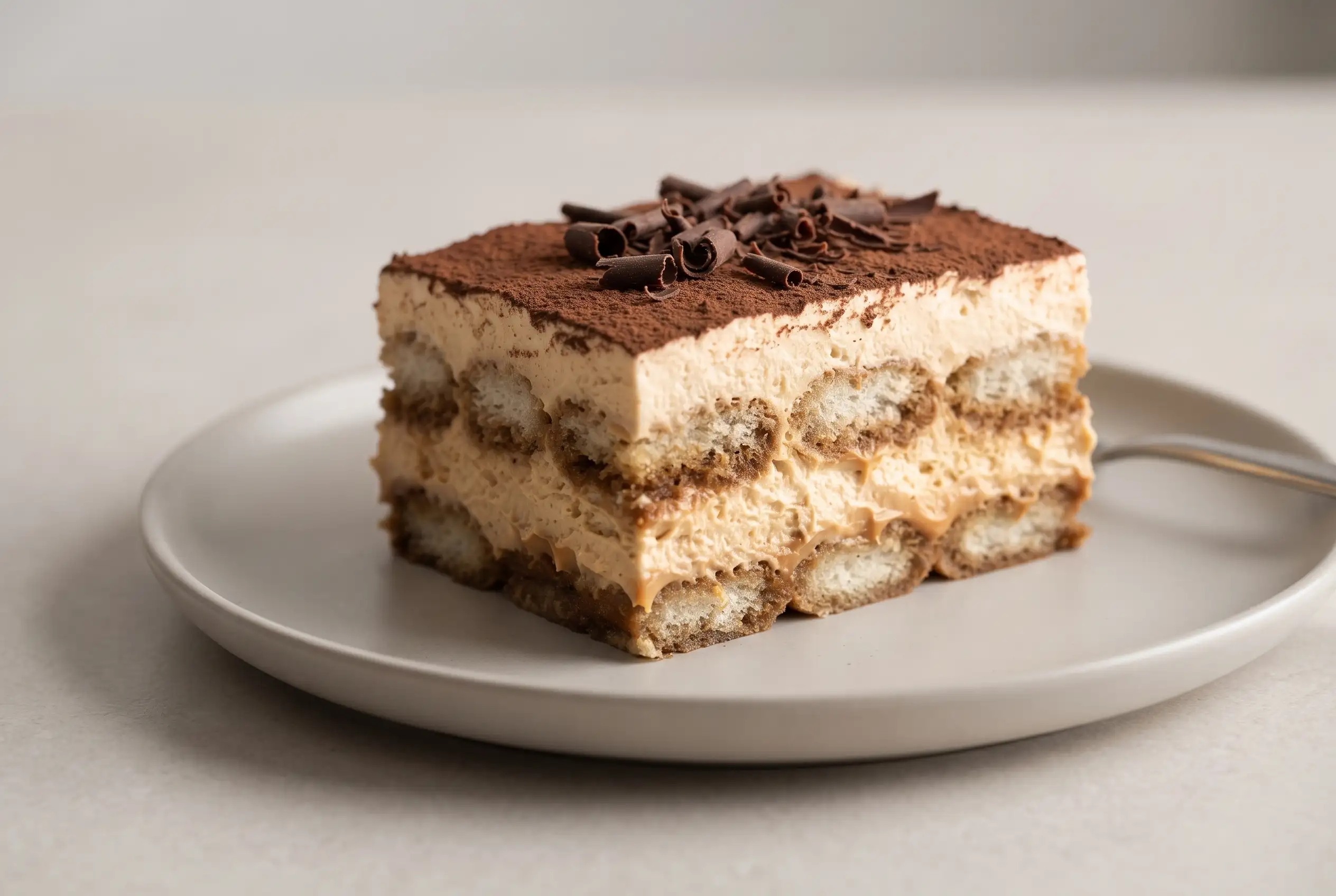
Dulce de leche tiramisu brings together silky mascarpone cream, bold espresso-soaked ladyfingers, and caramel-like sweetness for a dessert that feels both classic and completely new. The familiar Italian structure stays recognizable, while dulce de leche adds a deeper flavor that makes every chilled layer more indulgent.
Across many dessert tables, tiramisu stands out because it depends on contrast: creamy filling, tender cookies, intense coffee, and a delicate cocoa finish. The addition of dulce de leche changes the balance by introducing a rich sweetness that pairs naturally with coffee and chocolate.
Unlike traditional versions that rely mostly on coffee and cocoa for their strongest notes, a dulce de leche tiramisu creates a warmer flavor profile through the caramelized milk element. The result is a dessert that rewards careful layering and enough resting time for the textures to come together.
The Cream Layer Choices Behind Dulce De Leche Mascarpone Tiramisu
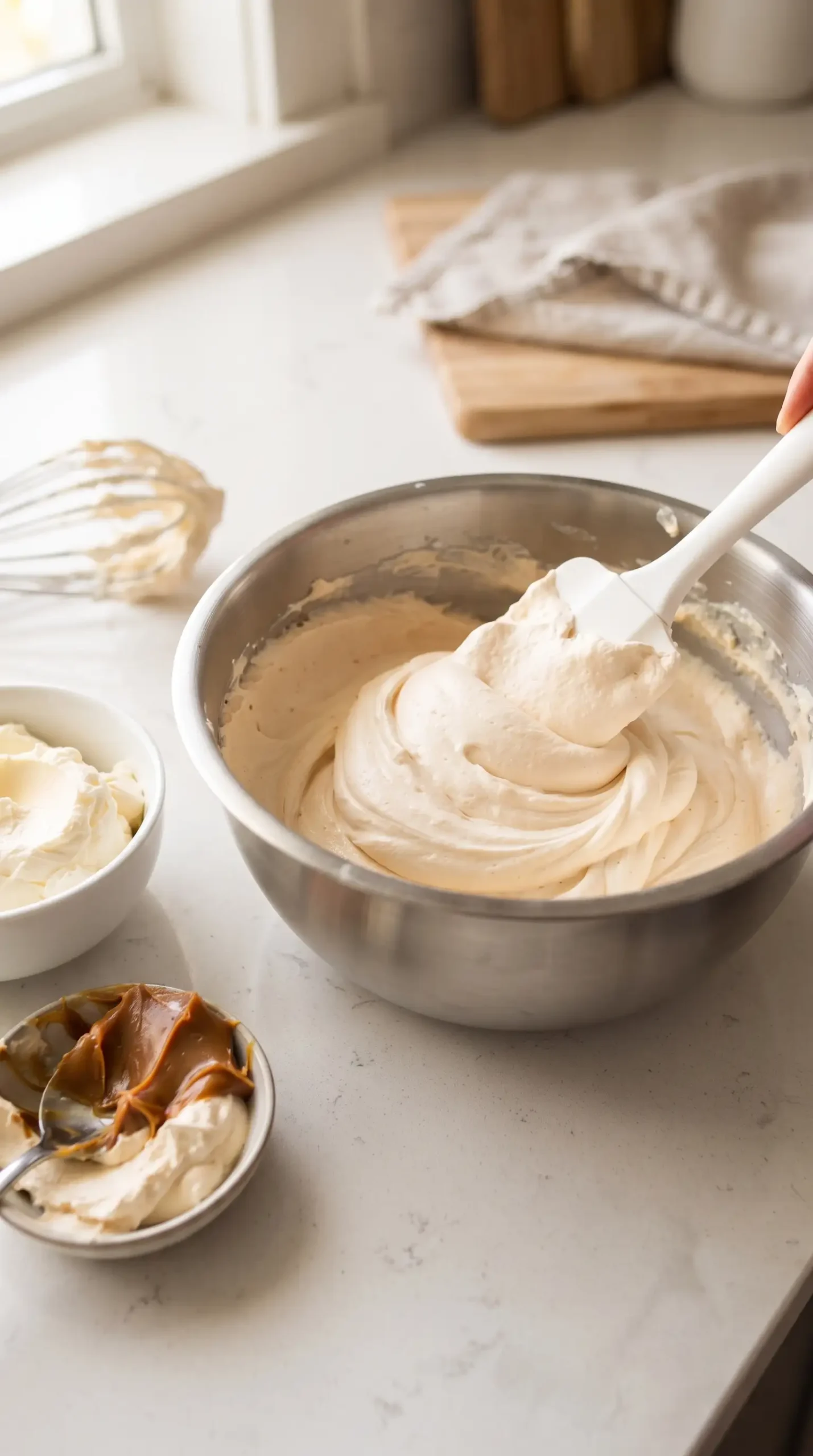
Mascarpone creates the foundation of the creamy filling, and its soft texture allows the dulce de leche to blend smoothly into the dessert. Using mascarpone with the whipped cream mixture gives the layers a luxurious feel without making them heavy.
Mascarpone is a traditional choice for desserts like tiramisu because mascarpone’s creamy consistency helps create the smooth texture that defines the filling. Its delicate nature also makes gentle mixing important during preparation.
Carefully combining the mascarpone mixture with whipped cream matters because the filling needs enough structure to hold between the ladyfingers. A gentle fold keeps the cream airy, while overworking the mixture can make the texture less delicate.
Soft ladyfingers are an important choice for this style of dessert because they absorb espresso quickly while still supporting the creamy layers. The slightly sweet surface of quality ladyfingers also complements the caramel notes from the dulce de leche.
Espresso Soak Decisions for Ladyfinger Tiramisu with Dulce de Leche
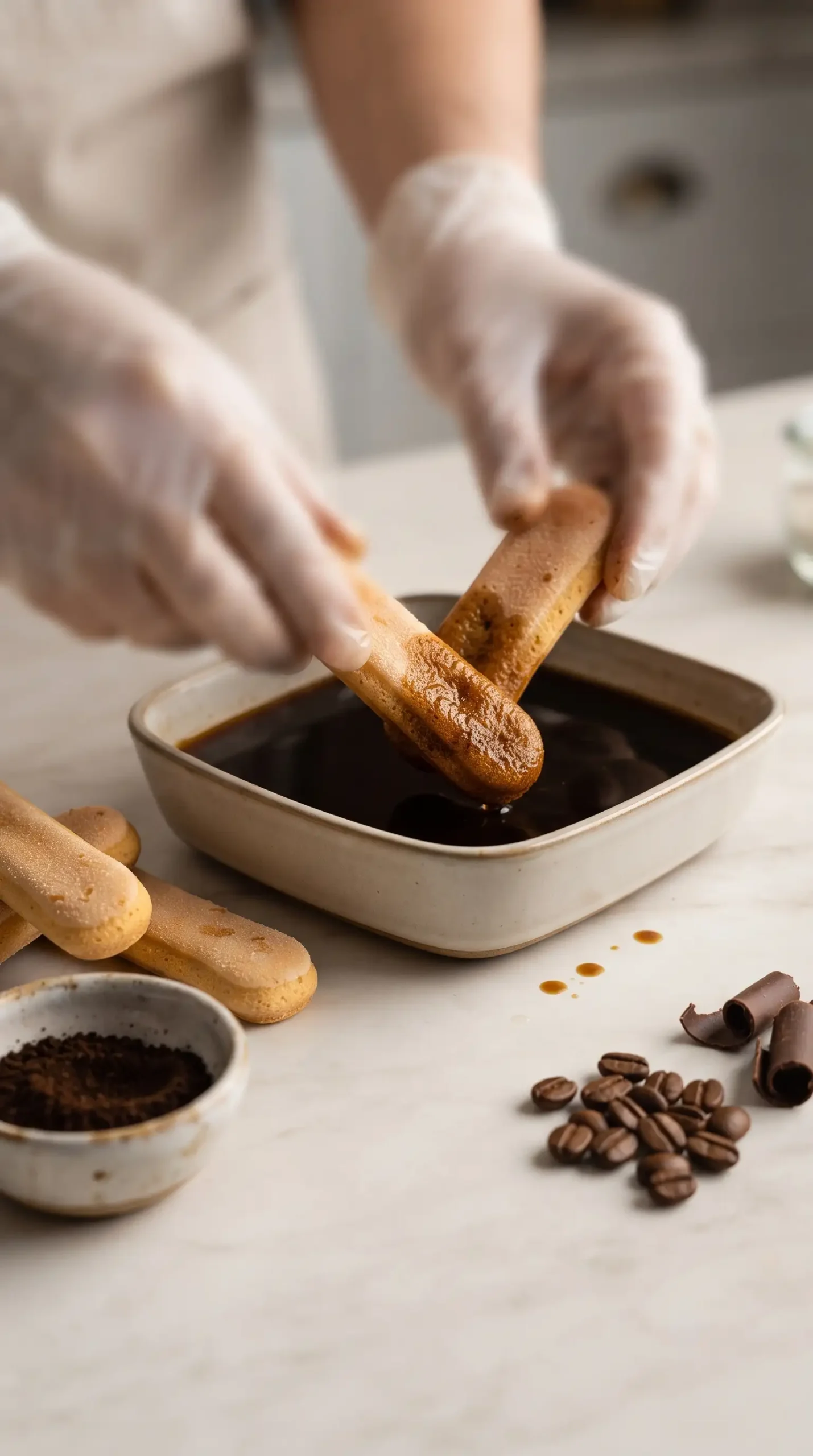
Espresso depth determines how much coffee character appears in each bite. Strong coffee or espresso gives the dessert enough intensity to balance the sweetness, and a brief dip keeps the cookies tender without allowing them to collapse.
Cocoa and Chocolate Finish That Defines Each Slice
Cocoa dust provides a bittersweet contrast that keeps the dulce de leche tiramisu from becoming one-dimensional. A final layer of cocoa or shaved chocolate adds a simple finish that highlights the coffee and caramel flavors together.
Building a Balanced Dulce De Leche Tiramisu Texture
Layering the dessert is where texture becomes the main focus. The ladyfingers should soften from the espresso while maintaining enough shape to separate the creamy filling into distinct portions.
A chilled rest allows moisture to move through the cookies and helps the mascarpone mixture become more settled. The dessert develops its best sliceable texture after the layers have had time to set together.
Successful preparation depends on noticing small visual cues during the process. The whipped cream should remain soft and smooth, and the filling should look creamy enough to spread without becoming loose.
- Soft peaks: Stop whipping once the cream has enough structure to support the filling.
- Quick dipping: Turn each ladyfinger through espresso briefly so it absorbs flavor without becoming fragile.
- Even layers: Spread the cream smoothly so every serving contains a balanced mix of cookies and filling.
Common Dulce De Leche Tiramisu Mistakes That Ruin the Layers
Over-soaking ladyfingers is one of the easiest ways to damage a dulce de leche tiramisu. Cookies that spend too long in espresso can lose their structure and create a watery layer beneath the cream.
Another mistake happens when whipped cream is pushed too far during mixing. A filling that becomes overly firm will not have the soft texture expected from tiramisu, so stopping at the right consistency makes a noticeable difference.
Rushing the chilling stage can also affect the finished dessert. Cutting into the layers before they have time to settle makes clean slices harder to achieve and prevents the flavors from blending fully.
Serving Moments for Chilled Espresso Desserts
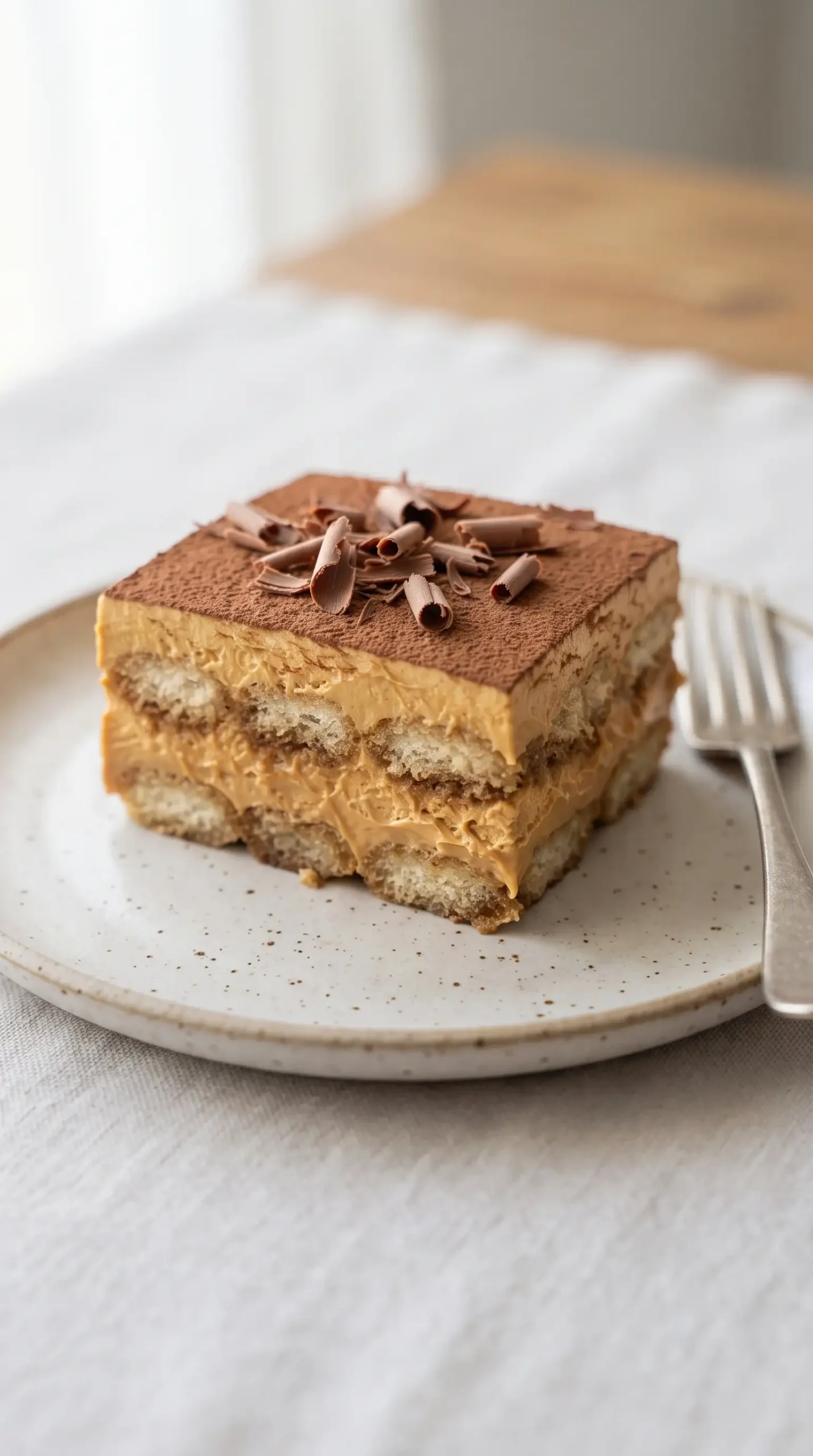
A dulce de leche tiramisu is best served cold, with extra cocoa powder or chocolate shavings added just before serving if desired. The chilled texture makes the creamy layers feel especially smooth alongside the espresso notes.
Storage and Make-Ahead Handling for Set Layers
Proper storage protects the delicate balance between the espresso-soaked cookies and the mascarpone filling. Keeping the dessert covered helps preserve the creamy surface and prevents the top from drying out.
Many home cooks prefer preparing tiramisu ahead because resting time improves the texture. The layers become easier to serve once the cookies and cream have had time to settle together.
Extra care with serving portions helps maintain the appearance of each slice. Use a clean utensil for cutting and return remaining portions to the refrigerator promptly so the dessert keeps its chilled consistency.
| Handling choice | Effect on dessert | Best practice |
|---|---|---|
| Covered chilling | Protects creamy surface | Keep the dish covered while it rests |
| Extended resting | Improves layer cohesion | Allow enough time for flavors to combine |
| Cold serving | Maintains firm texture | Serve directly from refrigeration |
Cooking Control Secrets for a Smooth Tiramisu Finish
Successful technique starts with controlling the texture of each component before assembly. The egg yolk mixture should become smooth and creamy, while the whipped cream should stay light enough to fold into the filling.
Gentle handling during mixing protects the structure that makes the dessert feel airy. Folding combines the mascarpone mixture and whipped cream while preserving the softness needed for a spoonable texture.
Careful assembly also involves managing moisture. A light cocoa layer beneath the first cookies can help balance the espresso absorption and keep the finished dessert from becoming overly wet.
Adjustments for Mascarpone and Coffee Preferences
Different preferences can be accommodated without changing the identity of the dessert. A smaller amount of mascarpone still works, while a richer cream layer comes from using the fuller mascarpone quantity described for the preferred texture.
Choosing Components for Every Dulce De Leche Tiramisu Bite
Ingredient quality shapes the personality of the dessert, especially when only a few flavors are present. A rich espresso, smooth mascarpone, flavorful dulce de leche, and good cocoa each contribute to the final balance.
Planning a Better Dessert Table Around Tiramisu
Serving dulce de leche tiramisu alongside lighter desserts or fresh fruit can create contrast at a gathering, while dulce de leche bars bring a caramel-forward dessert element to a table with rich flavors.
Thoughtful portions work well because the dessert is rich and layered. Smaller slices still showcase the espresso, caramel, and chocolate elements without overwhelming the palate.
Dulce De Leche Tiramisu Layers Create the Right Dessert Balance
The creamy filling, espresso-soaked ladyfingers, and caramel sweetness in dulce de leche tiramisu succeed when each layer keeps its own character while supporting the others. A careful soak and a properly settled filling create the texture that makes this dessert memorable.
Balanced preparation turns simple components into a dessert where coffee bitterness, cocoa richness, and dulce de leche sweetness meet in every slice.
Dulce De Leche Tiramisu Questions About Storage and Texture
Can dulce de leche tiramisu be made ahead?
Yes, preparing it ahead works well because the chilled layers have time to settle. The resting period helps the ladyfingers absorb espresso while the mascarpone filling becomes more cohesive.
Why do my ladyfingers become too soft?
Ladyfingers can become overly soft when they remain in espresso too long. A brief coating is enough to add coffee flavor while preserving the structure needed for neat layers.
Can I use decaf coffee for this dessert?
Decaf coffee can be used when preferred. A rich, dark coffee flavor still helps balance the sweetness of the dulce de leche and keeps the dessert’s signature profile.
How do I keep the cream layer from becoming loose?
The cream layer stays more stable when whipped cream is not overworked and when the mascarpone mixture is folded gently. Proper chilling also helps the filling set into a smooth texture.
Dulce De Leche Tiramisu with Mascarpone Cream and Espresso
Ingredients
Method
- Beat the egg yolks and sugar with an electric mixer until the mixture is smooth and falls in a steady ribbon from the beaters. Add mascarpone and mix again until fully combined.
- Whip the heavy cream on high for 1-2 minutes until whipped cream forms. Mix in dulce de leche, then add salt to taste.
- Gently fold the whipped cream mixture into the egg yolk and mascarpone mixture until combined.
- Use an 11×7 pan and dust the bottom with cocoa powder using a fine mesh strainer to help manage moisture from the espresso.
- Briefly dip each ladyfinger in the espresso, turning to coat both sides, then remove. Arrange the ladyfingers to cover the bottom of the pan.
- Spread half of the creamy mixture over the ladyfingers. Add another layer of dipped ladyfingers, then finish with the remaining cream mixture.
- Dust the top with cocoa powder again and/or add shaved chocolate.
- Cover the pan with plastic and refrigerate for 4 hours minimum, ideally 12-24 hours, to allow the dessert to set.
- Cut and serve directly from the refrigerator. Add extra cocoa powder or chocolate shavings on top if desired.