
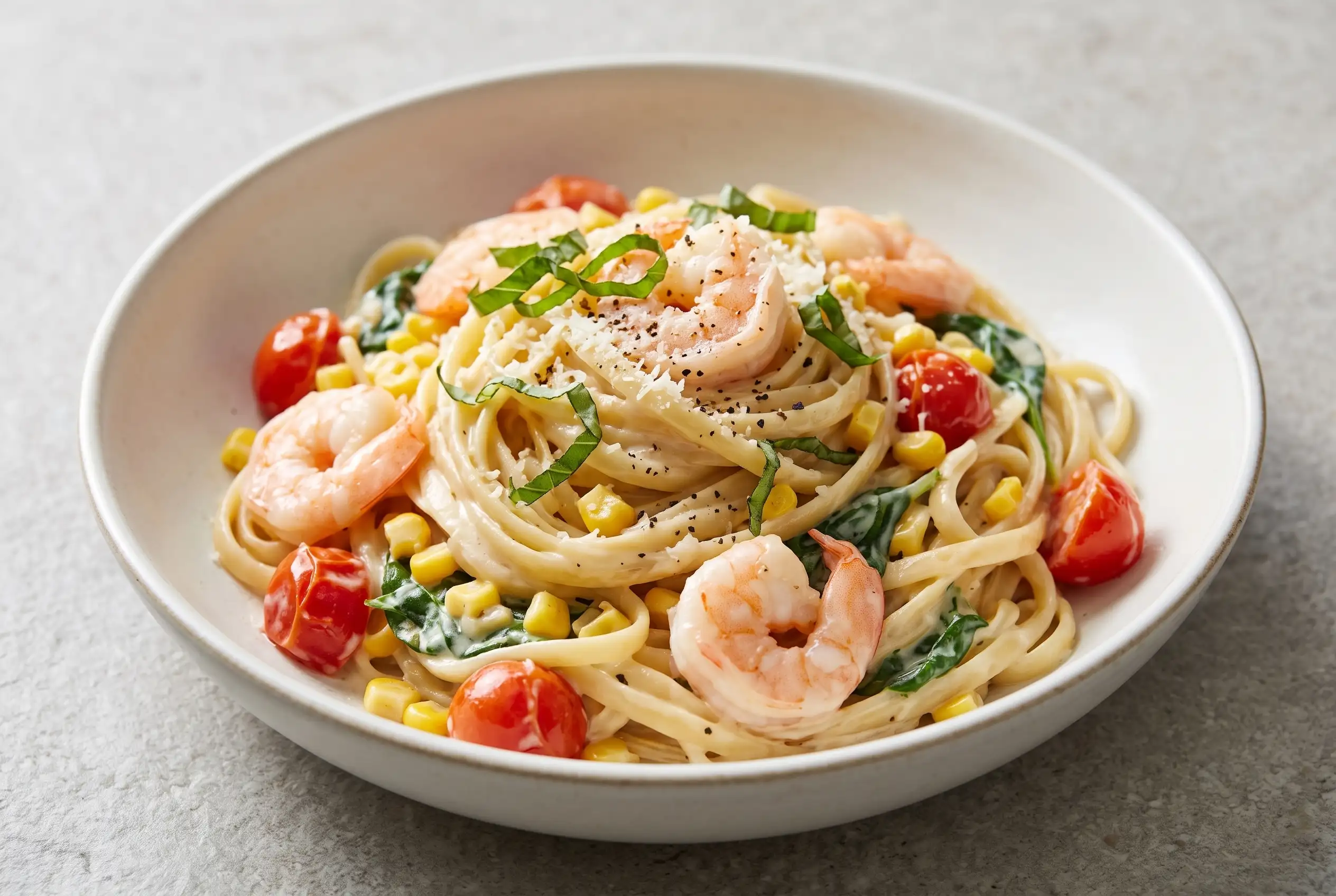
Shrimp Pasta Balances Sweet Corn and Tomato Flavors
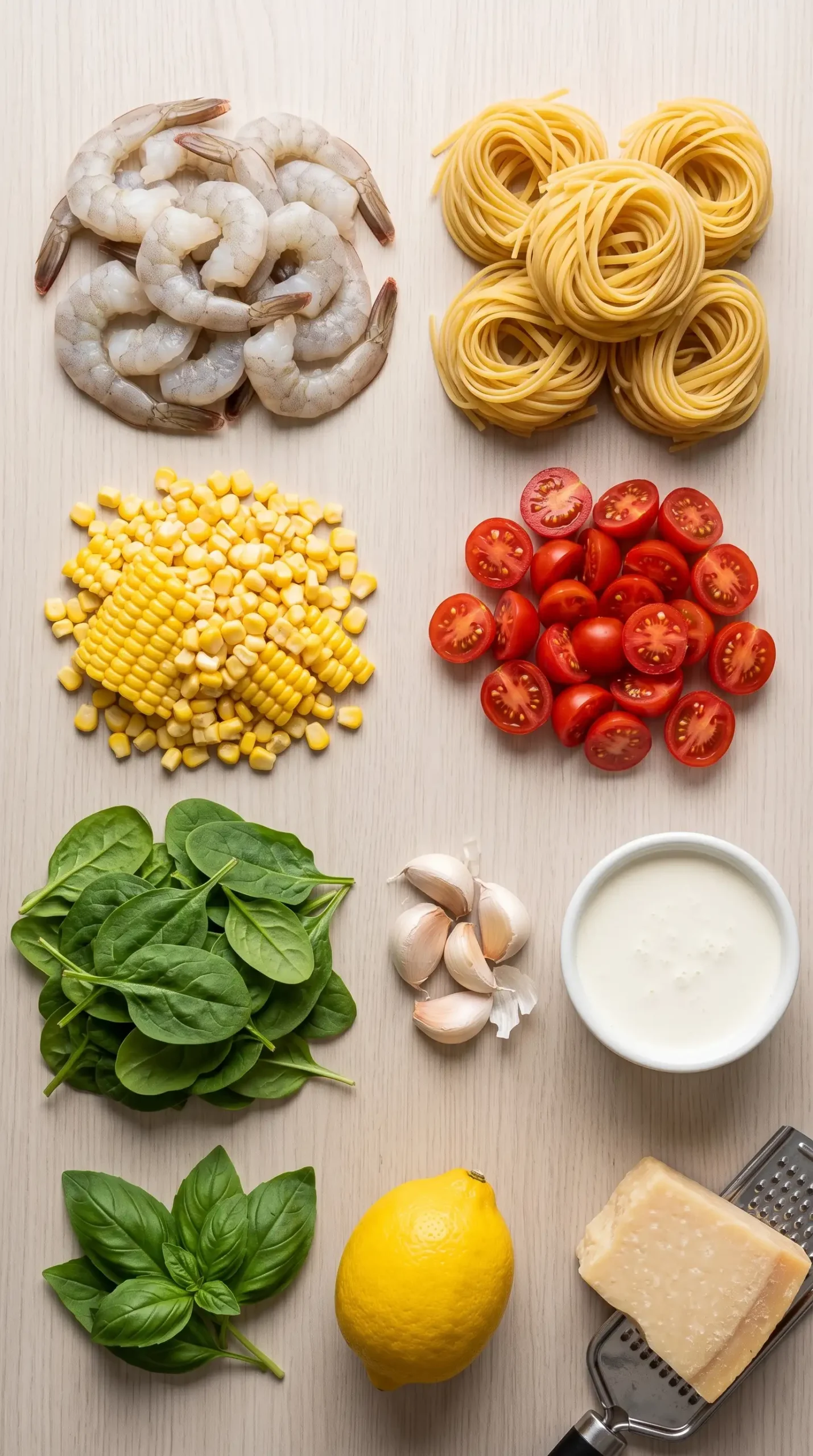
Shrimp pasta brings together tender shrimp, sweet corn, juicy tomatoes, and a silky cream sauce in a dinner built around contrast. The combination works because the seafood stays delicate while the vegetables add freshness and color, creating a creamy meal that feels complete without relying on a heavy sauce.
Summer ingredients shape the personality of this dish. Fresh corn kernels contribute a sweet, crisp element, cherry tomatoes provide bright acidity, and spinach softens into the sauce to create a smooth connection between the pasta and toppings.
Unlike a simple seafood noodle dish, creamy shrimp pasta with corn layers several textures in one skillet. The shrimp offers a firm bite, the vegetables remain noticeable, and the sauce coats the linguine while allowing each component to remain recognizable.
Creamy Shrimp Pasta Starts With Sauce Texture Decisions
Sauce consistency determines how the finished bowl comes together. Heavy cream creates a smooth coating, while reserved pasta water gives the mixture flexibility so it can surround the noodles instead of sitting separately in the pan.
Careful adjustments during the final toss help maintain balance. Adding pasta water gradually allows the creamy sauce to reach the texture needed for the linguine, spaghetti, or similar pasta shape being used.
Cooked Corn Shapes the Dish’s Fresh Summer Character
Corn has an important role in the overall texture of shrimp pasta because the kernels bring sweetness and a slight bite after being added with the tomatoes. Already cooked corn makes preparation convenient, while freshly cut raw kernels can create a different starchy sweetness as they soften in the skillet.
| Corn choice | Texture in the dish | Best use |
|---|---|---|
| Cooked fresh corn | Sweet kernels with a tender bite | Ideal when leftover grilled or boiled corn is available |
| Raw fresh corn | Firm kernels that soften during cooking | Useful when starting with ears of corn before cooking |
| Canned or frozen corn | Convenient and softer texture | A practical option when fresh corn is unavailable |
Shrimp Cooking Control Keeps Every Bite Tender
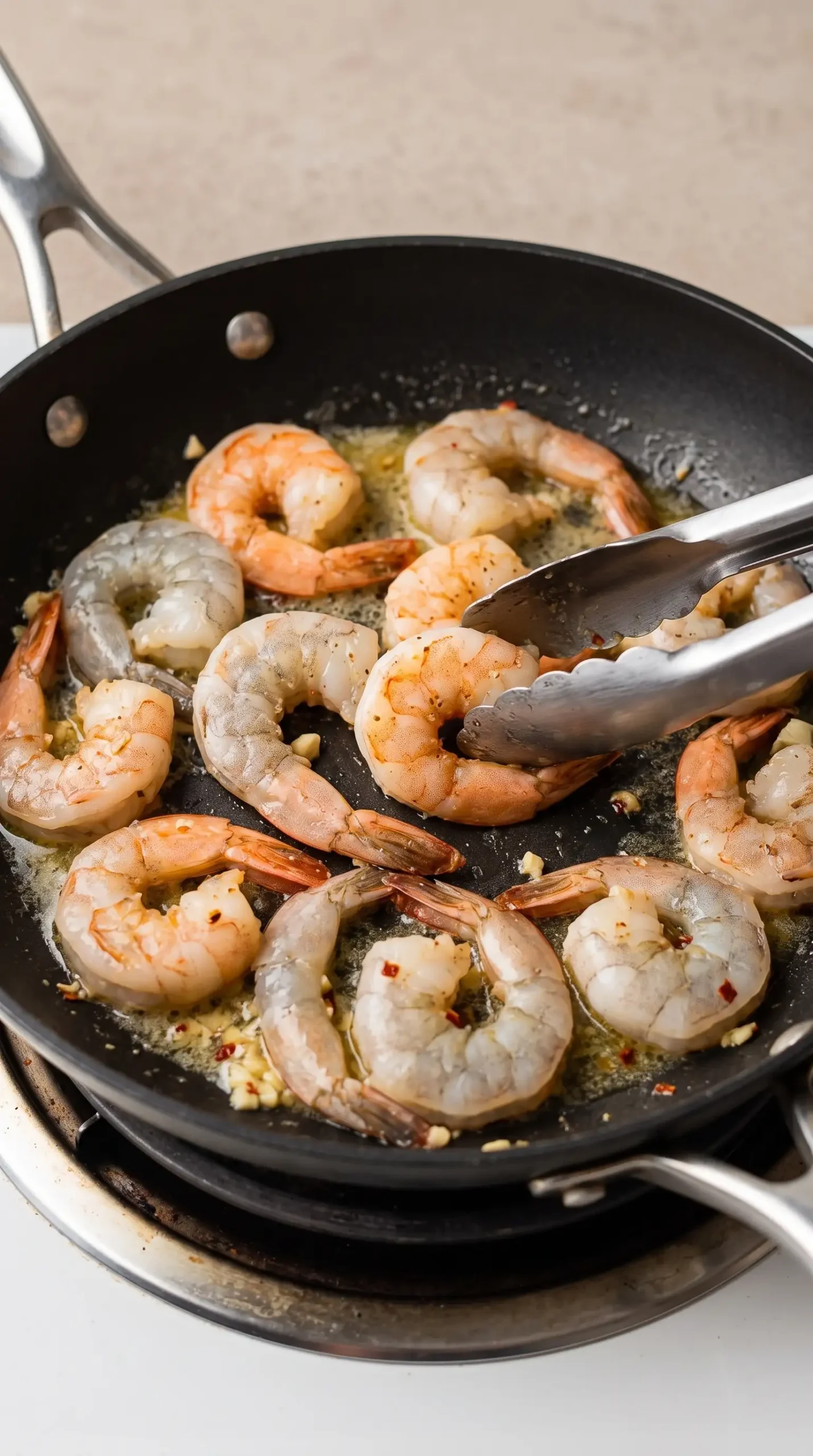
Proper shrimp handling has the biggest effect on the seafood texture in this dish. The shrimp cooks separately at the beginning, allowing it to develop flavor before returning to the sauce with the vegetables.
Medium heat helps the shrimp cook through without requiring complicated preparation. The pieces should be watched closely because shrimp can change quickly from tender to firm when exposed to heat for too long.
Seasoning the shrimp before it joins the pasta distributes flavor throughout the dish. Returning the cooked shrimp near the end keeps its texture distinct while the cream sauce finishes around it.
Pasta Water Connects the Creamy Sauce and Noodles
Reserved pasta water serves as a useful finishing tool because it contains starch from the noodles. That starch helps the cream sauce pasta water helps sauce cling to noodles and creates a more unified texture across the serving.
Gentle tossing matters after the pasta meets the sauce. The noodles need enough movement to become coated while still keeping the vegetables and shrimp visible throughout the dish.
Spinach and Tomato Timing Builds a Balanced Finish
Vegetable timing affects the character of shrimp pasta with tomatoes and spinach. The tomatoes receive a short sauté that warms them while helping release their flavor, and the spinach is added afterward so it can wilt into the sauce without disappearing completely. A pasta dish such as creamy garlic pasta with sun-dried tomatoes and spinach uses a comparable focus on keeping vegetables balanced within a rich sauce, making it useful for understanding how greens and tomatoes can support a creamy finish.
Common Creamy Shrimp Pasta Mistakes To Avoid
Several small choices can change the finished result of creamy shrimp pasta. Avoiding these problems helps preserve the contrast between seafood, vegetables, pasta, and sauce.
- Overcooking shrimp: Keep the seafood tender by cooking until it is done and returning it later instead of leaving it in the pan for the entire process.
- Skipping pasta water: The reserved liquid helps the sauce connect with the noodles and prevents a separated texture.
- Overworking vegetables: Short cooking keeps tomatoes, corn, and spinach recognizable instead of turning them into a uniform mixture.
Another common issue happens when the sauce becomes too thick before serving. A small amount of reserved pasta water can loosen the mixture and help the creamy coating spread evenly across the noodles.
Choosing Pasta Shapes Changes the Sauce Experience
Wide and long pasta shapes work well because the cream sauce can coat the strands while shrimp and vegetables remain easy to combine in each serving. Linguine creates a classic creamy shrimp linguine texture, while spaghetti or another similar shape can also carry the sauce effectively.
Shape selection influences how the meal feels when eaten. Thicker strands provide a more substantial bite, while thinner noodles allow the sauce and toppings to feel lighter together.
Corn Options Fit Different Preparation Plans
Different corn preparations allow the dish to adapt to what is already available in the kitchen. The recipe supports fresh, cooked, frozen, or canned corn choices as long as the kernels are incorporated into the skillet with the other vegetables.
- Prepare the kernels: Remove cooked corn from the cob or cut fresh kernels before adding them to the pan.
- Adjust cooking time: Raw kernels may need additional softening compared with already cooked options.
- Finish with balance: Combine the corn with tomatoes and spinach so sweetness remains part of the overall flavor.
Toppings Add Contrast to Creamy Shrimp Linguine
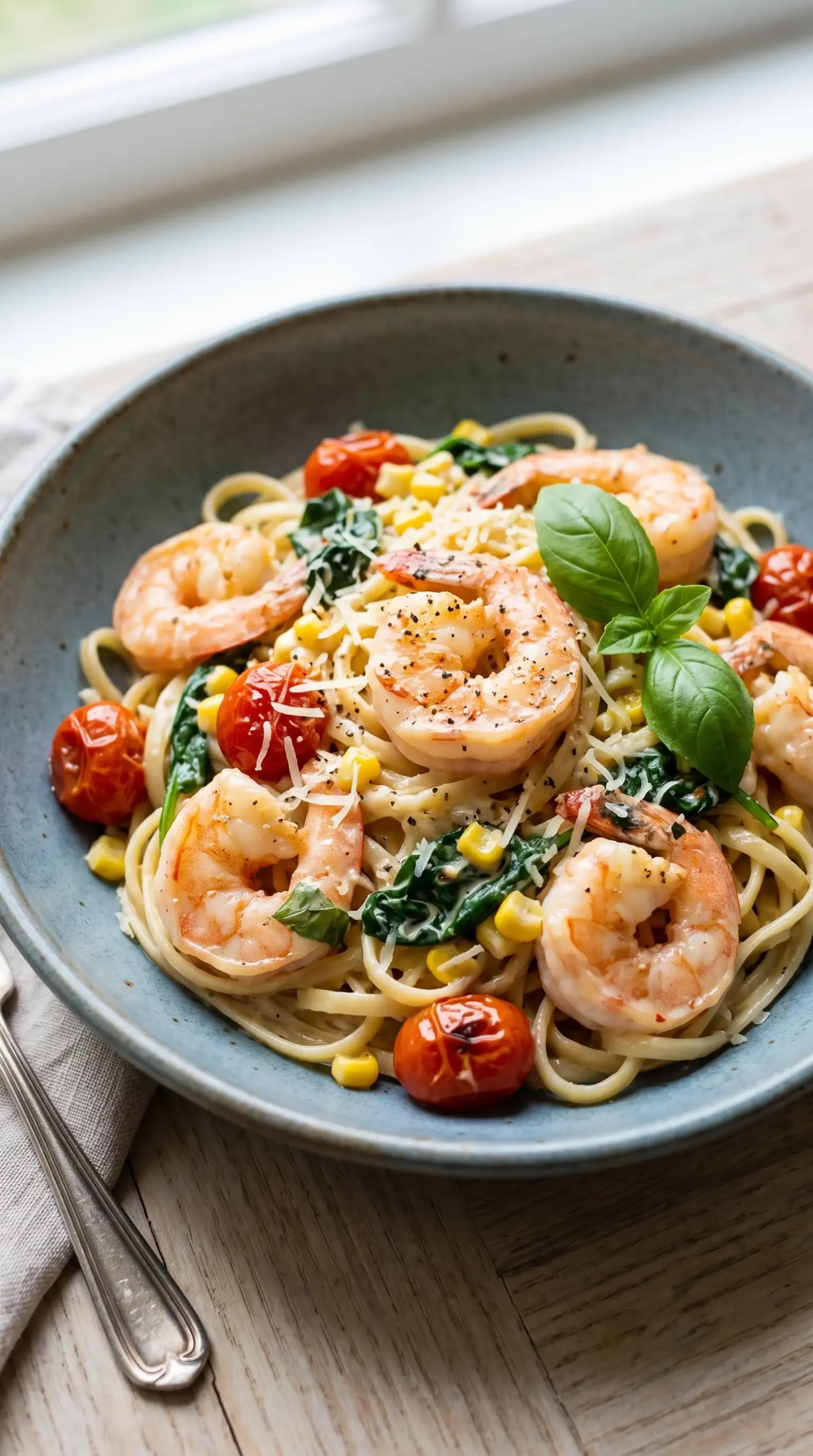
Finishing touches give creamy shrimp linguine a brighter presentation and additional layers of flavor. Fresh basil adds an herbal note, while Parmesan contributes a savory element that complements the cream sauce.
Seasoning at the table can also adjust the final impression. Freshly cracked black pepper, additional salt, or a little extra Parmesan can highlight the flavors already present in the skillet.
Leftover Handling Preserves the Pasta Texture
Stored portions of shrimp pasta are best treated gently when reheating because the creamy sauce can change texture as it warms. Using moderate heat and adding a small amount of moisture can help the noodles and sauce come back together.
Serving Ideas Complete the Shrimp Pasta Meal
Serving choices can emphasize different parts of the dish without changing its core ingredients. A simple side that does not compete with the creamy pasta allows the shrimp, vegetables, and sauce to remain the focus.
Fresh accompaniments work especially well with the flavors already present. Additional herbs, a squeeze of lemon, or a crisp vegetable side can echo the bright elements found in the skillet.
Shrimp Pasta Creates Balance Through Fresh Ingredients and Creamy Texture
Shrimp pasta succeeds when each cooking decision protects the contrast between creamy sauce, tender seafood, and fresh vegetables. The corn and tomatoes keep the dish lively, while the pasta water and cream create the smooth texture that brings everything together.
The finished skillet depends on timing and texture awareness. Keeping shrimp tender, allowing vegetables to retain character, and adjusting the sauce with pasta water creates a meal where every component contributes to the final bite.
Common Questions About Shrimp Pasta Texture and Preparation
Can I use frozen shrimp for shrimp pasta?
Frozen shrimp can work well if it is properly thawed before cooking. Drying the shrimp after thawing helps it cook more evenly and allows the seasoning to stay on the surface.
How can I make the creamy sauce less thick?
Adding reserved pasta water gradually can loosen the sauce while keeping the creamy texture connected to the noodles. Small additions allow better control than adding a large amount at once.
Can raw corn be added directly to the skillet?
Raw corn kernels can be added directly and cooked in the pan until they soften. They will have a slightly different texture and flavor compared with already cooked corn.
What pasta shapes work besides linguine?
Spaghetti and similar long pasta shapes are suitable alternatives because they provide enough surface area for the cream sauce to coat the noodles. The choice can depend on what texture you prefer.
How do tomatoes affect the finished dish?
Cherry tomatoes add brightness and moisture that balances the richness of the cream. Their short sauté keeps their fresh character while allowing them to blend with the sauce.
Creamy Shrimp Pasta with Corn and Tomatoes in Cream Sauce
Ingredients
Method
- Cook the pasta according to the package directions. Drain, coat lightly with oil to prevent sticking, and set aside.
- Warm a large nonstick skillet over medium heat. Melt 1 tablespoon butter in the pan, add the shrimp, and season with 1/2 teaspoon salt. Cook, turning once, until the shrimp is cooked through. Remove from the skillet, cover, and keep warm.
- Add the garlic and remaining 1 tablespoon butter to the skillet. Stir in the tomatoes and corn, then sauté for 1-2 minutes. Add the spinach and cook until wilted.
- Return the shrimp to the skillet. Add the remaining 1/2 teaspoon salt and lemon juice, then pour in the cream and bring the mixture to a low simmer.
- Toss the cooked pasta with the sauce. Add reserved pasta water as needed to reach the desired consistency.
- Finish with basil, Parmesan, salt, and freshly cracked black pepper before serving.