
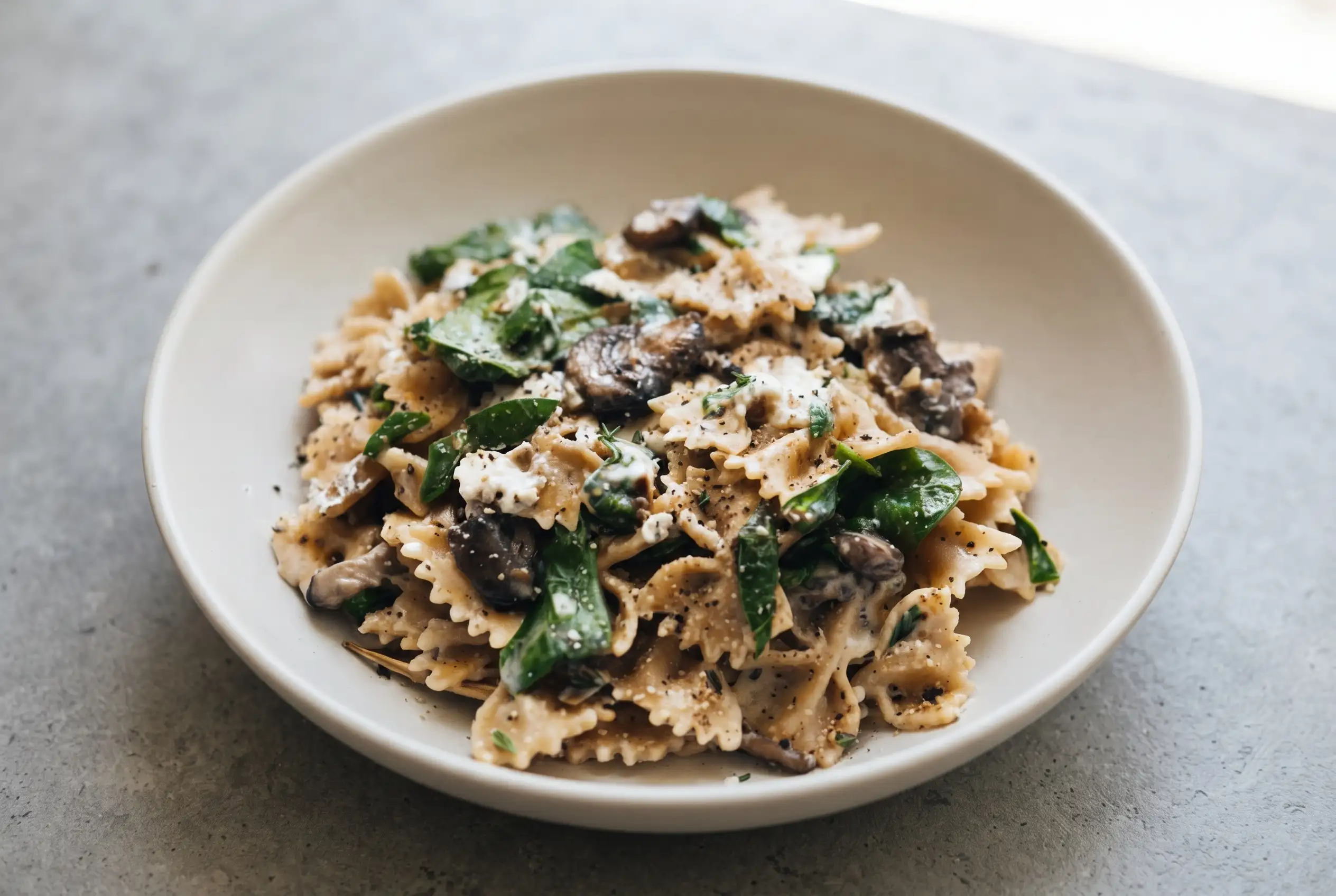
Mushroom goat cheese pasta brings together earthy mushrooms, creamy sauce, tender farfalle, and tangy goat cheese in a dish that feels special without requiring complicated techniques. The combination of whole wheat pasta, sautéed mushrooms, spinach, and a rich cheese finish creates a comforting meal with enough character for a relaxed evening at home.
Unlike heavier pasta dishes that rely on large amounts of sauce, this creamy mushroom pasta with goat cheese builds flavor through the mushrooms themselves, the savory cooking liquid, and the way warm pasta carries the finished sauce. Each element has a clear role, allowing the dish to stay balanced from the first bite to the last.
Why mushroom goat cheese pasta works for date night meals
Few dinners create a restaurant-like feeling with such straightforward ingredients. The mushrooms develop a deep savory flavor as they cook until golden and soft, while white wine, cream, Parmesan, and goat cheese create layers of richness without making the pasta feel one-dimensional.
A quiet evening meal benefits from textures that change as you eat. The farfalle holds pockets of sauce, the mushrooms provide a tender bite, and spinach adds a fresh contrast once it is stirred in near the end. The result is a pasta dish that feels thoughtfully composed even though the preparation remains approachable.
Many pasta recipes depend on a long ingredient list to create complexity, but this combination focuses on careful handling. Browning the mushrooms, choosing the right moment for the cheeses, and adjusting the sauce consistency are the decisions that make the biggest difference.
The mushroom choices that shape creamy goat cheese pasta
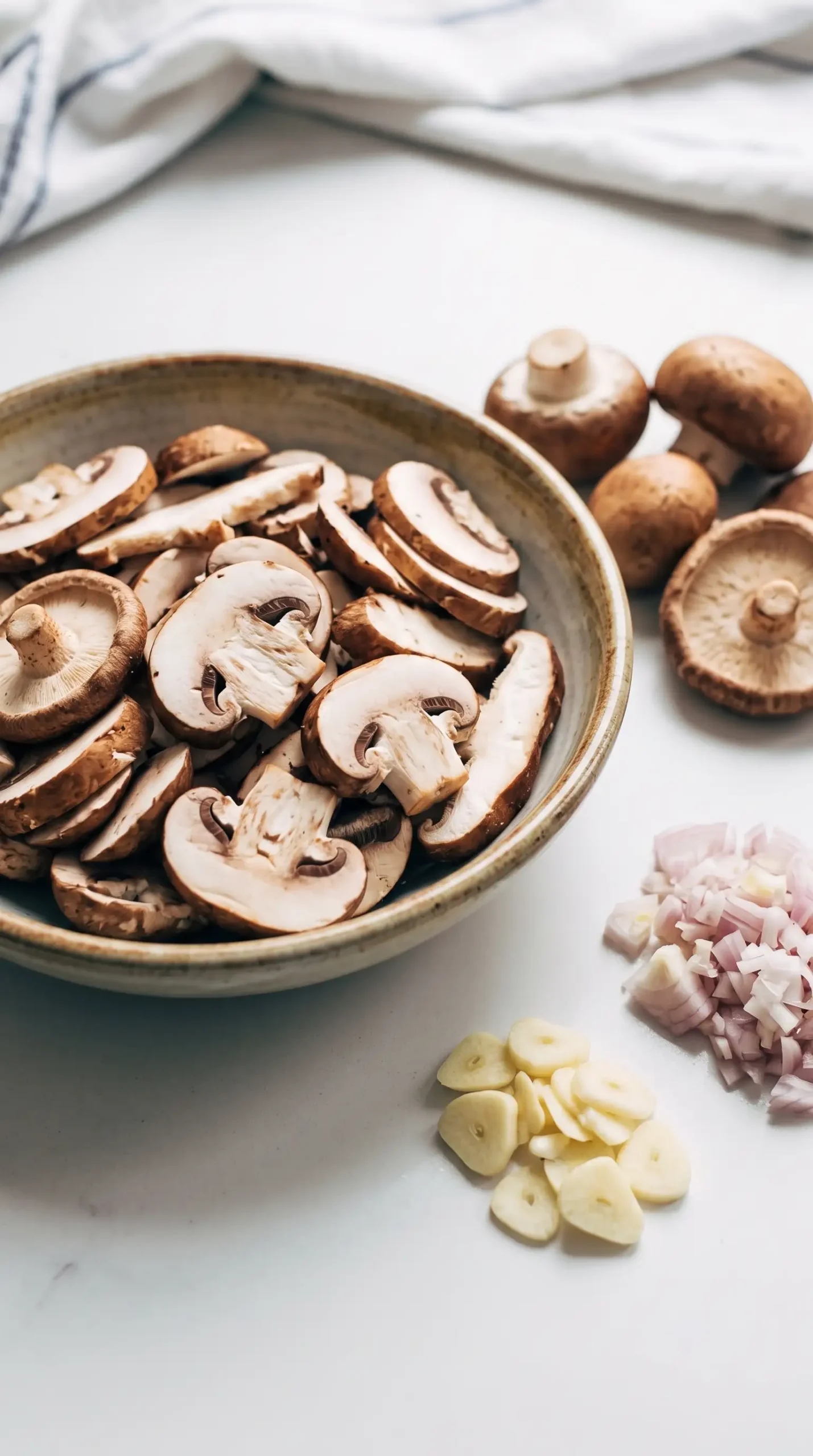
Cremini and shiitake mushrooms work especially well in mushroom goat cheese pasta because they offer a mixture of familiar earthy flavor and deeper mushroom notes. Slicing them evenly helps them cook at a similar pace, allowing the skillet to develop a concentrated mushroom base before the sauce ingredients are added. A dish like garlic herb mushroom spaghetti places the mushroom flavor at the center of the meal with a savory pasta finish.
Whole wheat farfalle creates a hearty pasta foundation
Whole wheat mushroom pasta has a slightly more substantial texture than pasta made only from refined flour, which makes it a natural match for the creamy sauce. The nutty character of whole wheat farfalle complements mushrooms while giving the dish a sturdy structure.
Farfalle also brings a useful shape advantage. The folded centers and wider edges catch sauce differently, so each serving has a mix of creamy pasta and concentrated bites of mushroom. That shape helps the cheese sauce feel integrated instead of simply coating the outside.
Cooking the pasta according to package directions provides the base texture needed for the finished dish. Once combined with the mushroom sauce, the pasta can absorb some of the surrounding flavors while remaining distinct enough to pair with the creamy elements.
| Component | Role in the finished pasta | Best handling choice |
|---|---|---|
| Mushrooms | Create savory depth and texture | Cook until golden and reduced |
| Goat cheese | Add tangy creaminess | Stir in while pasta is warm |
| Whole wheat farfalle | Provides a hearty pasta base | Cook according to package directions |
Goat cheese and sauce balance define the final texture
Cream, Parmesan, goat cheese, and broth work together to create a sauce that can be adjusted depending on how loose or concentrated you prefer your pasta. Goat cheese brings a noticeable tang that keeps the creamy elements from tasting overly heavy.
Cooking control for silky mushroom pasta sauce
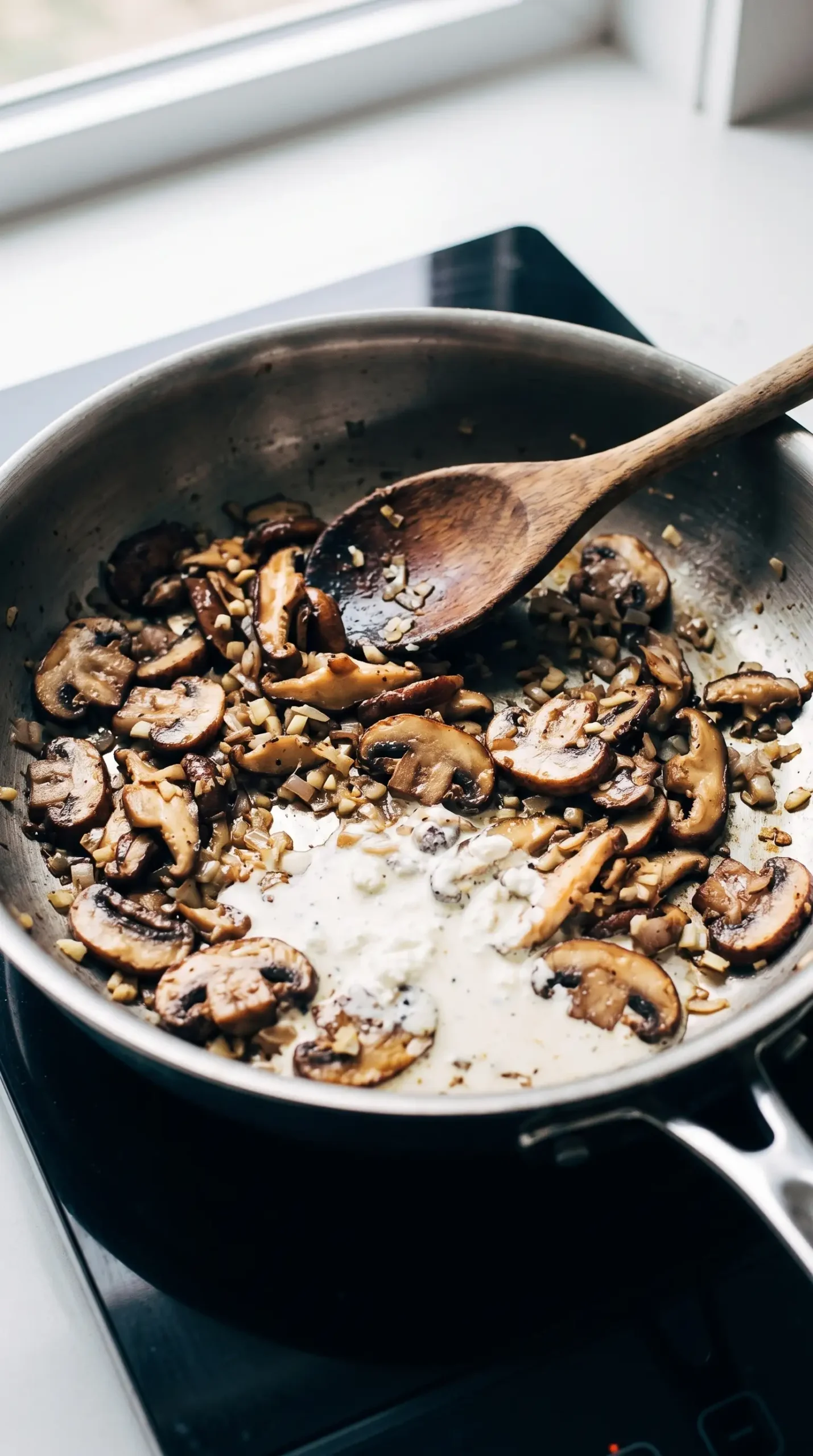
Successful mushroom pasta depends on paying attention to moisture and timing. Mushrooms naturally release water as they cook, and understanding mushroom moisture release and browning helps explain why giving them enough time in the skillet develops a more concentrated flavor before the cream and seasonings enter the pan.
Several small choices help guide the final consistency:
- Mushroom browning: Allow the sliced mushrooms to become golden and soft before building the sauce.
- Wine addition: Let the white wine sizzle with the aromatics so it blends into the mushroom mixture.
- Broth adjustment: Add some or all of the broth when the pasta needs a looser, more saucy finish.
Warm pasta is the ideal stage for finishing because Parmesan and goat cheese can blend more naturally into the surrounding sauce. Stirring the cheeses in at the right point helps preserve the creamy texture that defines farfalle pasta with mushrooms and goat cheese.
Mistakes that can derail mushroom goat cheese pasta
Several avoidable issues can change the texture and flavor of mushroom goat cheese pasta. Most problems come from rushed mushroom cooking, uneven sauce adjustment, or adding finishing ingredients without considering the temperature of the pasta.
Common trouble spots include:
- Undercooked mushrooms: Mushrooms that have not softened and browned enough may leave the dish with a watery texture and less developed flavor.
- Ignoring sauce consistency: Skipping the broth adjustment can leave the pasta either more concentrated or less saucy than desired.
- Adding goat cheese too early: Finishing with goat cheese while the pasta is warm helps it combine smoothly with the other components.
Careful observation solves these issues. The mushrooms should look reduced and golden, the pasta should have enough sauce to coat comfortably, and the cheese should contribute creaminess without disappearing completely.
Broth adjustments protect farfalle texture
Flexible broth additions allow each serving style to work, whether you prefer a thicker coating or a softer, more sauce-forward pasta. The farfalle can absorb some liquid as it sits, so adjusting the consistency near the end keeps the dish aligned with your preference.
Spinach and finishing cheeses complete the pasta
Fresh spinach and cheese additions are most effective when they are handled as finishing touches. The spinach joins the warm pasta near serving time, while goat cheese can be stirred through or placed on top for visible creamy bites.
Make-ahead and storage considerations for pasta leftovers
Pasta dishes with cream-based sauces often change texture after cooling because the sauce continues to cling to the noodles. For mushroom goat cheese pasta, gentle reheating and a thoughtful approach to moisture help maintain the character of the original meal.
Stored portions may benefit from a small amount of added liquid during reheating if the sauce has become thicker. The same broth adjustment idea used during finishing can help restore a smoother texture.
Preparing the components with care also makes leftovers more enjoyable. Keeping the mushroom flavor concentrated and avoiding overcooking the pasta at the beginning gives the dish more resilience when served again.
Helpful storage habits include:
- Cool promptly: Allow the pasta to move away from serving temperature before placing it into storage.
- Reheat gently: Warm portions gradually to protect the creamy sauce texture.
- Refresh thoughtfully: Add a little liquid if the pasta needs help loosening.
Serving ideas for a cozy pasta dinner
A bowl of farfalle pasta with mushrooms and goat cheese can stand on its own, but simple additions can shape the meal around the creamy pasta. A fresh side or a lighter accompaniment can balance the richness of the sauce.
Mushroom pasta finishes with a creamy, balanced bite
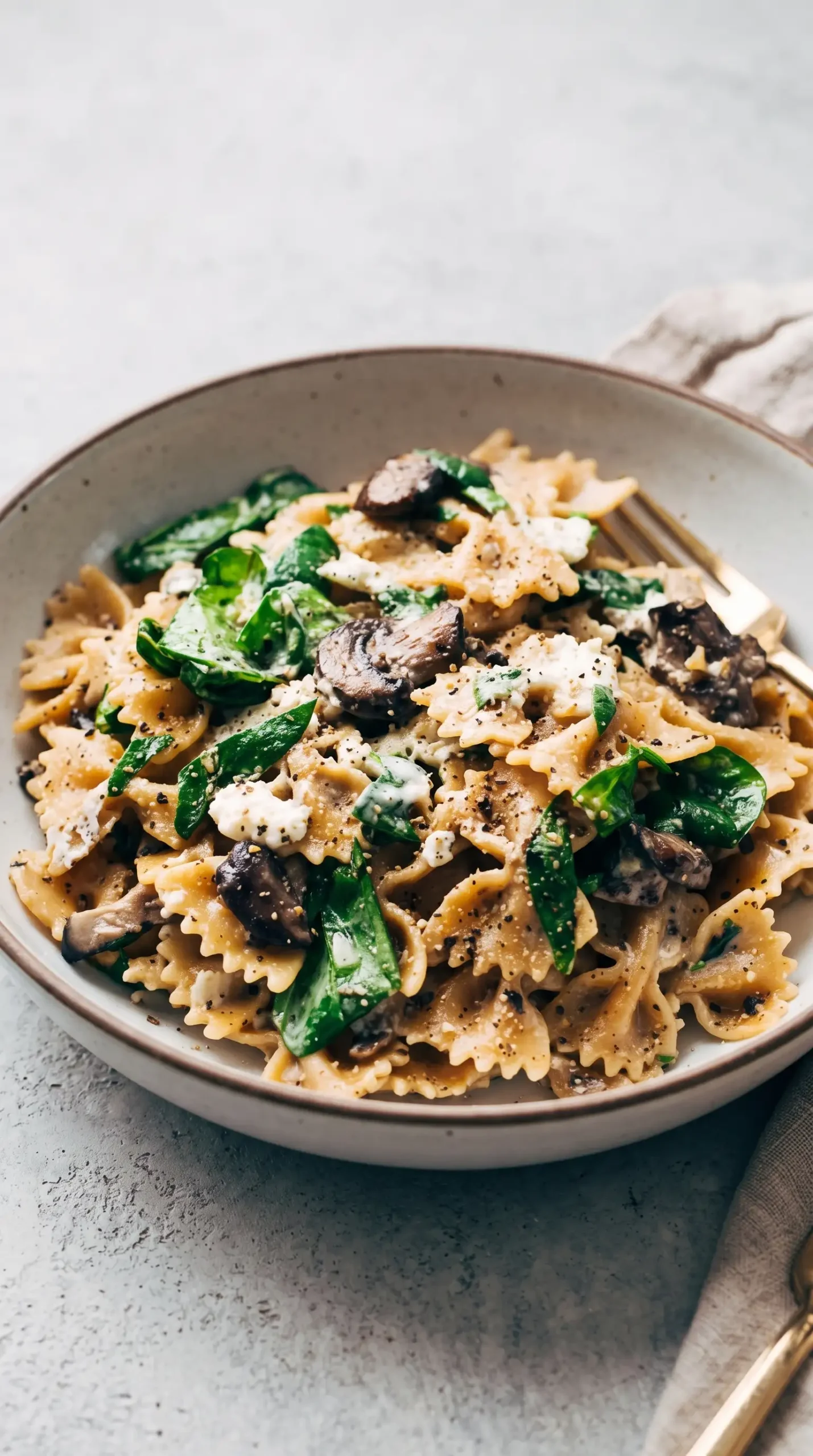
Golden mushrooms, warm farfalle, and tangy goat cheese create the central contrast that makes this pasta memorable. The most important cooking judgment is preserving the difference between richness and heaviness by controlling mushroom browning, sauce consistency, and the timing of the cheese additions.
The finished dish succeeds because each element remains recognizable while contributing to the whole. Cream brings softness, mushrooms bring depth, spinach brings freshness, and goat cheese provides the distinctive finish that turns a simple pasta dinner into something suited for a special evening.
Mushroom Goat Cheese Pasta Questions About Sauce and Storage
Can I make mushroom goat cheese pasta less rich?
Yes. Adjusting the amount of broth used when combining the pasta and sauce can create a lighter texture, while keeping the mushrooms and spinach prominent helps maintain flavor balance.
Why does my mushroom sauce seem too thick?
A thicker sauce can happen as pasta absorbs liquid. Adding some broth while the pasta is warm can loosen the consistency and help the sauce coat the farfalle more evenly.
Can I use different mushrooms in this pasta?
Yes. The recipe works with mushroom varieties that provide a similar sliced, sautéed texture. Choosing mushrooms that cook down well will preserve the intended savory base of the dish.
When should goat cheese be added to the pasta?
Goat cheese works best as a finishing ingredient when the pasta is still warm. This allows it to soften into the sauce while keeping its distinct tang and creamy texture.
What makes whole wheat farfalle a good choice here?
Whole wheat farfalle adds a hearty texture that pairs well with mushrooms and creamy sauce. Its shape also helps capture the sauce throughout each serving.
Mushroom Goat Cheese Pasta with Creamy Sauce and Spinach
Ingredients
Method
- Cook the pasta following the package directions, then drain and set aside.
- Warm the butter and oil in a large skillet or pot over medium high heat.
- Add the sliced mushrooms and cook for 5-10 minutes until softened and reduced.
- Stir in the garlic and white wine, then add the whipping cream and salt.
- Combine the cooked pasta with the mushroom sauce in a large pot.
- Add some or all of the broth as needed to reach the desired sauce consistency.
- While the pasta is warm, mix in the Parmesan cheese.
- Add the spinach and goat cheese just before serving, or top each serving with pieces of goat cheese.