
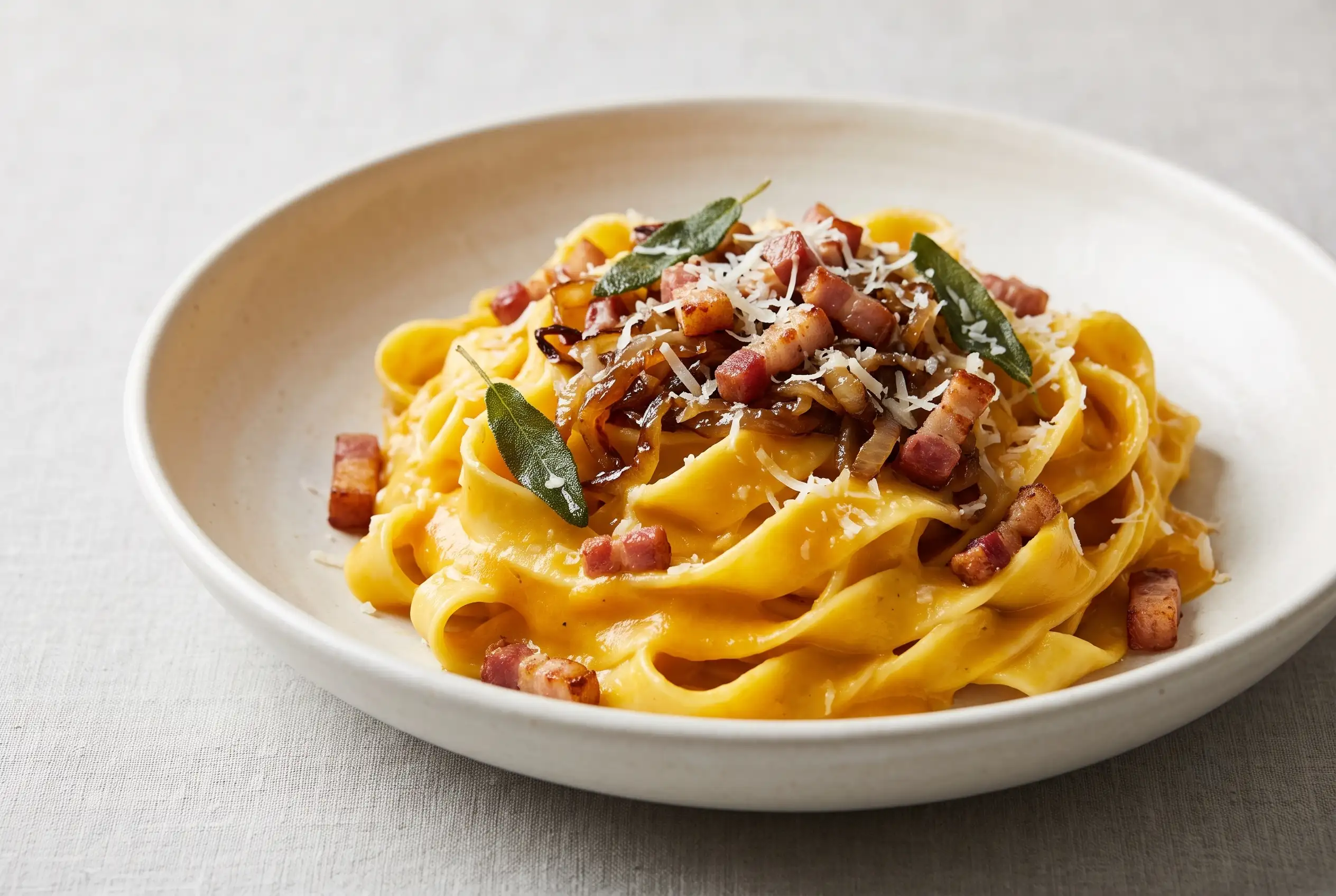
Squash fettuccine brings roasted butternut squash, silky pasta, caramelized onion, crispy pancetta, and Parmesan together in a dish that turns simple seasonal ingredients into a deeply satisfying dinner. The sauce gets its character from roasted squash blended with broth and garlic, creating a smooth coating that pairs naturally with wide pasta shapes.
Squash Fettuccine Creates a Creamy Seasonal Pasta Balance
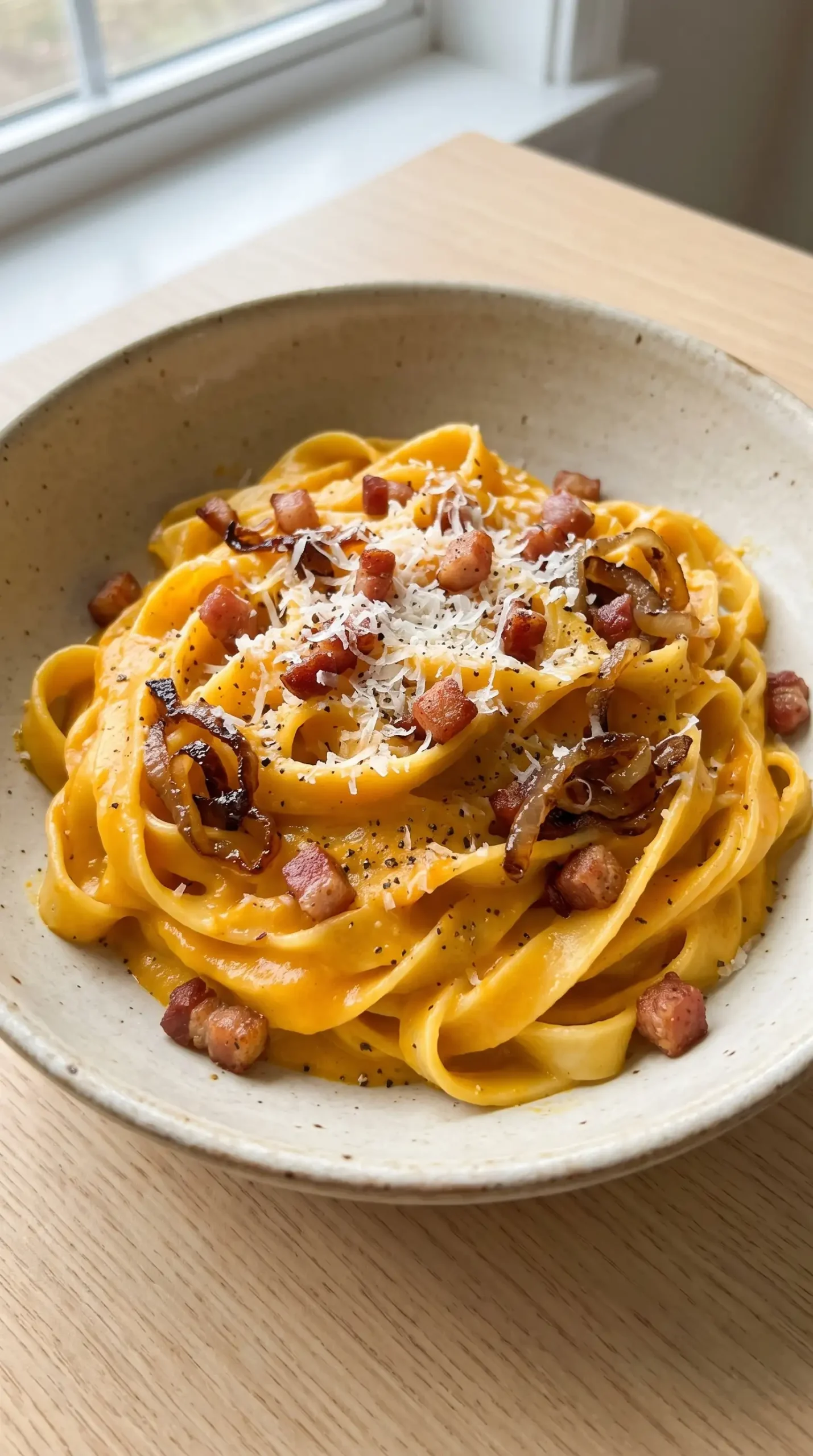
The appeal of squash fettuccine comes from the contrast between textures. The pureed squash sauce wraps around the noodles, while browned pancetta and caramelized onions add savory depth and small bites of concentrated flavor.
Unlike a heavy pasta sauce, the squash base keeps the vegetable flavor at the center. Roasting the squash before blending develops a richer taste and creates a smooth foundation that works with either fettuccine or pappardelle.
Roasted Squash Determines the Sauce Texture
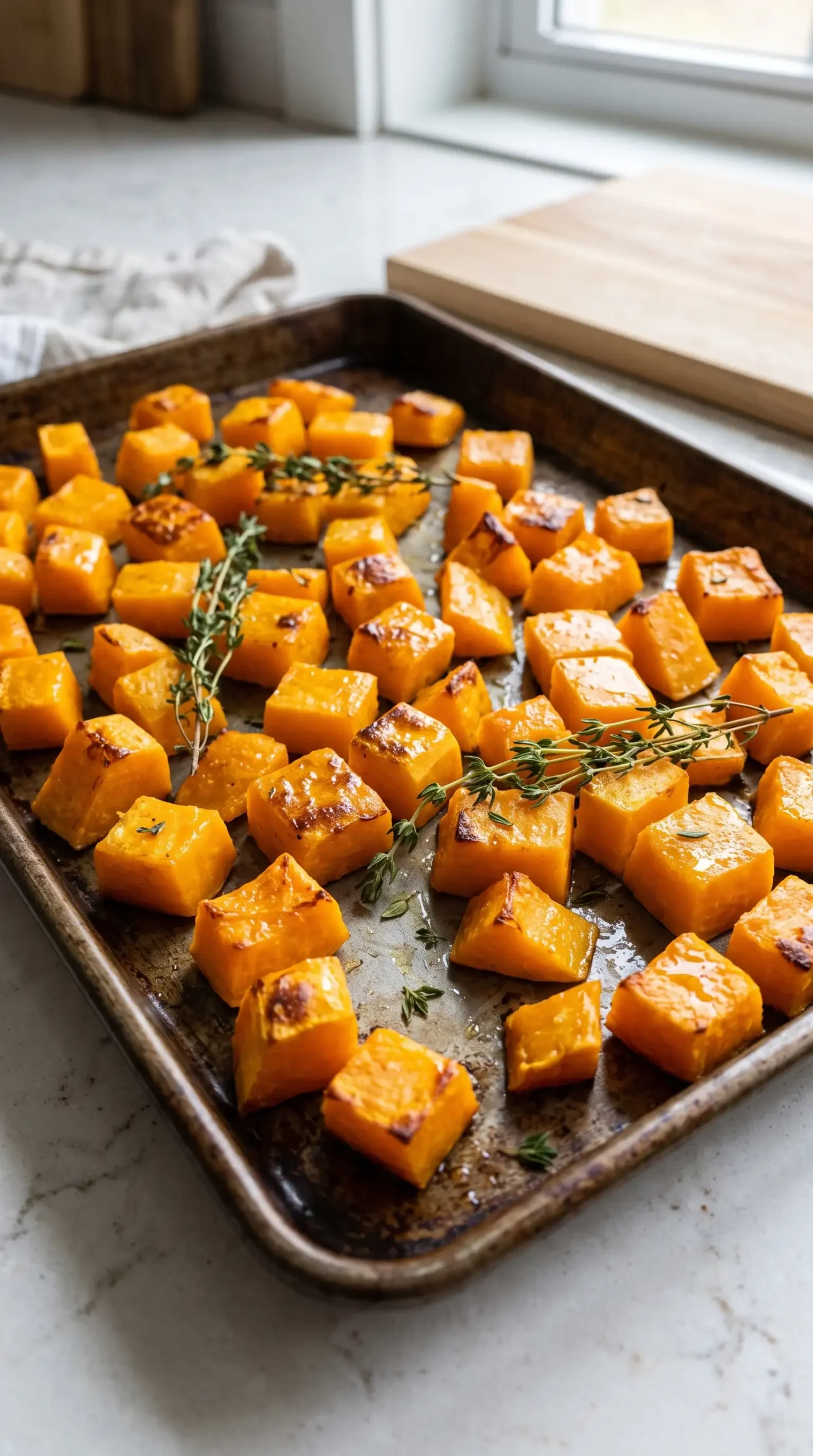
Roasting is the first major flavor decision for this creamy butternut squash pasta. The squash needs enough time in the oven to become soft and fragrant so it can blend into a sauce without a grainy texture.
The roasted pieces are combined with broth, garlic, and salt before blending, allowing the sauce to reach a consistency that can coat pasta evenly. A smooth squash puree helps every strand of fettuccine carry the squash flavor.
Using thyme during roasting adds an herbal note that remains subtle after blending. Removing the sprigs before processing keeps the sauce smooth while preserving the roasted aroma created during cooking.
Butternut Squash Choices Shape Creamy Pasta Results
Butternut squash works especially well because its naturally soft texture transforms into a velvety sauce after roasting and blending. Preparing extra roasted squash can create a useful base for meals beyond this dish, including creamy Parmesan squash pasta where the vegetable sauce remains central to the finished plate.
Caramelized Onion Squash Pasta Gains Depth Slowly
The onion layer in caramelized onion squash pasta depends on patience. Cooking the thin slices slowly in the pancetta grease allows them to soften, become fragrant, and develop a deeper color.
Rushing this step changes the character of the dish because the onions need time to move from sharp and firm to mellow and sweet. Their softer texture also helps them blend naturally with the squash sauce when tossed with pasta.
The same skillet that cooks the pancetta becomes a source of flavor for the onions. Keeping those browned savory notes in the pan creates a stronger connection between the sauce, pasta, and toppings.
Pancetta and Sage Build the Savory Finish
Crispy pancetta gives butternut squash fettuccine with pancetta its contrasting element, adding salty, browned pieces against the smooth sauce. Optional fried sage leaves provide another layer of texture and a classic pairing with squash.
Fettuccine Coating Depends on Cooking Control
Cooking control matters because the sauce needs to cling to the pasta instead of sitting separately. Adding the blended squash mixture to warm pasta over medium-low heat allows the flavors to combine gently.
A few practical choices make the tossing stage more successful:
- Gentle heat: Keep the pasta warm without aggressively cooking the sauce after blending.
- Even tossing: Coat the noodles carefully so the squash sauce reaches the full surface.
- Balanced finishing: Add toppings after plating so crispy elements remain distinct.
The optional cream can make the sauce feel richer, but the blended squash already provides the main creamy texture. Parmesan at the end adds a familiar savory finish without covering the roasted vegetable flavor.
Pasta Timing Mistakes Can Flatten Squash Fettuccine
Squash fettuccine can lose its best qualities when a few preparation choices work against the intended texture. Avoiding these mistakes keeps the sauce smooth and the toppings noticeable.
| Potential issue | What happens | Better approach |
|---|---|---|
| Under-roasted squash | The sauce may lack a soft texture and developed flavor | Roast until the squash is tender and fragrant |
| Fast-cooked onions | The onion flavor stays sharper and less rounded | Allow slow sautéing until caramel-colored |
| Overmixing toppings | Pancetta and sage lose their contrast | Add crisp toppings after plating |
Another common mistake is blending the squash before it has reached a tender roasted state. The blender can create smoothness, but it cannot replace the flavor developed through roasting.
Using too much heat after combining the sauce and pasta can also affect the finished texture. Warm mixing is enough to bring everything together while keeping the creamy coating intact.
Blender Technique Keeps Butternut Squash Sauce Smooth
The blended sauce is the defining feature of creamy butternut squash pasta. Processing the roasted squash with broth, garlic, and seasoning until smooth creates the consistency needed for a restaurant-style pasta finish.
Roasted Squash Extras Simplify Future Meal Preparation
Extra roasted squash can become a useful starting point for other meals. Saving the prepared vegetable reduces future cooking steps and allows the flavor of roasted squash to appear in different dishes.
Serving Details Highlight the Finished Fettuccine Plate
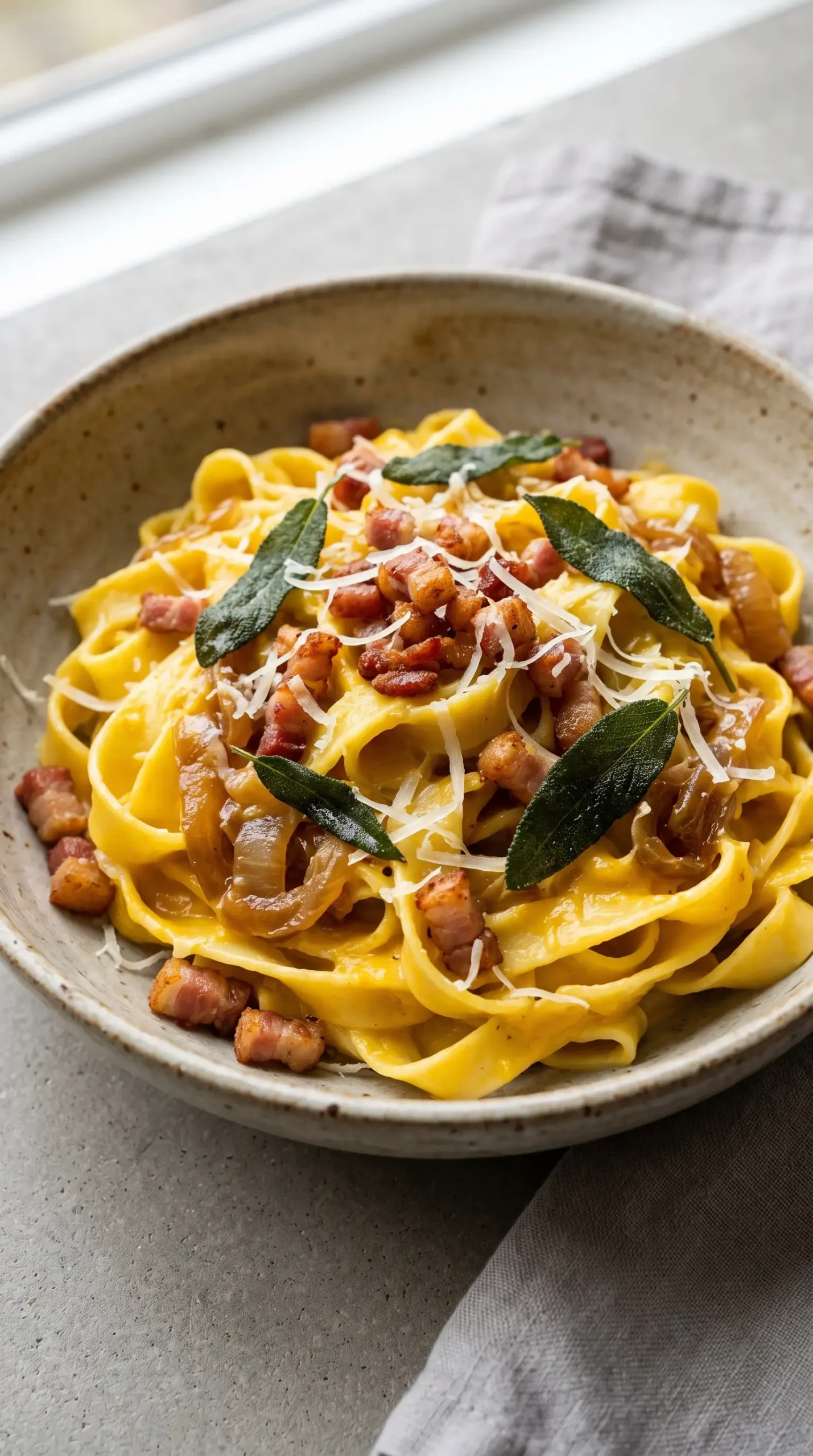
The finishing touches make the pasta feel complete. Spoonfuls of caramelized onion, crisp pancetta, optional sage, and freshly grated Parmesan create a layered presentation with different textures in every serving.
The wide shape of fettuccine or pappardelle gives the sauce plenty of surface area to cling to. This helps the creamy squash mixture stay present in each bite instead of collecting only at the bottom of the bowl.
A simple pasta dinner becomes more memorable when the finishing ingredients are added thoughtfully. Keeping some components crisp until the moment of serving preserves the contrast that makes the dish satisfying.
Fettuccine Variations Keep the Squash Sauce Flexible
Squash fettuccine can adapt within the boundaries of the original ingredients. Fettuccine and pappardelle both suit the sauce because their broad noodles support the creamy coating.
The cream can be included for additional richness or left out when the roasted squash texture is enough. The sauce remains centered on the roasted vegetable base either way.
Caramelized Onion Squash Pasta Rewards Careful Layering
Every major element in caramelized onion squash pasta has a different role: roasted squash creates the sauce, onions provide slow-cooked sweetness, pancetta adds crisp savory contrast, and Parmesan finishes the plate.
Squash Fettuccine Shows Why Slow Flavor Development Matters
Roasted squash sauce, patiently cooked onions, and carefully finished pasta create a dish where timing influences every part of the experience. The most important decisions happen before the first bite, from building flavor in the oven to preserving texture in the skillet.
Squash Fettuccine Questions About Sauce Texture and Preparation
Can squash fettuccine be made without heavy cream?
Yes. The roasted squash blended with broth already creates a smooth sauce, so the cream is an optional addition for a richer texture.
What pasta shapes work best with the squash sauce?
Wide pasta shapes such as fettuccine or pappardelle work well because they provide enough surface area for the blended squash sauce to coat the noodles.
How can the caramelized onions turn out properly?
Cook the thinly sliced onions slowly in the reserved pancetta grease until they become soft, fragrant, and caramel-colored instead of trying to brown them quickly over high heat.
Can roasted squash be prepared ahead of time?
Yes. Extra roasted squash can be saved and used later in meals such as soups, salads, stews, or curries, making the roasting step useful beyond one pasta dinner.
Squash Fettuccine with Caramelized Onion and Pancetta
Ingredients
Method
- Preheat the oven to 400°F (205°C). Arrange the squash on a baking sheet, coat with olive oil and a little salt, and add the thyme sprigs.
- Roast the squash for 20-30 minutes until tender and fragrant.
- Cook the pasta according to package directions, then drain and set aside.
- Cook the pancetta pieces in a skillet until crisp and browned. Remove the pancetta and reserve it for finishing the dish. Pour off the excess grease, leaving about 1 tablespoon in the pan.
- Reduce the heat and add the sliced onion to the pancetta grease. Cook for 20-30 minutes until the onion is soft, fragrant, and caramel-colored. If desired, fry the sage leaves in the same pan after removing the onions.
- Remove the thyme sprigs from the roasted squash. Blend the squash with the broth, garlic, and salt until smooth.
- Warm the cooked pasta in the onion pan over medium-low heat. Add the squash sauce and gently toss with the cream and about half of the caramelized onions.
- Divide the pasta among plates and finish with the remaining caramelized onions, pancetta, sage, and freshly grated Parmesan.