
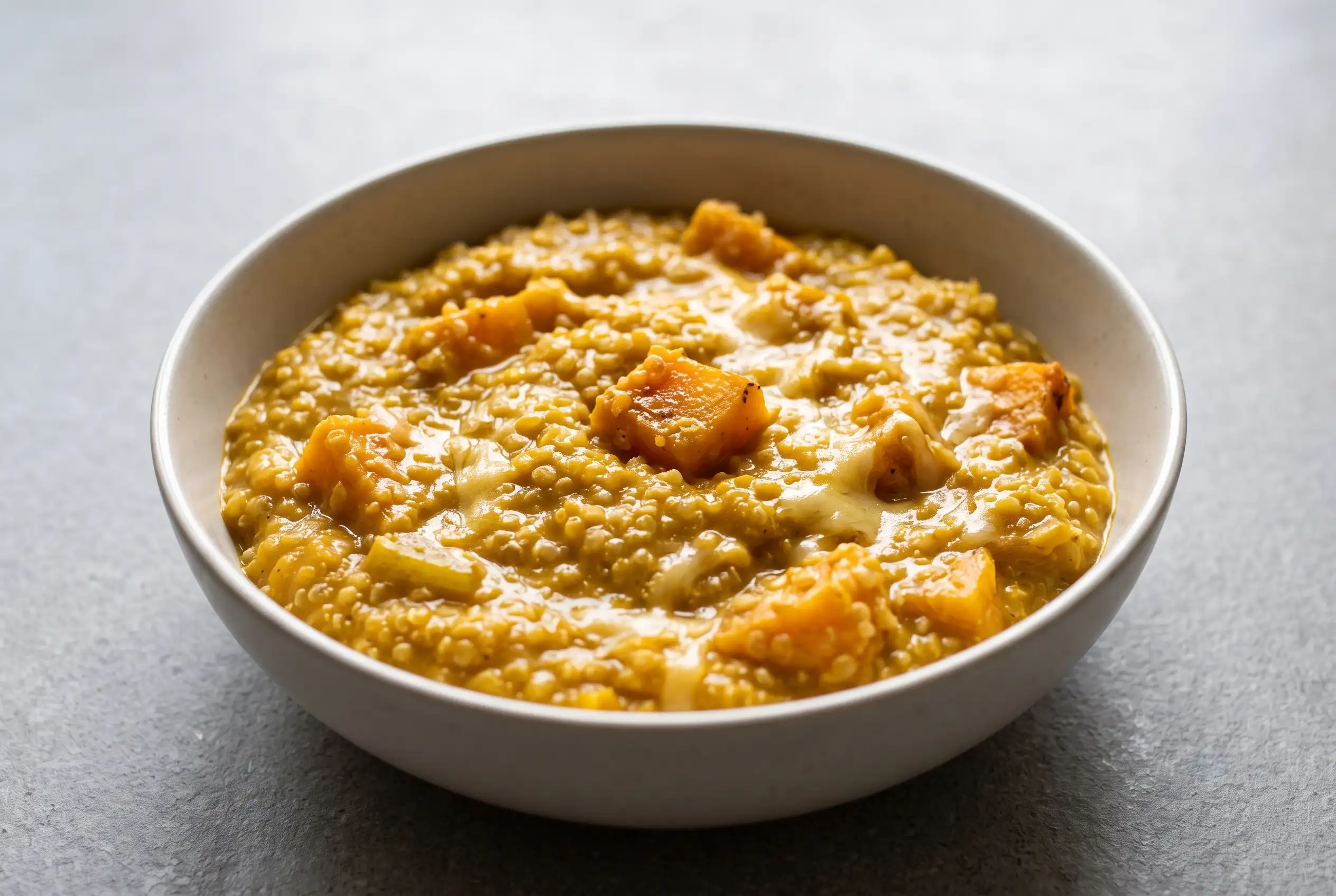
Squash curry quinoa brings together tender grains, blended squash, curry paste, coconut milk, and a savory cheese finish in a bowl built around contrasting textures. The creamy squash quinoa recipe works because the sauce is created from cooked vegetables blended into a smooth coating that surrounds each quinoa grain.
Across the dish, the squash becomes more than a vegetable addition. It changes the structure of the meal by creating a thick, spoonable sauce that carries curry flavor throughout the quinoa. The process creates a satisfying balance between soft squash, distinct grains, and small pieces reserved for extra texture.
Squash Curry Quinoa Builds Creamy Texture Through Blended Squash

Blended squash gives squash curry quinoa its signature consistency. Cooking the squash with garlic and onion allows those ingredients to soften together before they are transformed into a smooth sauce. The reserved cooking broth helps adjust the texture while keeping the flavor connected to the vegetables.
Unlike a sauce added separately at the end of cooking, the squash mixture becomes the main coating for the quinoa. The puree should have enough thickness to cling to the grains while remaining easy to stir through the bowl.
Careful blending also affects the eating experience. A thoroughly processed mixture creates a velvety finish, while reserved squash pieces provide occasional bites of vegetable texture. This combination prevents the finished dish from becoming completely uniform.
Butternut Squash Choice Shapes the Sauce Foundation
Butternut squash and Kabocha squash both support the creamy texture needed for butternut squash curry quinoa. The important choice is selecting a squash that cooks until tender enough to blend smoothly with the aromatics and broth.
- Butternut squash: creates a familiar sweet squash flavor and a smooth blended base.
- Kabocha squash: offers another option with a naturally dense texture suited to pureeing.
- Reserved pieces: add contrast when folded back into the quinoa before serving.
Curry Paste and Coconut Milk Define the Flavor Balance
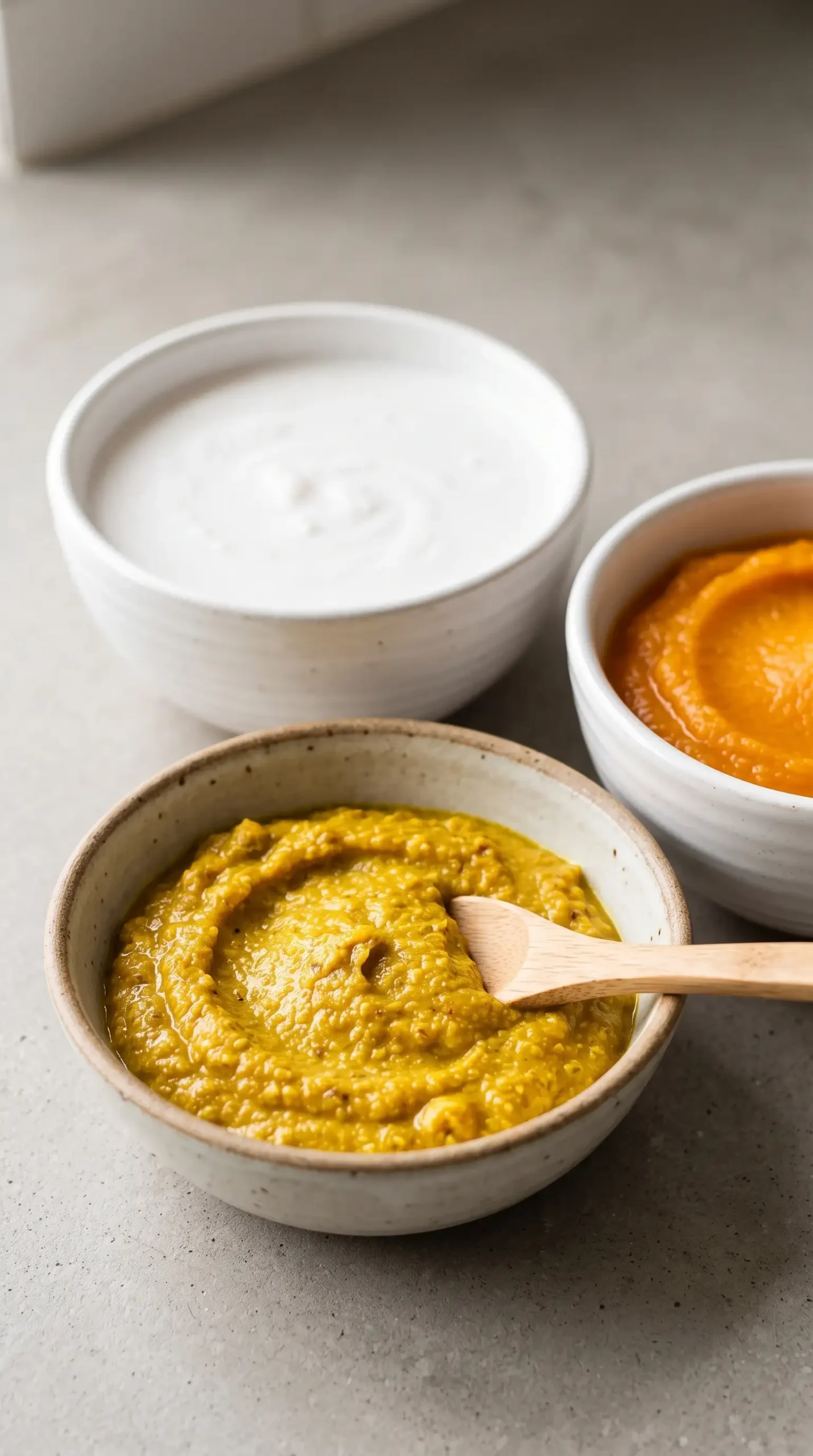
Yellow curry paste gives the sauce its central seasoning character, while red curry paste can also be used when a different curry profile is preferred. The amount blends into the squash mixture after the vegetables have already developed their soft texture.
Coconut milk contributes richness and helps round out the curry flavors. In squash curry quinoa, the coconut element works with the vegetable puree to create a smooth sauce without requiring a separate cream-based preparation. Vegetable-centered curry dishes such as sweet potato curry with coconut milk show how this ingredient pairing can create a satisfying base for hearty meals.
Flavor adjustments happen after the sauce meets the quinoa. Additional seasoning can be added at the end, allowing the cook to respond to the sweetness of the squash and the intensity of the curry paste.
Quinoa Absorbs the Creamy Squash Sauce
Quinoa provides the structure that turns the blended squash mixture into a complete meal. Cooking the grains with vegetable broth instead of water allows the base to carry more savory flavor before the sauce is introduced.
Once combined, the quinoa takes on the color and taste of the squash curry mixture while maintaining its individual texture. This relationship is what separates the dish from a simple vegetable puree.
Serving portions can be adjusted by how much sauce is folded through the grains. Extra squash pieces create more variation, while a fully combined mixture delivers a more consistent creamy bite.
Blending Technique Controls the Finished Consistency
The blender step determines whether the creamy squash quinoa recipe has a light coating or a thicker soup-like texture. adding liquid gradually gives better control because the puree can be adjusted while processing.
| Blending choice | Texture result | Best use |
|---|---|---|
| Less added broth | Thicker squash sauce | Creates a coating that clings closely to quinoa |
| More reserved broth | Looser consistency | Makes the bowl softer and easier to stir |
| Reserved squash pieces | Mixed texture | Adds noticeable vegetable bites throughout |
Small adjustments during blending matter because the sauce carries nearly every component together. A smooth puree also helps the curry paste, coconut milk, and seasoning distribute evenly.
Cooking Decisions That Improve Squash Curry Quinoa
Successful preparation depends on a few choices made during cooking. The squash needs enough tenderness to break down easily, while the quinoa needs a cooked texture that can support the creamy sauce.
- Check tenderness: soften the squash until it can be easily pierced before blending.
- Reserve texture: hold back some squash pieces if a chunkier bowl is preferred.
- Balance consistency: adjust the blended sauce with reserved broth before combining everything.
Kitchen timing also affects the finished bowl. Preparing the quinoa and sauce components so they meet at the right stage helps preserve the contrast between the creamy mixture and the separate grains.
Attention to consistency is especially important because the sauce continues to coat the quinoa after mixing. A puree that looks slightly loose can become more integrated once the grains are added.
Common Mistakes With Squash Curry Quinoa to Avoid
Squash curry quinoa can lose its best qualities when the sauce texture or seasoning balance is overlooked. The most common problems come from choices that affect blending, mixing, or the final texture.
- Thin sauce: adding too much broth at once can create a mixture that does not coat the quinoa well. Add liquid gradually while blending.
- Missing texture: blending every piece of squash removes the contrast that reserved pieces can provide.
- Uneven flavor: adding curry paste or seasoning without fully incorporating it can leave some bites stronger than others.
Another issue occurs when the squash is not softened enough before blending. Firm pieces can prevent the puree from becoming smooth and may require additional processing.
Preventing these problems does not require extra ingredients. The key is watching the sauce consistency, preserving optional squash pieces, and tasting the mixture before serving.
Serving Ideas Bring Out the Coconut Squash Quinoa
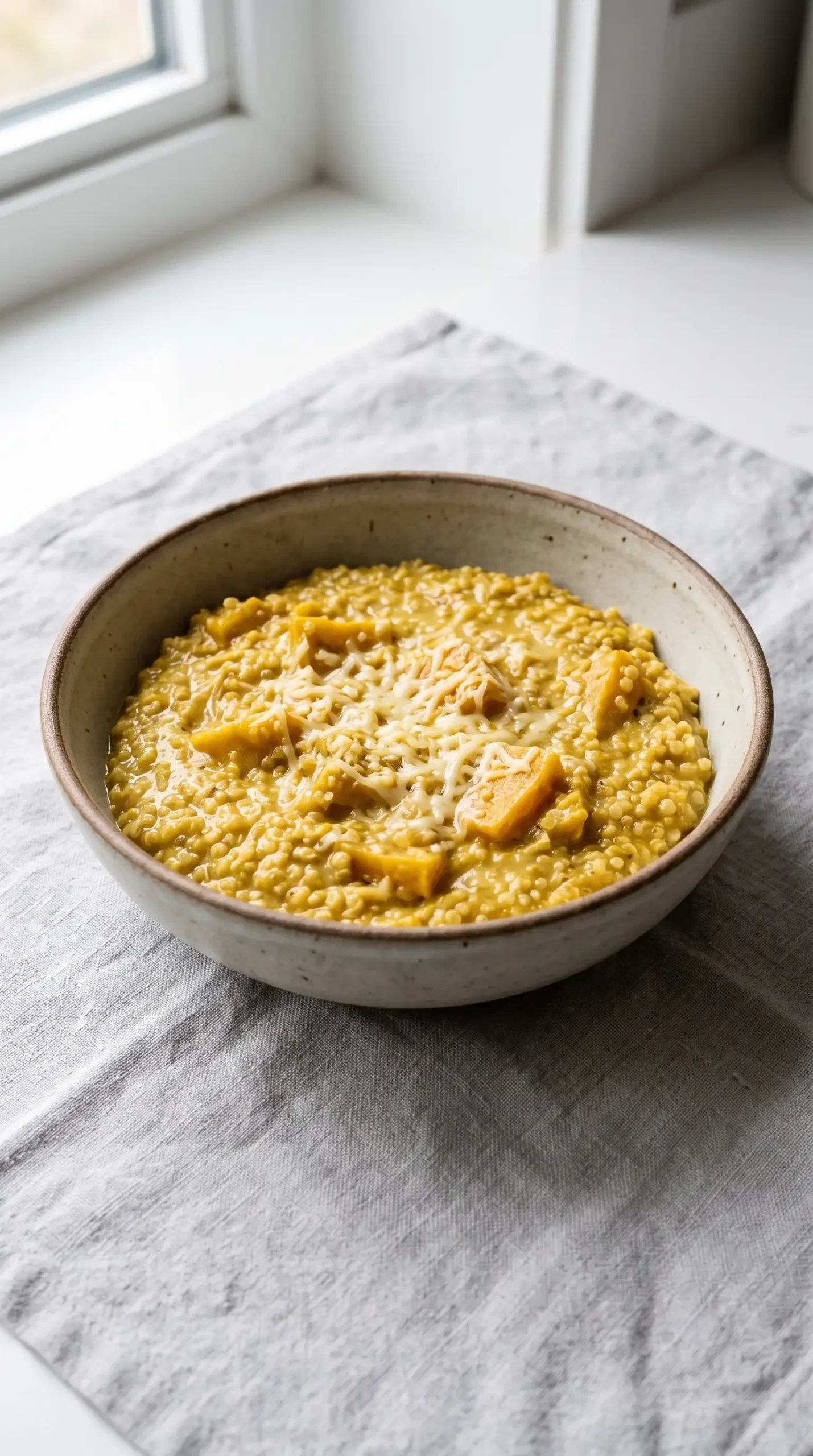
Coconut squash quinoa works well as a complete bowl because the creamy sauce already combines vegetables, grains, and rich flavors. The cheese stirred in at the end adds a savory finish that complements the curry seasoning.
Fresh herbs or additional seasoning can be used when a brighter finish is desired. The mild sweetness of squash gives flexibility for balancing the curry character with other simple additions.
Storage and Reheating Keep the Texture Balanced
Stored portions of squash curry quinoa may become thicker as the sauce settles into the quinoa. Stirring during reheating helps redistribute the creamy mixture throughout the grains.
Gentle warming is useful for maintaining the soft texture created by the blended squash sauce. If the mixture becomes too thick, a small amount of liquid can help loosen the consistency.
Cheese Choices Create the Savory Finish
Gouda and Maasdam are used in the original preparation, adding a smooth savory element after the squash sauce and quinoa are combined. Their flavor works alongside the curry seasoning without replacing the vegetable-based foundation.
Cheese selection changes the character of the bowl because different varieties can alter the richness and salt level. Adding it after the sauce is ready allows the cook to judge how much is needed for the desired finish.
Simple Adjustments Suit Different Squash Curry Quinoa Preferences
Squash curry quinoa can be adapted while keeping the main structure intact. The curry paste choice can shift between yellow and red versions, allowing the seasoning style to change without altering the preparation method.
Texture preferences also guide small changes. Some diners may prefer more visible squash pieces, while others may enjoy a fully blended sauce surrounding the quinoa.
A Bowl of Squash Curry Quinoa Connects Every Element
The strength of the dish comes from how separate preparations become one balanced bowl. The broth-cooked quinoa provides structure, the blended squash creates creaminess, and the curry paste and coconut milk shape the overall flavor.
Thoughtful handling keeps each part recognizable after combining. The sauce should support the grains, the squash should remain present, and the finishing cheese should complement the curry rather than dominate it.
Squash Curry Quinoa Delivers Its Best Texture Through Balance
The blended squash sauce defines squash curry quinoa by connecting creamy texture with the natural character of the vegetables. Maintaining control over puree consistency and preserving a few squash pieces creates a bowl with both smoothness and structure.
Combining the quinoa, curry-seasoned squash, coconut milk, and cheese works best when each element keeps its intended role. The result is a comforting dish where careful preparation determines how well the flavors and textures come together.
Questions About Squash Curry Quinoa Troubleshooting
Why is my squash curry quinoa sauce too thin?
A thin sauce usually comes from adding more liquid than needed during blending. Add reserved broth slowly and continue processing until the squash mixture has enough thickness to coat the quinoa.
Can I make squash curry quinoa with a different squash?
Yes, Kabocha squash can replace butternut squash because it also cooks into a texture suitable for blending. The important factor is that the squash becomes tender enough to create a smooth puree.
How can I keep the quinoa texture noticeable?
Keeping some squash pieces separate before blending helps create contrast, and combining the sauce gently with cooked quinoa helps the grains maintain their identity.
Can I change the curry flavor in the dish?
The curry profile can be adjusted by choosing yellow curry paste or red curry paste. The change affects the seasoning character while keeping the creamy squash base intact.
Creamy Squash Curry Quinoa with Coconut Milk Sauce
Ingredients
Method
- Cook the quinoa according to package directions, replacing the water with broth.
- Bring the remaining broth to a boil in a large pot. Peel and roughly chop the squash, garlic, and onion, then add them to the boiling broth. Add more water if needed to cover the squash, cover the pot, and cook for 10-15 minutes until the squash is fork-tender.
- Reserve a few cups of cooked squash pieces if you want chunks mixed into the finished quinoa.
- Transfer the cooked squash, garlic, and onion to a blender while keeping the broth in the pot. Blend until smooth, adding reserved broth as needed to reach a thick soup-like consistency.
- Add the curry paste, coconut milk, and salt to the blender, then blend again until the sauce is fully combined.
- Pour the squash sauce over the cooked quinoa and mix in the reserved squash pieces and cheese. Adjust seasoning with additional salt, pepper, or herbs as needed.