
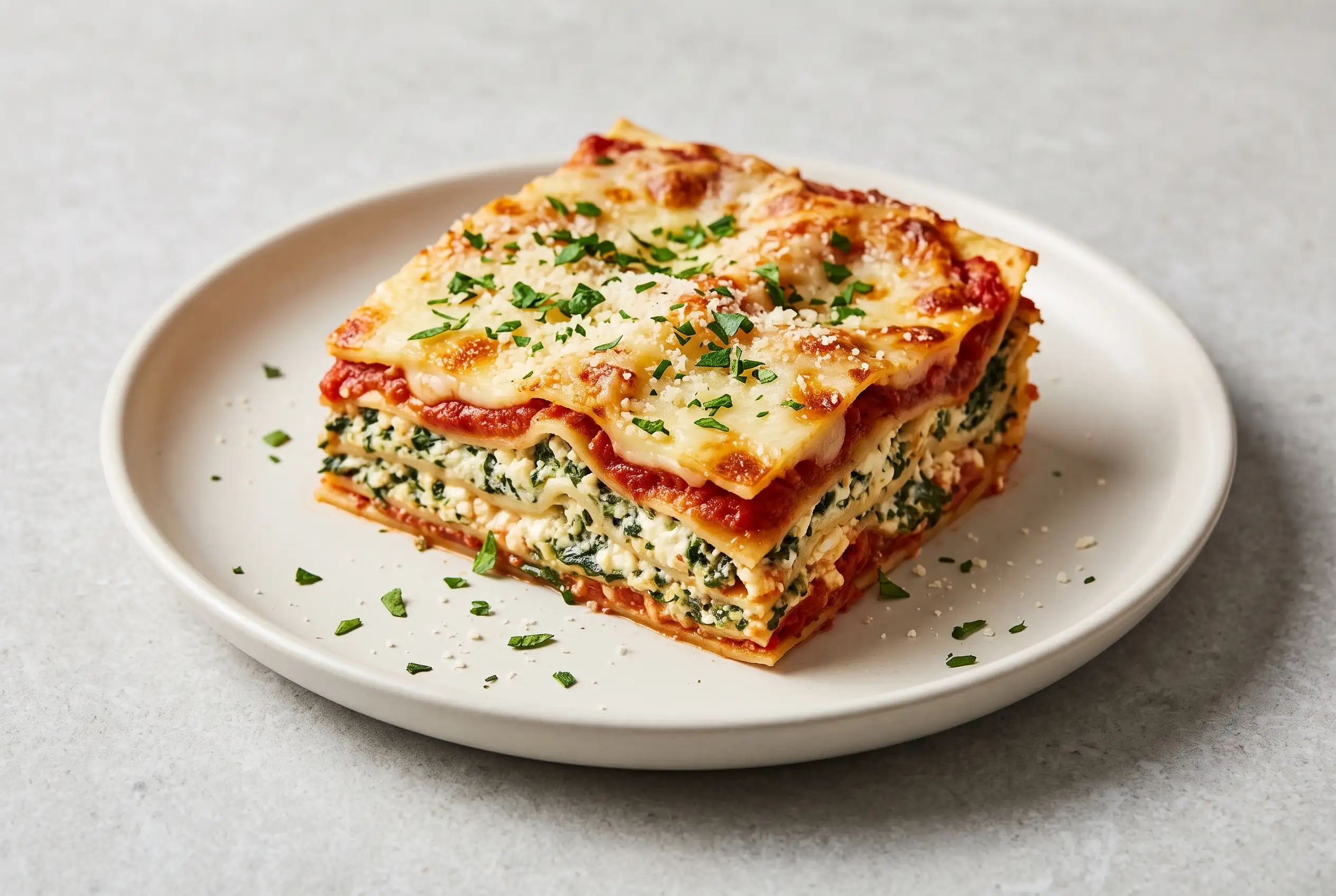
Lasagna florentine brings together tomato sauce, spinach, cottage cheese, and melted mozzarella in a layered pasta bake that balances richness with fresh vegetable flavor. The creamy tomato lasagna style works because the filling is blended into a smooth texture while the spinach keeps the interior bright and savory.
Built around oven-ready noodles and a seasoned cottage cheese mixture, lasagna florentine creates a dish where each layer has a specific role. The tomato sauce keeps the pasta tender, the cheese mixture adds body, and the browned mozzarella provides a familiar baked finish.
Lasagna Florentine Creates Layers of Tomato and Spinach
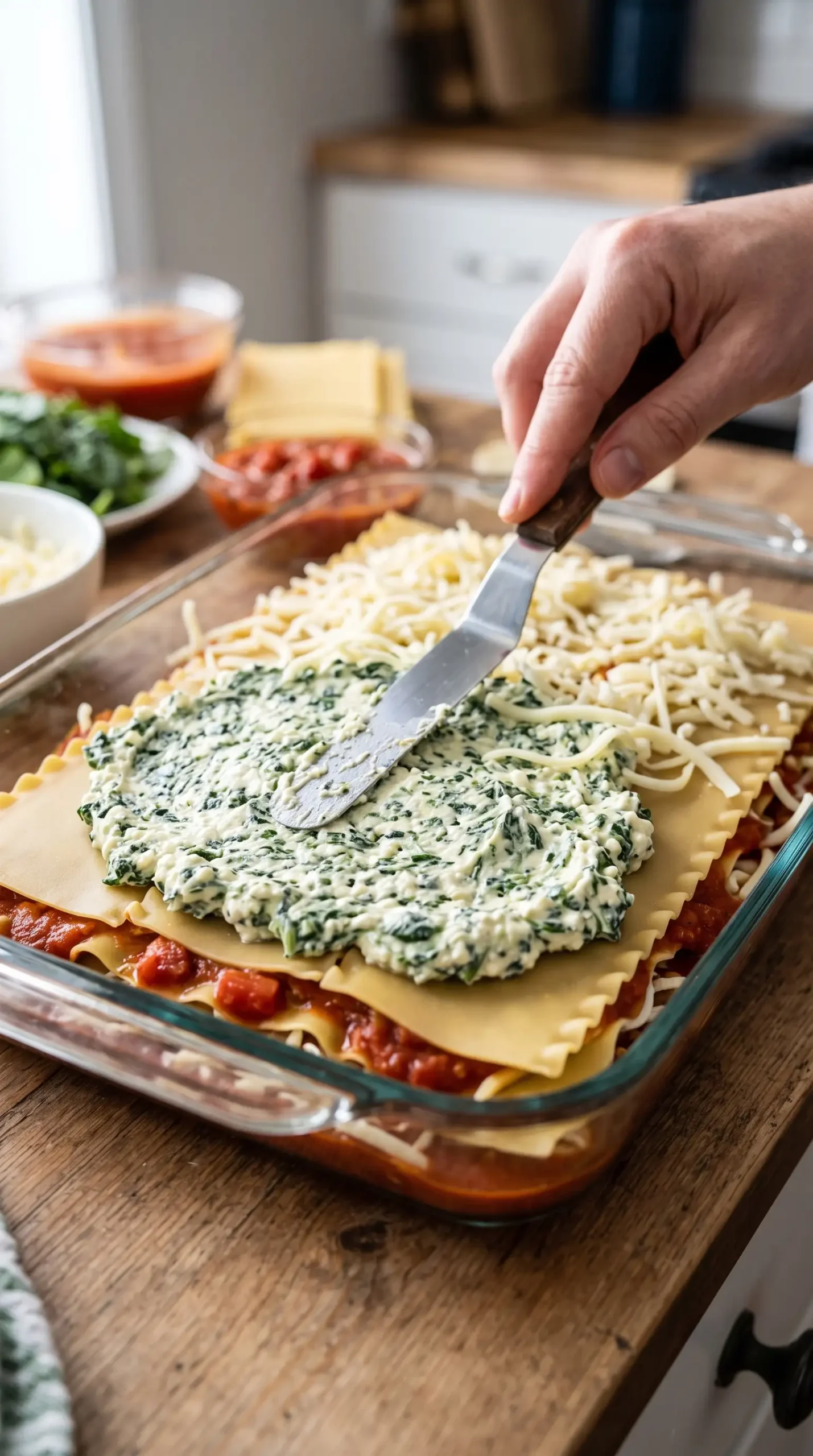
Classic layered structure makes lasagna florentine different from a simple pasta casserole. The noodles create a firm foundation, while the spinach filling sits between tomato-coated sections to distribute flavor throughout the pan.
Blending cottage cheese until mostly smooth changes the texture of the filling, allowing it to spread easily between layers. Eggs help bind the mixture, while Parmesan, oregano, Italian seasoning, nutmeg, and lemon juice create a savory profile that supports the tomato sauce.
Balanced portions matter during assembly because too much filling in one area can make slices difficult to serve. Even layers help the noodles cook properly and allow the mozzarella topping to brown consistently.
Cottage Cheese Defines the Creamy Spinach Filling
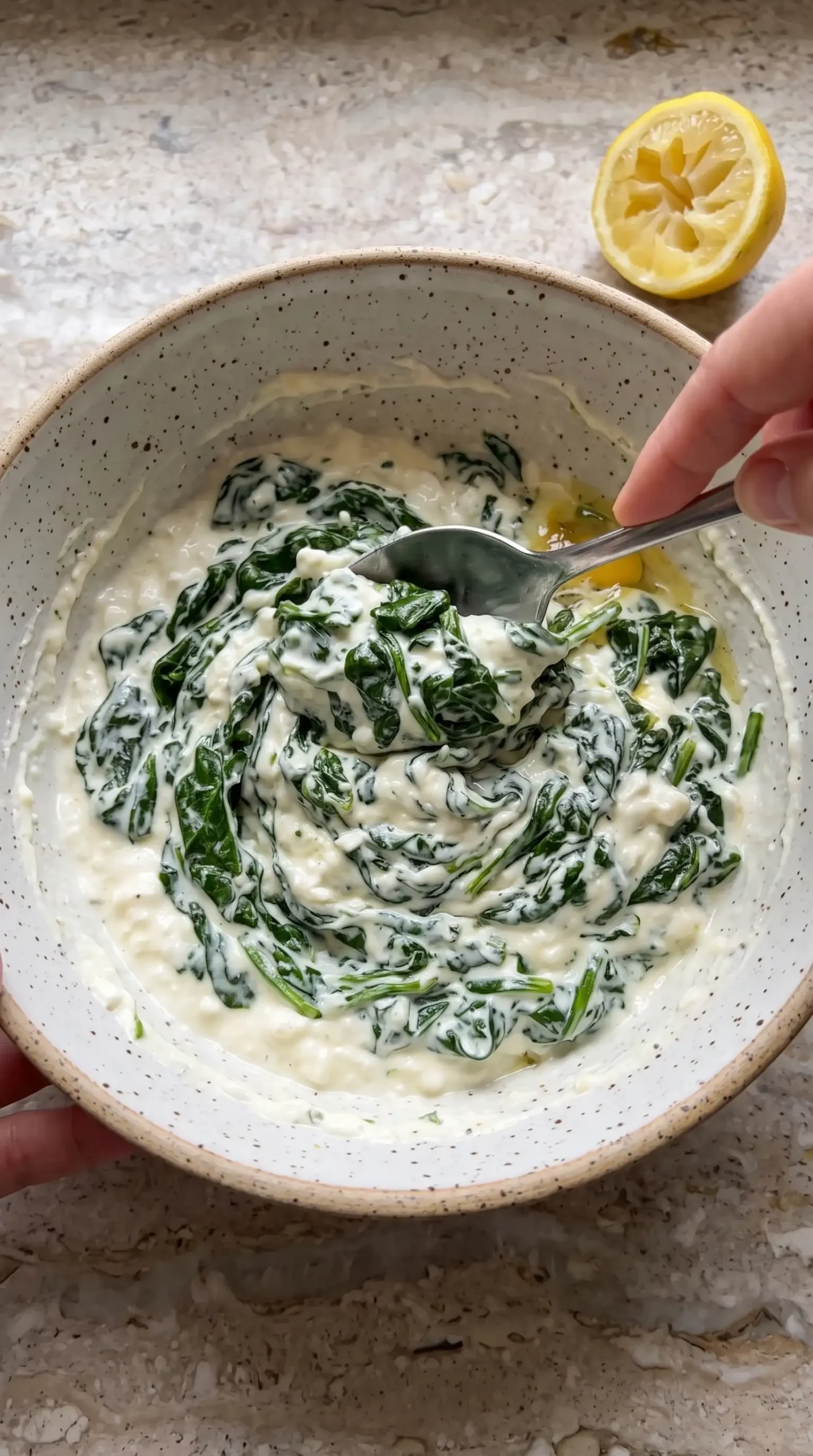
Creamy texture comes from the cottage cheese base, which is processed before being combined with the other filling ingredients. The blended mixture creates a smooth center for spinach lasagna with cottage cheese while keeping the vegetable component integrated, a texture-focused detail shared by creamy cheese-based pasta preparations.
- Smooth texture: Blending cottage cheese reduces large curds and creates a spreadable filling.
- Seasoning balance: Parmesan, herbs, nutmeg, and lemon juice build flavor without overpowering the spinach.
- Binding structure: Eggs help the filling hold together between pasta layers during baking.
Fresh spinach is lightly wilted before it joins the cheese mixture, which helps control its texture inside the assembled lasagna. A brief cooking step lets leafy greens wilt down into a tender vegetable while keeping their flavor present.
No-Boil Noodles Need Sauce Coverage and Balance
Oven-ready noodles rely on moisture from the surrounding sauce and filling to soften during baking. Creamy tomato lasagna works best when the pasta has enough tomato sauce around it to hydrate without leaving dry edges.
| Layer element | Role in the bake | Key consideration |
|---|---|---|
| No-boil noodles | Create the pasta structure | Need surrounding moisture |
| Tomato sauce | Softens pasta and adds flavor | Spread evenly across layers |
| Cheese filling | Adds creamy interior texture | Distribute consistently |
Careful sauce placement prevents sections of exposed noodles from becoming firm. Covering the pasta with sauce and filling also helps the assembled layers hold together after resting.
Spinach Preparation Shapes the Florentine Texture
Wilted spinach gives lasagna florentine its recognizable vegetable layer while avoiding a bulky raw spinach texture. The leaves only need to soften before they are mixed into the prepared filling.
Garlic cooked briefly in olive oil creates the starting flavor for the spinach mixture. Adding the leaves after the garlic has softened allows the vegetable component to absorb seasoning without becoming heavily cooked.
Assembly Choices Keep Creamy Tomato Lasagna Even
Layering decisions influence how easily the finished bake can be sliced and served. Spreading a small amount of sauce first creates a moist base, then repeating noodles, sauce, spinach filling, and mozzarella builds a consistent structure.
Organized assembly also prevents one section from containing all of the creamy filling or cheese. Each serving of creamy tomato lasagna benefits from having visible pasta, tomato, spinach, and melted cheese together.
- Prepare a sauce-covered base before adding the first noodles.
- Spread the spinach and cottage cheese mixture across the pasta surface.
- Finish with noodles, sauce, and mozzarella so the top develops a browned cheese layer.
Oven Control Protects the Baked Cheese Finish
Controlled baking is the main execution point for baked spinach tomato lasagna. Covering the pan during the first stage protects the cheese surface while the interior heats and the layers come together.
Removing the cover later allows the mozzarella to brown. Watching the surface at this stage helps achieve a melted topping with lightly golden areas instead of an overly dark finish.
Resting after baking improves slicing because the layers have time to settle. Cutting immediately can cause the filling to spread before the structure has a chance to firm.
Common Mistakes That Affect Lasagna Florentine Results
Lasagna florentine depends on a few preparation details that are easy to overlook. Avoiding these specific issues helps maintain the intended creamy center and balanced layers.
- Uneven filling: Spread the cottage cheese mixture across the noodles so slices contain a consistent amount.
- Dry noodle edges: Keep oven-ready noodles covered with sauce or filling during assembly.
- Overcooked spinach: Wilt the leaves briefly so the vegetable layer stays pleasant in the finished dish.
- Sticking cheese: Use greased foil when covering the pan so the mozzarella surface remains intact.
Small corrections during preparation have a noticeable effect because every layer remains exposed after slicing. The most successful results come from protecting moisture and maintaining even distribution.
Serving Cuts Reveal the Spinach Lasagna with Cottage Cheese Structure
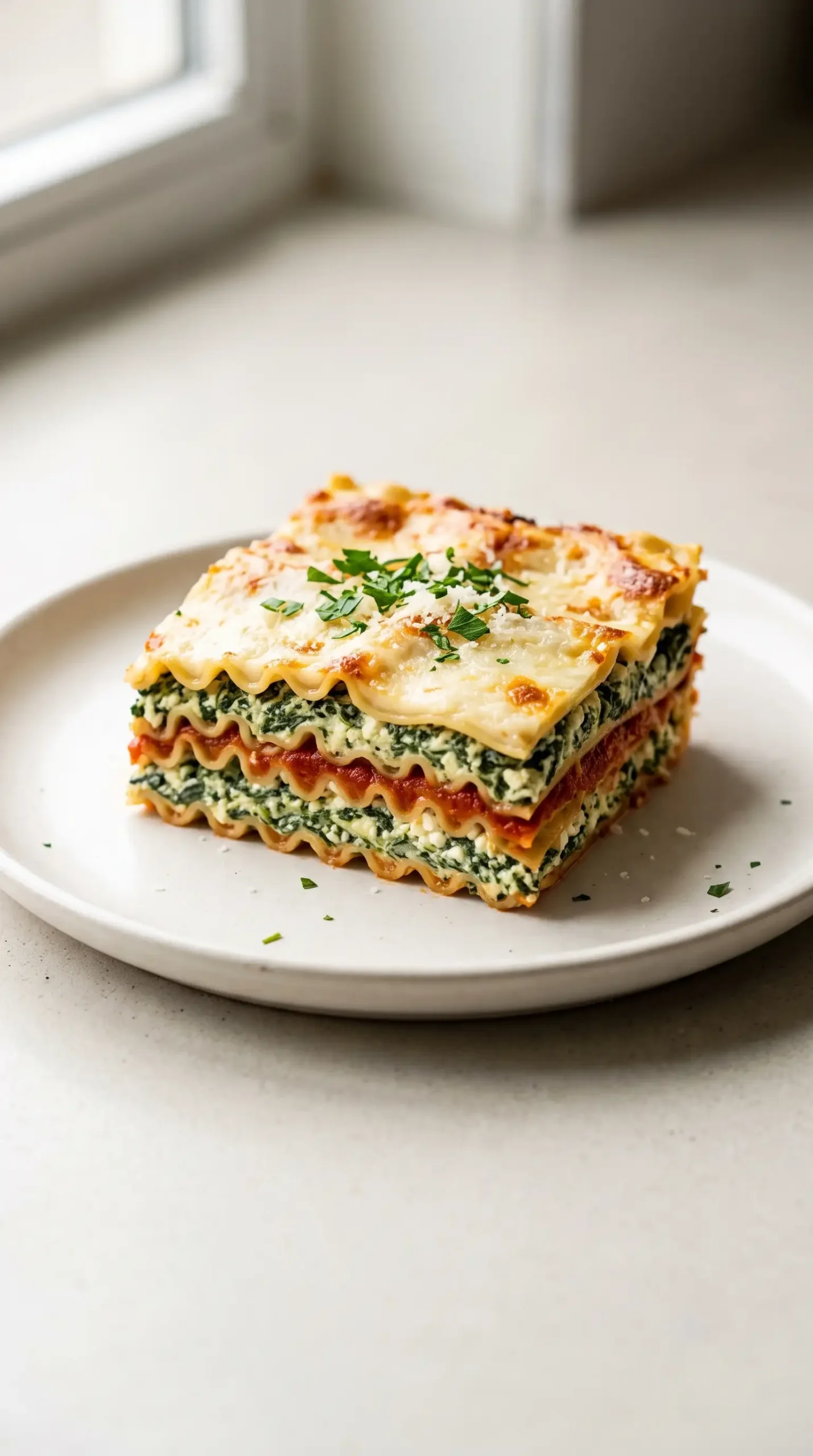
Rested slices show the contrast that defines spinach lasagna with cottage cheese. The creamy filling stays between pasta layers, while the tomato sauce and mozzarella create the familiar appearance of a baked Italian-inspired dish.
Fresh parsley and grated Parmesan added at serving provide a finishing touch that complements the baked layers. The toppings highlight the herbs and cheese already present inside the lasagna.
Ingredient Swaps That Preserve Lasagna Florentine Character
Small adjustments can fit personal preferences while keeping the identity of lasagna florentine intact. The recipe already includes flexibility through optional ground flaxmeal and seasoning adjustments based on salt levels.
Non-salted Italian seasoning may need additional salt to match the intended flavor balance. Keeping the seasoning measured and gradual allows the tomato sauce, spinach, and cheese to remain distinct.
Make-Ahead Decisions for Baked Spinach Tomato Lasagna
Baked spinach tomato lasagna can be approached as a prepared layered meal because its structure comes from assembled components. Keeping the layers organized before baking helps maintain the same balance achieved during immediate preparation.
Cooling and slicing require patience because the creamy center needs time to settle. This is especially important for a dish with multiple soft layers that rely on cheese and sauce for cohesion.
Lasagna Florentine Brings Creamy Layers Into One Balanced Bake
Lasagna florentine succeeds when moisture, texture, and seasoning remain balanced from the noodle base to the browned mozzarella surface. The blended cottage cheese filling, lightly wilted spinach, and tomato sauce work together to create a layered pasta dish with a creamy interior and structured slices.
Careful attention to sauce coverage and baking control keeps the pasta tender while preserving the contrast between the smooth filling and melted cheese topping. Those decisions shape a finished lasagna that feels complete in every portion.
Lasagna Florentine Questions About Filling, Baking, and Storage
Can cottage cheese make lasagna filling creamy?
Yes, blended cottage cheese creates a smoother filling texture for lasagna florentine. Processing the cottage cheese before mixing it with eggs, Parmesan, and seasonings helps it spread more evenly between the noodles.
Why does spinach need to be wilted before adding it?
Wilted spinach fits more naturally into the filling because the leaves become softer and easier to distribute. Brief cooking also helps the spinach blend with the cheese mixture instead of creating a separate bulky layer.
How can oven-ready noodles cook properly in lasagna?
Oven-ready noodles need moisture from sauce and surrounding layers to soften. Keeping tomato sauce and filling distributed around the noodles helps them cook evenly during baking.
Can ground flaxmeal be left out of the filling?
Ground flaxmeal is optional in the filling, so it can be omitted without changing the main ingredients or structure described for the lasagna. The eggs and cheese mixture still provide the primary binding elements.
Why should lasagna rest before slicing?
Resting allows the layered filling, noodles, and cheese to settle together. Waiting before cutting makes it easier to serve portions that keep their shape.
Lasagna Florentine with Creamy Tomato Spinach Filling
Ingredients
Method
- Preheat the oven to 350°F (177°C). Heat olive oil in a medium pan over medium-high heat, then cook the garlic for 1-2 minutes. Add the spinach and stir until it is just wilted. Remove from heat and set aside.
- Process the cottage cheese in a blender or food processor until mostly smooth. Transfer to a bowl and combine with eggs, flaxmeal, oregano, Italian seasoning, nutmeg, lemon juice, and Parmesan cheese. Mix in the prepared spinach and set the filling aside.
- Coat a 9×13 baking dish with nonstick spray. Spread a few spoonfuls of tomato sauce over the bottom, then arrange 3 noodles on top. Add about 1 cup sauce, 1 cup spinach filling, and 3/4 cup Mozzarella cheese. Repeat for three full layers.
- Finish with the remaining three noodles, 1 cup sauce, and 1 cup Mozzarella cheese. Cover the dish with greased foil to prevent the cheese from sticking.
- Bake the covered lasagna for 40 minutes. Remove the foil and continue baking for another 10 minutes to brown the cheese, or use the broiler to brown the top.
- Remove from the oven and allow the lasagna to rest for 15 minutes before slicing and serving.
- Top slices with chopped fresh parsley and grated Parmesan cheese before serving.