
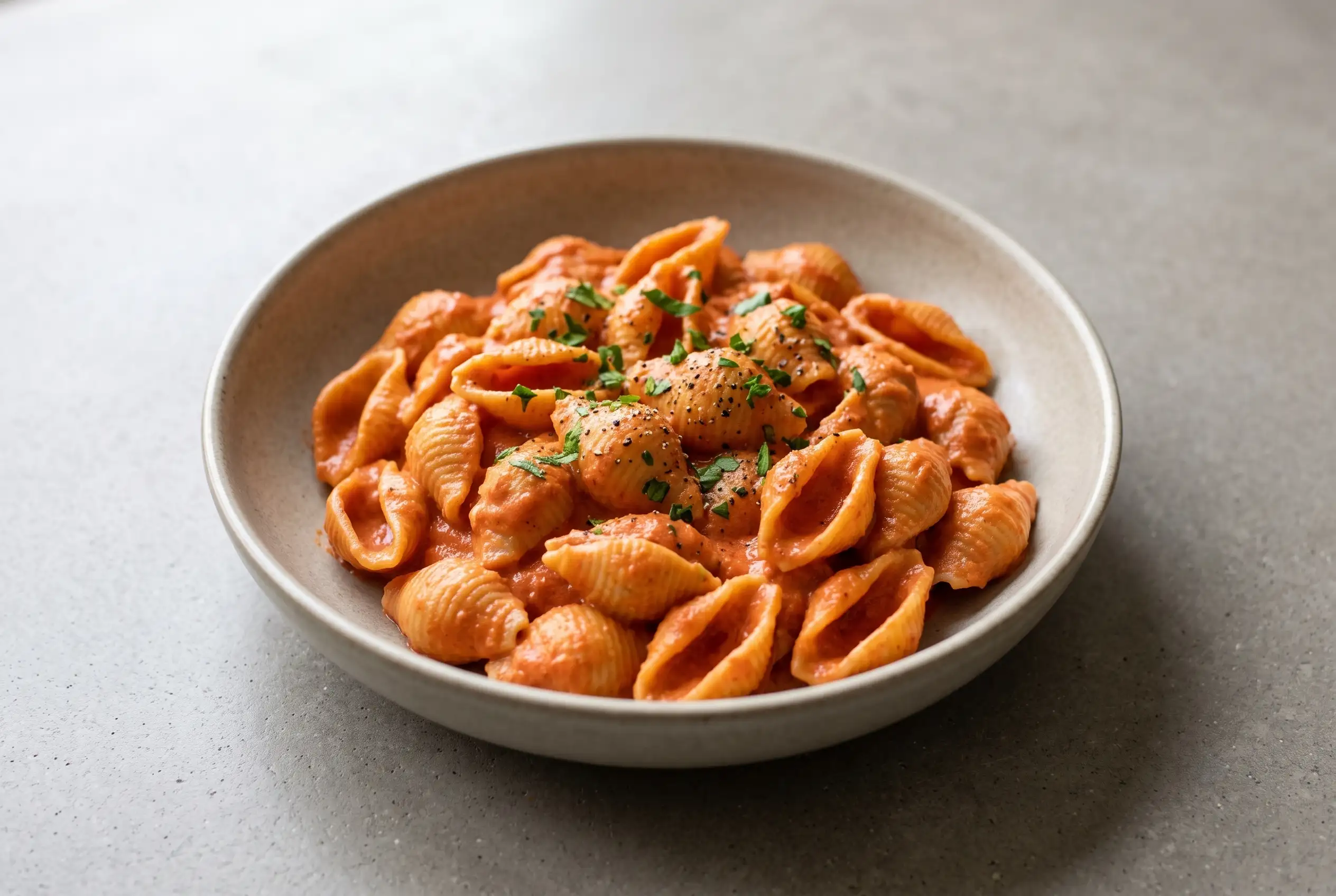
Creamy tomato shells bring together the familiar comfort of pasta, a rich tomato base, and a blended cashew cream that changes the texture of a simple dinner. The combination creates a smooth bowl of pasta that feels indulgent while relying on a short ingredient list. The appeal of creamy tomato shells comes from the contrast between tender pasta shapes, savory sauce, and the silky mixture folded in at the end.
Unlike a traditional cream sauce built around dairy, the cashew blend gives this pasta its body after being processed with water until completely smooth. The result is a version of creamy tomato pasta shells that keeps the tomato flavor visible while adding a velvety coating that clings to every curve of the noodles.
Creamy Tomato Shells Make Simple Pasta Feel Complete
Short pasta shapes have a natural advantage in sauce-based meals because their curves collect flavorful coatings. Creamy tomato shells use that shape to hold onto the tomato sauce and cashew mixture, creating a balanced bite without requiring many additions.
Many quick pasta dishes depend on multiple toppings or finishing ingredients, but this combination gets its character from how the sauce changes during preparation. The tomato sauce provides the familiar savory foundation, while the blended cashews soften the edges and create a smoother finish.
Kitchen decisions still matter even with a short ingredient list. Choosing a pasta shape that captures sauce, blending the cashews thoroughly, and warming the mixture gently all influence the finished bowl. These small details allow a simple pantry-style meal to feel thoughtfully prepared.
Cashew Cream Pasta Shells Depend on Blending Texture
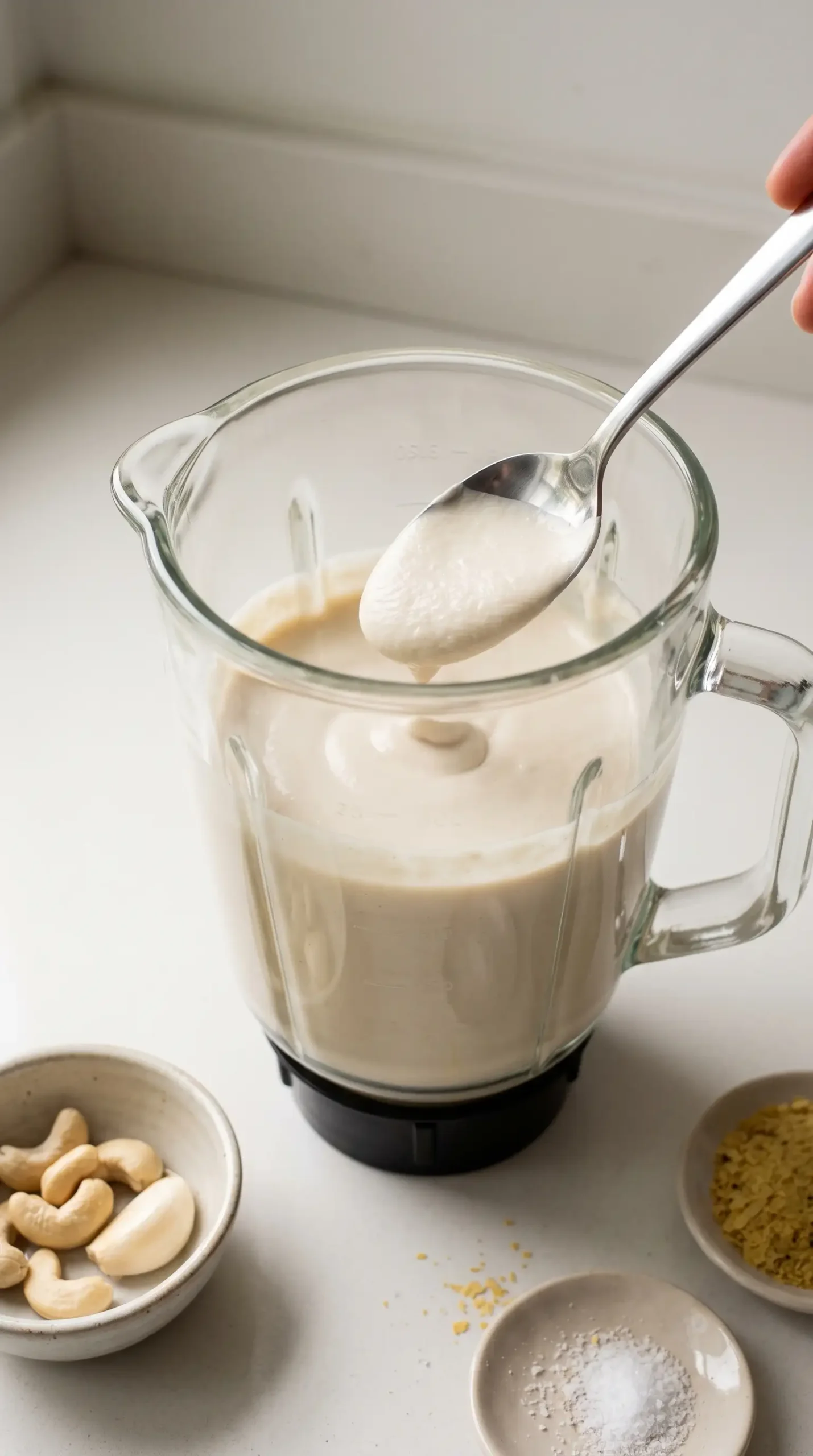
Cashew cream pasta shells succeed because the blended cashew mixture is treated as a texture-building element instead of just an added flavor. When the nuts are processed with water until smooth, they create a creamy consistency that can combine with tomato sauce without overwhelming it.
Blender technique has a noticeable effect on the sauce. A rough blend leaves small pieces that interrupt the smooth coating, while a longer blend creates a more uniform texture that spreads throughout the pasta. The optional garlic and seasonings can be included during blending so their flavors distribute evenly.
For an even smoother cashew cream, soaking cashews before blending can soften the nuts and help them process into a more uniform mixture. This extra step is especially useful when creating the silky texture needed for creamy tomato shells.
Extra blended cashew cream can remain useful beyond one meal. Saving a portion opens the door for another sauce, spread, or creamy preparation where a smooth nut-based mixture can add richness.
Tomato Sauce Choices Shape the Creamy Finish
The tomato sauce selected for creamy tomato shells determines much of the final flavor direction. A roasted garlic tomato sauce brings a deeper savory note, while vegetable-based sauces can add sweetness and depth alongside the creamy cashew texture, as shown in vegan red pepper pasta with its blended pepper and tomato foundation.
| Sauce choice | Effect in the pasta | Best pairing approach |
|---|---|---|
| Roasted garlic tomato sauce | Adds a richer savory base | Works well with simple herb toppings |
| Classic tomato sauce | Keeps the tomato flavor straightforward | Allows the cashew cream texture to stand out |
| Herb-forward tomato sauce | Introduces extra seasoning notes | Pairs well with fresh herbs on top |
Heating the sauce gently with the pasta helps the flavors combine before the cashew cream is added. The mixture should stay cohesive so the creamy element blends into the tomato base instead of sitting separately.
Shell Shape Creates Better Sauce Coverage
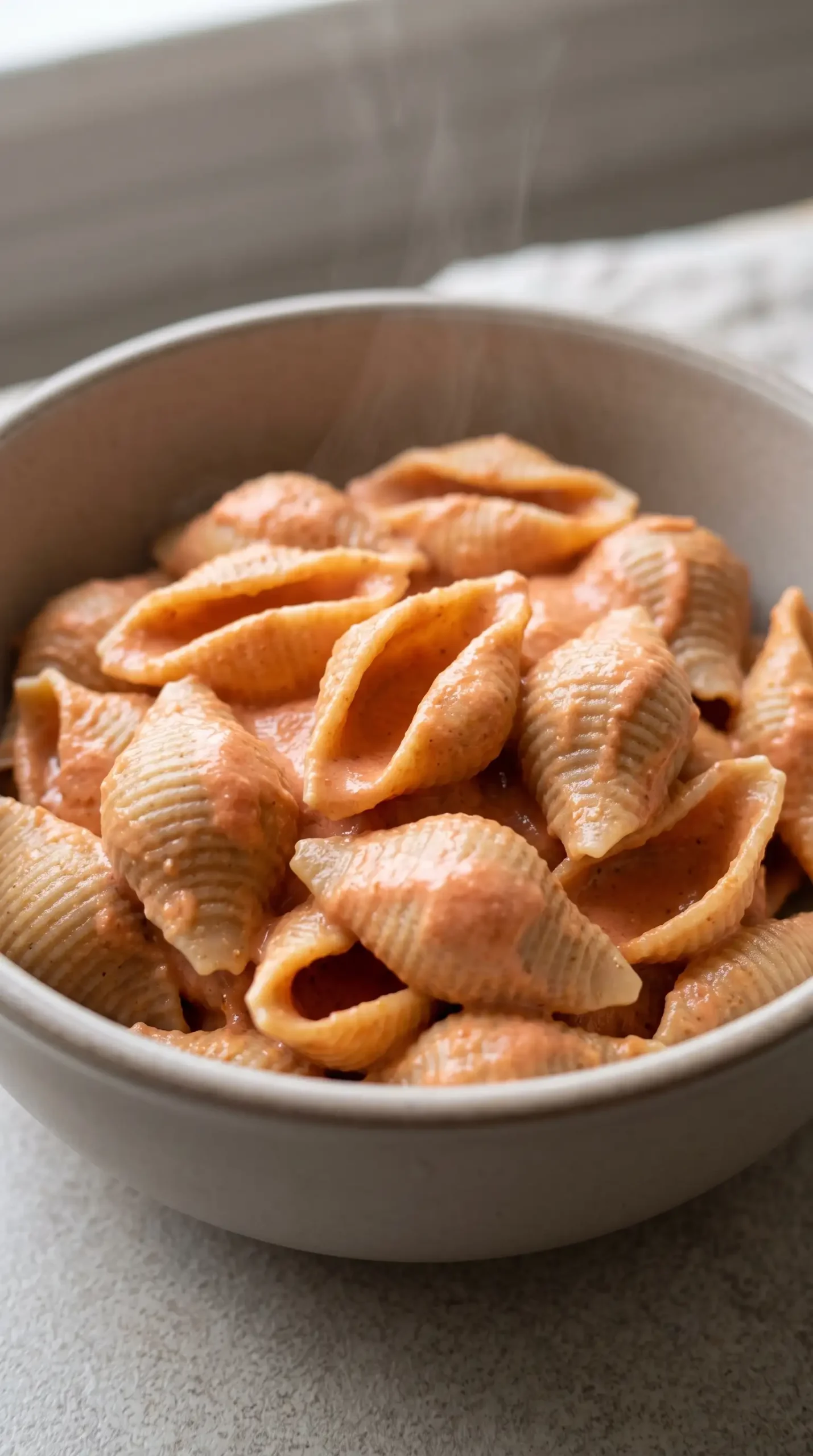
Curved shells are especially suited to creamy tomato pasta shells because the shape catches sauce inside and around each piece. Every forkful can include both pasta and the creamy tomato coating.
Other short shapes can work, but shells create a specific eating experience. Their ridges and hollow areas help carry thicker sauces, making them a natural choice when the coating needs to cling instead of sliding away.
Smooth Cashew Cream Requires Specific Cooking Control
Cooking control in creamy tomato shells focuses on texture management after the pasta and sauce come together. The cashew mixture should be incorporated after the tomato sauce has warmed so it can blend smoothly into the dish.
A few practical checks help maintain the right consistency:
- Blending texture: Process the cashews until the mixture is very smooth before combining it with pasta.
- Heat level: Keep the sauce warm while combining ingredients so the creamy texture remains consistent.
- Seasoning balance: Adjust salt and herbs after mixing because the cashew cream changes how the tomato flavor is perceived.
Small adjustments are easier when the sauce is evaluated after everything is combined. The tomato base, pasta starch, and cashew mixture interact, so seasoning decisions are best made once the complete dish has come together.
Creamy Tomato Shells Mistakes That Reduce the Creamy Finish
Several avoidable choices can make creamy tomato shells less successful. The most common issues come from texture problems during blending or combining the sauce components.
- Rough cashew blend: Large pieces prevent the sauce from becoming silky. Blend longer until the mixture looks uniform.
- Separated flavors: Adding the creamy mixture without enough stirring can leave uneven bites. Combine thoroughly so the tomato and cashew elements merge.
- Underseasoned finish: Cashews soften sharp flavors, so the completed pasta may need additional herbs, salt, or pepper.
Another mistake is treating the cashew cream as an afterthought. Its texture is a central part of the dish, so careful blending has as much impact as the tomato sauce choice.
Serving Pairings Expand 3 Ingredient Creamy Tomato Pasta
The simplicity of 3 ingredient creamy tomato pasta makes it flexible at the table. The pasta can serve as a base for additional vegetables, proteins, or fresh toppings depending on the meal.
Fresh herbs add a bright contrast to the creamy sauce, while vegetables can bring color and extra texture. The mild richness of the cashew blend allows the pasta to work alongside stronger side dishes without competing for attention.
Possible serving directions include:
- Roasted or sautéed vegetables for a more complete plate.
- A protein addition when serving the pasta as a larger meal.
- Fresh herbs and seasoning for a lighter finishing touch.
Leftover Cashew Cream Finds Another Use
The reserved cashew cream provides a useful starting point for future cooking. Keeping it available means a second meal can gain a creamy texture without repeating the entire preparation process.
Stored cashew cream can be stirred into other sauces or used in dishes where a smooth, blended texture fits naturally. Its neutral base allows herbs, spices, or other flavors to shape the direction.
Simple Adjustments Keep Creamy Tomato Pasta Shells Balanced
Creamy tomato pasta shells can shift slightly depending on personal preference while maintaining the main structure of the dish. The tomato sauce, pasta shape, and cashew mixture provide enough flexibility for small changes.
Additional herbs can make the flavor brighter, while extra seasoning can sharpen the tomato profile. A thicker texture comes from the concentrated cashew cream, and a looser consistency can be adjusted by carefully adding liquid during mixing.
Weeknight Structure of Creamy Tomato Shells
The appeal of creamy tomato shells comes from how the preparation separates into a few clear tasks. Pasta cooking, sauce warming, and cashew blending each contribute a specific part of the finished texture.
Fast meals often depend on reducing unnecessary steps, and this pasta keeps the process focused on the elements that matter most. The short ingredient list does not remove the importance of technique; it simply places attention on blending and combining.
Storing and Reusing Creamy Tomato Shells Components
Prepared creamy tomato shells are best handled with attention to texture because creamy sauces can change as they rest. Gentle reheating helps bring back a smooth consistency when enjoying leftovers.
Keeping the extra cashew cream separate can also make future meals easier. A reserved portion remains adaptable and can be combined with new flavors instead of being limited to the original pasta.
Creamy Tomato Shells Show Why Blended Cashews Transform Pasta
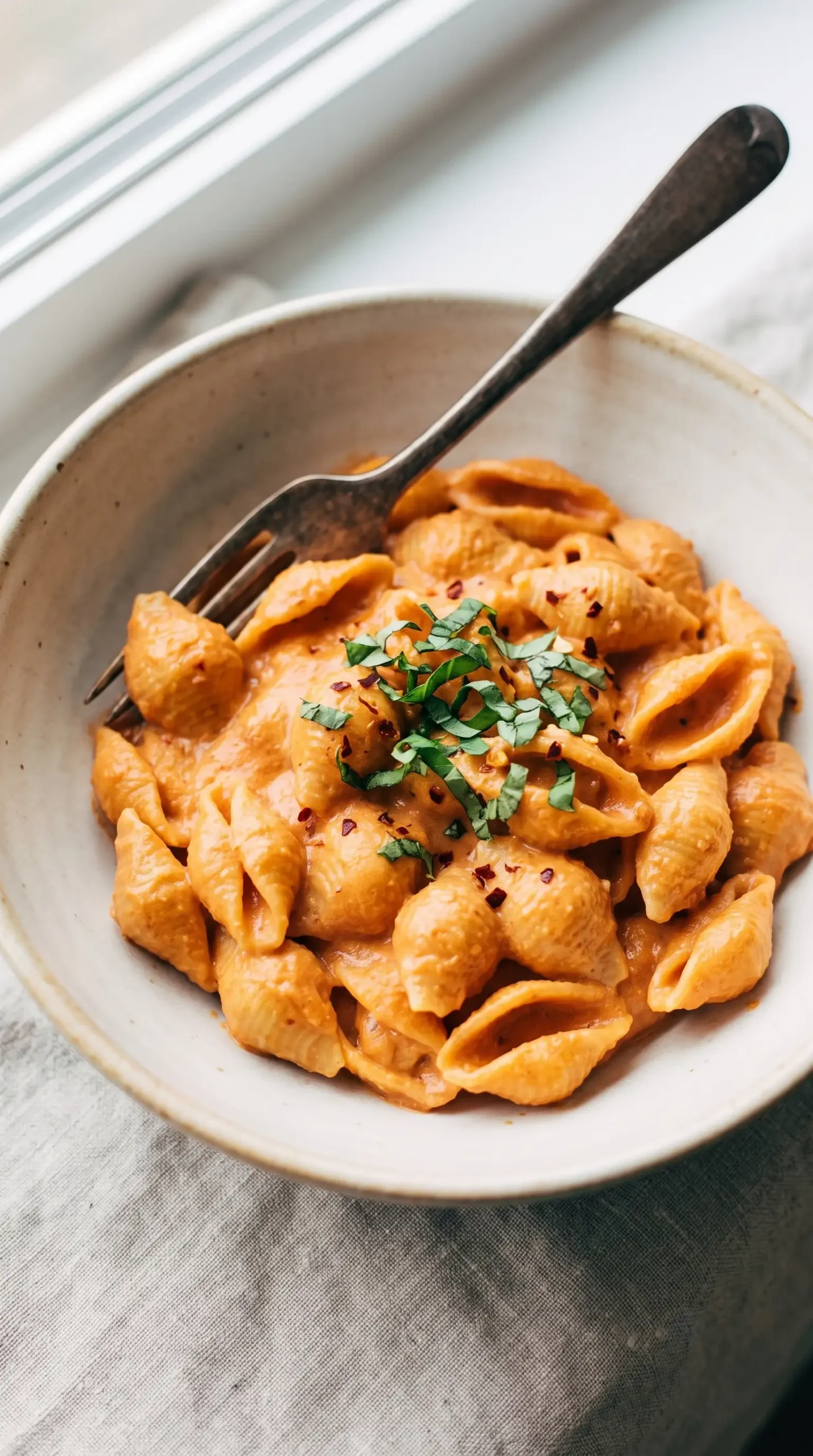
Creamy tomato shells become memorable because a simple tomato sauce gains a completely different texture through blended cashews. The smooth creaminess does not hide the tomato flavor; it creates a sauce that coats the pasta while keeping the dish recognizable.
The most important cooking judgment is the texture of the cashew mixture. A thoroughly blended cream and a well-coated pasta shape create the connection between every ingredient, turning a short list of staples into a cohesive meal.
Creamy Tomato Shells Questions About Texture and Storage
Can cashew cream pasta shells be made smoother?
A smoother result comes from blending the cashews with enough time to remove any noticeable graininess. A powerful blender and careful processing help create the silky texture that makes the sauce blend naturally with the tomato base.
Can another pasta shape replace shells?
Other short pasta shapes can work if they have enough structure to hold sauce. Shapes with curves, ridges, or openings are especially helpful because they capture more of the creamy tomato coating.
How can the flavor of creamy tomato shells be adjusted?
The flavor can be changed by selecting a different tomato sauce, adding herbs, or adjusting seasoning after the cashew cream has been mixed in. These changes affect the balance without changing the basic preparation.
What can be done with extra cashew cream?
Extra cashew cream can be saved for another use where a smooth, creamy texture is helpful. It can become a base for another sauce or a way to add richness to a different preparation.
Creamy Tomato Shells with Cashew Cream Pasta Dinner
Ingredients
Method
- Cook the pasta according to the package instructions. Drain the pasta and combine it with the tomato sauce over low heat to warm through.
- Blend the cashews with the water, garlic, and salt until the mixture becomes very smooth.
- Reserve half of the cashew cream in the refrigerator for another recipe. Add the remaining half to the pasta and stir until the sauce becomes creamy.
- Finish the pasta with salt, pepper, and herbs, then serve.