
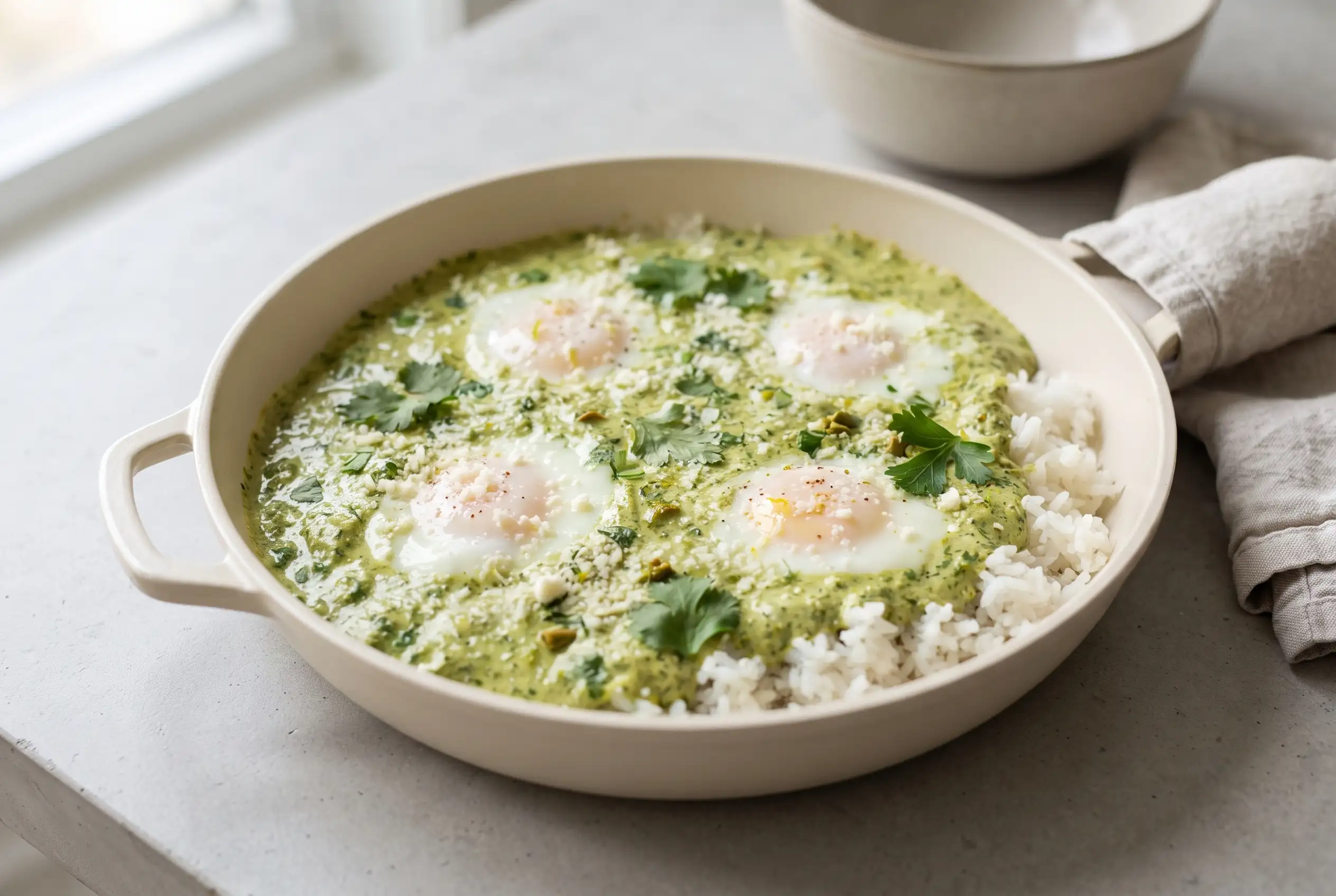
Green shakshuka brings eggs into a vibrant skillet of herbs, nuts, garlic, and a creamy green sauce that feels fresh, comforting, and full of character. Instead of a tomato-based version, this approach builds flavor from cilantro, parsley, jalapeño, pistachios, and almond milk, creating a silky base that pairs beautifully with rice, toast, or naan.
Green Shakshuka Creates a Fresh Take on a Classic Skillet
Fresh herbs define the personality of green shakshuka, giving the dish its signature color and bright flavor. The blended sauce starts with a pesto-like texture before becoming a warm, creamy mixture that gently cooks the eggs.
Unlike heavier breakfast dishes, this skillet keeps its focus on a simple combination of bold ingredients. Cilantro and parsley provide the herbal foundation, while pistachios bring richness and jalapeño adds a controlled amount of heat that can be adjusted based on preference.
Served over rice, the sauce has room to collect around every grain, making each bite balanced with tender egg and creamy green flavor. Rice is especially suited to the dish because it absorbs the sauce without competing with the fresh herb profile.
The Herb Blend Shapes the Green Shakshuka Sauce
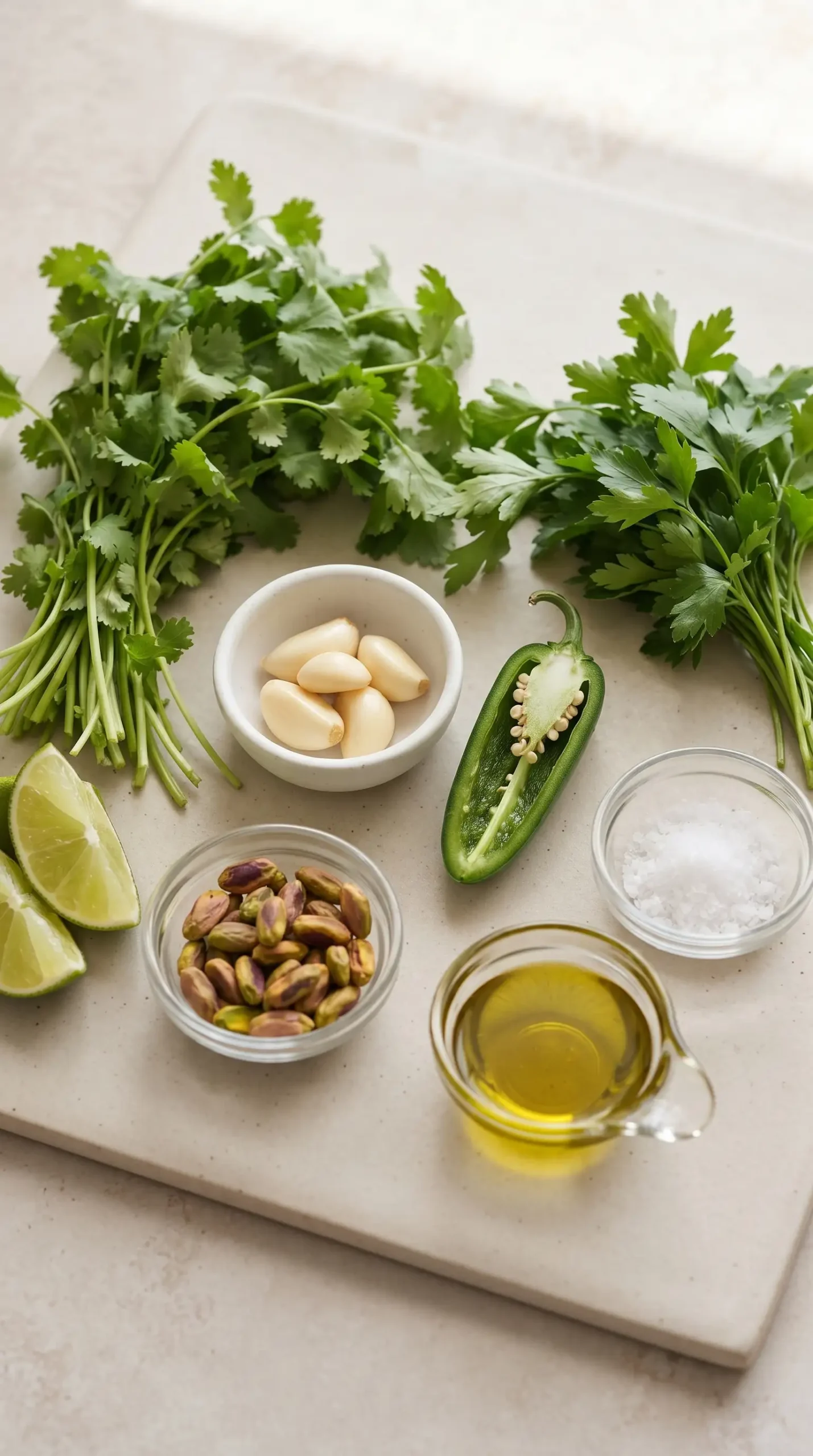
Important flavor decisions happen before the eggs reach the pan. The sauce base depends on the relationship between leafy herbs, garlic, pistachios, olive oil, and lime, so the preparation of this mixture determines how the finished skillet tastes.
- Herb balance: Cilantro and parsley work together to create a layered green flavor instead of relying on a single herb.
- Nut texture: Pistachios help build a richer pesto-like consistency while adding a naturally savory note.
- Heat control: Removing jalapeño ribs and seeds creates a milder sauce while keeping its fresh pepper character.
Almond milk transforms the concentrated herb mixture into a creamy green shakshuka sauce that surrounds the eggs. Starting with less liquid and adjusting as needed helps preserve the sauce’s texture and keeps the flavors concentrated.
Why Pistachios and Almond Milk Matter Here
Pistachios are a key ingredient choice because they support the thick, blended texture needed for the sauce. Their presence helps the herb mixture feel substantial when combined with almond milk, creating a creamy consistency without changing the fresh green character.
| Ingredient choice | Role in the skillet | What to watch for |
|---|---|---|
| Pistachios | Add richness and body to the blended sauce | Blend until the texture suits the dish |
| Almond milk | Creates the creamy sauce base around the eggs | Add gradually to control thickness |
| Cornmeal mixture | Optional thickening support | Use when the sauce needs more structure |
Careful adjustments make the difference between a thin sauce and a spoon-coating one. The optional cornmeal mixture is useful when extra thickness is needed, but the simmering process should remain controlled so the sauce keeps its appealing texture.
Cooking Control Keeps Green Shakshuka Bright
Successful green shakshuka depends on gentle timing decisions after the sauce enters the skillet. A brief simmer allows the garlic and herbs to mellow while helping the almond milk blend smoothly with the sauce base.
The heat level can be adjusted before cooking by changing how the jalapeño is prepared. removing jalapeño seeds and membranes reduces the pepper’s concentrated heat while keeping its fresh flavor in the sauce.
Moderate heat is important once the eggs are added. Covering the pan allows the eggs to cook in the creamy green environment, and the cooking time can be adjusted depending on whether soft or firmer yolks are preferred.
Color management is another important detail. Extended simmering can cause the sauce to lose some of its fresh green appearance, so keeping the cooking period focused helps maintain the visual appeal that makes the dish distinctive.
Common Green Shakshuka Mistakes That Change the Texture
Several small choices can affect the final result. Green shakshuka has a delicate sauce, so avoiding a few common issues helps preserve the creamy consistency and fresh flavor.
- Overcooking the sauce: Long simmering can make the green color look less vibrant and change the appearance of the herb mixture.
- Skipping seasoning checks: The blended sauce may need additional salt after the almond milk is incorporated.
- Adding eggs too close together: Leaving space between eggs helps them cook more evenly in the skillet.
Another issue comes from adding too much liquid at once. A sauce that begins overly thin may require additional adjustment, while gradual additions make it easier to reach the desired creamy texture.
Serving Green Shakshuka Beyond Breakfast Plates
Rice remains the standout pairing because it captures the creamy sauce and turns the skillet into a complete meal. The combination of warm grains, eggs, and herb sauce creates a satisfying contrast of textures found in a vegetarian egg-based meal built around a flavorful sauce and hearty serving base.
Toast and naan also work well when a scoopable option is preferred. These choices highlight the sauce’s richness and make the dish suitable for relaxed brunches or simple dinners.
| Serving option | Best feature | Pairs with the sauce by |
|---|---|---|
| Rice | Absorbs the creamy green sauce | Balancing the soft eggs and rich herbs |
| Toast | Adds crisp texture | Providing contrast with the skillet |
| Naan | Offers a soft, tearable accompaniment | Scooping the sauce and eggs |
Crumbly cheese such as Cotija adds a salty finish that complements the herbs. A little hot sauce can also bring extra spice for diners who enjoy a stronger kick.
Green Shakshuka With Eggs Builds a Creamy Centerpiece
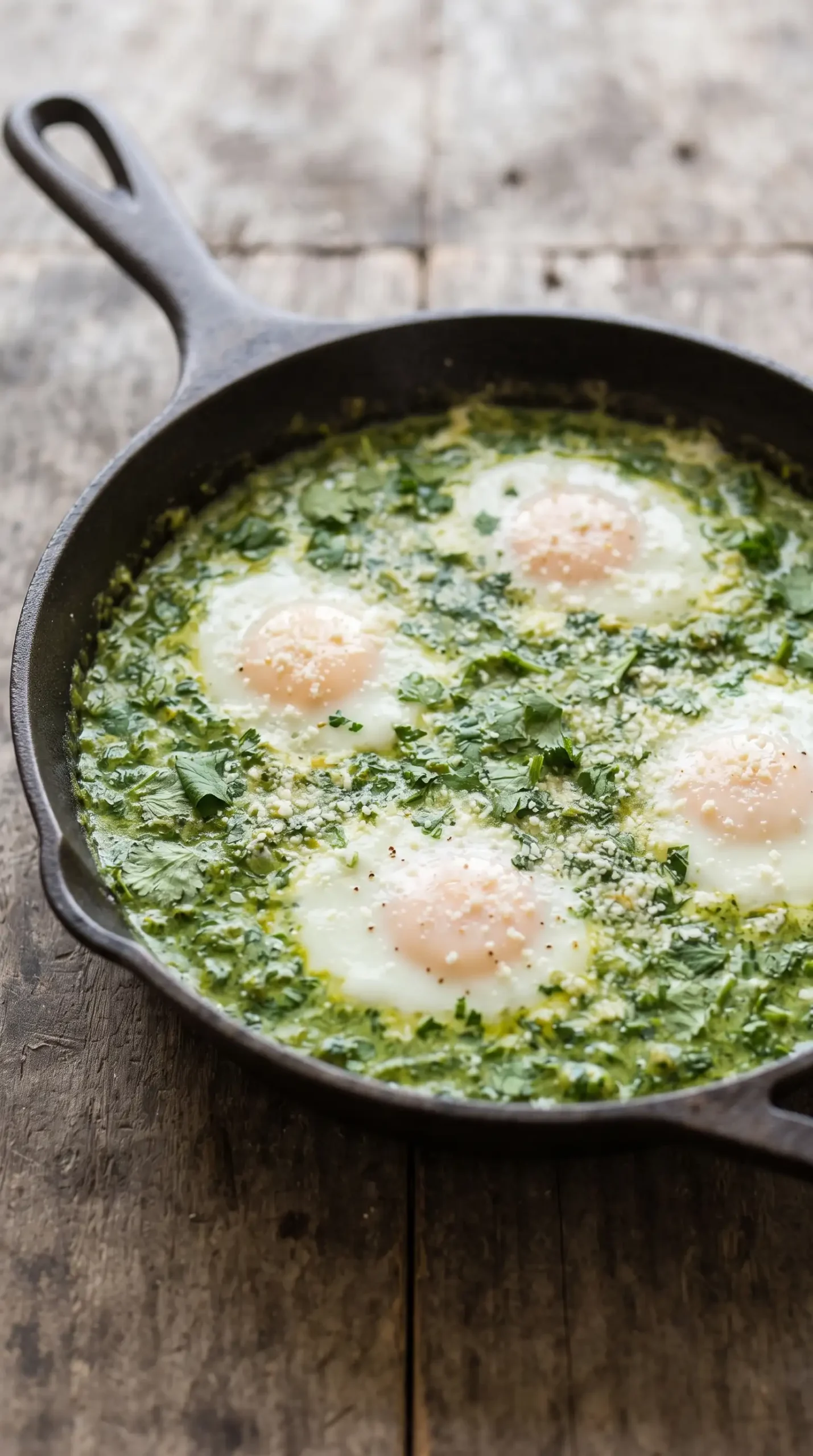
Eggs are the element that turns the herb sauce into a true shakshuka-style meal. They cook directly in the green mixture, allowing the flavors from the sauce to surround the whites and yolks.
Spacing matters when placing the eggs into the skillet. Enough room allows each egg to settle into the sauce and makes serving easier once they reach the preferred level of doneness.
The covered cooking stage is where texture choices happen. Shorter cooking keeps the yolks softer, while additional time creates a firmer result for those who prefer a more set egg.
Adjusting Green Shakshuka for Different Tastes
Simple adjustments can personalize the skillet without changing its identity. The jalapeño amount can be modified by keeping or removing more of the pepper’s inner parts, allowing the heat level to match the occasion.
Extra lime can brighten the sauce, while additional salt can sharpen the flavors after the almond milk is added. Since the sauce combines many fresh ingredients, tasting before adding the eggs helps create a balanced finish.
Different serving bases can also shift the experience. Rice emphasizes the creamy sauce, while toast or naan creates a more hands-on presentation.
Preparing the Sauce Base for Better Flavor
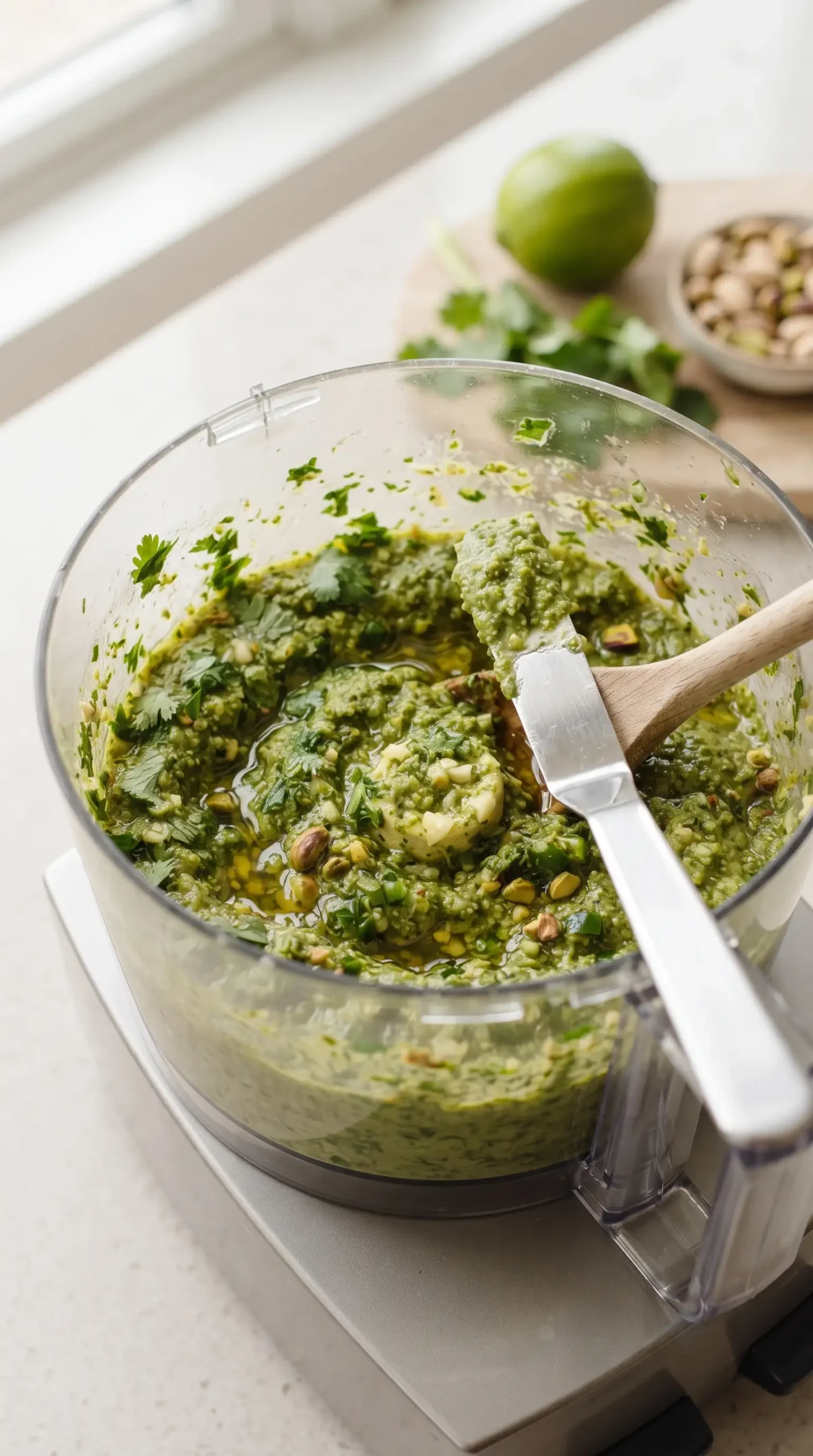
The blended sauce is where the dish develops its main character. Pulsing the herbs, garlic, jalapeño, pistachios, olive oil, water, and lime creates a foundation that can be transformed into the creamy skillet sauce.
Using a texture similar to pesto is useful because the mixture needs enough structure to combine well with almond milk. A completely watery blend would make it harder to achieve the rich consistency expected from green shakshuka.
Green Shakshuka Fits Flexible Meal Moments
Morning tables are not the only place for this dish. The combination of eggs and a flavorful sauce makes it equally suitable for lunch or dinner when a warm, comforting skillet is desired.
Green Shakshuka Sauce Benefits From Careful Simmering
Gentle simmering allows the sauce ingredients to come together while protecting the fresh qualities of the herbs. Watching the texture and color during this stage helps preserve the qualities that make the dish recognizable.
Green Shakshuka Brings Together Fresh Herbs and Creamy Comfort
Green shakshuka works best when the sauce remains vibrant, creamy, and balanced around the eggs. The herb mixture provides freshness, the pistachios add depth, and the almond milk creates the smooth texture that carries every flavor through the skillet.
Small cooking choices, especially sauce timing and egg doneness, shape the final experience. Keeping those details in mind lets the dish stay bright while delivering the comforting quality expected from a warm egg-based meal.
Green Shakshuka Questions About Heat, Texture, and Serving
Can green shakshuka be made less spicy?
Yes. Removing the jalapeño ribs and seeds creates a milder version while keeping the pepper’s fresh flavor. The amount of jalapeño can also be reduced to match personal preference.
Why does my green shakshuka sauce look thinner than expected?
A thinner sauce can usually be adjusted by simmering it a little longer or adding the optional cornmeal and almond milk mixture. Gradual changes help maintain the creamy texture.
What makes green shakshuka with eggs different from regular shakshuka?
The main difference is the sauce base. Instead of tomatoes, this version uses blended herbs, pistachios, garlic, and almond milk to create a creamy green environment for the eggs.
Can I serve green shakshuka without rice?
Yes. Rice is a favorite pairing because it absorbs the sauce, but toast and naan also provide satisfying ways to enjoy the creamy skillet.
How can I keep the green color of the sauce?
Keeping the simmer brief helps protect the fresh appearance of the herbs. Cooking only until the flavors come together prevents the sauce from becoming duller in color.
Green Shakshuka with Creamy Green Sauce and Fresh Herbs
Ingredients
Method
- Pulse the cilantro, parsley, garlic, jalapeno, salt, water, olive oil, lime juice, and pistachios until the mixture reaches a pesto-like sauce texture.
- Add the sauce base to a skillet over medium-high heat and cook for a minute or two to soften the garlic and jalapeno flavors.
- Stir in the almond milk, beginning with 1 cup and adding more as needed, then bring the mixture to a low simmer for a few minutes until it becomes a creamy green sauce.
- If the sauce is too thin, add the cornmeal and almond milk mixture and continue simmering until the sauce thickens. Taste and adjust the seasoning with additional salt if needed.
- Reduce the heat to low. Crack the eggs into the sauce with space between each egg, cover the skillet, and cook for about 10 minutes or until the eggs reach the preferred yolk consistency.
- Serve the shakshuka over rice with crumbly cheese and hot sauce.