
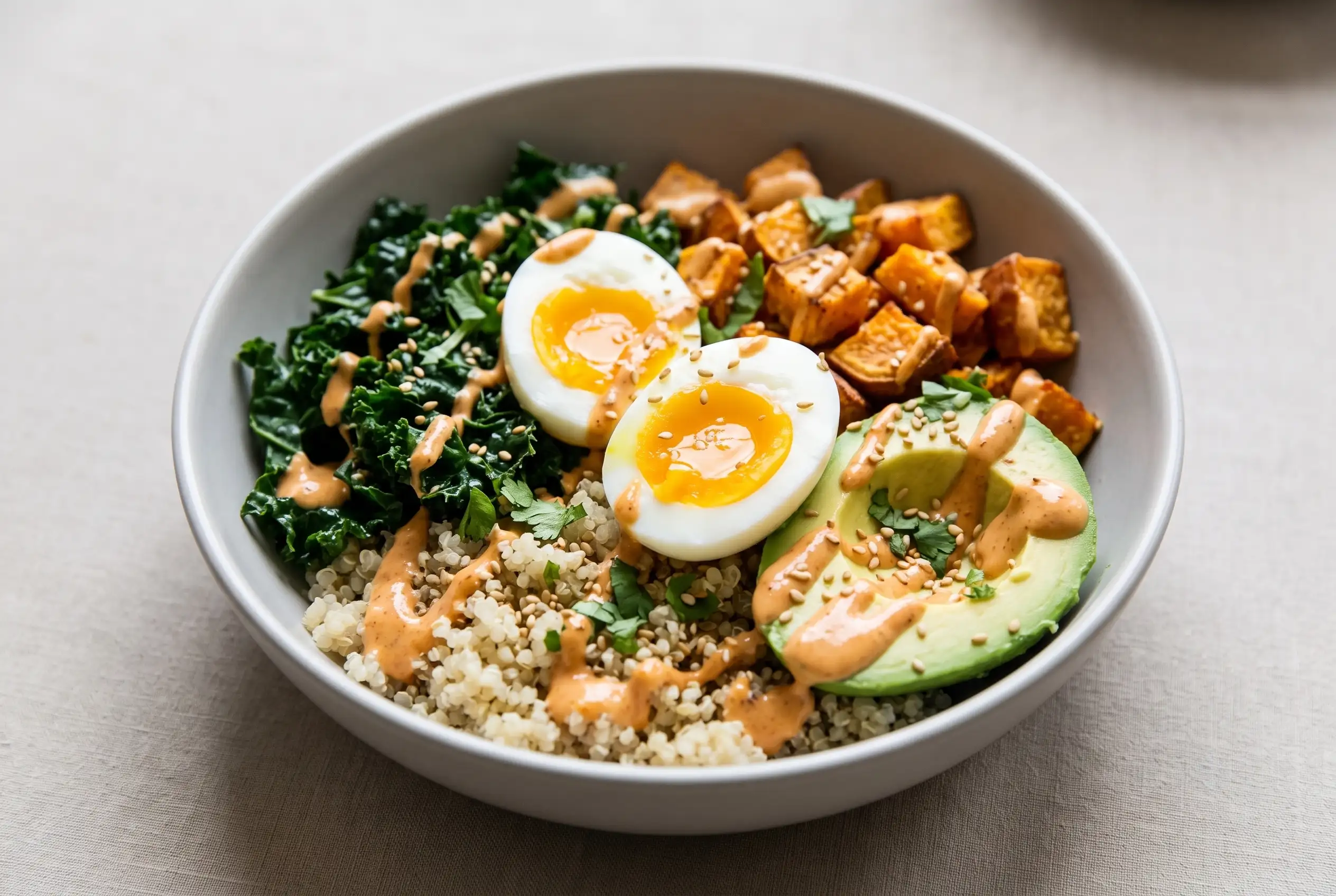
Chipotle tahini bowls bring together a smoky chile sauce, hearty grains, roasted vegetables, and fresh toppings in a meal built around contrast. The combination works because creamy tahini, bright orange juice, spicy chipotles, and sturdy bowl ingredients create layers of flavor without requiring a complicated assembly. A chipotle tahini bowl recipe becomes especially satisfying when each component is prepared with attention to texture, allowing crisp roasted sweet potatoes, tender greens, and jammy eggs to stand apart.
Chipotle Tahini Bowls Build Around a Smoky Creamy Sauce
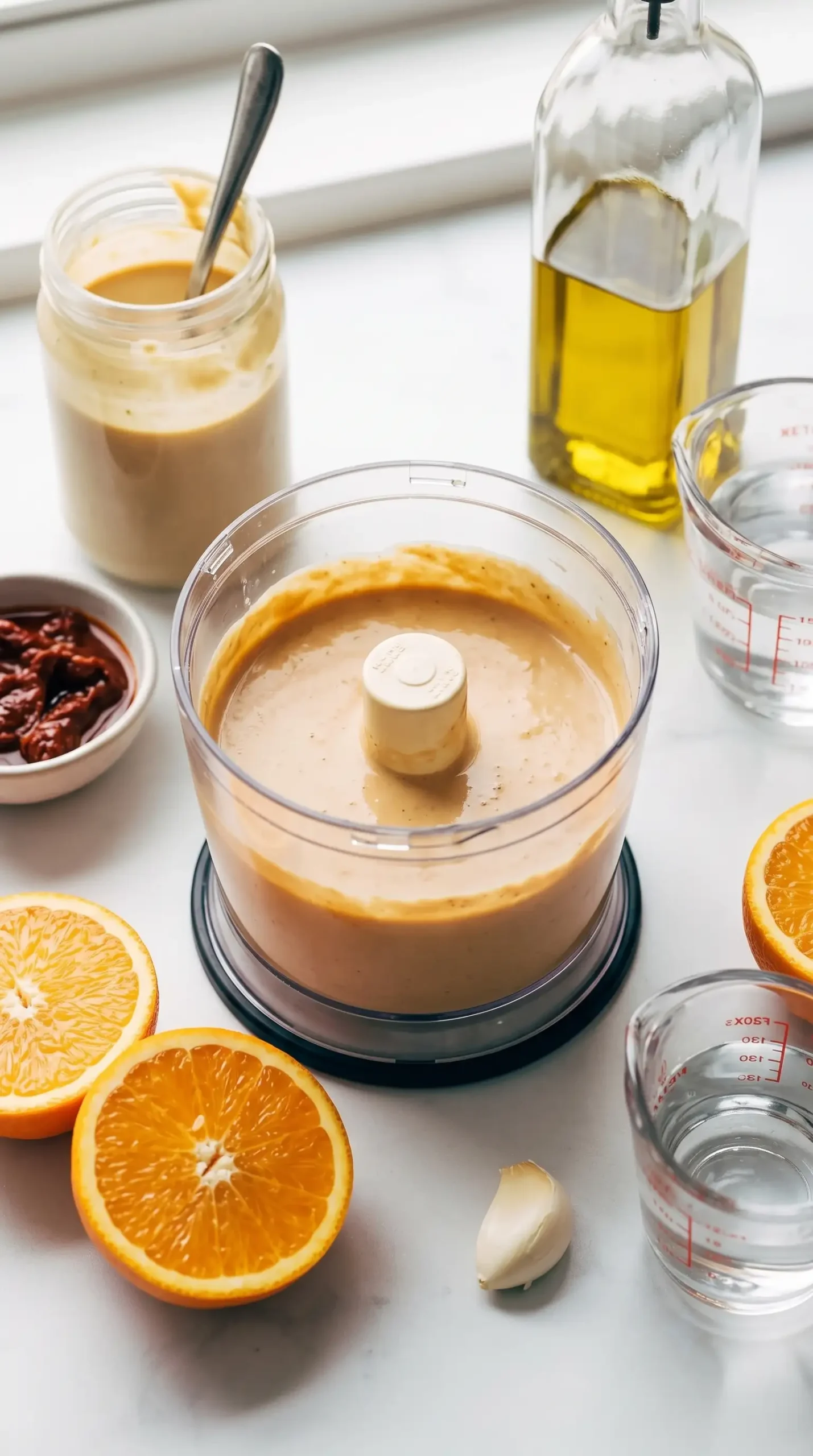
The defining feature of chipotle tahini bowls is the sauce that ties every part of the bowl together. Tahini creates a smooth base, while chipotles in adobo bring a smoky heat that can be adjusted depending on how much spice fits the meal. Orange juice adds brightness and helps the flavors feel balanced against earthy grains and vegetables. A prepared chipotle tahini sauce provides the creamy, smoky foundation that connects the roasted and fresh components in each serving.
Careful blending matters because the sauce needs a texture that can coat quinoa, kale, avocado, and roasted sweet potatoes evenly. A smooth consistency allows a small amount of sauce to reach different ingredients in each bite, making the bowl feel connected without hiding the individual textures.
Beyond the basic combination, quinoa chipotle tahini bowls work because the sauce acts as a bridge between ingredients with different personalities. The creamy element softens hearty greens, the acidity lifts roasted flavors, and the smoky notes make simple vegetables feel more substantial.
Tahini and Chipotle Balance Define the Bowl’s Flavor
Tahini is the ingredient that most influences the character of the sauce, so choosing how it is handled has a noticeable effect on the finished bowl. Its naturally nutty flavor supports the deeper notes of chipotle while creating the creamy texture expected from a tahini-based dressing.
Chipotles in adobo require a measured approach because their heat and smokiness are concentrated. Adding one chile creates a gentler background flavor, while using more brings a stronger presence that can stand up to roasted vegetables and grains.
| Flavor element | Primary role | Best balance consideration |
|---|---|---|
| Tahini | Creamy foundation | Should remain smooth and savory |
| Chipotles in adobo | Smoke and heat | Adjust to preferred spice level |
| Orange juice | Bright acidity | Keeps rich flavors lively |
Sweet Potato Tahini Bowls Gain Texture Through Roasting Choices
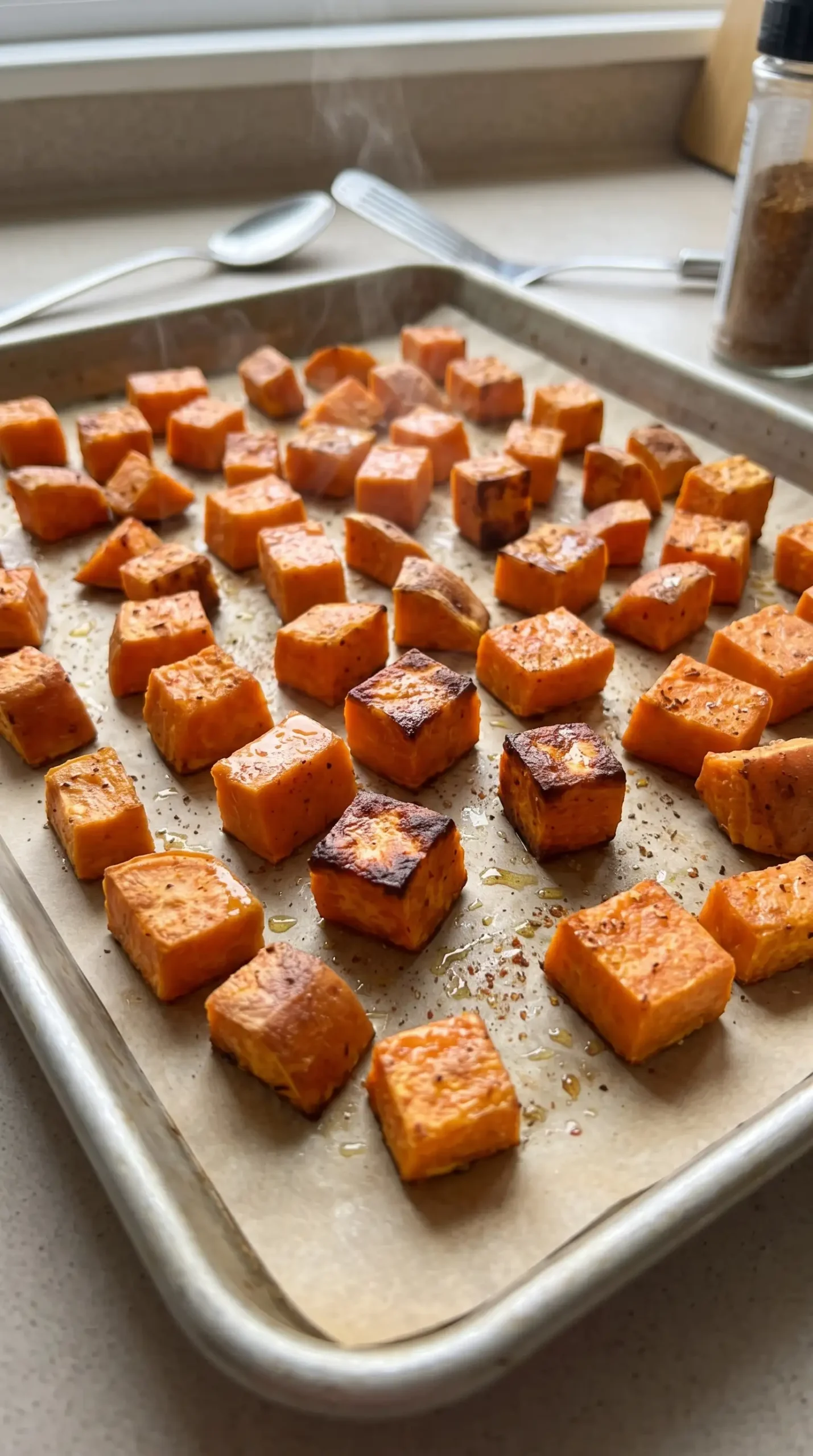
Sweet potato tahini bowls benefit from a contrast between soft centers and browned edges. Roasting sweet potatoes creates the kind of texture that gives a bowl structure, especially when paired with creamy sauce and tender greens.
The browned edges of roasted sweet potatoes develop through browning reactions during roasting, which create deeper flavors and more appealing surface color as the vegetables cook.
Small preparation details influence the result. Cubing the sweet potatoes into similar pieces encourages even cooking, while a light coating before roasting helps develop a more appealing surface texture.
Roasted vegetables also provide a practical way to make the bowls feel complete without relying only on the sauce for interest. The natural sweetness of the potatoes complements the smoky dressing and creates a foundation for other toppings.
Kale Quinoa and Avocado Create a Flexible Bowl Base
Quinoa, kale, and avocado form a dependable foundation for chipotle tahini bowls because they offer different textures in the same serving. Quinoa provides a hearty grain element, kale adds a fresh vegetable component, and avocado introduces richness.
- Greens choice: Sautéed kale or massaged kale can change the texture while keeping the vegetable element central.
- Grain option: Quinoa creates a sturdy base that holds sauce well and pairs with roasted additions.
- Creamy topping: Avocado adds another smooth layer that works with the tahini dressing.
Serving Combinations Keep Chipotle Tahini Bowls Adaptable
Different additions allow chipotle tahini bowls to fit a variety of meal preferences while preserving the main flavor direction. Chicken, roasted broccoli, or other vegetables can join the bowl without replacing the core relationship between sauce, grains, and toppings.
Orange and Garlic Shape the Sauce Experience
Fresh orange juice and garlic give the sauce its distinctive supporting flavors. The citrus helps the richness of tahini feel lighter, while garlic adds a savory note that connects the dressing with roasted and fresh ingredients.
Balanced seasoning depends on tasting the sauce after blending. Salt influences how clearly the smoky, creamy, and bright elements appear, so adjusting at this stage helps the dressing complement the bowl instead of overpowering it.
Preparation Decisions Improve Chipotle Tahini Bowl Recipe Results
The most important cooking choices for a chipotle tahini bowl recipe happen before the ingredients meet on the plate. Preparing components with their final texture in mind prevents a bowl from becoming flat or overly uniform.
Keeping roasted vegetables, greens, grains, and sauce distinct during preparation gives more control over the finished meal. Each part can be adjusted separately before the sauce brings everything together.
Blending the dressing until smooth is also a key execution point. A well-emulsified sauce spreads more easily, which means every bite can contain a balanced amount of flavor without excessive pooling.
- Blend smoothly: Process the sauce until the ingredients combine into an even dressing.
- Prepare textures: Keep roasted, fresh, and creamy elements distinct before assembly.
- Adjust seasoning: Taste the sauce before covering the bowl components.
Chipotle Tahini Bowls Avoid Common Sauce and Texture Mistakes
Common problems with chipotle tahini bowls usually come from imbalance between the sauce and the bowl components. Too much dressing can hide the roasted vegetables and grains, while too little can leave the ingredients disconnected.
Uneven sweet potato pieces can also affect the experience because some pieces may become soft before others develop browned edges. Cutting consistent cubes and monitoring roasting helps maintain a better mix of textures.
Another issue occurs when the sauce is not blended thoroughly. A dressing with separated ingredients may not coat quinoa and greens evenly, making the bowl taste less unified.
Meal Planning Uses for Quinoa Chipotle Tahini Bowls
Quinoa chipotle tahini bowls are well suited for preparing individual components ahead of time. The sauce, cooked grains, roasted vegetables, and prepared toppings can be kept separate until serving, allowing the textures to remain more distinct.
Assembly flexibility makes these bowls useful for different schedules. A prepared sauce can transform simple leftovers or newly cooked vegetables into a meal with a clear flavor identity.
Texture Adjustments Change the Finished Bowl
Texture choices influence how chipotle tahini bowls feel from the first bite to the last. Soft avocado, creamy sauce, chewy quinoa, and roasted sweet potatoes create variety without requiring many different ingredients.
Small changes can shift the experience. More greens create a lighter bowl, additional roasted vegetables make it heartier, and extra sauce increases the creamy quality.
Fresh Toppings Give Chipotle Tahini Bowls New Directions
Additional toppings can personalize chipotle tahini bowls while keeping the smoky tahini dressing as the central flavor. Fresh vegetables, herbs, or extra protein options can change the balance depending on what is available.
The most successful additions support the existing textures and flavors. A topping that adds freshness or contrast will usually work better than one that competes with the sauce.
Storage Choices Protect the Bowl Components
Keeping ingredients separate helps maintain the intended texture when saving portions for later. Sauce can be stored apart from grains, vegetables, and toppings so each element remains easier to adjust when serving.
Chipotle Tahini Bowls Show How Sauce Connects Every Layer
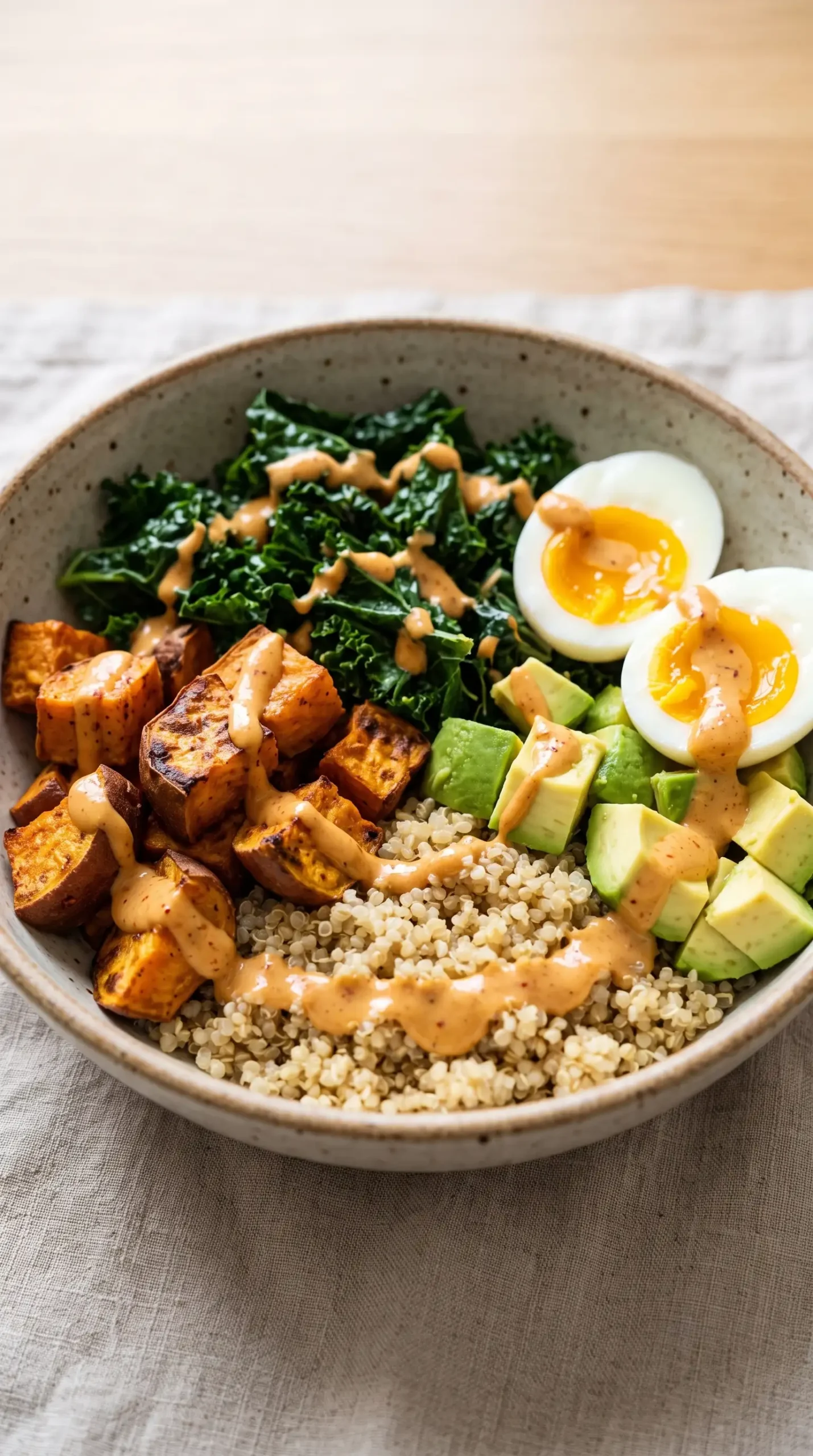
Chipotle tahini bowls succeed because the sauce provides a common thread between ingredients that each bring something different to the meal. The smoky dressing works with roasted sweet potatoes, quinoa, greens, avocado, and eggs by adding richness while preserving their individual qualities.
Thoughtful preparation focuses on balance: a smooth sauce, contrasting textures, and toppings that support the main flavors. When those choices come together, the bowl becomes a flexible meal where every component has a clear purpose.
Chipotle Tahini Bowls Sauce Questions and Answers
Can the chipotle sauce be made less spicy?
Yes. Reducing the amount of chipotle in adobo lowers the heat while keeping the smoky flavor present. The tahini, orange juice, and garlic still provide the creamy and savory foundation of the dressing.
How should the sauce texture be adjusted?
The consistency can be changed by adjusting the liquid used with the tahini mixture. A thinner sauce works well for drizzling, while a thicker texture can provide more concentrated flavor on each portion.
Can chipotle tahini bowls use different vegetables?
Yes. Roasted broccoli and other vegetables can be added while keeping the same sauce and grain foundation. Choose additions that provide a texture contrast with the creamy dressing.
What makes the sweet potato pairing work?
Sweet potatoes pair well because their natural sweetness balances the smoky chipotle flavor. Their roasted texture also creates contrast with the smooth tahini sauce and creamy avocado.
Chipotle Tahini Bowls with Roasted Sweet Potatoes and Eggs
Ingredients
Method
- Add the sauce ingredients to a food processor and blend until smooth.
- Taste the sauce and adjust the seasoning as needed.
- Preheat the oven to 450°F (232°C) and line a pan with parchment.
- Peel and cube 2-3 large sweet potatoes. Coat with 1 tablespoon cornstarch, then toss with 1 tablespoon olive oil and 1/2 teaspoon salt.
- Roast the sweet potatoes for 20 minutes, gently stir, then continue roasting for another 10-15 minutes.
- Bring enough water to cover the eggs by about one inch to a gentle boil.
- Carefully add the eggs and cook for about 6 1/2 minutes.
- Transfer the eggs to a bowl of ice water to cool, then peel and cut them.
- Prepare the bowl components, including kale, roasted sweet potatoes, avocado, quinoa, and soft-boiled eggs.
- Drizzle the chipotle tahini sauce over the assembled bowl ingredients and serve.