
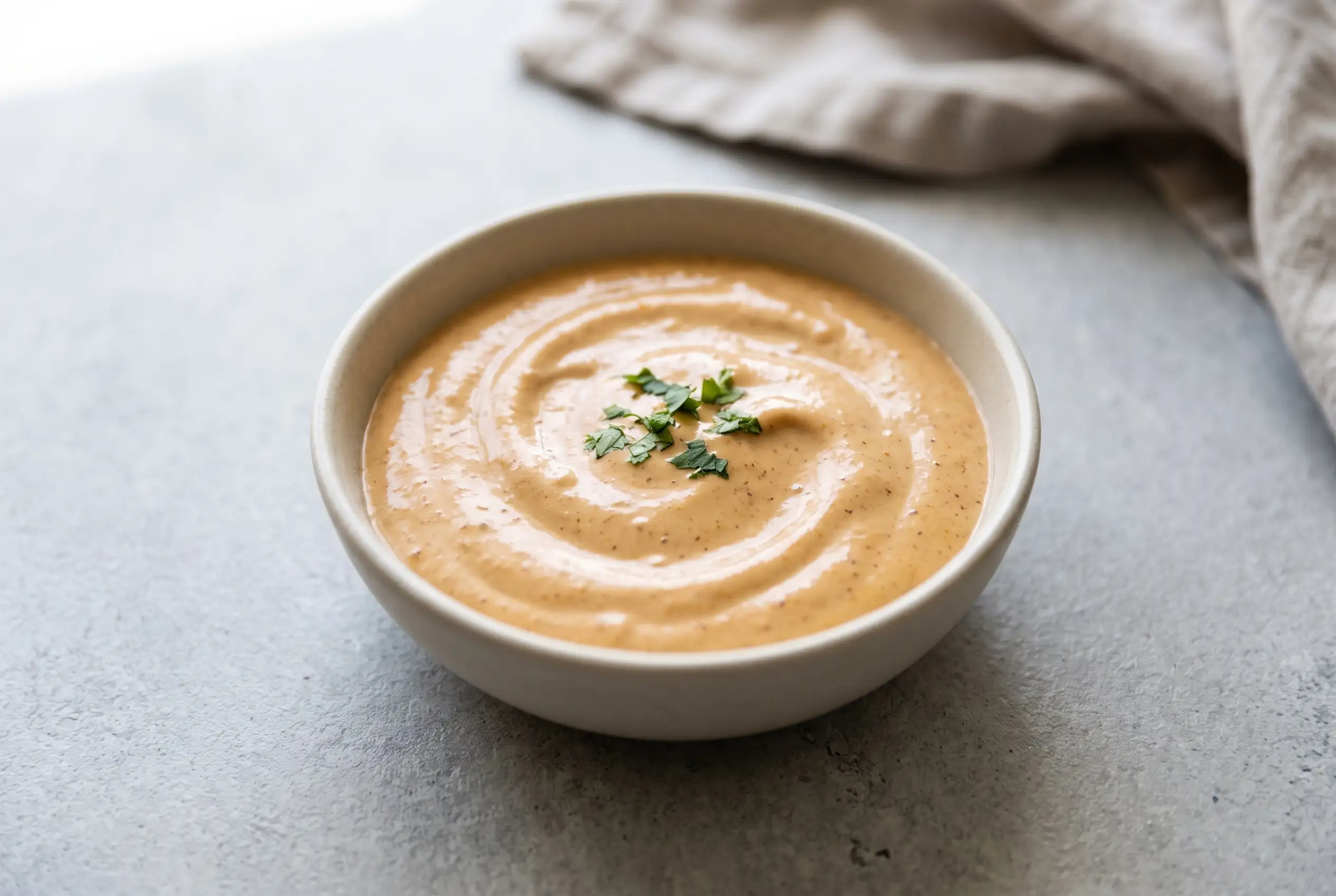
Chipotle tahini brings together creamy sesame richness, smoky chile flavor, citrus brightness, and savory garlic in a sauce that can transform simple meals with very little preparation. The combination of tahini, chipotles in adobo sauce, orange juice, and olive oil creates a smooth blend with a balance of richness and acidity that works as a dip, drizzle, or finishing sauce.
Chipotle Tahini Builds Creamy Heat From Simple Blending
The appeal of chipotle tahini comes from how a small group of bold ingredients creates multiple layers of flavor. Tahini provides a nutty foundation, while chipotles in adobo bring a smoky pepper character that spreads through the sauce. Orange juice adds a bright note that keeps the richness from feeling heavy, and garlic gives the blend a savory edge.
A smooth consistency makes the sauce especially versatile. The creamy texture allows it to coat roasted vegetables, grains, salads, sandwiches, and bowls without needing additional toppings or complicated preparation. The finished sauce feels substantial while still carrying fresh flavors from the citrus and herbs that often accompany meals where it is served.
Chipotle tahini sauce also stands out because the flavor intensity can be adjusted easily. Using fewer chipotles creates a gentler smoky background, while adding another pepper increases the heat and deeper adobo flavor. The basic balance remains centered on creaminess, acidity, and spice.
Tahini and Chipotle Choices Shape the Sauce Character
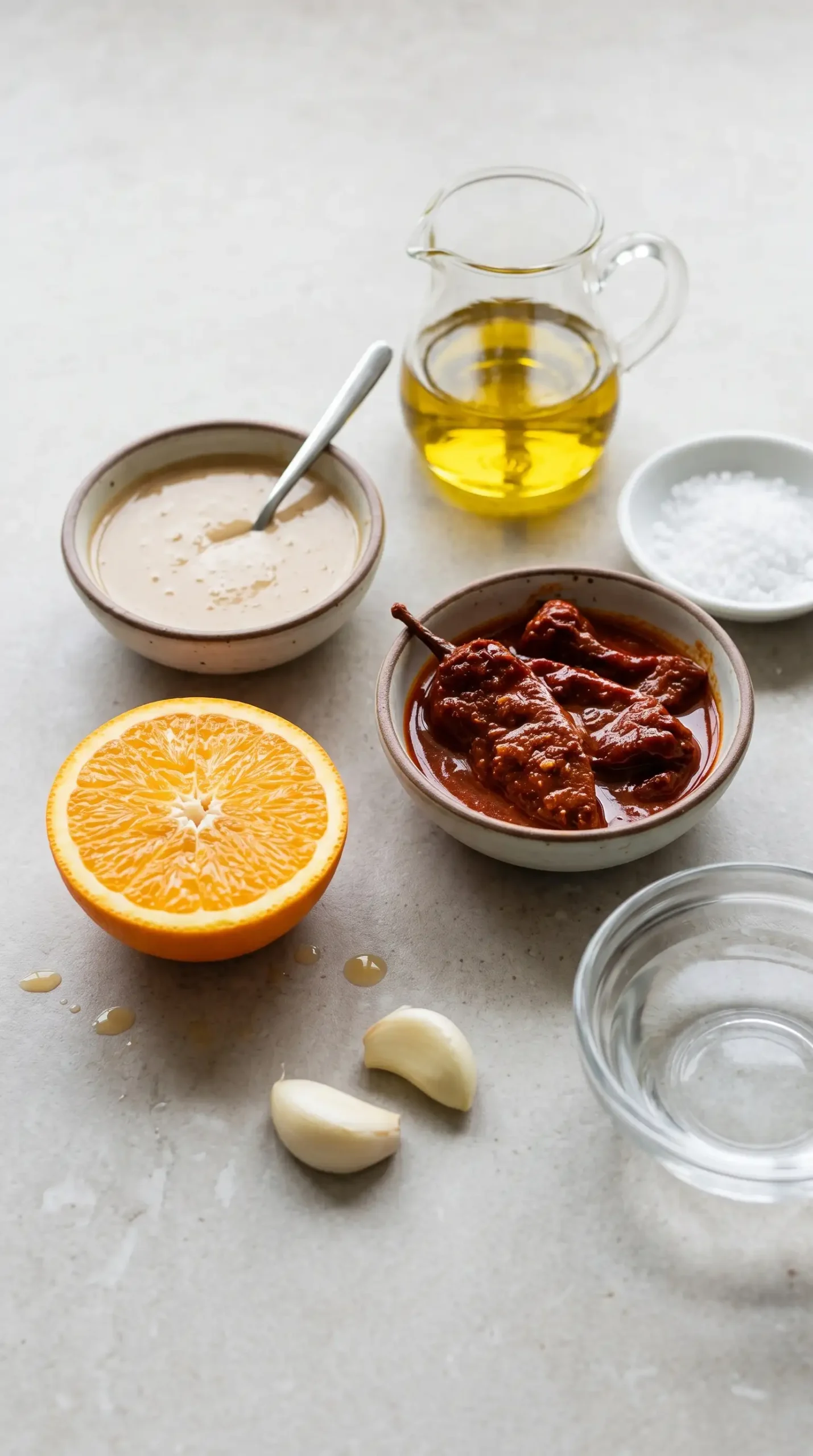
Tahini quality has a major influence on the texture and flavor of the sauce. A well-stirred tahini creates a smoother blend, while separated sesame paste can leave a thicker or uneven consistency. It helps to stir tahini well before measuring so the sesame flavor and texture remain evenly distributed.
Chipotles in adobo sauce contribute both peppers and the seasoned sauce surrounding them. The peppers bring smoky heat, while the adobo adds a concentrated savory quality. Choosing the amount of chipotle carefully allows the sauce to match the dish it accompanies.
- More chipotle: Creates a stronger smoky pepper flavor for hearty meals and roasted ingredients.
- Less chipotle: Keeps the citrus and sesame notes more prominent for lighter dishes.
- Balanced blending: Allows garlic, orange, and tahini to remain noticeable alongside the spice.
Orange Juice and Garlic Balance the Richness
The orange juice in chipotle tahini adds a bright contrast that keeps the sauce lively. Citrus helps connect the creamy sesame base with smoky chile flavors, creating a finish that feels fresh instead of overly dense.
Blending Control Creates a Smooth Chipotle Tahini Sauce
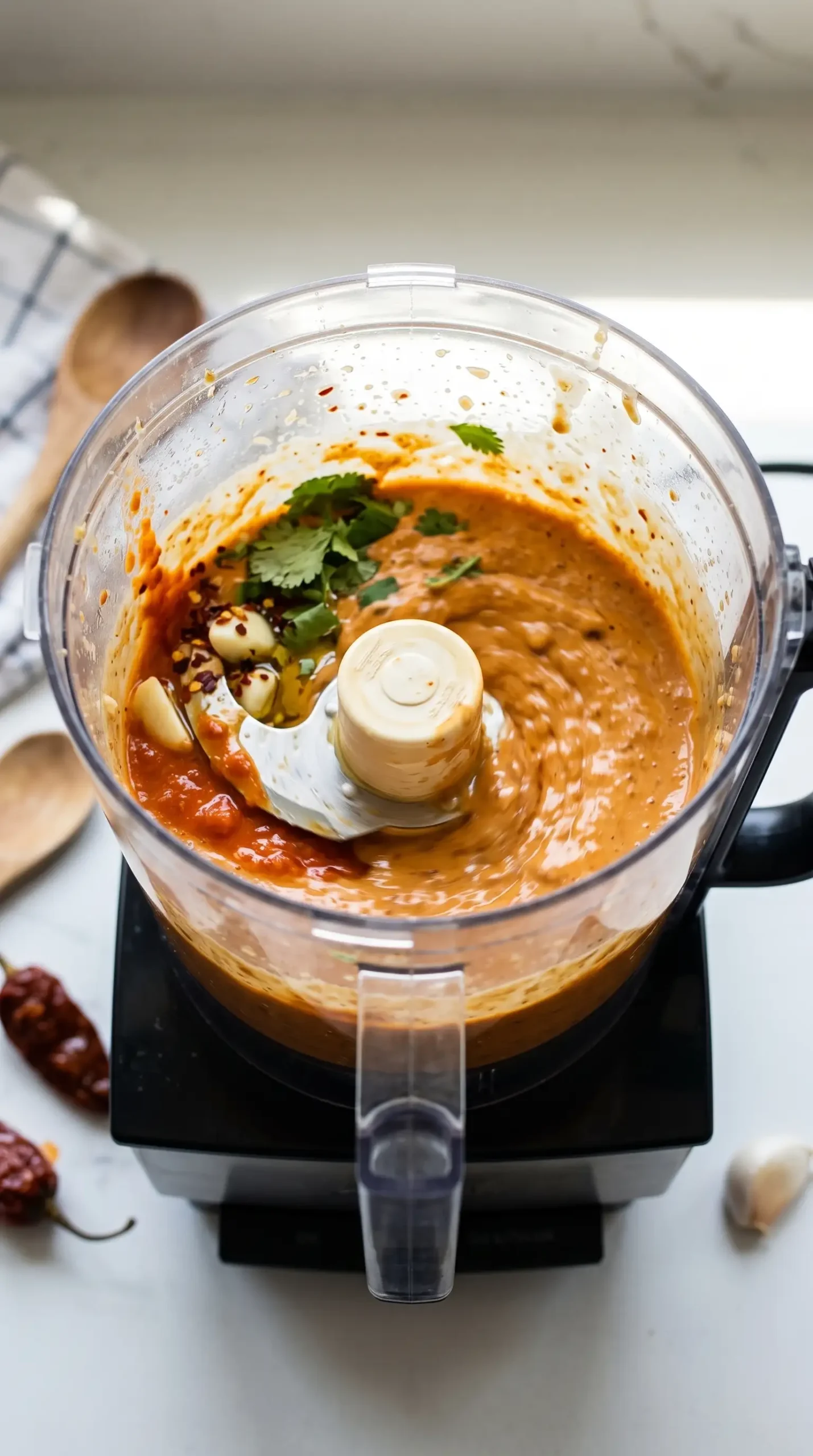
The blending process is where the separate ingredients become a unified sauce. A small blender or food processor helps distribute the oil, water, tahini, and seasonings evenly so the texture becomes creamy instead of layered.
Water plays an important role in the consistency of the blend. Tahini can become very thick when combined with acidic ingredients, and the added liquid helps create a texture that is easier to drizzle and spread. The amount of blending also affects how smoothly the sesame paste incorporates.
Good cooking control comes from tasting after the ingredients are combined. The smoky heat, salt level, and citrus brightness should feel connected instead of competing. Small adjustments to seasoning can refine the balance without changing the identity of the sauce.
Chipotle Tahini Mistakes That Flatten Flavor or Texture
Several common issues can prevent chipotle tahini from reaching its best texture and flavor. Avoiding these problems helps the sauce stay creamy, balanced, and easy to use.
| Issue | What happens | Better approach |
|---|---|---|
| Using poorly mixed tahini | The sauce may taste uneven or feel thicker in spots | Stir tahini thoroughly before blending |
| Adding too much chipotle immediately | Smoke and heat can overpower citrus and sesame flavors | Start with a measured amount and adjust after blending |
| Skipping enough blending | The sauce may not develop a creamy consistency | Blend until the ingredients are fully combined |
Serving Ideas Show Where the Dressing Works
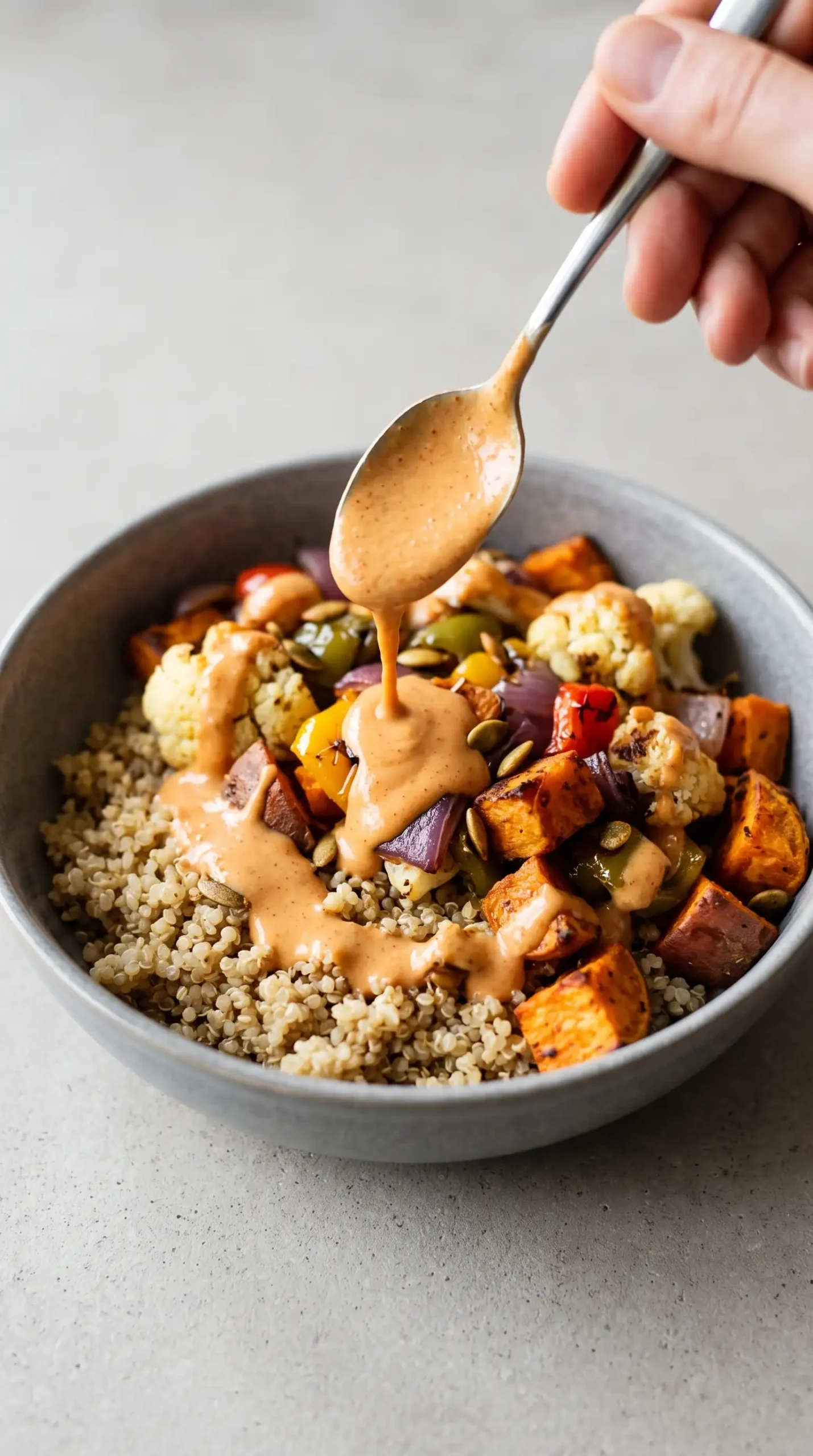
Chipotle tahini dressing can move between many styles of meals because it combines creamy texture with bold seasoning. It works as a finishing element when a dish needs moisture, richness, or a smoky accent.
Roasted vegetables pair especially well with the sauce because their caramelized flavors complement the chipotle notes. Grain bowls benefit from the creamy texture, and chipotle tahini bowls show how the sauce can bring together roasted ingredients, fresh toppings, and a hearty base in one meal.
Other serving options include using the sauce as a dip for vegetables, a spread for sandwiches, or a drizzle over beans and grains. Its concentrated flavor means a small amount can change the character of an entire plate.
A Vegan Chipotle Tahini Sauce Fits Flexible Meals
The ingredients naturally create a vegan chipotle tahini sauce without requiring substitutions. The sesame-based foundation provides creaminess without dairy, making the sauce suitable for plant-based meals while maintaining a rich texture.
Storage Decisions Protect the Fresh Sauce Texture
Keeping chipotle tahini properly stored helps maintain its flavor and consistency after preparation. A sealed container protects the sauce from absorbing other refrigerator flavors and keeps the blended texture ready for later use.
The sauce may thicken as it rests because tahini naturally has a dense texture. A small amount of additional liquid can help loosen it when serving if the consistency becomes firmer than desired.
Freezing is also possible when longer storage is needed. After thawing, blending or stirring can help bring the sauce back together because creamy sauces can separate slightly during freezing and defrosting.
Adjustments Change the Chipotle Tahini Experience
Small changes can personalize chipotle tahini while keeping the original balance intact. Increasing chipotle emphasizes smoky heat, while adjusting citrus changes the brightness of the sauce. The best variations maintain harmony between creamy, spicy, and fresh flavors.
Texture Clues Reveal Better Blending Results
The texture of the sauce provides useful information about how the ingredients have combined. A creamy consistency means the tahini, liquids, and seasonings have been distributed evenly throughout the mixture.
If the sauce feels too thick, the balance of liquid and sesame paste may need attention. A small adjustment can create a smoother texture that works better for drizzling. If the sauce feels separated, additional blending helps reconnect the ingredients.
Observing the sauce while blending makes it easier to understand how the ingredients interact. The transformation from individual components into a unified sauce happens quickly, so texture changes are easy to notice during preparation.
Chipotle Tahini Dressing Brings One Sauce Across Dishes
Chipotle tahini dressing works because the same flavor profile can support many different foods. The smoky sesame combination pairs with fresh produce, roasted ingredients, and hearty staples without needing a separate preparation for each use.
Freezing Considerations Keep the Sauce Useful
Freezing chipotle tahini can be a practical option when extra sauce remains. Thawing should be followed by careful stirring or blending to restore the smooth texture expected from a creamy sesame sauce.
Chipotle Tahini Stays Balanced When Creaminess Meets Smoky Heat
The blended sauce succeeds because each element has a clear role: tahini creates the creamy base, chipotle supplies smoky depth, orange brightens the mixture, and garlic reinforces the savory character. The strongest results come from keeping those flavors connected instead of allowing one element to dominate.
Chipotle tahini becomes most useful when its texture and seasoning are adjusted with intention. A smooth blend and thoughtful balance allow the sauce to move easily from dip to drizzle while preserving the contrast between rich sesame flavor and vibrant citrus heat.
Chipotle Tahini Troubleshooting Questions About Spice and Texture
Can chipotle tahini become less spicy after blending?
Blending distributes the chipotle throughout the sauce, which can make the heat feel more even but does not remove the spice. If the flavor is too strong, adding more tahini or adjusting the other ingredients can soften the intensity.
Why does my tahini sauce feel too thick?
Tahini naturally creates a dense texture, and the consistency can become thicker as it combines with other ingredients. Adding a small amount of liquid and blending again can help create a smoother sauce.
How can I make chipotle tahini taste brighter?
The orange juice already provides brightness, but adjusting the citrus balance can make the sauce feel fresher. Taste after blending and consider whether the smoky and creamy notes need more contrast.
What foods pair best with this sauce?
The sauce works well with roasted vegetables, grain bowls, salads, sandwiches, and dipping plates because its creamy texture and smoky flavor complement both fresh and hearty ingredients.
Can vegan chipotle tahini sauce be prepared ahead?
Yes, the sauce can be prepared ahead and stored until needed. Before serving, check the texture and stir or blend if the sauce has thickened or separated during storage.
Chipotle Tahini Sauce with Orange Juice and Garlic
Ingredients
Method
- Add all sauce ingredients to a small blender or food processor.
- Blend until the mixture is smooth, creamy, and fully combined.