
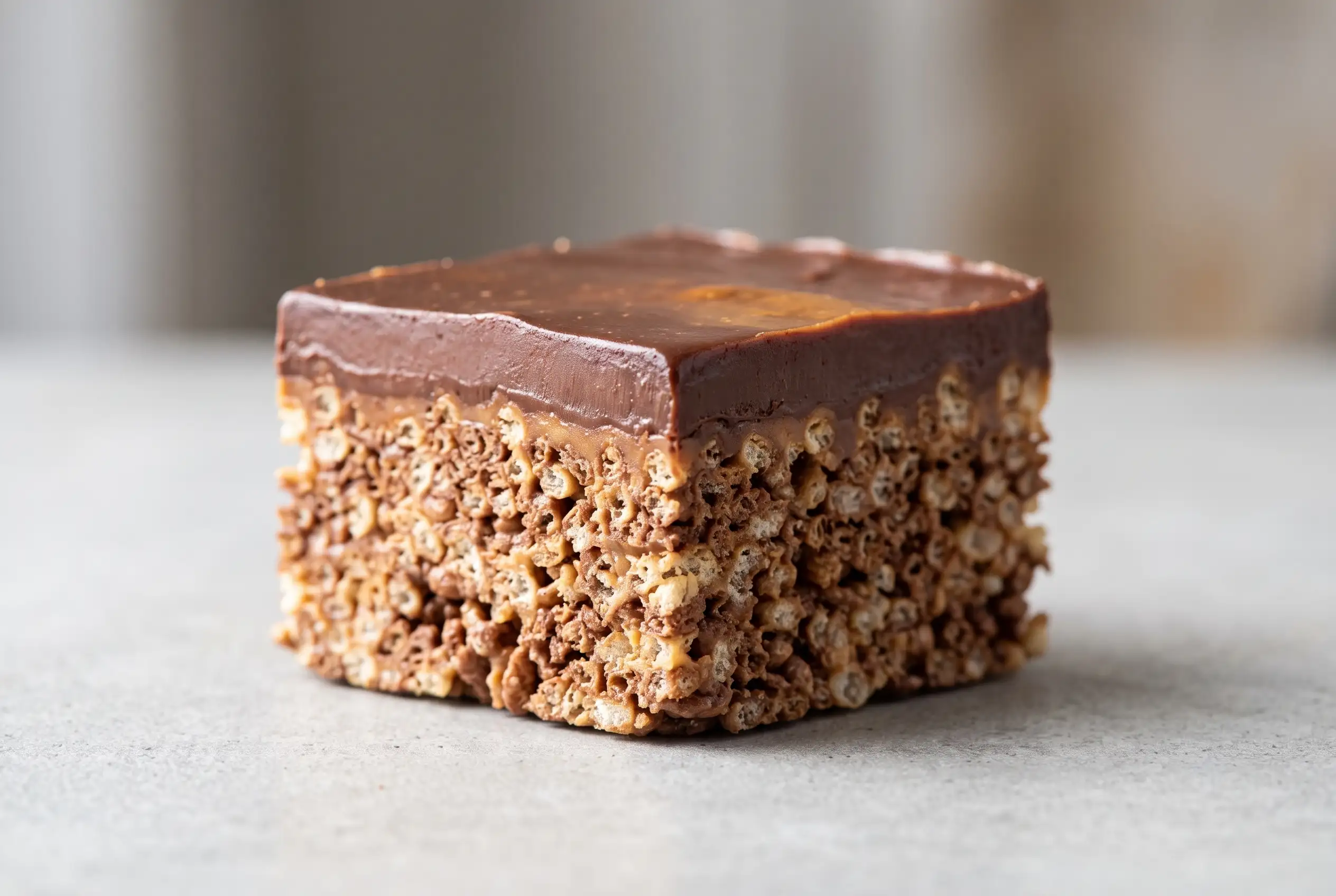
Chocolate Scotcheroos bring together crisp cereal, creamy nutty sweetness, and a rich chocolate topping in a bar that feels nostalgic while still offering plenty of room for flavor upgrades. The combination of peanut butter, Nutella, chocolate chips, and butterscotch chips creates a layered dessert with contrasting textures: a chewy cereal base and a smooth candy-like finish. Understanding the small cooking choices behind these bars helps preserve the soft bite and glossy topping that make them memorable.
Why Chocolate Scotcheroos Became a Cereal Bar Favorite
Few treats deliver such a satisfying mix of simplicity and indulgence. Chocolate Scotcheroos rely on pantry-friendly ingredients and a short preparation process, yet the finished bars have the appearance and flavor of a carefully crafted dessert. Their appeal comes from the way crunchy cereal absorbs a warm peanut butter mixture while remaining light enough to balance the rich topping.
The Flavor Balance Behind Peanut Butter Nutella Scotcheroos
Peanut butter and Nutella shape the identity of these cereal bars by creating a creamy center that connects the crisp cereal pieces. Peanut butter contributes a familiar roasted flavor, while Nutella adds chocolate-hazelnut sweetness that deepens the overall profile. Together, they create a base that tastes more complex than a traditional cereal treat.
Careful sweetness management matters because the cereal, syrup mixture, and topping all contribute sugar. The corn syrup and sugar mixture binds the cereal, while the chocolate and butterscotch topping adds another layer of sweetness. The peanut butter helps soften that effect by bringing a savory note that keeps each bite balanced.
Texture depends on how these elements work together. The cereal should remain recognizable after mixing, and the creamy ingredients should coat the pieces without turning the bars dense. Peanut butter nutella scotcheroos succeed because the ingredients create contrast instead of competing for attention.
Choosing the Right Cereal Texture for Chocolate Scotcheroos
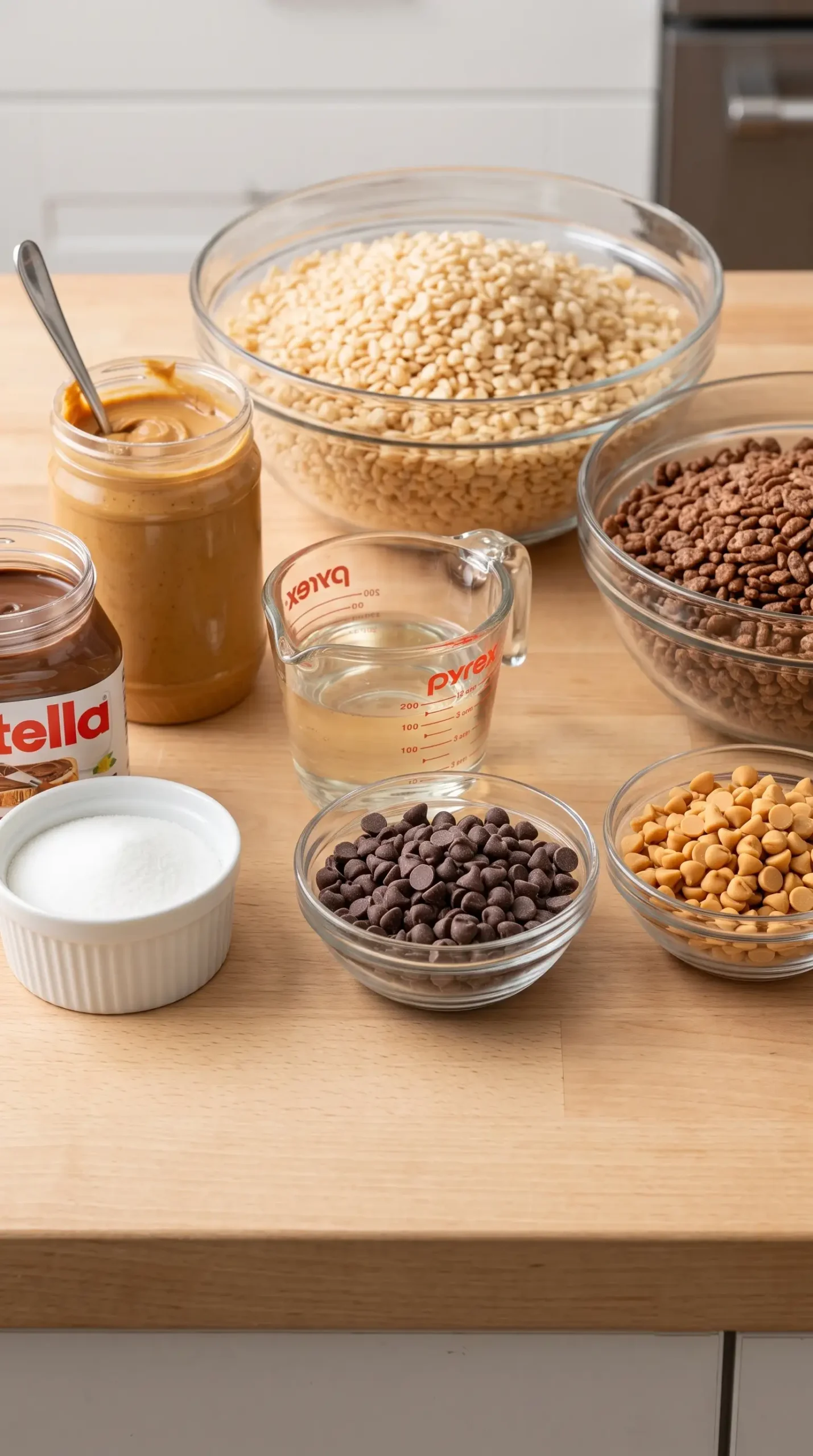
The combination of Rice Krispies and Cocoa Krispies gives these bars their signature crunch and chocolate character. Using both cereals creates a more interesting base than a single variety because the finished squares have a blend of plain crispness and cocoa flavor.
The Sweet Layer That Defines Chocolate Butterscotch Cereal Bars
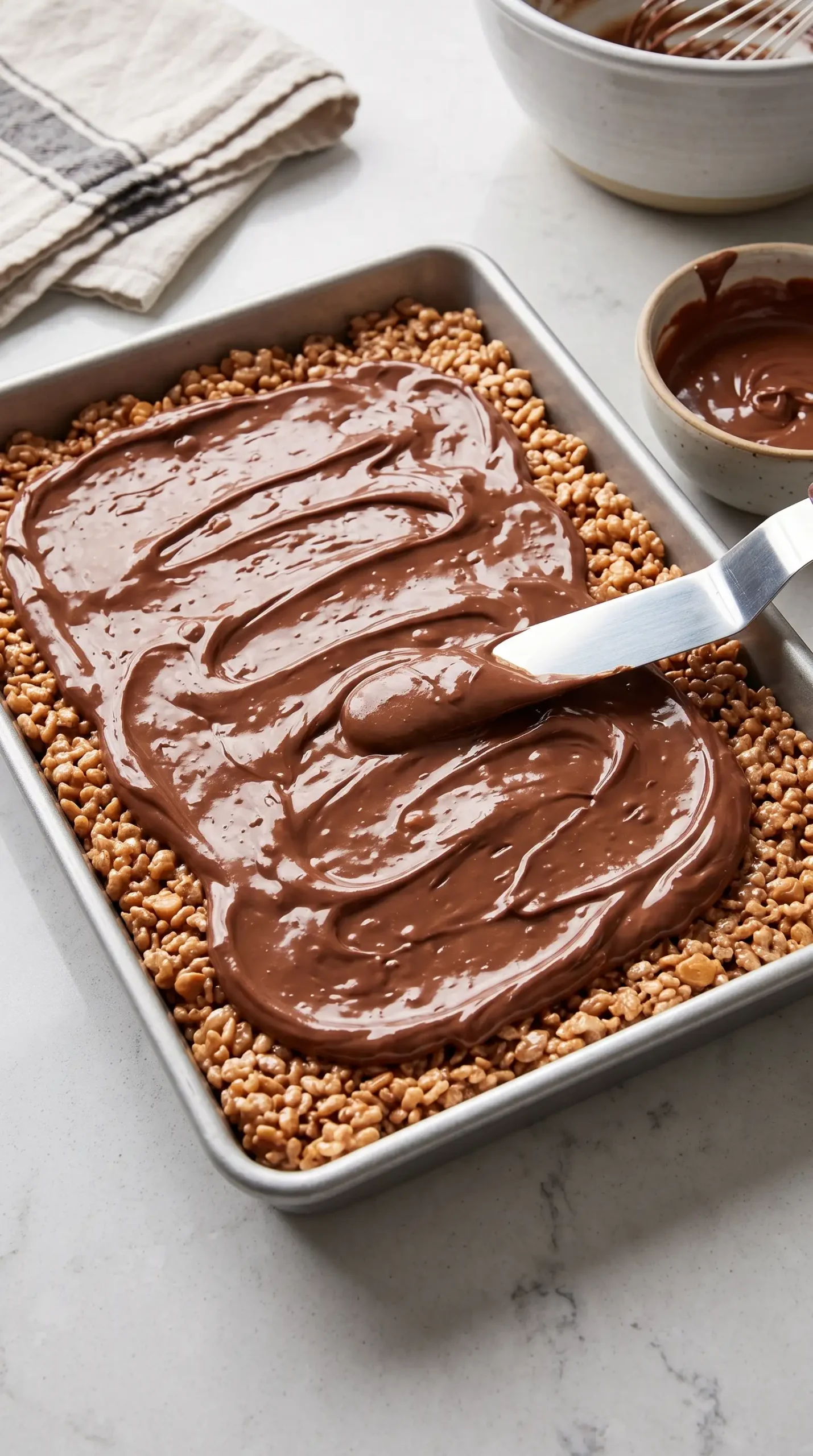
The topping is one of the most recognizable features of chocolate butterscotch cereal bars. A mixture of chocolate chips and butterscotch chips creates a smooth surface that hardens into a thin, candy-like layer while remaining easy to bite. Layered finishes are a key part of dessert bar texture, and chocolate peanut butter toffee bars use a crisp base with a rich topping to create a satisfying contrast.
Melting the chips gently over low heat helps maintain a smooth consistency because chocolate can scorch when overheated. Once the chocolate and butterscotch mixture is evenly softened and spread across the cereal base, the topping provides a smooth contrast to the softer interior.
Different chip ratios can slightly change the personality of the bars. A stronger butterscotch presence highlights caramel notes, while more chocolate creates a deeper cocoa flavor. Keeping the topping balanced allows the peanut butter filling and cereal texture to remain noticeable.
Keeping the Syrup Mixture Soft and Sliceable
The cooking stage determines whether chocolate scotcheroos bars stay tender or become difficult to cut. The corn syrup and sugar mixture should dissolve fully while avoiding a boil, because excessive heating can create a firmer candy texture that changes the way the bars feel.
Gentle heating gives the peanut butter and Nutella a smooth environment where they can melt into the syrup mixture. Once the cereal is added, quick and even stirring helps coat every piece before the mixture begins to cool.
Pressing the cereal mixture into the pan with controlled pressure also affects the result. A firm press helps the bars hold together, but excessive force can compress the cereal and remove some of the airy texture that makes them enjoyable.
Common Chocolate Scotcheroos Mistakes That Ruin the Texture
Several small mistakes can change the texture and appearance of chocolate scotcheroos. Paying attention during the heating and mixing stages prevents the most common problems.
- Boiling the sugar mixture: Excess heat can make the finished bars hard instead of pleasantly chewy.
- Overpacking the cereal: Pressing too aggressively can create a dense bar with less crunch.
- Overheating the topping: Chocolate and butterscotch chips need gentle melting to stay smooth and spreadable.
Another issue occurs when the topping is spread before the cereal layer has been evenly shaped. Uneven surfaces can lead to inconsistent slices, with some pieces having more topping than others. Smoothing the base before adding the chocolate layer helps create cleaner portions.
Fixing texture problems starts with identifying the cause. A firm bar usually points to excessive heat during the syrup stage, while a messy topping often comes from rushed melting or spreading. Adjusting those specific steps improves the next batch without changing the character of the dessert.
Simple Ways to Customize Chocolate Scotcheroos Bars
Small adjustments can personalize chocolate scotcheroos bars while keeping their classic structure intact. The strongest variations usually focus on the topping or finishing touches because the cereal base already provides the main texture.
- Chocolate emphasis: Increase the chocolate chip portion for a deeper cocoa finish.
- Butterscotch focus: Add more butterscotch chips for a stronger caramel-like flavor.
- Extra texture: Consider a light sprinkle of additional crunchy toppings after spreading the melted layer.
Serving and Storing Chocolate Scotcheroos for Best Texture
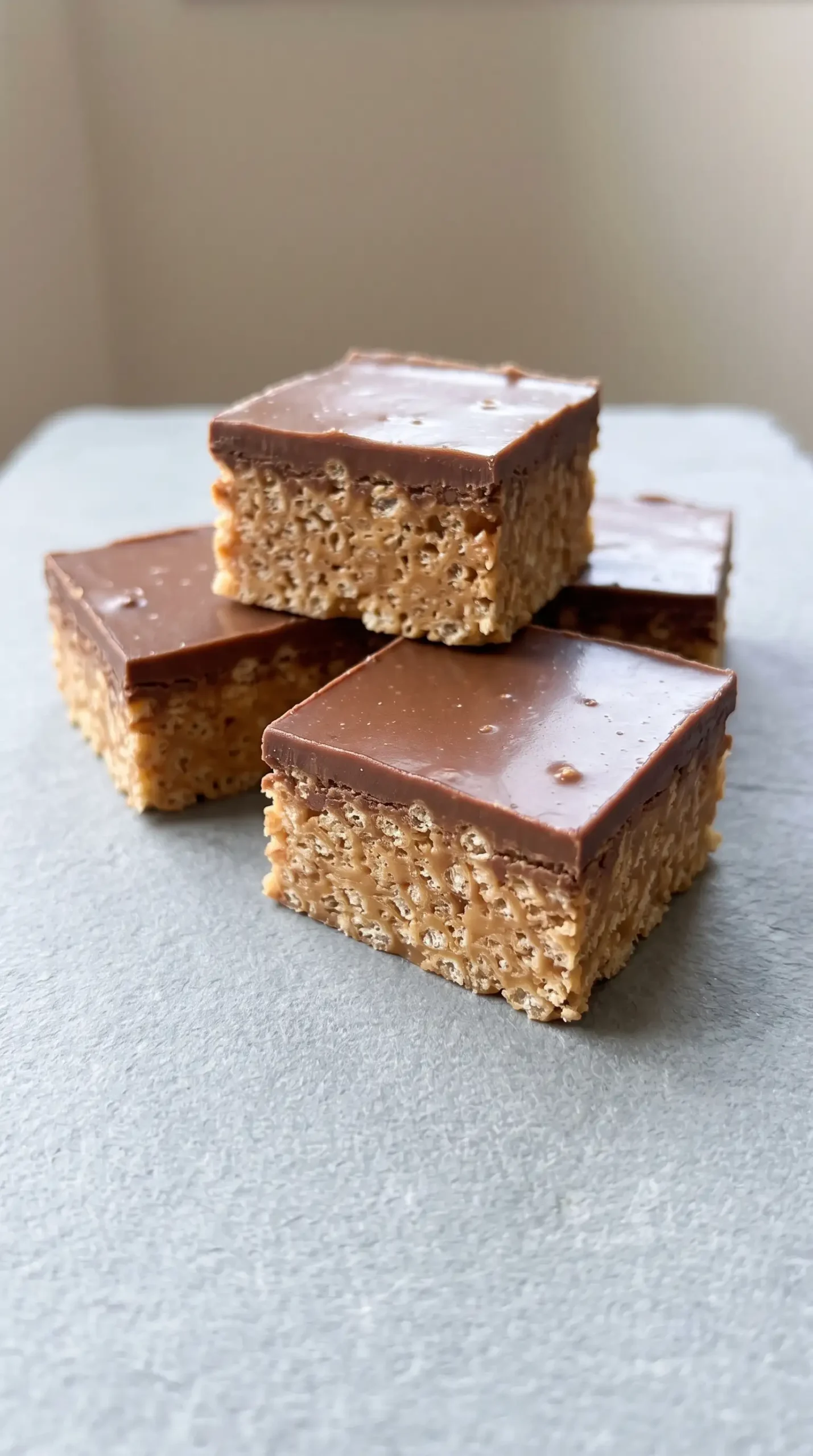
Chocolate Scotcheroos are easiest to enjoy when sliced after the topping has had time to set. Clean cuts are simpler when the surface is firm but the interior still has its soft cereal texture.
Storage conditions influence the consistency of these bars. Keeping them covered helps protect the cereal from losing its pleasant texture and prevents the topping from picking up unwanted flavors. A cool, dry area is generally suitable for short-term storage.
Serving size can also affect presentation. Smaller squares work well for gatherings because the rich topping and sweet cereal base make each piece satisfying. Larger portions create a more dessert-like experience with a stronger focus on the chocolate layer.
Why the Chocolate Topping Sets Correctly
The smooth topping depends on properly melted chips and a stable cereal surface. When the chocolate and butterscotch mixture is evenly spread, it forms a consistent layer that complements the chewy base beneath it.
Making These Bars for Different Occasions
Chocolate scotcheroos fit easily into many dessert settings because they combine familiar flavors with a convenient serving style. They can be prepared for casual snacks, holiday trays, or celebrations where a handheld sweet is useful.
Presentation can change the feeling of the dessert without altering the ingredients. Neatly cut squares create a polished appearance, while a more casual arrangement emphasizes the homemade nature of the bars.
Planning ahead is another advantage of this style of treat. Since the bars do not require complicated decoration, most of the attention can go toward achieving the right texture and a smooth topping. The result is a dessert that feels special without demanding elaborate techniques.
Chocolate Scotcheroos Depend on Gentle Heat and Balanced Layers
Chocolate Scotcheroos reach their best texture when the cereal stays crisp, the peanut butter mixture remains soft, and the chocolate butterscotch topping forms a smooth finish. The most important cooking judgment comes from controlling heat: dissolving the syrup mixture without boiling protects the chewy texture that defines the bars.
Each layer has a specific role, and the finished dessert works because those layers remain distinct while complementing one another. A careful approach to melting, mixing, and setting creates bars with the classic combination of crunch, creaminess, and chocolate richness.
Chocolate Scotcheroos Questions About Texture and Storage
Why did my Chocolate Scotcheroos turn out hard?
Hard bars usually result from heating the corn syrup and sugar mixture too aggressively. Keeping the mixture at a gentle heat until dissolved helps maintain a softer, chewier texture.
Can I use only one type of cereal in Chocolate Scotcheroos?
Using one cereal variety can work, but the combination of Rice Krispies and Cocoa Krispies creates the contrast of plain crisp texture and chocolate flavor that makes these bars distinctive.
How should I melt the chocolate and butterscotch topping?
The topping should be melted slowly over low heat or with a double boiler so the chips become smooth without overheating. Gentle melting creates a better spreading consistency.
Can Chocolate Scotcheroos be made with a different nut butter?
A different nut butter may change the flavor and texture, but choosing a smooth spread that blends easily with the syrup mixture will help maintain the creamy coating needed for the cereal base.
Why is my cereal layer difficult to spread?
The mixture can become harder to shape as it cools. Working efficiently after combining the cereal with the warm coating makes it easier to press the bars into an even layer.
Chocolate Scotcheroos with Peanut Butter and Nutella Bars
Ingredients
Method
- Lightly coat a 9×13 pan with butter or oil.
- Place the corn syrup and sugar in a large pot and heat until the sugar has dissolved, making sure the mixture does not boil.
- Add the peanut butter and Nutella to the warm syrup mixture and stir until melted and combined.
- Mix in the Rice Krispies cereal and Cocoa Krispies cereal until evenly coated, then press the mixture into the prepared pan.
- Melt the chocolate chips and butterscotch chips together using a double boiler or low heat until smooth.
- Spread the melted topping evenly over the cereal layer.
- Allow the topping to cool until it has set before cutting the bars.