
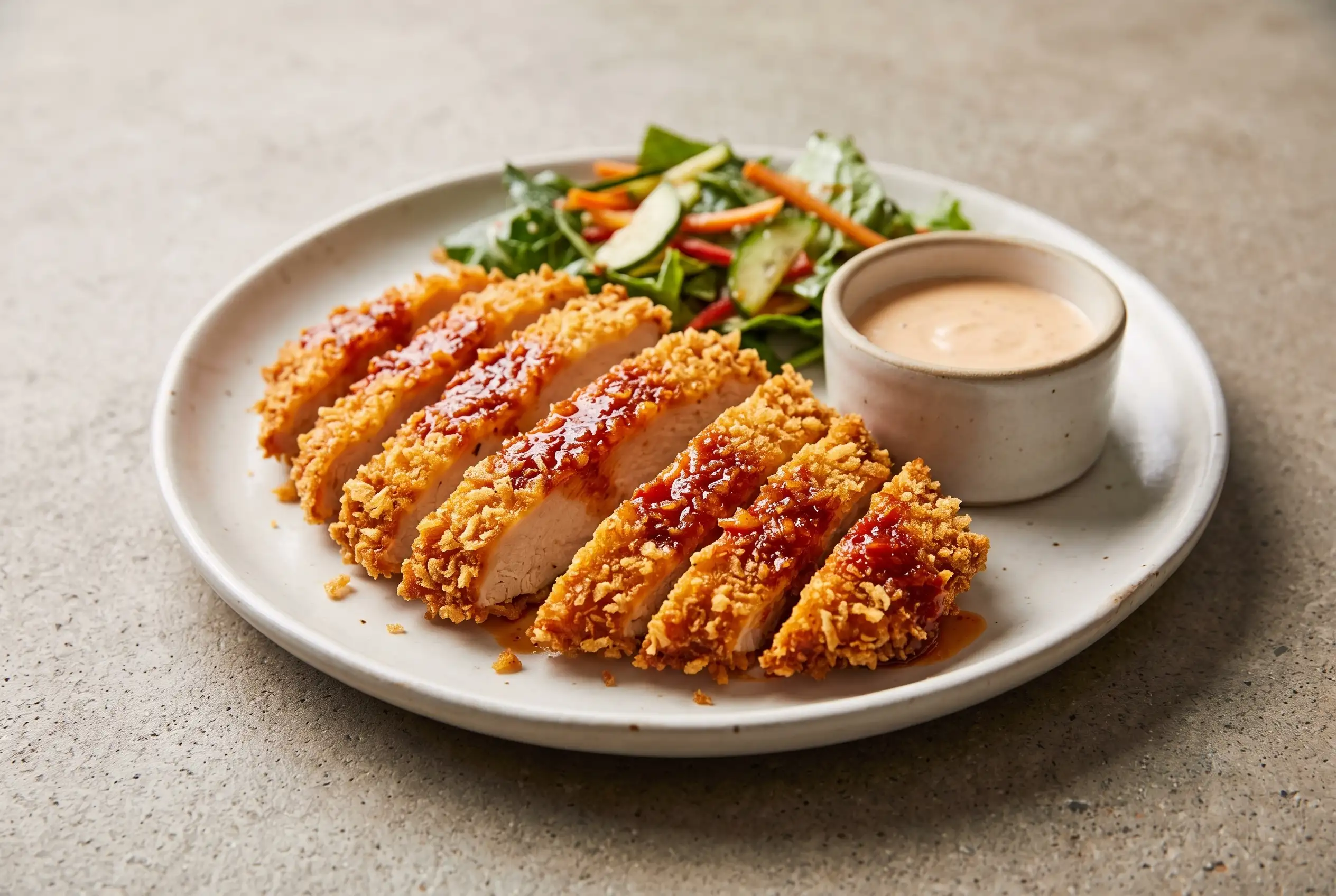
Crispy gochujang chicken combines a crunchy panko coating with a buttery Korean-inspired chile sauce that turns simple chicken breasts into a bold dinner centerpiece. The contrast between the crisp exterior and the savory, slightly sweet heat from gochujang creates a dish where texture is just as important as flavor.
Tender slices of chicken work especially well for this preparation because thinner pieces cook evenly while giving the breading more surface area to become golden. The combination of seasoned flour, gochujang-spiked egg, and panko creates layers that hold onto the finishing sauce without losing their crunch.
Crispy Gochujang Chicken Builds Flavor Around Texture
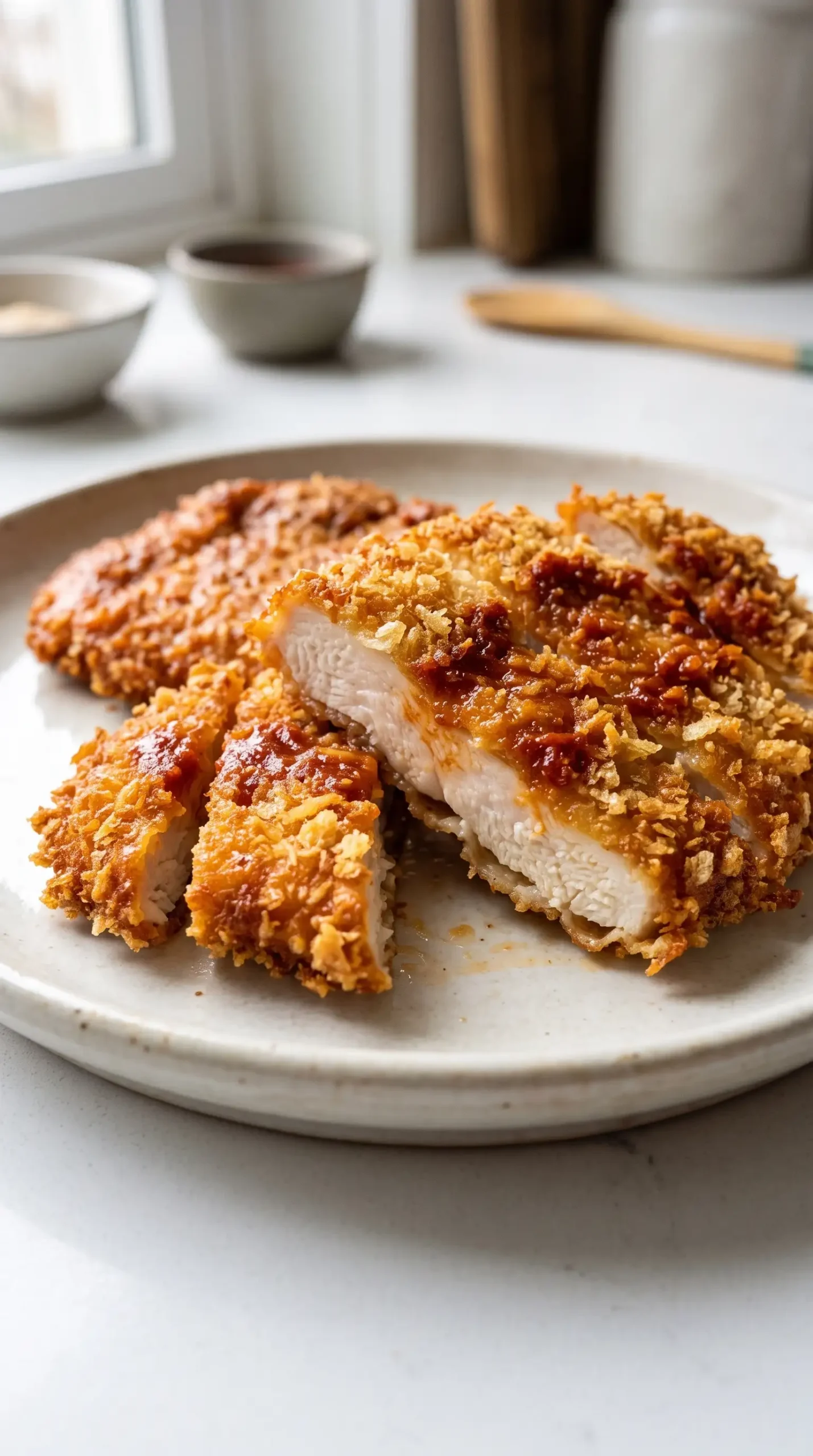
Balanced flavors define why this panko crusted gochujang chicken stands apart from ordinary breaded chicken. The coating provides a neutral, toasted foundation, while the sauce brings garlic, butter, and fermented chile flavor directly to the surface after cooking.
During preparation, the chicken is treated as a canvas for multiple textures. A firm panko layer creates irregular crispy edges, and the thinner chicken pieces allow each bite to include both the crunchy exterior and the juicy center.
Air-frying methods make the texture easier to control because the chicken receives direct heat while the oil spray encourages browning on the exposed coating. The result is an air fryer gochujang chicken style that keeps the focus on crispness instead of a heavy fried coating.
Panko Crust Defines the Chicken’s Signature Crunch
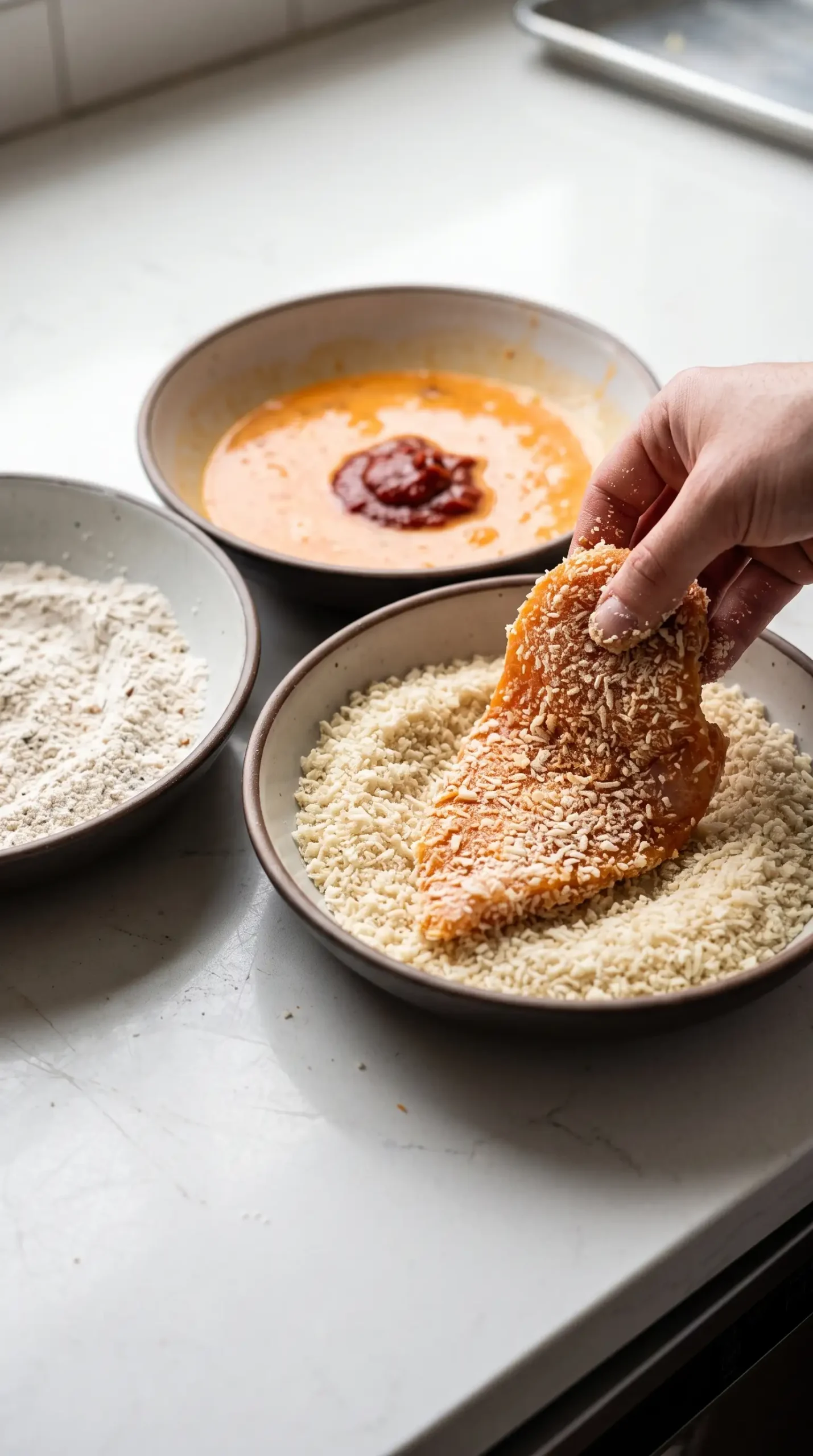
Panko crust quality depends on how the breading is prepared before it reaches the air fryer. Shaking excess flour from the chicken helps prevent a thick layer that can separate, while allowing the egg mixture to lightly coat the surface gives the crumbs a reliable base. Careful panko coating preparation helps create the crisp exterior needed for a strong contrast with the buttery gochujang sauce.
Gochujang paste in the egg mixture introduces seasoning before the chicken cooks, so the flavor is distributed through the coating instead of appearing only in the finishing sauce. This small addition creates a more connected spicy profile throughout each piece.
Butter sauce application requires attention because moisture can soften crisp surfaces. Brushing the cooked chicken after it develops its crust keeps the sauce concentrated on the outside while preserving the contrast that makes crispy gochujang chicken satisfying.
Gochujang Butter Sauce Creates the Spicy Finish
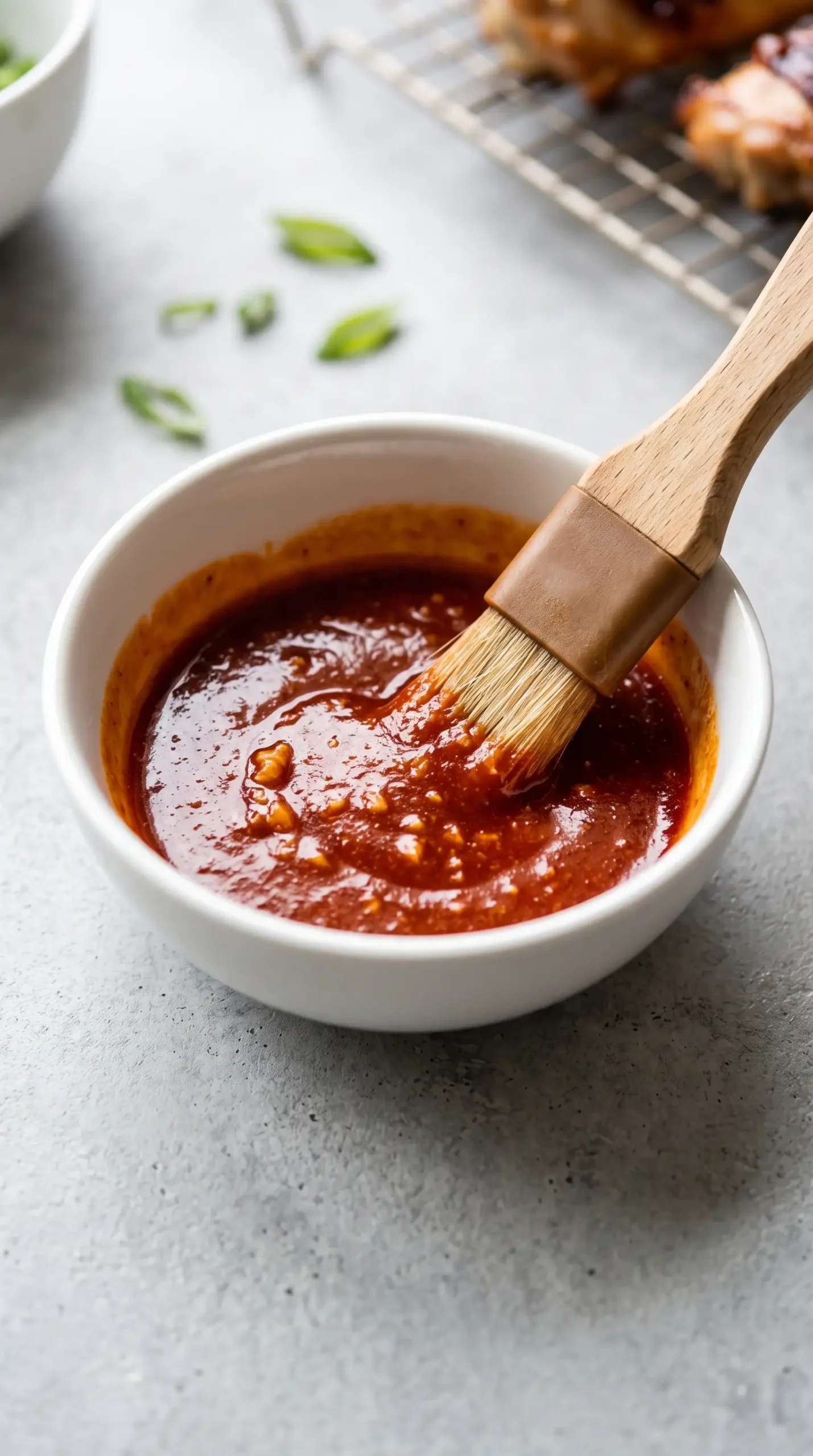
A focused sauce made from melted butter, grated garlic, and gochujang delivers the finishing flavor without requiring a long ingredient list. The sauce works best when brushed onto hot chicken so it spreads easily across the crisp coating.
Air Fryer Heat Creates Even Golden Edges
Controlled cooking temperatures have the biggest effect on the finished coating. Starting with moderate heat allows the breading to firm up, while increasing the temperature later helps develop a deeper golden color without rushing the chicken before it cooks through.
Proper spacing between pieces also matters because crowded chicken can trap moisture around the coating. Leaving room for hot air movement supports a crisp surface and reduces uneven browning.
Checking doneness remains important with breaded chicken because color alone cannot confirm that the center is fully cooked. Chicken should reach a safe internal temperature before serving, especially when working with thicker sections.
Chicken Slicing Decisions Shape Every Bite
Thin chicken pieces create the balance that makes this dish work. Splitting thicker breasts into flatter portions shortens the distance heat must travel and creates a better ratio of crust to meat in every serving.
Common Mistakes Ruin Crispy Gochujang Chicken Results
Uneven slices can create mixed results because small pieces may dry out while thicker sections still need cooking. Cutting the chicken into consistent portions helps each piece move through the cooking process at a similar pace.
Excess breading moisture is another common issue with crispy gochujang chicken. Letting extra egg mixture drip away before pressing into panko keeps the coating textured instead of allowing it to become heavy or patchy.
Over-saucing the chicken immediately after cooking can also reduce the crisp texture. Applying the gochujang butter with a brush gives better control and allows the spicy finish to complement the crust instead of covering it completely.
Serving Pairings Balance the Korean-Inspired Chicken
Fresh vegetables and creamy dipping sauces provide contrast alongside the spicy chicken. A platter with crisp vegetables or a side of Yum Yum sauce creates different flavor directions for each bite.
Alternative Cooking Paths Keep the Crust Versatile
Different cooking methods can produce the same overall style while changing the texture slightly. Choosing the right approach depends on whether you prefer the convenience of circulating heat or the deeper browning from direct oil contact.
| Cooking method | Texture result | Important adjustment |
|---|---|---|
| Air frying | Light, crisp panko coating | Use oil spray to encourage browning |
| Oven baking | Evenly cooked breaded chicken | Flip during cooking and increase color near the end if desired |
| Shallow frying | Deep golden exterior | Cook in a neutral oil layer until crisp and cooked through |
Storage Choices Protect the Crunch
Stored chicken can remain flavorful, although the coating naturally softens after refrigeration. Keeping leftovers separate from extra sauce helps preserve more of the original texture when reheating.
Gochujang Selection Changes the Sauce Character
Fermented chile paste determines much of the personality of the sauce. Different gochujang brands can vary in sweetness, heat, and intensity, so the amount used in the butter mixture can be adjusted to match personal preference.
Understanding the ingredient helps explain why the sauce has such a layered character: gochujang is a fermented red chile paste used in Korean cooking that brings together savory depth, sweetness, and spice.
Choosing a familiar gochujang brand makes the sauce easier to balance because the flavor profile stays consistent between batches. A paste with noticeable savory depth pairs naturally with garlic and butter, creating a richer coating for the chicken.
Serving sauces can also shift the experience. A creamy dip alongside the spicy chicken introduces a cooling element, while vegetables bring freshness that keeps the meal from feeling too heavy.
Crispy Gochujang Chicken Keeps Crunch Through Layered Saucing
Crispy chicken texture comes from building each layer with a purpose. The flattened chicken pieces support even cooking, the panko creates the browned exterior, and the gochujang butter adds concentrated flavor after the crust has formed.
Careful sauce placement makes the difference between a crisp coating and a softened one. When the spicy butter is brushed on with control, crispy gochujang chicken keeps its defining contrast from the first bite through the last.
Gochujang Chicken Texture Questions and Answers
How do I keep the panko coating crispy?
Keeping the chicken pieces lightly coated with sauce helps protect the crunch. Applying only enough gochujang butter to cover the surface prevents excess moisture from soaking into the panko crust.
Can I make crispy gochujang chicken without an air fryer?
Yes, the chicken can be baked or shallow fried. Baking uses dry heat for a lighter approach, while shallow frying creates a more traditional fried texture with a deeper browned exterior.
Why does my breading fall off the chicken?
Breading usually adheres better when excess flour and egg mixture are removed before the panko step. Pressing the crumbs firmly onto the chicken helps create a stronger coating that stays attached.
What vegetables pair well with the spicy chicken?
Fresh or simply prepared vegetables work well because they balance the bold sauce. Crunchy vegetables, roasted options, or a simple chilled side can all complement the garlic and chile flavors.
Crispy Gochujang Chicken with Buttery Chile Sauce and Garlic
Ingredients
Method
- Slice the tenderloin from the back of each chicken breast, then cut the breasts horizontally into thinner portions or thirds if needed. Season the chicken with salt and pepper.
- Set up three breading bowls with flour, eggs mixed with gochujang sauce, and panko. Add an extra 1/2 teaspoon salt to both the flour and panko bowls.
- Coat each chicken piece in flour, removing excess. Dip into the egg mixture, allow extra coating to drip away, then press into the panko until covered on both sides.
- Spray the top surface of each breaded chicken piece with avocado oil. Air fry at 375°F (191°C) for 5 minutes, then cook at 400°F (204°C) for another 2-3 minutes to deepen the color.
- Whisk the melted butter with gochujang sauce and grated garlic in a small bowl. Brush the finished chicken pieces with the sauce.
- Slice the chicken and serve on a platter or cutting board with Yum Yum sauce for dipping.