
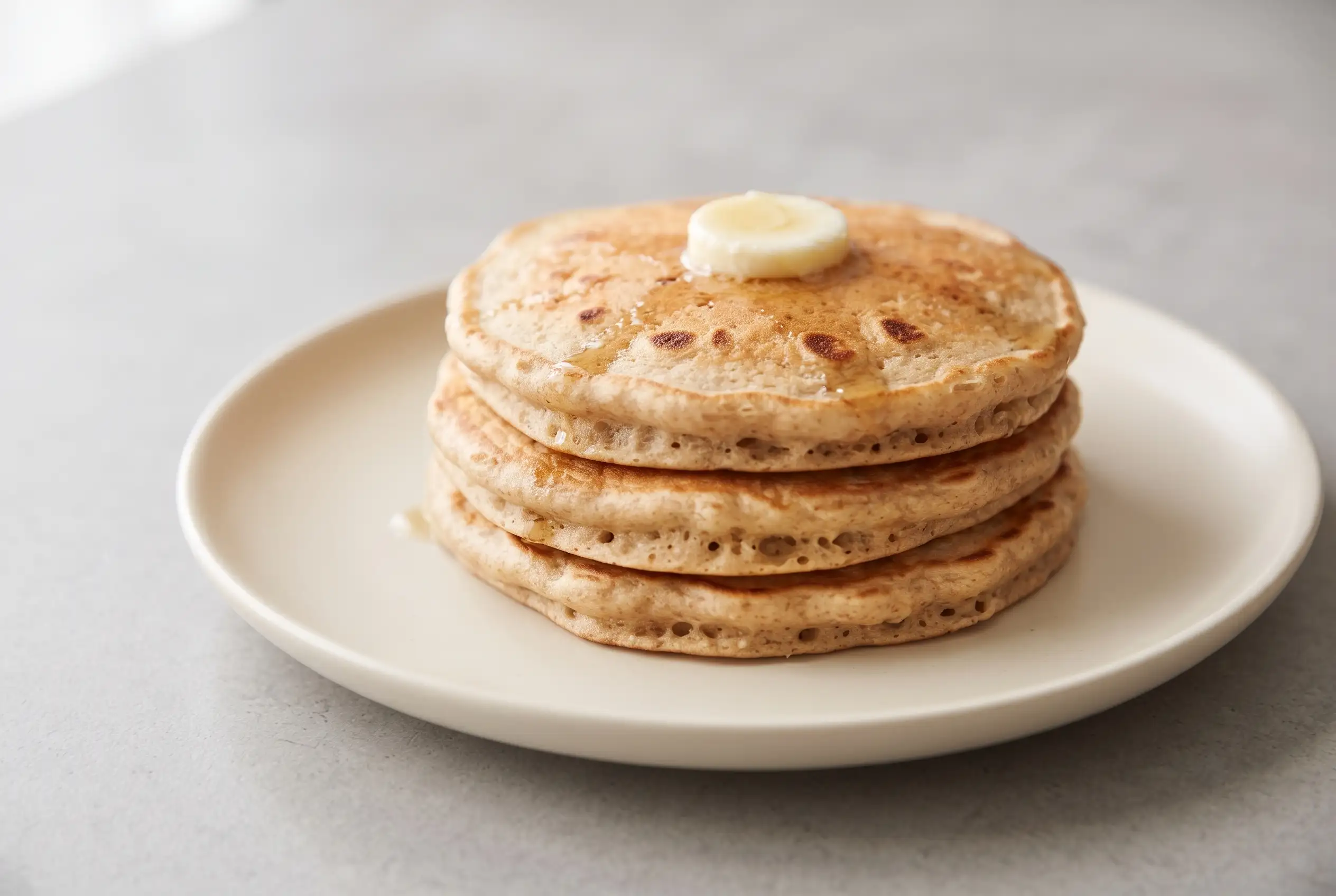
dinner pancakes bring a savory breakfast-table approach to a familiar griddle favorite, using separated eggs, tangy buttermilk, and a carefully balanced batter for pancakes with a tender interior and lightly browned surface. Classic Dinner Pancakes focus on technique as much as ingredients, because small choices in mixing and heat control determine the finished texture.
Many pancake recipes rely on a quick blend of ingredients, but this version builds extra lightness by treating the eggs separately. The whipped whites are folded into the batter, creating a texture that works well for a meal served immediately from the griddle.
Buttermilk Creates the Foundation for Dinner Pancakes
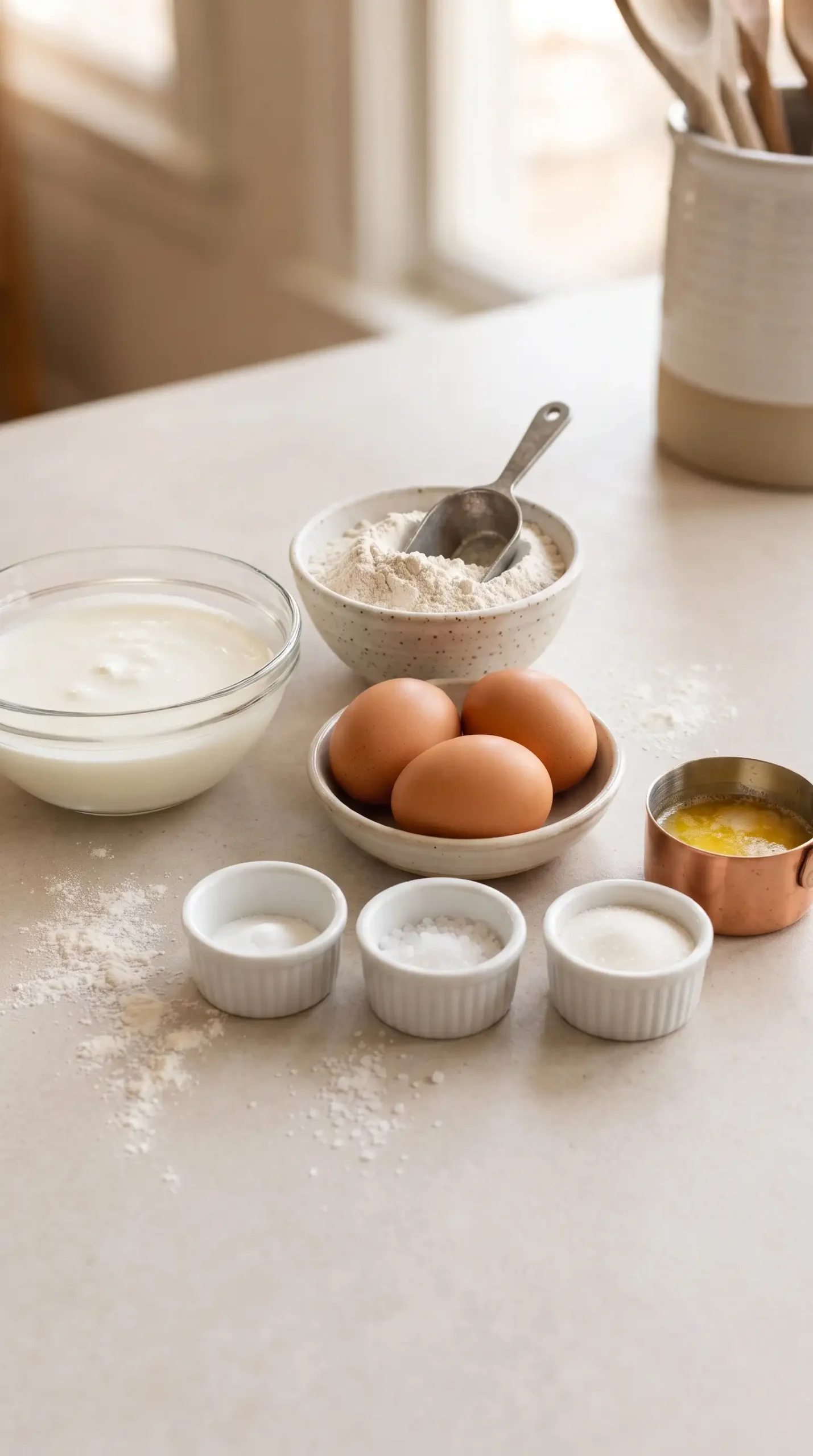
Buttermilk gives dinner pancakes their characteristic tang and helps create a batter that cooks into a soft, tender pancake. Its acidity works alongside baking soda, allowing the leavening process to develop bubbles that appear during cooking.
Careful mixing matters because flour absorbs liquid at different rates. Allowing the dry ingredients and buttermilk to come together gradually helps prevent areas of excess flour or uneven moisture.
Classic dinner pancakes recipe searches often lead cooks toward versions that emphasize sweetness, but this style keeps the sugar level restrained. The balance allows the egg, butter, and buttermilk flavors to remain noticeable while still producing a familiar pancake profile.
Whole Wheat Pastry Flour Pancakes Depend on Fine Flour Choice
Whole wheat pastry flour pancakes benefit from the lighter texture of pastry flour while still bringing the nutty character associated with whole wheat. Choosing this flour changes the batter behavior, making it especially useful for cooks who want a softer pancake texture without moving away from whole grains. A recipe such as whole grain pancakes with cinnamon and cottage cheese shows how whole-grain ingredients can be balanced while keeping a tender pancake texture.
Egg Separation Shapes the Pancake Texture
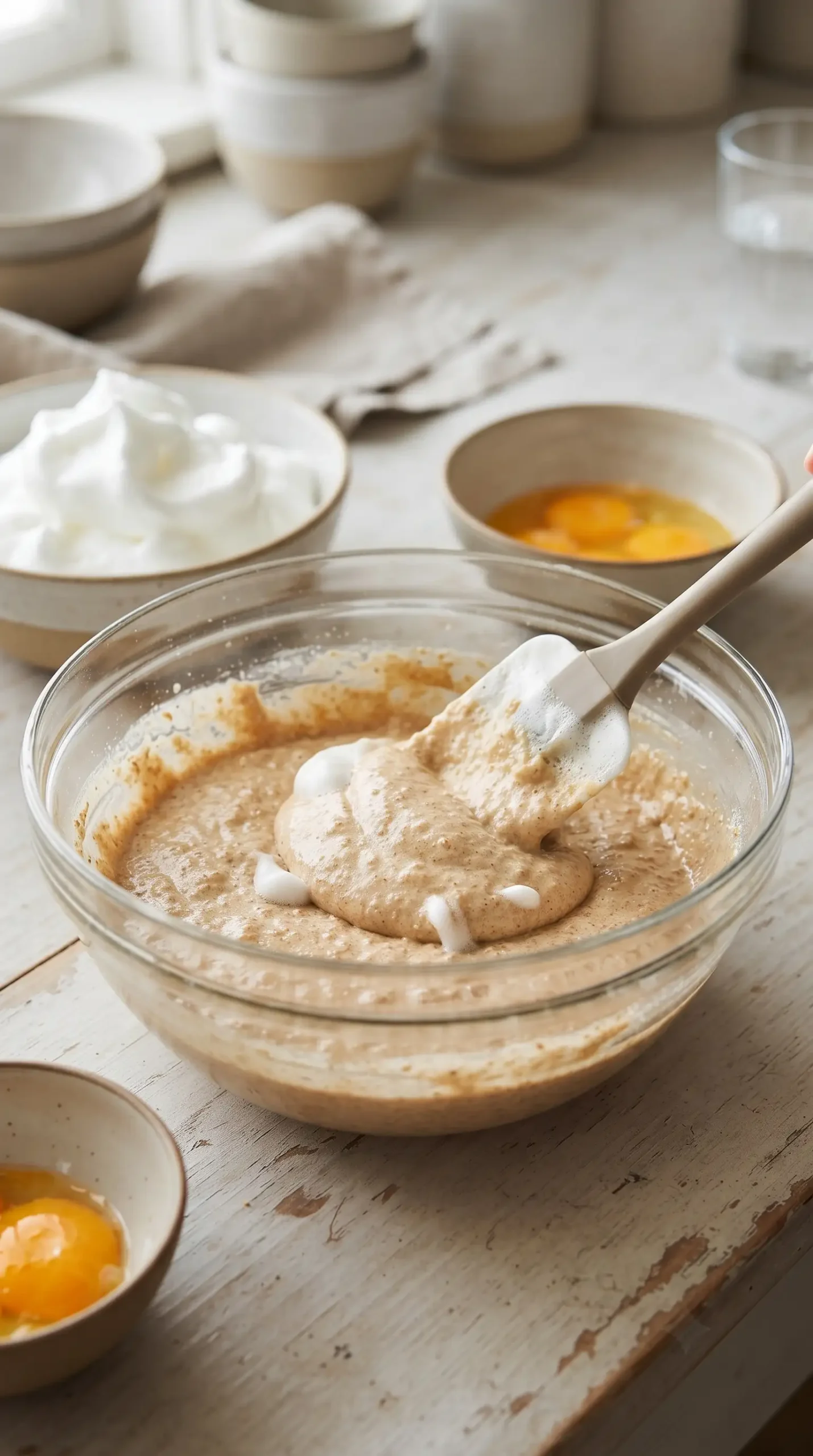
Separating the eggs creates two different jobs within the batter. The yolks combine with the flour mixture and liquids to create richness, while the whites are whisked until airy before being folded in.
Whisking egg whites briefly introduces small pockets of air that expand as the pancakes cook. Folding them gently keeps those pockets intact so the batter remains lighter on the griddle.
Egg handling is one of the defining steps that separates these dinner pancakes from simpler mixes. The technique does not require complicated equipment, but it rewards attention during the folding stage.
Griddle Heat Defines the Cooking Control
Temperature management has a direct effect on pancake color and texture. A properly heated griddle allows the batter to begin setting quickly while leaving enough time for the center to cook before the surface becomes too dark.
Experienced cooks often watch the surface more closely than the clock. Rising bubbles indicate that the pancake structure is developing and that the first side is approaching the point where flipping makes sense.
Using a griddle with a visible temperature setting can make this process easier because cooks can repeat the same heat level. When using a skillet without a temperature display, medium-high or high heat may be needed to reach the same cooking environment.
| Cooking sign | What it indicates | Useful response |
|---|---|---|
| Bubbles rise across the surface | The batter is setting | Prepare to flip when the first side is browned |
| Surface browns too quickly | Heat may be too strong | Reduce the temperature before the next batch |
| Center remains soft after flipping | The pancake needs more cooking time | Continue until the inside is cooked through |
Common Mistakes in Dinner Pancakes Come From Batter and Heat
Overworking the batter can make the pancakes heavier because overmixing develops gluten, which can affect the final texture. Combining ingredients until incorporated keeps the texture closer to the intended result.
Batter Texture Determines How Dinner Pancakes Cook
Proper batter consistency helps each pancake spread naturally while remaining thick enough to hold its shape. The mixture should carry the air created from the whipped egg whites without becoming difficult to pour.
Flour absorption can vary depending on the type selected, especially when using whole wheat pastry flour. A cook should pay attention to how the batter moves and avoid adjusting it without a clear reason.
Buttermilk dinner pancakes work best when the batter is handled with care before reaching the griddle. The texture created during preparation directly affects the finished pancake, so gentle folding and controlled cooking remain important.
Serving Choices Keep Fresh Pancakes at Their Best
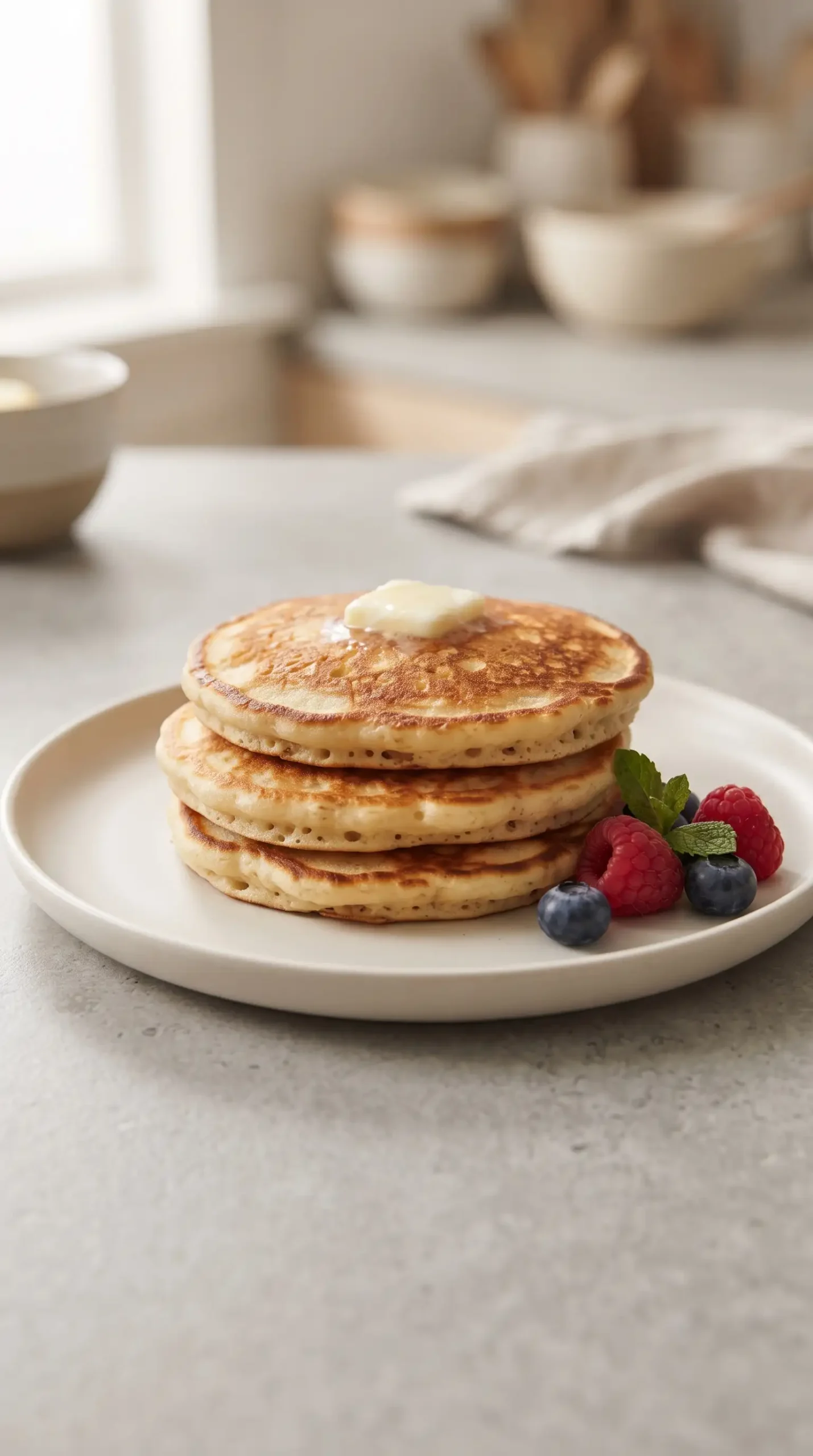
Freshly cooked pancakes are best served soon after leaving the griddle because their soft texture is most noticeable while warm. Simple toppings allow the pancake itself to remain the center of the plate.
Dinner Pancakes Offer a Balanced Meal Option
dinner pancakes can work beyond a traditional morning setting because their mild flavor pairs well with many meal styles. The restrained sweetness makes them suitable for savory additions, fruit, or classic breakfast toppings.
Some cooks prefer serving pancakes as part of a larger meal, while others use them as the main focus. Their structure allows them to support different accompaniments without losing their own character.
Classic dinner pancakes recipe variations should keep the original balance in mind. Changes that affect flour, liquid, or egg structure can alter the texture more dramatically than small flavor adjustments.
Storage Methods Protect Cooked Pancake Quality
Cooked pancakes can be cooled and stored for later use when handled properly. Keeping them covered helps reduce moisture loss, and reheating gently can help restore a softer texture.
Simple Adjustments Create New Pancake Directions
Small changes can personalize dinner pancakes without changing the core method. Cooks may explore different serving approaches while keeping the separated egg technique and griddle control that define the texture.
Troubleshooting Dinner Pancakes Requires Observation
Uneven browning usually points to inconsistent heat across the cooking surface. Checking the temperature area and adjusting the burner or setting can improve later batches.
Heavy pancakes may result from handling the batter too aggressively or losing some of the air from the egg whites during mixing. Gentle preparation helps maintain the lighter structure.
Dry pancakes can come from overcooking or from an imbalance in the batter. Watching the surface changes and removing pancakes once properly cooked helps preserve moisture.
Pancake Pairings Highlight the Mild Flavor Profile
Because dinner pancakes have a balanced flavor, they can be served with many complementary foods. Fresh fruit, butter, or other preferred toppings can be added according to the meal style without changing the basic pancake preparation.
Kitchen Notes Improve Classic Dinner Pancakes
Successful batches often come from repeating the same handling choices: measuring carefully, preparing the batter gently, and paying attention to the griddle surface. These details matter because pancakes respond quickly to small changes during cooking.
- Heat awareness: Watch browning and bubbling instead of relying only on appearance.
- Gentle folding: Protect the airy egg white structure when combining the batter.
- Immediate serving: Enjoy the softest texture while pancakes are freshly cooked.
Classic Dinner Pancakes Reach Their Best Texture Through Technique
Classic Dinner Pancakes show how separated eggs, buttermilk, and controlled griddle heat work together to create a soft interior with a browned exterior. The most important judgment comes from respecting the batter structure and cooking surface at each stage.
Questions About Dinner Pancakes Texture and Preparation
Why do the egg whites matter in dinner pancakes?
The whipped egg whites add air to the batter, which helps create a lighter texture after cooking. Folding them carefully keeps that benefit in the finished pancakes.
Can whole wheat pastry flour pancakes be made with regular flour?
Regular flour can be used, but the texture may change because different flours absorb liquid differently. Adjusting the batter based on its consistency is more important than making a direct swap.
How can I tell when dinner pancakes are ready to flip?
Look for bubbles rising on the surface and a set edge around the pancake. These signs show that the first side has developed enough structure for flipping.
What causes pancakes to become dense?
Dense pancakes can come from losing the air incorporated into the egg whites or mixing the batter too much. Gentle handling supports a lighter result.
Dinner Pancakes with Buttermilk and Whole Wheat Flour
Ingredients
Method
- Separate the eggs and beat the egg yolks. Sift the dry ingredients, then add them to the yolks alternately with the buttermilk.
- Mix in the melted butter. Whisk the egg whites for about a minute, then gently fold them into the batter.
- Cook the pancakes on a hot griddle at 400°F (204°C) until bubbles rise on the surface, about 3 minutes.
- Flip the pancakes and cook for another 2 minutes, or until golden brown. Serve immediately.