
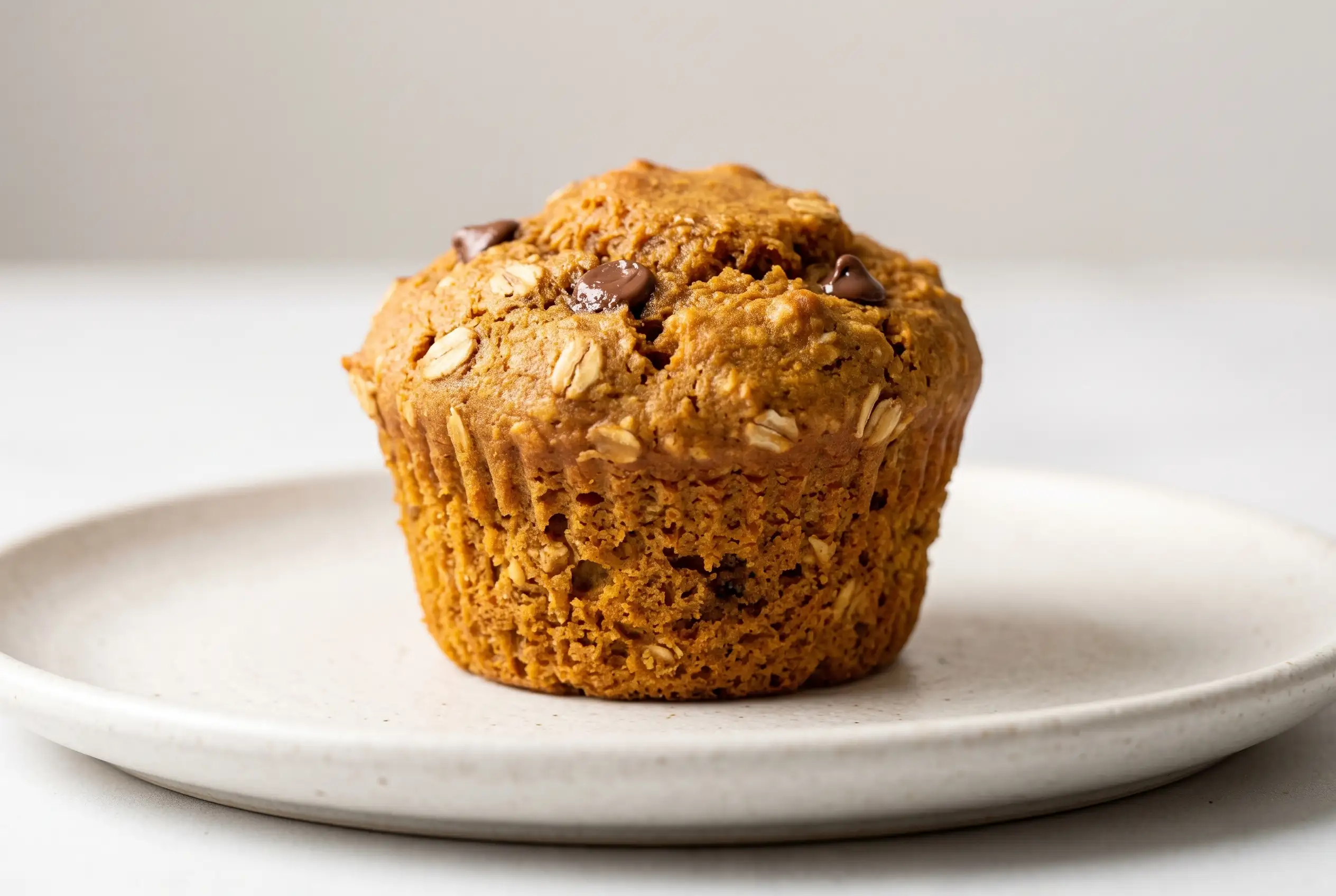
Pumpkin Muffins Bring Together Oats, Pumpkin, and Cozy Flavor
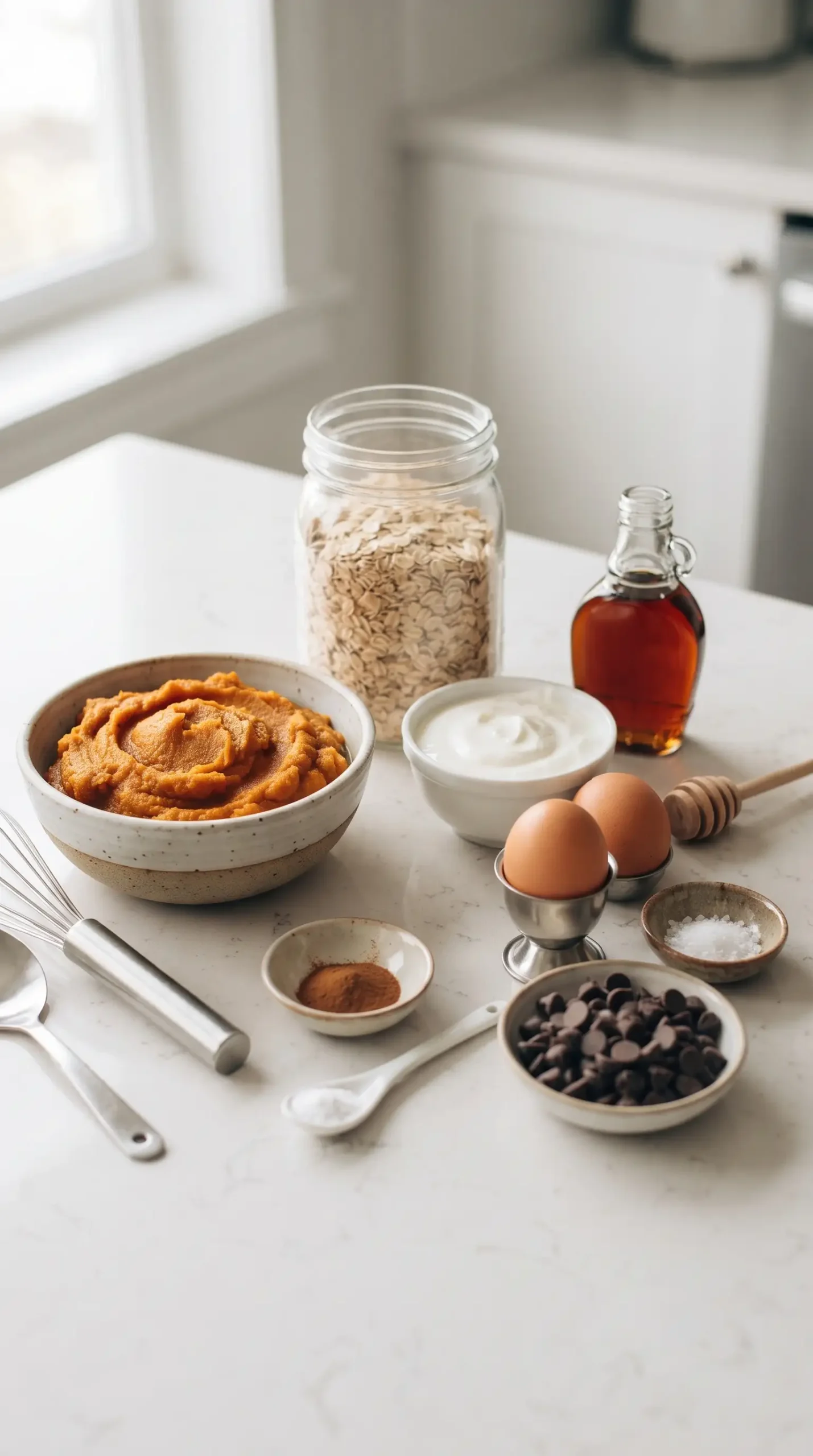
Pumpkin muffins create a soft, satisfying bake by combining familiar fall flavors with a simple oat-based structure. The blend of pumpkin puree, rolled oats, Greek yogurt, maple syrup, and eggs creates a breakfast-friendly option that feels wholesome while still delivering the comfort people expect from a warmly spiced muffin.
Simple ingredients help these pumpkin muffins stand out because the texture comes from blending oats into a mostly smooth batter instead of relying on traditional flour. The result is a muffin with a tender bite and a rustic character from the small oat pieces that remain after processing.
Blended batter also makes these muffins approachable for busy mornings or casual baking projects. The process keeps preparation focused on texture control, ingredient balance, and choosing the small additions that make each batch feel personal.
Rolled Oats Shape the Texture of Pumpkin Oatmeal Muffins
Rolled oats are the ingredient that defines the structure of these pumpkin oatmeal muffins. Pulsing them before adding the remaining ingredients allows the oats to become a softer base while still leaving enough texture for a hearty muffin crumb. Breakfast baking with oats can take many forms, including Apple Muffins with Oats and Maple Syrup and Medjool Dates, which uses the ingredient for a tender, fruit-filled muffin texture.
Pumpkin puree works alongside the oats by adding moisture and a naturally rich flavor. Since the batter depends on oats absorbing liquid, the timing between blending and baking matters. A long wait after mixing can change the texture because the oats continue taking in moisture.
| Ingredient choice | Effect on the muffin | Useful consideration |
|---|---|---|
| Rolled oats | Creates the main structure | Blend before baking for a finer texture |
| Pumpkin puree | Adds moisture and seasonal flavor | Canned puree works well |
| Greek yogurt | Supports a tender texture | Plain yogurt keeps the flavor balanced |
Greek Yogurt Pumpkin Muffins Stay Tender Through Balanced Moisture
Greek yogurt pumpkin muffins benefit from the combination of creamy yogurt and pumpkin puree. These two ingredients help create a soft interior while keeping the batter thick enough to bake into individual muffins.
Maple syrup contributes sweetness while fitting naturally with pumpkin and cinnamon. The flavor profile remains gentle, which leaves room for optional chocolate chips without making the muffins feel overly heavy.
Eggs provide another important part of the batter’s structure. They help the blended mixture hold together during baking, allowing the oats, yogurt, and pumpkin to form a cohesive muffin instead of a loose baked mixture.
- Chocolate chips: Add small pockets of sweetness when you want a dessert-like touch.
- Cinnamon: Brings warm spice that pairs naturally with pumpkin.
- Salt: Helps keep the overall flavor balanced.
Blending Decisions Improve Pumpkin Muffin Texture
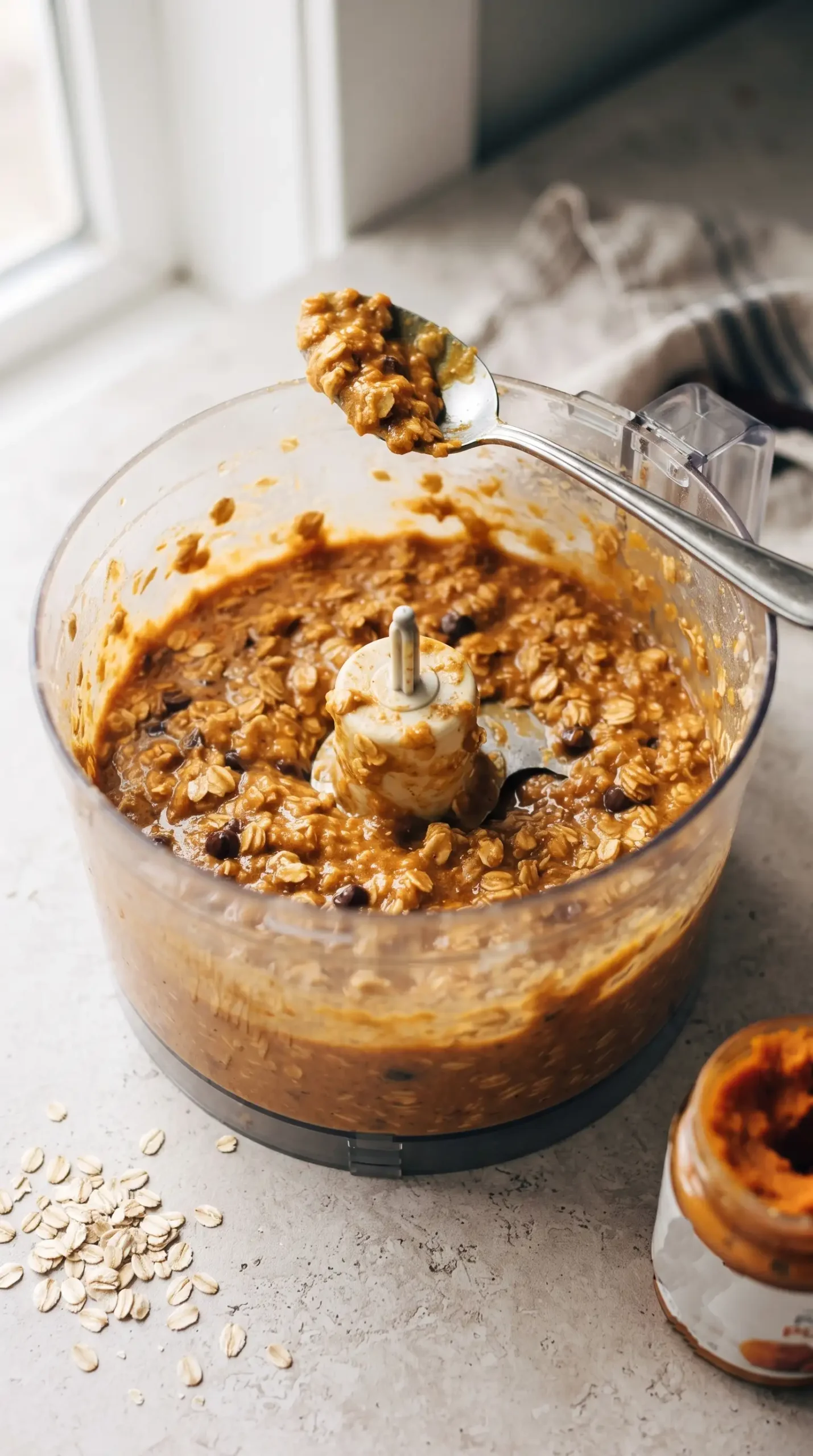
Blending choices have the biggest impact on how these muffins bake. A quick pulse gives the oats a finer texture while preserving some small pieces, creating a middle ground between a completely smooth muffin and a coarse oat bake.
Grinding oats more finely changes how they behave in baking by creating a softer flour-like texture. This oat flour texture helps explain why pulsing rolled oats gives these muffins a more tender crumb while keeping some of the hearty character of oats.
Careful timing matters after the batter comes together. Moving directly from mixing to baking helps maintain the intended texture because the oats have not had extra time to absorb additional moisture.
Visible oat pieces are not a problem in this batter. They are part of the texture that makes these muffins different from versions made with refined flour. The important detail is avoiding a long pause that allows the mixture to become overly thick or gummy.
Pumpkin Muffins Mistakes That Lead to Gummy Texture
Common pumpkin muffins mistakes usually come from changes that affect the oat-based batter. The supplied method is simple, but a few choices can make the difference between a tender muffin and one with an overly dense texture.
- Waiting too long: Bake the batter after mixing so the oats do not continue soaking up moisture.
- Over-processing: Keep some oat texture by pulsing instead of turning every piece completely smooth.
- Skipping moisture balance: Keep the pumpkin puree and yogurt portions consistent so the batter structure stays dependable.
Uneven results can also happen when optional additions overwhelm the batter. Chocolate chips work well as a small accent, but keeping the mix-ins moderate helps preserve the muffin texture created by the oats and pumpkin.
Chocolate Chips Add Contrast to Pumpkin Muffin Flavor
Chocolate chips bring a richer note to pumpkin muffins without changing the foundation of the batter. Stirring them in at the end keeps the pieces distributed throughout the muffins and lets the pumpkin flavor remain noticeable.
Gluten-Free Pumpkin Muffins Adapt Easily With Oats
Gluten-free pumpkin muffins can be made by choosing gluten-free oats. This simple adjustment keeps the recipe aligned with the oat-based structure while allowing more people to enjoy the same style of tender pumpkin bake.
Storage Choices Keep Pumpkin Muffins Enjoyable Later
Freshly baked pumpkin muffins have their softest texture when served warm, but they also work well as a make-ahead option for later eating. Keeping them in a covered container helps protect the moisture created by the pumpkin and yogurt.
Room-temperature storage is useful for short periods when the muffins are being enjoyed quickly. Refrigeration can help extend freshness when they need to be kept longer, especially because the batter contains dairy ingredients.
Reheating individual muffins can bring back some of the fresh-baked appeal. A brief warm-up helps soften the crumb and makes chocolate chips slightly melty again if they were included.
| Storage approach | Texture result | Best use |
|---|---|---|
| Covered container | Keeps the muffin soft | Short-term enjoyment |
| Refrigeration | Maintains freshness longer | Saving extras |
| Gentle reheating | Restores warmth and softness | Serving later |
Serving Ideas Highlight Warm Pumpkin Muffins
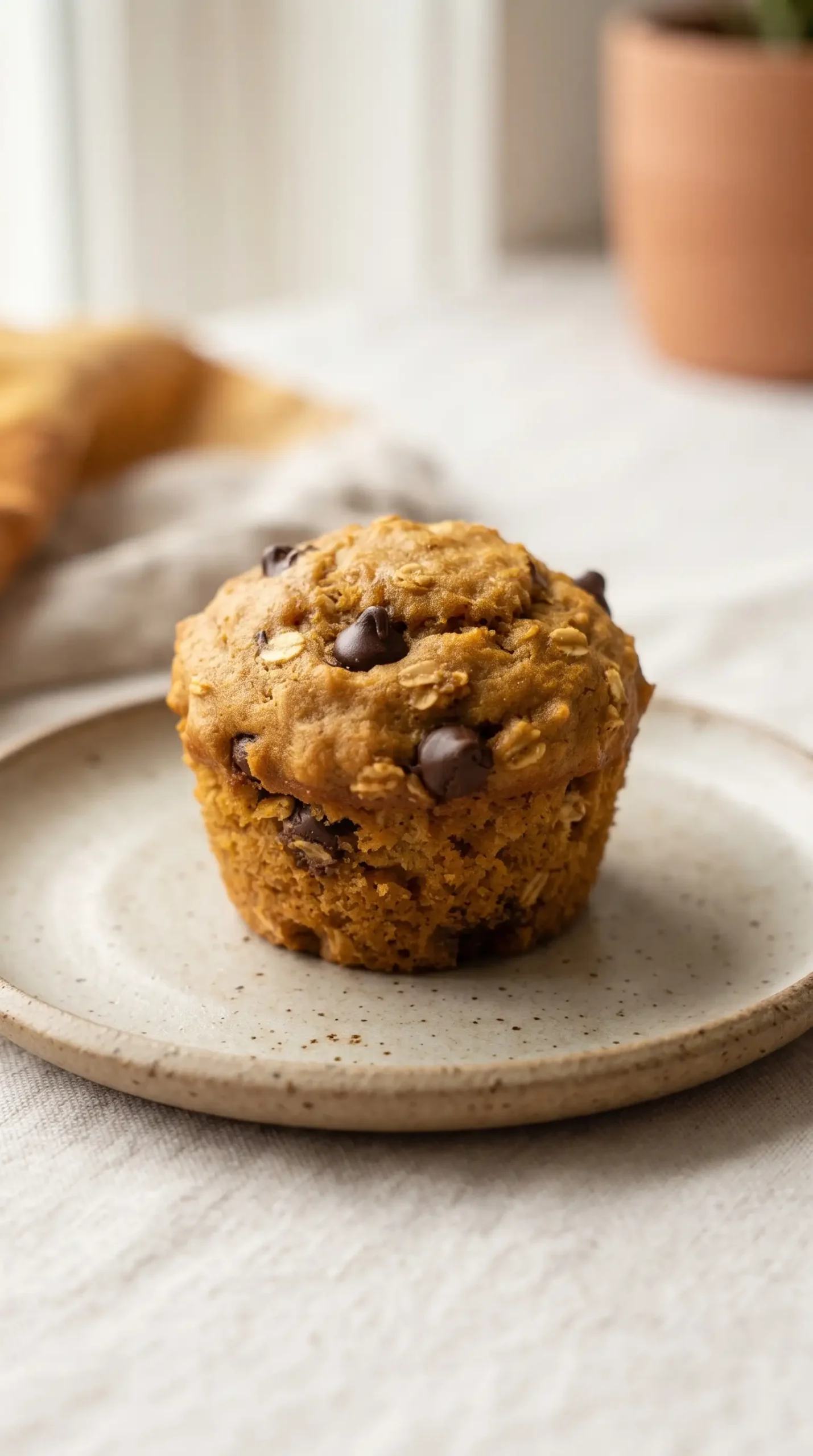
Warm pumpkin muffins pair naturally with simple toppings and drinks that complement their gentle sweetness. They can be enjoyed as they are or matched with flavors that highlight the pumpkin, oats, and maple syrup.
Seasonal Additions Create New Pumpkin Muffin Variations
Seasonal variations can change the personality of these muffins while keeping the original structure intact. Small additions are the easiest way to customize the flavor without altering the balance of the batter.
Nut pieces, seeds, or other small toppings can provide extra texture when used thoughtfully. The optional chocolate chips already show how a simple addition can shift the muffins toward a more indulgent style.
Different pumpkin varieties may bring slightly different moisture levels, so adjustments should focus on observing the batter. A thick, scoopable mixture is the sign to watch before baking.
Pumpkin Muffins Succeed When Oat Texture and Moisture Stay Balanced
Pumpkin muffins deliver their best texture when the oats are blended enough to create structure while the pumpkin and Greek yogurt keep the center tender. The most important decision happens before the oven: maintaining the balance of the batter by blending, adding optional ingredients carefully, and baking soon after mixing.
Those small choices preserve the qualities that make this style of muffin appealing: a soft bite, warm pumpkin flavor, and a simple oat-based approach that fits both everyday breakfasts and cozy seasonal baking.
Pumpkin Muffin Questions About Texture, Storage, and Baking
Can I use quick oats instead of rolled oats?
Rolled oats are the better match because they provide the intended structure after blending. Quick oats may absorb moisture differently and can change the texture of the finished muffins.
Why do my pumpkin muffins become gummy?
Gummy texture can happen when the mixed batter sits too long before baking. The oats continue absorbing moisture, which can make the baked muffins denser than expected.
Can I make these muffins without chocolate chips?
Yes, chocolate chips are optional and can be left out completely. The pumpkin, maple syrup, cinnamon, and oats still provide the main flavor profile.
Do canned pumpkin and fresh pumpkin work the same way?
Canned pumpkin puree is a convenient choice for this recipe because it provides a consistent texture. Fresh pumpkin may vary in moisture, so the batter should be checked carefully before baking.
Pumpkin Muffins with Rolled Oats and Pumpkin Puree
Ingredients
Method
- Preheat the oven to 375°F/190°C.
- Place the rolled oats in a food processor or blender and pulse for about ten seconds until mostly smooth.
- Add the remaining ingredients to the oats and pulse until combined, leaving some small oat pieces if desired. Fold in chocolate chips if using.
- Transfer the batter to a greased muffin tin.
- Bake the muffins for about 15 minutes, until set.
- Serve warm or enjoy the muffins the next day.