
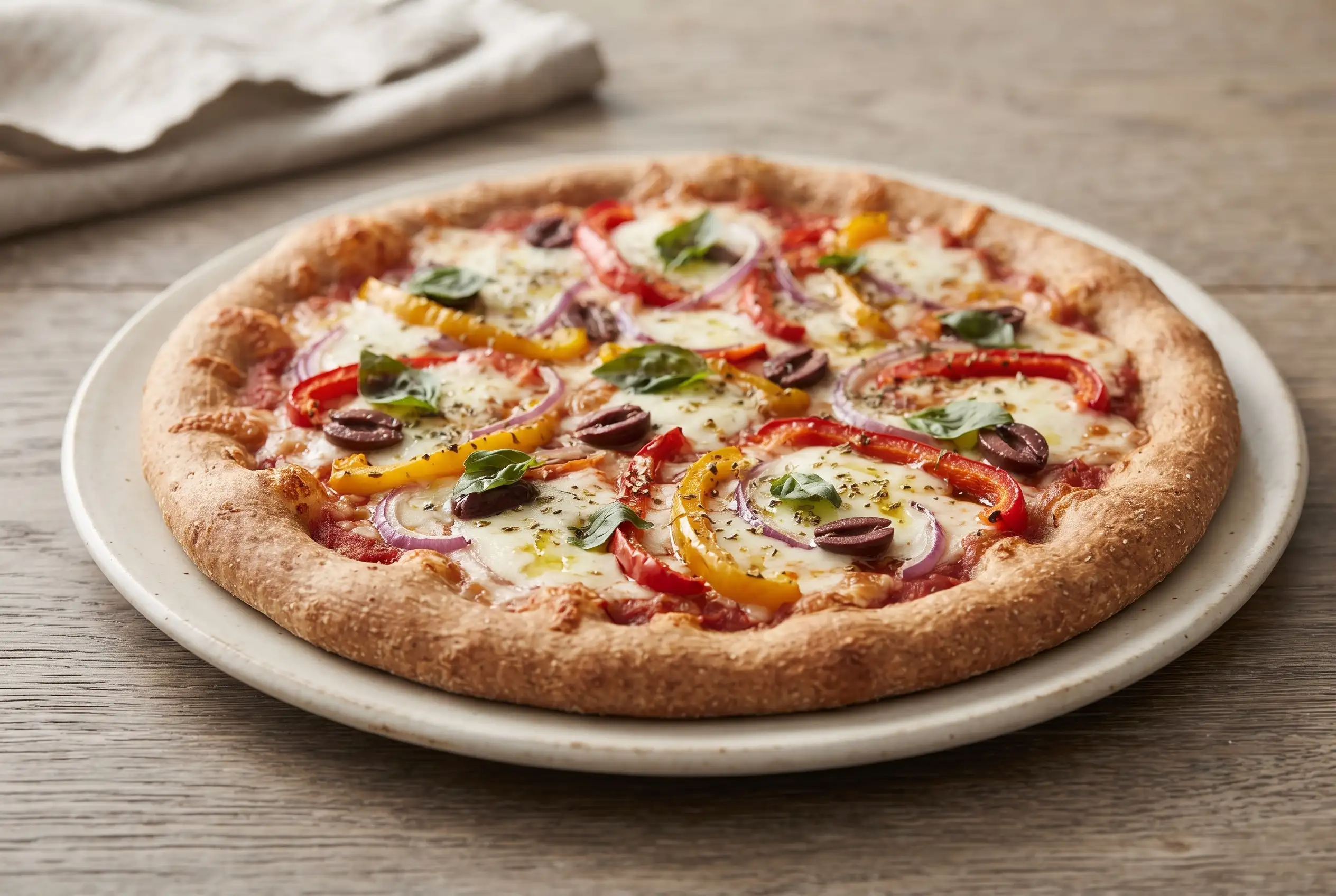
Easy Whole Wheat Pizza Dough Starts With Balanced Structure
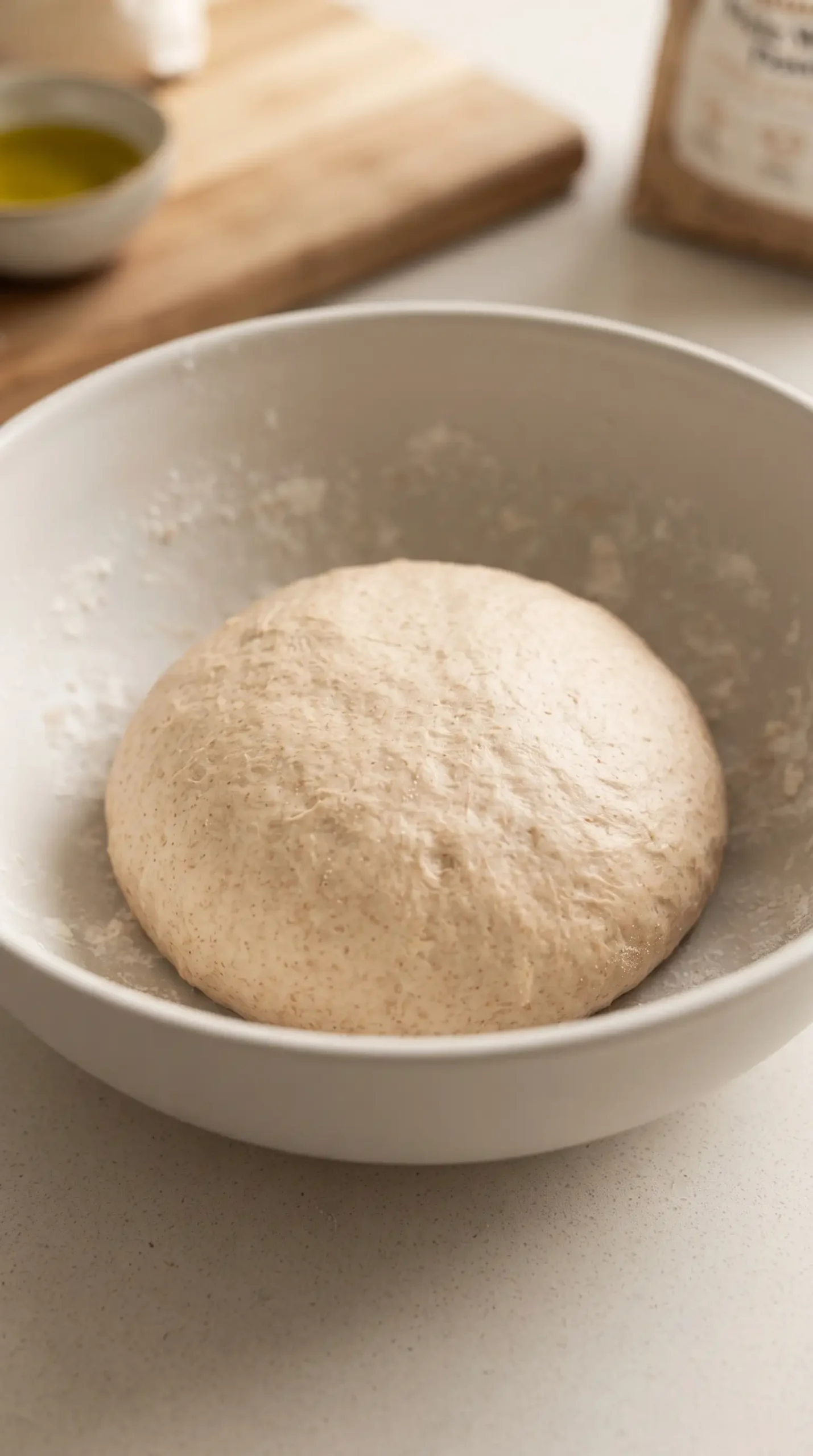
Whole wheat pizza dough brings a hearty texture and deeper grain flavor to a homemade pizza crust while still keeping the familiar chew of a classic pizza base. Combining whole wheat flour with white flour creates a dough that is easier to handle and better suited for rolling into thin circles without losing its soft interior.
The appeal of an easy whole wheat pizza crust comes from the balance between simple ingredients and a dependable technique. The dough relies on yeast, warm water, oil, and flour working together so the finished crust can support toppings while developing a lightly crisp outside.
A successful crust depends on observing the dough as it changes. The mixture should become soft and elastic after mixing, then transform into a smooth dough ball after the whole wheat flour is incorporated. Those visual cues matter because flour can behave differently depending on how it absorbs moisture.
Whole Wheat Flour Blend Shapes the Crust
The combination of white flour and whole wheat flour gives homemade whole wheat pizza dough its practical texture. Whole wheat flour contributes a more substantial bite, while its bran and germ affect the dough’s texture by changing how the flour develops structure. Understanding whole wheat flour structure helps explain why blending flours creates a crust that feels rustic without becoming difficult to shape.
Warm Water and Yeast Set Up the Dough’s Texture
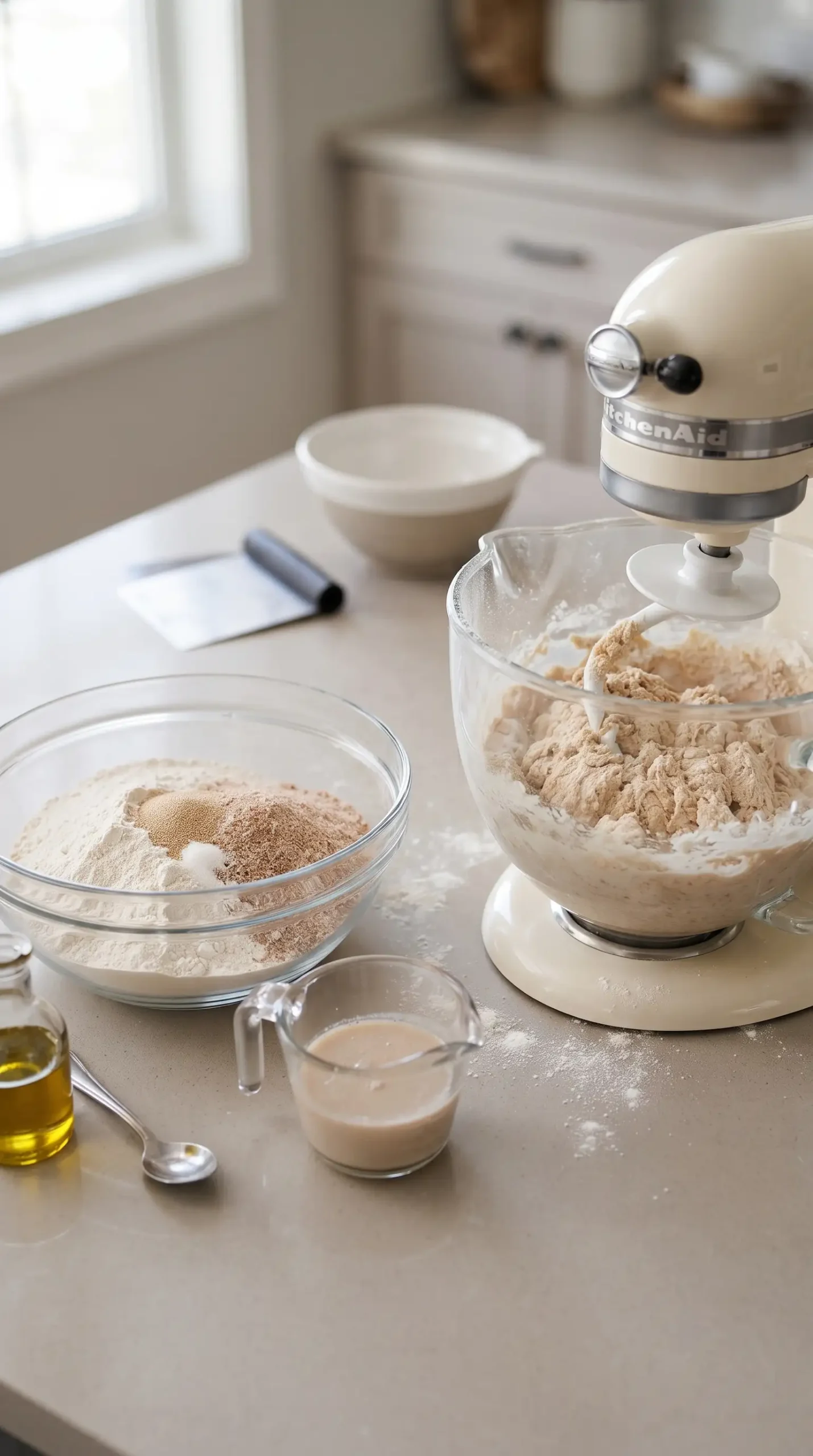
Yeast begins the process that gives pizza dough its characteristic structure. The warm water helps combine the ingredients smoothly while creating an environment where the yeast can work. Water that is warm but not boiling hot supports the mixing process without creating unnecessary problems for the dough.
The early mixing stage is where the dough starts developing its elasticity. Combining the flour, yeast, salt, oil, and water with an electric mixer allows the ingredients to come together into a cohesive mixture before the whole wheat flour is added.
Small details in temperature and handling affect how the dough feels later. A dough that becomes soft and elastic after mixing is easier to continue working by hand, while gradual flour incorporation helps maintain a texture that can be shaped into a pizza base.
Mixing Choices Change the Dough’s Strength
The mixing process should focus on creating a smooth dough texture instead of simply combining ingredients. Using an electric mixer until the dough becomes soft and elastic provides the foundation for a crust that can hold its shape during rolling and baking.
A Short Rise Builds the Homemade Whole Wheat Pizza Dough Base
After the dough is formed, resting it in a warm place gives the yeast time to influence the texture. Covering the bowl with plastic wrap or a dish towel prevents the surface from drying while the dough rests.
The rise period is intentionally brief for this whole wheat pizza dough recipe. The dough does not need complicated handling to become usable; it needs a protected resting environment so the texture can relax before shaping.
Watching the dough during this stage is more useful than relying only on appearance. A rested dough should feel easier to handle and ready to become smooth circles without fighting against the rolling process.
Rolling Technique Creates Even Pizza Circles
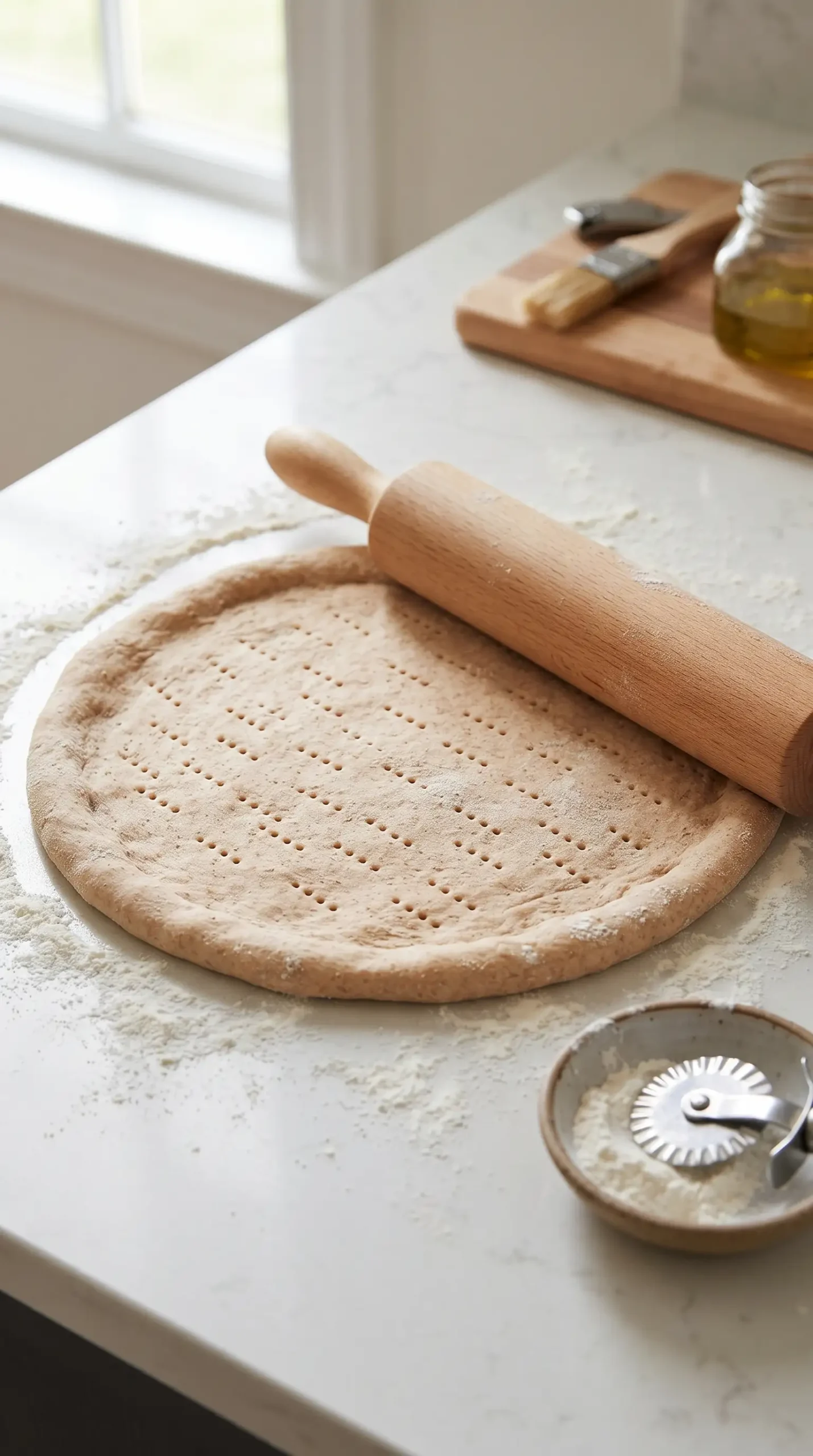
Dividing the dough into two circles creates a practical base for homemade pizzas. Rolling evenly helps each crust bake at a consistent rate, while optional fork holes can reduce bubbling across the surface during baking.
Common Whole Wheat Pizza Dough Mistakes to Avoid
Whole wheat pizza dough is straightforward, but a few handling choices can change the finished crust. Paying attention to texture, flour incorporation, and baking preparation helps prevent common issues.
- Overheating the water: Use warm water instead of boiling hot water so the dough starts with the right conditions for mixing.
- Adding whole wheat flour too quickly: Stir the flour in gradually by hand so the dough can maintain a soft, workable texture.
- Skipping dough observation: Look for a soft, elastic mixture and a dough ball that can be gently kneaded before shaping.
- Ignoring bubbling control: Use a fork to poke the rolled dough if you prefer a flatter surface during baking.
Corrections are usually simple because the dough responds well to gentle adjustments. If the texture feels difficult to work with, returning attention to gradual flour addition and careful kneading can help restore a smoother consistency.
Baking Surfaces Influence Crisp Whole Wheat Pizza Crust
The surface used for baking affects how the crust develops. A baking sheet provides a reliable option, while a pizza stone offers another way to bake the prepared dough. Both choices work with the shaped circles created from the dough.
Adding toppings before baking allows the crust and toppings to cook together into a complete pizza. The dough can also be baked ahead before toppings are added, giving cooks another option depending on how they plan to assemble the meal.
Heat management matters near the end of baking. Turning on the broiler for the last few minutes when baking with toppings can encourage a lightly crisp outside crust, creating more contrast between the exterior and softer center.
| Baking Choice | Best Use | Crust Result |
|---|---|---|
| Baking sheet | Simple home preparation | Reliable baked crust with easy handling |
| Pizza stone | A dedicated pizza setup | Supports a more pizza-focused baking approach |
| Broiler finish | Last few minutes after baking | Helps create a lightly crisp exterior |
Topping Timing Protects the Dough’s Texture
The crust provides the structure for the finished pizza, so topping decisions should consider how the dough will bake. Adding toppings before baking keeps the ingredients connected with the crust as it cooks.
Baking the crust separately offers a different approach when toppings need to be added later. The prepared base can become a flexible starting point for different pizza combinations without changing the dough itself.
Preparing the crust ahead makes it easier to focus on the final pizza assembly. A topping combination with fresh vegetables, cheese, and herbs can turn the baked base into a complete meal, such as a flatbread pizza with fresh toppings built around seasonal ingredients.
Because the crust is made with a blend of flours, it works well as a foundation for traditional pizza toppings. Keeping toppings balanced helps the dough remain the main support instead of becoming overwhelmed.
Small Adjustments Keep Pizza Dough Versatile
A homemade whole wheat pizza dough can adapt to different pizza styles while keeping the same basic structure. The dough can be rolled into two circles, prepared on different baking surfaces, or finished with toppings before baking based on personal preference.
Whole Wheat Pizza Dough Delivers a Reliable Homemade Crust
The soft, elastic dough created from a blend of white flour and whole wheat flour determines the character of the finished pizza. Careful mixing, a protected rise, and even shaping make the crust easier to manage from bowl to baking surface.
Whole wheat pizza dough works best when cooks focus on texture cues instead of rushing the process. A smooth dough ball and a properly prepared baking surface create a dependable foundation for a homemade pizza with a satisfying balance of tenderness and crispness.
Whole Wheat Pizza Dough Sticky Dough Questions
Why is my whole wheat pizza dough sticky?
Sticky dough can happen when the flour has not fully absorbed the moisture yet. Allowing the dough to come together through mixing and gradually incorporating the whole wheat flour helps create the soft, workable texture needed for shaping.
Can I bake the crust before adding toppings?
Yes, the crust can be baked ahead and topped later. The prepared dough can also be baked with toppings already added, depending on the pizza style you want to create.
Should I poke holes in the pizza dough before baking?
Poking the rolled dough with a fork is optional. This step can help reduce bubbling across the crust surface during baking, especially if you prefer a flatter pizza base.
What makes whole wheat pizza dough different from regular pizza dough?
The use of whole wheat flour gives the crust a more substantial texture and grain flavor. Combining it with white flour keeps the dough flexible enough to roll and shape easily.
Whole Wheat Pizza Dough for Homemade Pizza Crust with Yeast
Ingredients
Method
- Preheat the oven to 375°F (191°C). In a large mixing bowl, combine the white flour, yeast, and salt.
- Add the oil and warm water. Beat with an electric mixer on high speed for several minutes, until the mixture forms a soft, elastic dough.
- Gradually stir in the whole wheat flour by hand. Once fully incorporated, gently knead the dough until it forms a soft ball.
- Cover the dough with plastic wrap or a dish towel and place it in a warm spot to rise for about 10-15 minutes.
- Roll the dough into two 12-inch circles. If desired, prick the surfaces with a fork to help prevent bubbling.
- Transfer the crusts to a baking sheet or pizza stone.
- Add toppings and bake for about 12-15 minutes, or bake the crusts on their own and add toppings later.