
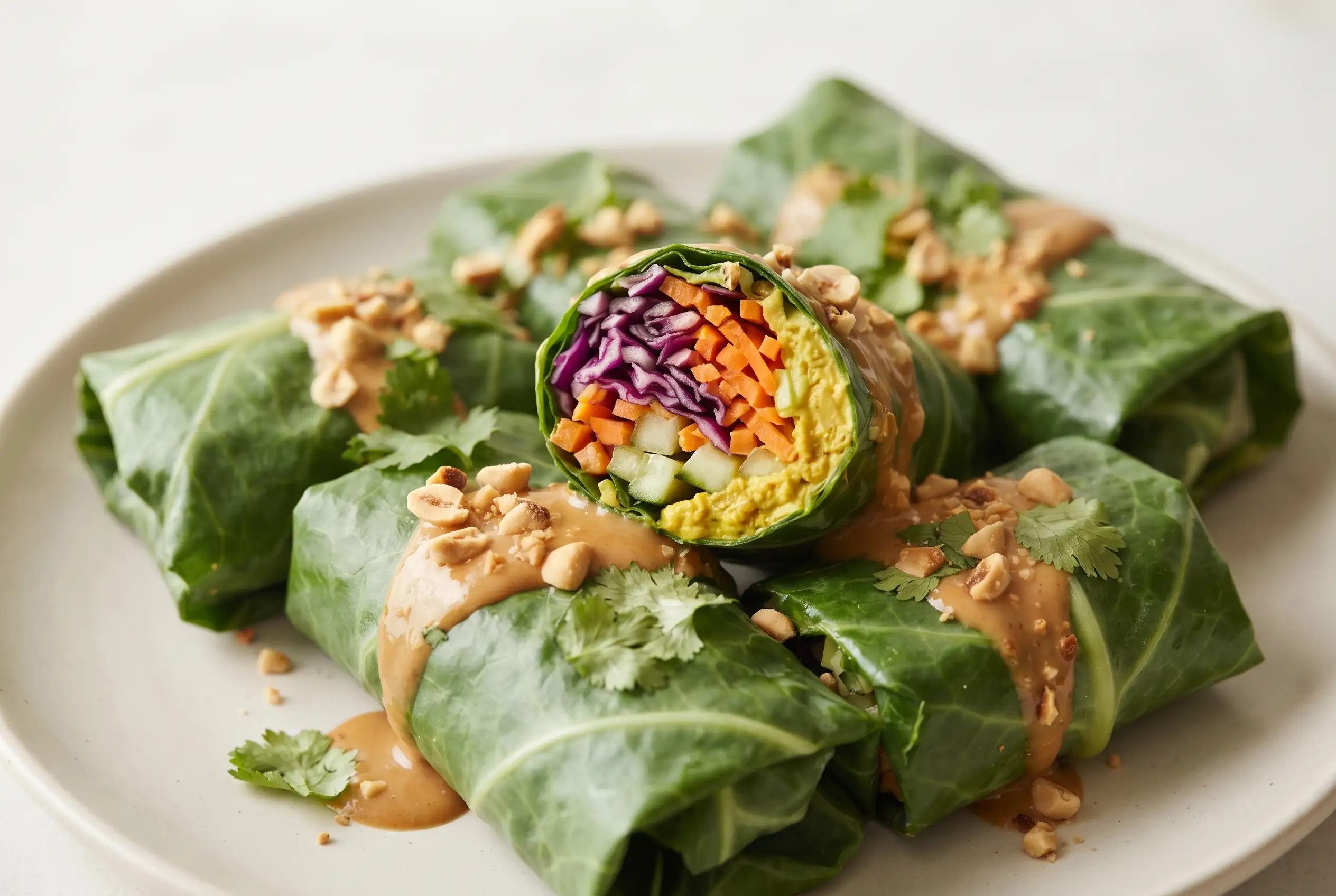
Rainbow Roll Ups Bring Fresh Texture to Collard Wraps
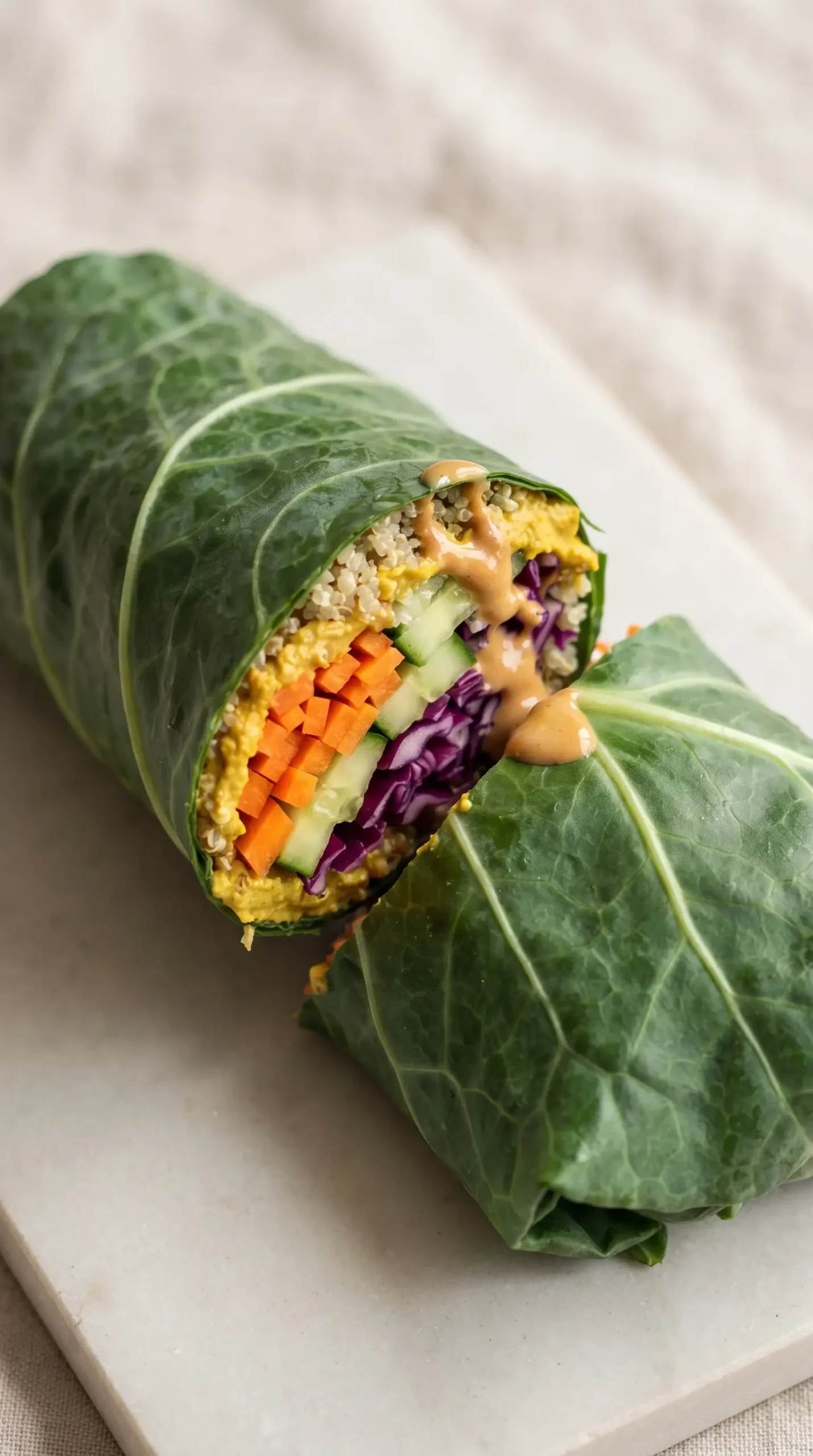
Rainbow roll ups combine crisp vegetables, creamy curry hummus, tender collard greens, and a sweet-savory peanut sauce into a colorful handheld meal. The balance comes from contrasting textures: crunchy carrots and cucumbers meet soft fillings, while the rich sauce ties every bite together. These vegetable roll ups with peanut sauce create a satisfying way to enjoy fresh produce without complicated preparation.
Large collard leaves make the foundation sturdy enough to hold the filling while offering a flexible alternative to traditional wraps. The natural shape of the leaf allows the vegetables to stay visible, creating the layered appearance that gives these wraps their name.
Collard Leaves Create the Best Wrap Structure
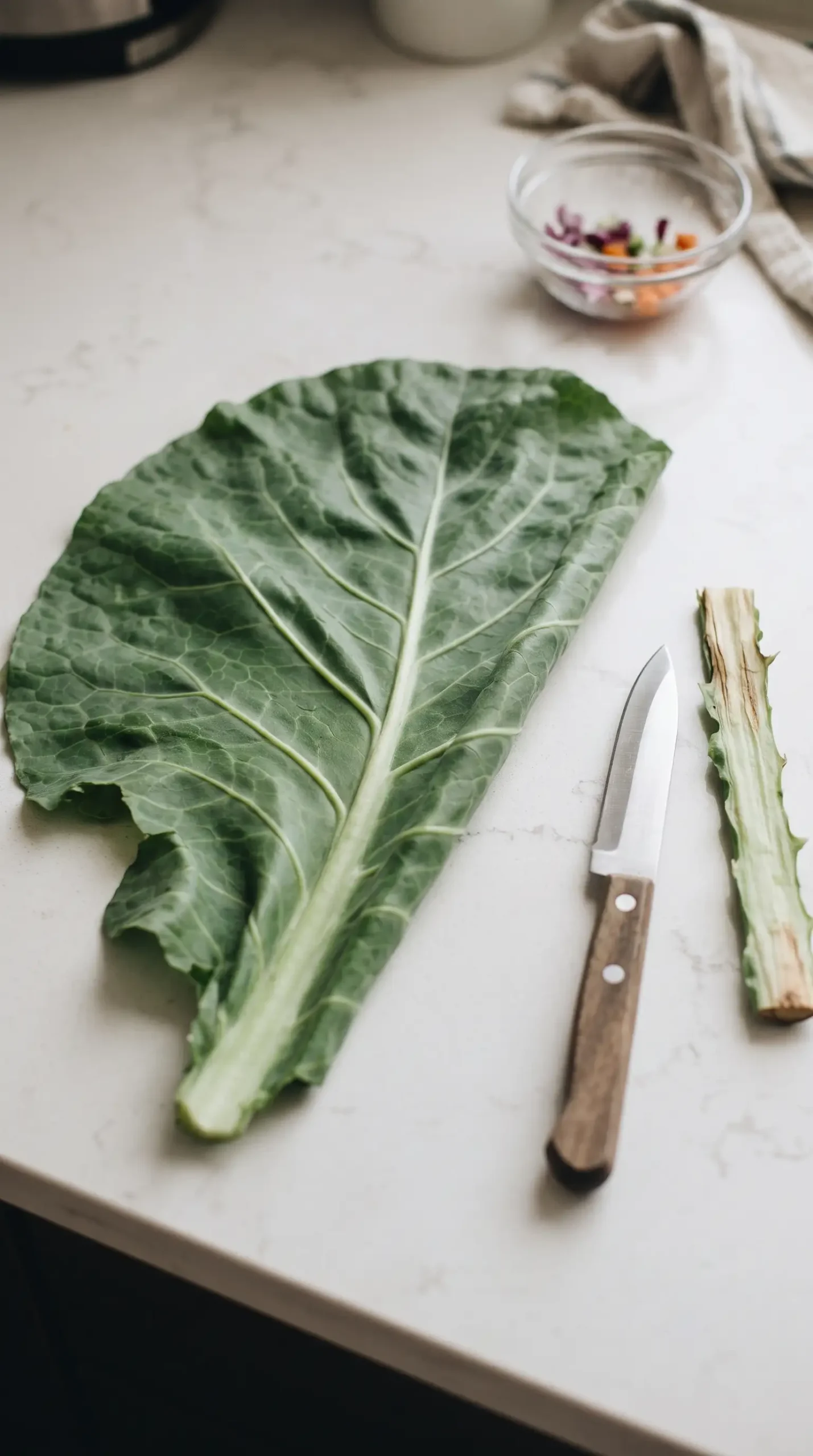
Collard greens determine how easily the roll ups come together because the leaf needs enough strength to support the fillings without tearing. Trimming the thick center spine makes the leaf more flexible while keeping the outer shape intact.
For a softer leaf that rolls more easily, a brief blanching step can help relax the texture of the greens. Blanching collard greens is a useful preparation method before assembling wraps because it helps make the leaves easier to handle.
A gentle softening step can make the greens easier to fold. Running the leaves under hot water or using lightly warmed rice against the leaf can help loosen the texture before assembling the wrap.
Unlike delicate greens that collapse quickly, collard leaves provide a reliable surface for holding crunchy vegetables and creamy hummus. This quality makes collard green roll ups especially useful when the filling needs a stronger wrapper.
Peanut Sauce Balances the Vegetable Layers
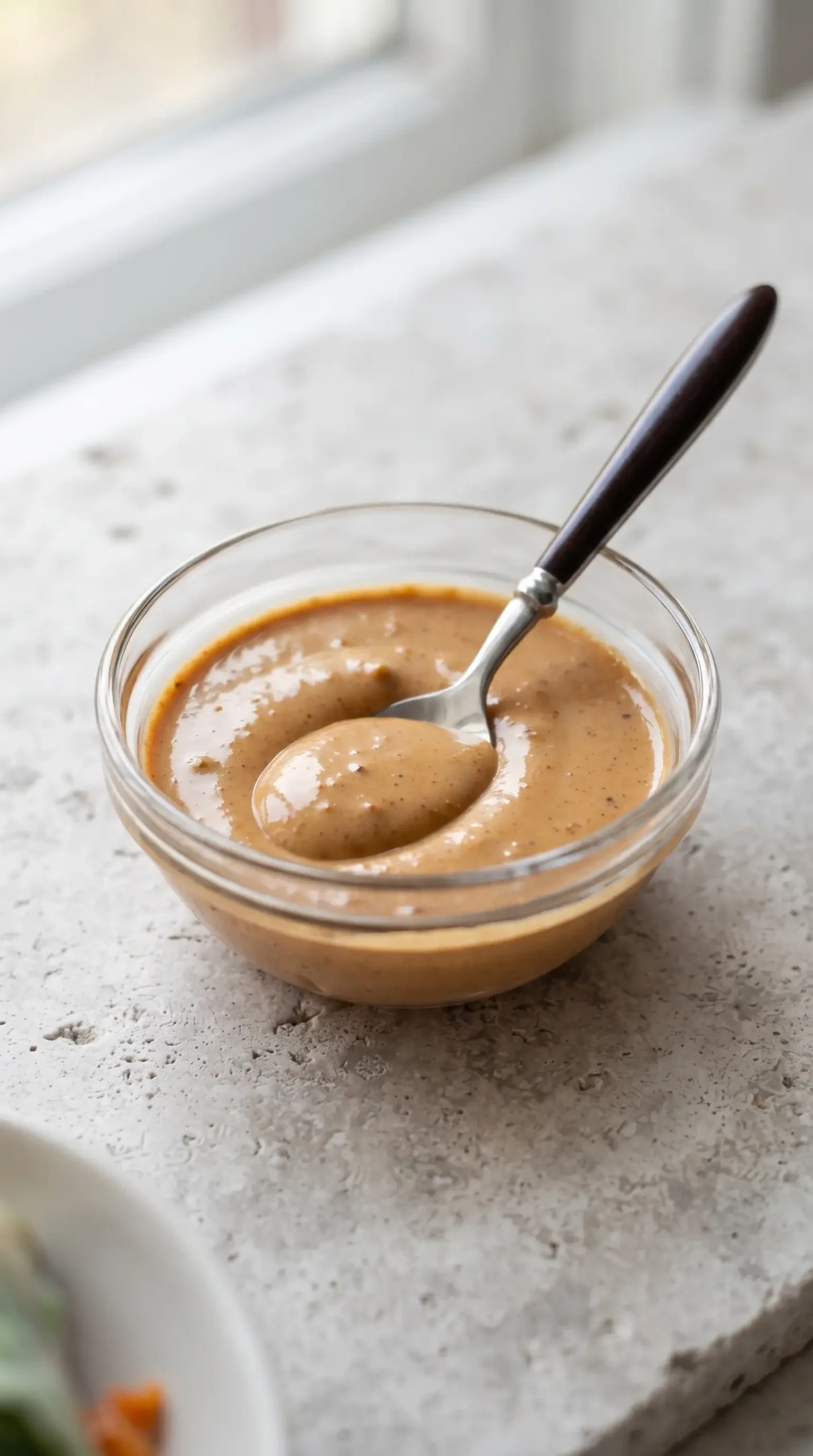
The peanut sauce brings together peanut butter, soy sauce, rice vinegar, water, honey, and garlic into a smooth mixture that connects the fresh ingredients. Its combination of salty, sweet, and tangy flavors complements the mild vegetables and earthy collard greens.
Crunchy toppings and fresh vegetables benefit from a sauce that adds richness without hiding their texture. A Thai salad with sesame garlic dressing and cashews uses crisp produce and bold flavors that pair naturally with vegetable-focused meals.
Blending the sauce creates an even texture so each bite carries the same flavor balance. Adjusting the thickness with water allows the sauce to coat the vegetables without becoming difficult to spread across the leaf.
- Sweet balance: Honey softens the sharpness of vinegar and soy sauce.
- Tangy contrast: Rice vinegar keeps the rich peanut flavor bright.
- Savory depth: Garlic and soy sauce create a fuller finish.
Vegetable Choices Shape Rainbow Roll Ups Texture
Carrots, cucumbers, and red cabbage provide the main texture contrast in rainbow roll ups. Cutting the vegetables into matchsticks creates long pieces that stack neatly inside the collard leaf and provide crunch throughout the wrap.
Red cabbage adds color and structure because its firm texture holds up beside softer ingredients. Cucumbers contribute freshness, while carrots bring a naturally sweet crunch that works well with the peanut sauce.
Curry hummus adds creaminess and helps connect the vegetables to the wrap. The combination creates a filling that feels balanced instead of relying on one ingredient for all of the flavor.
Optional Grains Change the Roll Up Experience
Cooked rice or quinoa can be included when a heartier filling is preferred. These additions create more substance inside the wrap and help absorb some of the flavors from the hummus and peanut sauce.
Rainbow Roll Ups Assembly Depends on Filling Placement
Successful assembly comes from arranging the fillings so the collard leaf can fold around them evenly. Keeping the vegetables grouped together creates a tighter roll and reduces the chance of ingredients spilling out while eating.
The amount of filling matters because an overfilled leaf becomes harder to close. A balanced layer allows the ends to fold inward before the wrap is rolled forward.
| Filling choice | Effect inside the wrap |
|---|---|
| Matchstick vegetables | Creates crunch and visible color layers |
| Curry hummus | Adds creaminess and helps hold ingredients together |
| Rice or quinoa | Makes the center more substantial |
Common Rainbow Roll Ups Mistakes That Affect Texture
Rainbow roll ups can become difficult to handle when moisture, filling size, or leaf preparation is overlooked. Avoiding a few common problems keeps the finished wraps easier to fold and more enjoyable to eat.
- Overfilling the leaf: Too many vegetables make folding difficult and can split the wrap.
- Skipping leaf softening: A stiff center spine can prevent a smooth roll.
- Adding too much wet filling: Excess moisture can soften the wrap and affect texture.
Preparing the components separately helps control these issues. Keeping vegetables crisp and adding the sauce during assembly preserves the contrast that makes the dish appealing.
Peanut Sauce Preparation Improves Every Bite
The peanut sauce works best when its ingredients are fully combined before meeting the vegetables. Blending creates a consistent coating that spreads more easily across the fillings.
A smooth sauce also makes it easier to control how much flavor reaches each section of the wrap. Small adjustments in thickness can change whether the sauce lightly coats the ingredients or creates a richer center.
Rainbow Roll Ups Benefit From Fresh Assembly
Fresh assembly helps maintain the crisp texture of the vegetables and the structure of the collard leaf. Preparing the ingredients ahead can make mealtime easier, but the wraps are best finished close to when they are eaten.
The hummus and vegetables naturally release moisture as they sit together. Keeping the separate parts chilled until assembly helps preserve the contrast between crunchy produce and creamy fillings.
Collard Green Roll Ups Offer Flexible Serving Options
Collard green roll ups work well as a light meal, snack, or colorful addition to a larger spread. Their portable shape makes them easy to serve with extra peanut sauce for dipping.
The fillings can also be arranged in different proportions depending on whether the focus is more vegetables, creaminess, or a fuller center. The basic structure remains the same while the eating experience changes.
Rainbow Roll Ups Use Simple Preparation Decisions
The most important choices happen before rolling begins. Preparing pliable leaves, cutting vegetables consistently, and blending the sauce smoothly all influence how the finished wraps hold together.
Small preparation details matter because every ingredient remains visible. There are no hidden layers, so texture and balance depend on how each part is handled before assembly.
Peanut Sauce Variations Fit Dietary Preferences
The sauce can be adapted while keeping the same flavor direction. Tamari or coconut aminos can replace soy sauce when a gluten-free option is needed, and white distilled vinegar can be used when avoiding added sugar from honey.
These adjustments change specific ingredients without changing the overall character of the wrap. The vegetables and collard greens continue to provide the main structure of the dish.
Rainbow Roll Ups Stay Colorful Through Careful Handling
Color is one of the defining features of rainbow roll ups, and careful handling keeps the vegetables looking fresh. Cutting the produce shortly before assembly helps maintain their appearance and crisp texture.
Rolling gently also protects the layered look inside the wrap. A firm but controlled fold keeps the ingredients arranged instead of compressing them into a dense filling.
Rainbow Roll Ups With Peanut Sauce Create a Balanced Fresh Meal
Rainbow roll ups with peanut sauce succeed because each element has a clear role: collard leaves provide structure, vegetables provide crunch, hummus adds creaminess, and peanut sauce connects the flavors. The best results come from preserving those differences during preparation.
The finished wraps depend less on complicated cooking and more on thoughtful handling of texture, moisture, and assembly. When those choices are managed carefully, fresh ingredients become a complete and satisfying meal.
Questions About Rainbow Roll Ups Texture and Preparation
How can collard leaves become easier to roll?
Trimming the thick center spine helps the leaf bend more naturally. If extra flexibility is needed, briefly softening the leaf with hot water or gentle heat can make folding easier without changing the fresh character of the wrap.
Can rainbow roll ups be prepared ahead of time?
The vegetables, sauce, and hummus can be prepared separately in advance. Rolling close to serving time helps prevent moisture from the fillings from changing the texture of the collard leaf.
What can replace soy sauce in the peanut sauce?
Tamari or coconut aminos can be used as alternatives when soy sauce is not suitable. These options maintain the savory quality needed to balance the peanut butter and vinegar.
Why are my vegetable roll ups with peanut sauce difficult to close?
The most common reason is too much filling or a leaf that has not been softened enough. Reducing the filling amount and making the collard leaf more pliable usually improves the rolling process.
Can rice or quinoa be added to the filling?
Cooked rice or quinoa can be included when a more substantial center is desired. The grains fit naturally with the hummus and sauce while adding another texture inside the wrap.
Rainbow Roll Ups with Collard Wraps and Peanut Sauce
Ingredients
Method
- Trim the thick center stem of each collard leaf by cutting it down without removing it completely, leaving the leaf flexible enough to roll.
- Place the fillings on the collard leaf, fold in the sides, and roll the leaf tightly from the bottom upward to secure the filling.
- Blend the peanut butter, soy sauce, rice vinegar, water, honey, and garlic in a blender or food processor until smooth.