
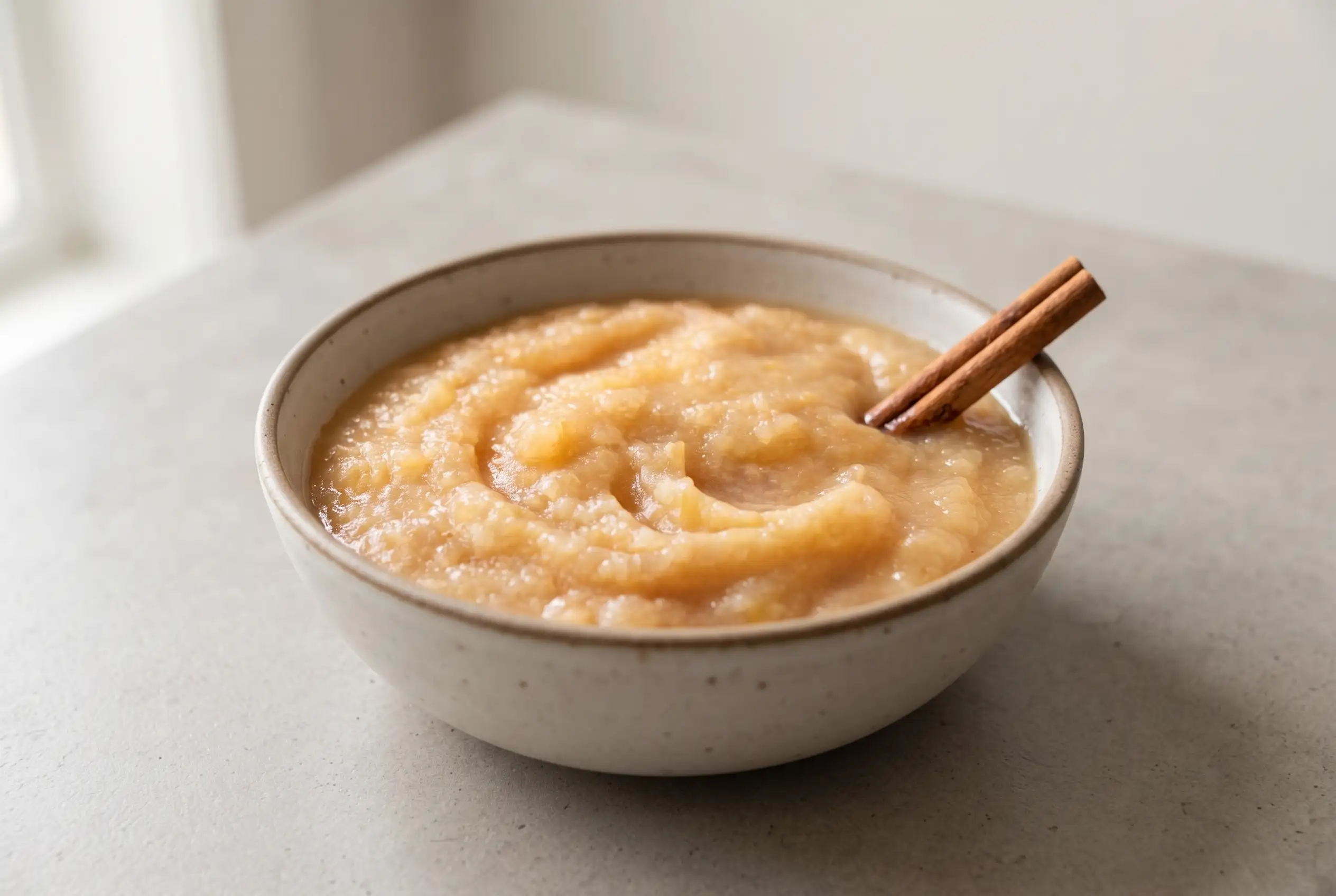
instant pot applesauce brings a simple apple preparation into a convenient countertop cooking method that creates a soft, flavorful fruit dish with very little hands-on work. Using whole apples, cinnamon sticks, and a small amount of water creates a base that can become either a rustic chunky texture or a smoother homemade applesauce depending on how it is finished.
Fresh apples change noticeably during pressure cooking because their structure softens quickly while their natural sweetness becomes more concentrated. The finished applesauce keeps the familiar comfort of a classic apple dish while giving cooks control over texture, peel choices, and serving style.
Apple Variety Shapes Instant Pot Applesauce
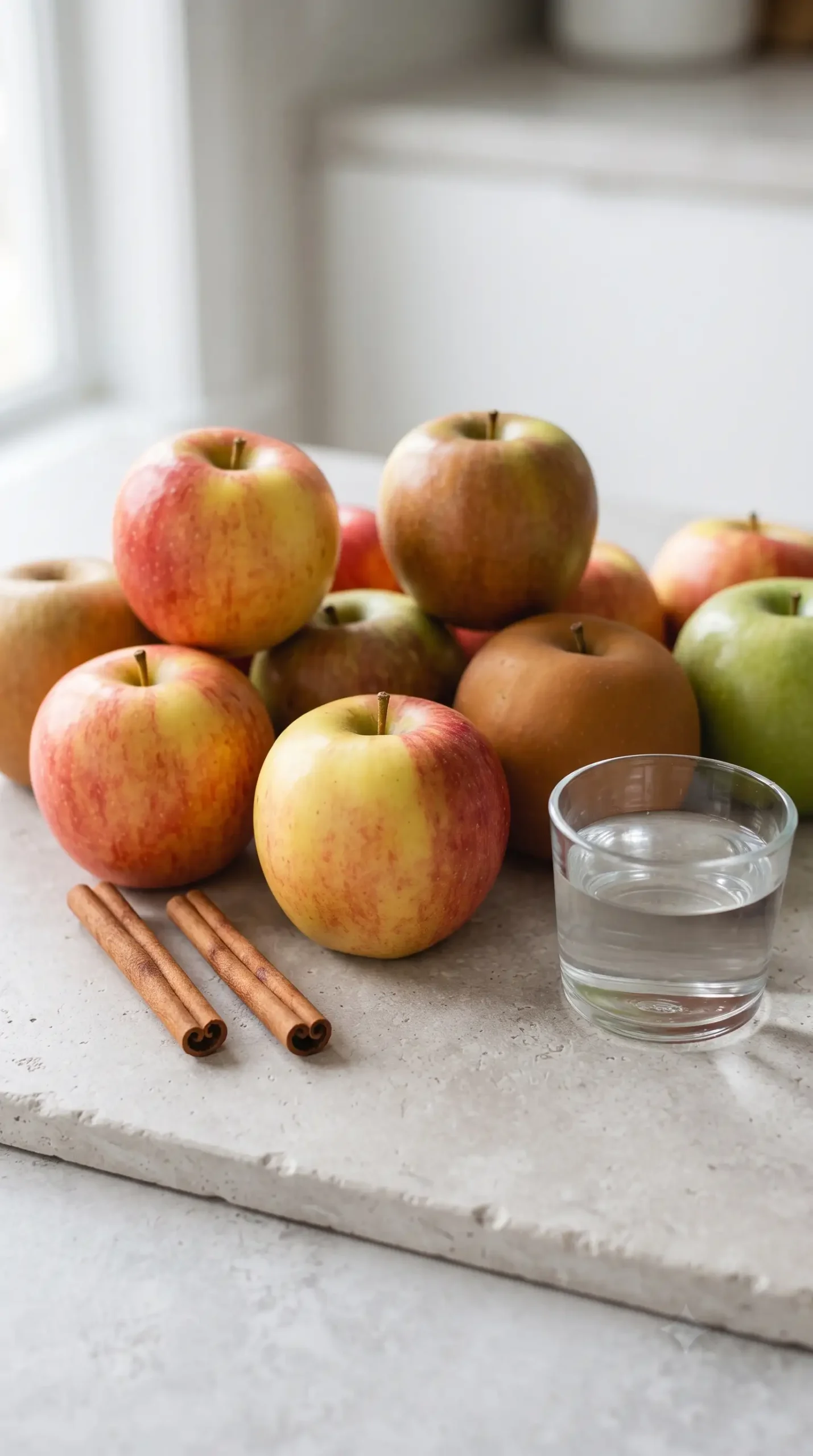
Different apples influence the character of homemade applesauce, even when the cooking process stays the same. A naturally sweet apple can create a dessert-like result, while a more balanced apple can leave room for the cinnamon flavor to stand out.
Honeycrisp works especially well for cooks who enjoy a naturally sweet flavor, but many apple varieties can succeed in this preparation. Mixing varieties can create a more complex flavor because each apple contributes its own level of sweetness, firmness, and acidity.
- Sweet apples: create a naturally mellow applesauce with less need for additional sweeteners.
- Firm apples: hold their shape longer and can contribute to a chunkier finished texture.
- Mixed varieties: provide a balance of flavors and textures in one batch.
Cinnamon Sticks Define the Flavor Balance
Cinnamon sticks provide a gentle spice flavor that spreads through the apples as they cook. Keeping the cinnamon whole allows the flavor to infuse without leaving a gritty texture behind.
Simple seasoning choices work well here because apples already provide the main flavor. The cinnamon supports the fruit without covering the natural character of the apples.
Instant Pot Applesauce Texture Depends on Blending
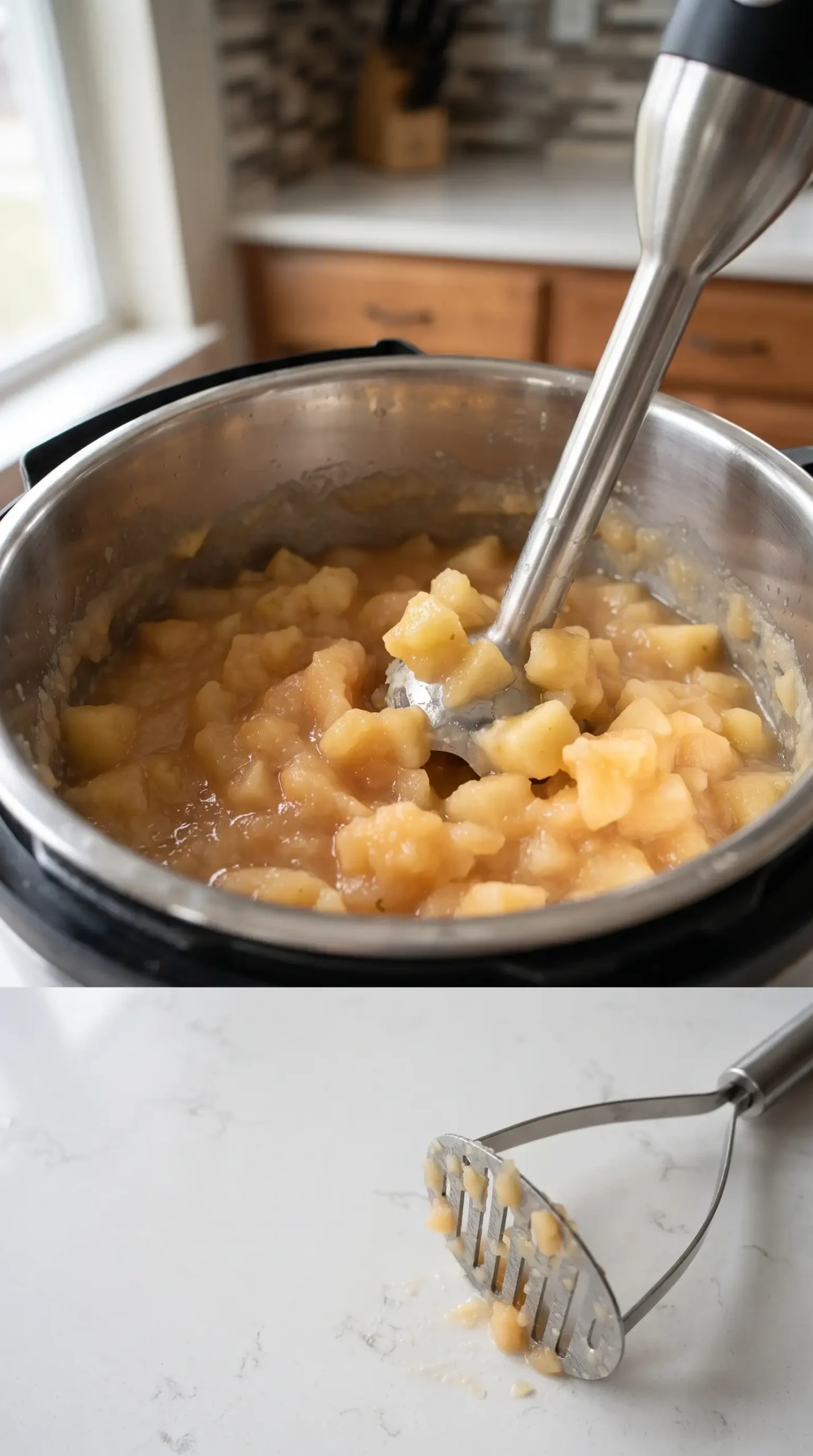
Texture is one of the biggest choices when finishing instant pot applesauce. A short blend can break down larger pieces while keeping some apple texture, while longer blending creates a smoother consistency closer to a puree.
Gentle mashing after blending gives cooks more control because the apples can be adjusted gradually. Leaving some small pieces creates a rustic style that feels different from a completely smooth sauce.
Peel preference also affects the final texture. Apples can be peeled before cooking for a more uniform result, or the skins can remain and be softened during cooking before adjusting the consistency.
Pressure Cooking Control Protects Apple Texture
The pressure cooking stage works because apples release moisture as they soften. Adding water helps create the environment needed for the apples to cook while allowing the fruit itself to contribute flavor and liquid.
Instant Pot cooking softens apples efficiently because pressure cooking works by trapping steam under pressure, which raises the cooking temperature and helps food cook more quickly.
Steam release timing influences how the cooked apples settle. Allowing a short rest before releasing pressure gives the heat inside the pot time to continue working through the fruit.
| Texture preference | Finishing approach |
|---|---|
| Chunky applesauce | Use light mashing and minimal blending |
| Classic applesauce | Blend briefly, then adjust with gentle mashing |
| Smooth applesauce | Blend longer until the texture is even |
Chunky Instant Pot Applesauce Mistakes to Avoid
Overblending creates one of the easiest texture mistakes with chunky instant pot applesauce. Too much processing removes the small apple pieces that give the dish a homemade feel.
Cutting apples inconsistently can also affect the finished texture because smaller pieces soften faster than larger ones. Keeping pieces reasonably similar helps the cooked fruit become easier to adjust.
Skipping the texture check after cooking can lead to a result that does not match personal preference. Testing the apples before additional blending makes it easier to stop at the right point.
Apple Preparation Choices Change the Finish
Apple preparation affects how the finished sauce looks and feels. Removing cores is important because the core pieces do not soften into the same pleasant texture as the fruit around them.
Many cooks leave the peel in place because it can add color and texture. Others prefer peeling apples first when they want a more consistent appearance and a softer mouthfeel.
- Core removal: keeps the cooked mixture focused on tender apple pieces.
- Chunk size: helps the apples soften evenly during cooking.
- Peel decision: determines whether the finished sauce has more rustic character or a smoother look.
Homemade Instant Pot Applesauce Fits Flexible Uses
Homemade instant pot applesauce can move beyond a simple snack because its texture works in many serving situations. A chunky version can feel hearty on its own, while a smoother version can blend easily into breakfast or dessert ideas.
Warm applesauce pairs naturally with comforting meals because the fruit flavor complements many familiar dishes. The mild cinnamon note keeps it versatile without requiring extra additions.
Storing Applesauce Preserves Fresh Flavor
Cooked applesauce keeps its quality best when protected from excess air and stored in a clean container. Cooling the applesauce before storing helps maintain its texture.
Small portions can make serving easier because each container can be used without repeatedly opening a larger batch. The texture may become slightly thicker after chilling, making a gentle stir useful before serving.
Easy Apple Sauce Recipe Variations Stay Simple
An easy apple sauce recipe can change with small adjustments while keeping the basic cooking method familiar. Different apple choices create the biggest flavor difference, and a classic version using Granny Smith apples and cinnamon can offer a brighter, balanced result alongside the pressure-cooked style.
Some cooks enjoy adding extra spices, while others prefer the straightforward combination of apples and cinnamon. Keeping additions limited allows the apple flavor to remain the focus.
Choosing Tools for Smooth or Chunky Results
The finishing tool changes the character of the applesauce. An immersion blender offers direct control inside the cooking pot, while a masher creates a more rustic texture.
Tool choice matters most after cooking because the apples are already softened. The best approach depends on whether the desired result is smooth, lightly blended, or full of small pieces.
Serving Ideas Highlight Fresh Applesauce
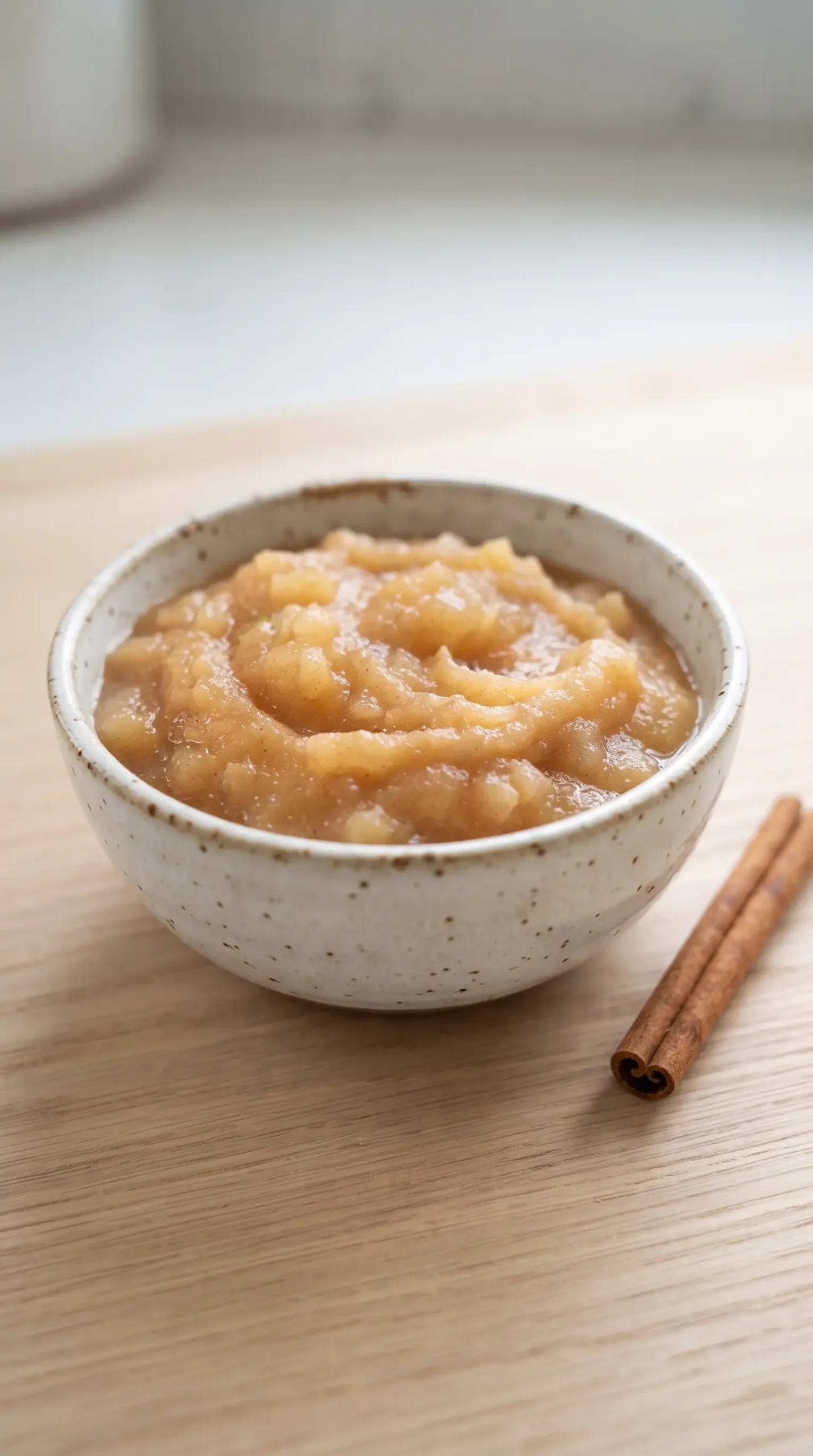
Fresh applesauce can be served warm or chilled depending on the occasion and personal preference. Its simple flavor makes it easy to pair with breakfast foods, snacks, or comforting meals.
Texture can guide how it is served. A chunky version can be enjoyed with a spoon, while a smoother version works well when a consistent layer of apple flavor is preferred.
Apples Cook Into a Naturally Flexible Favorite
Apple texture becomes the deciding factor in a successful batch of applesauce because the same cooked fruit can create several different experiences. Careful blending and mashing allow the natural softness of the apples to remain noticeable.
Instant Pot Applesauce Brings Texture and Flavor Together
Instant pot applesauce succeeds because simple ingredients and thoughtful finishing choices create a dish that feels personal. The pressure cooker softens the apples, while the final texture adjustment determines whether the result stays rustic or becomes smooth.
Choosing apples carefully, protecting the cinnamon balance, and stopping the blending process at the right moment creates a homemade applesauce that highlights the fruit itself.
Questions About Peel Texture and Storage
Can instant pot applesauce be made with apple peels?
Yes, apple peels can remain during cooking if a more rustic texture is preferred. Blending and mashing afterward can reduce larger peel pieces, while peeling beforehand creates a more uniform sauce.
How do you keep applesauce from becoming too smooth?
Limit blending time and use gentle mashing to control the texture. Checking the consistency after a small amount of blending makes it easier to keep noticeable apple pieces.
What apples work best for homemade applesauce?
Many apple varieties work well, including sweeter options like Honeycrisp. The best choice depends on whether you prefer a naturally sweet flavor, a balanced apple taste, or a mixture of varieties.
Can the cinnamon flavor be adjusted?
The cinnamon sticks can be used as the main spice source, and the flavor intensity can be adjusted by changing how much cinnamon is used in future batches. Keeping the seasoning simple allows the apples to remain prominent.
Instant Pot Applesauce with Cinnamon and Whole Apples
Ingredients
Method
- Cut the apples into chunks and remove the cores. Add the prepared apples to the Instant Pot.
- Place the cinnamon sticks and water into the pot with the apples.
- Cook the apples on high pressure for 5 minutes.
- Allow the pot to rest for 10 minutes before releasing the steam.
- Use an immersion blender to break down the cooked apples, alternating with gentle mashing until the desired texture is reached.
- Serve the homemade applesauce once the texture is adjusted to your preference.