
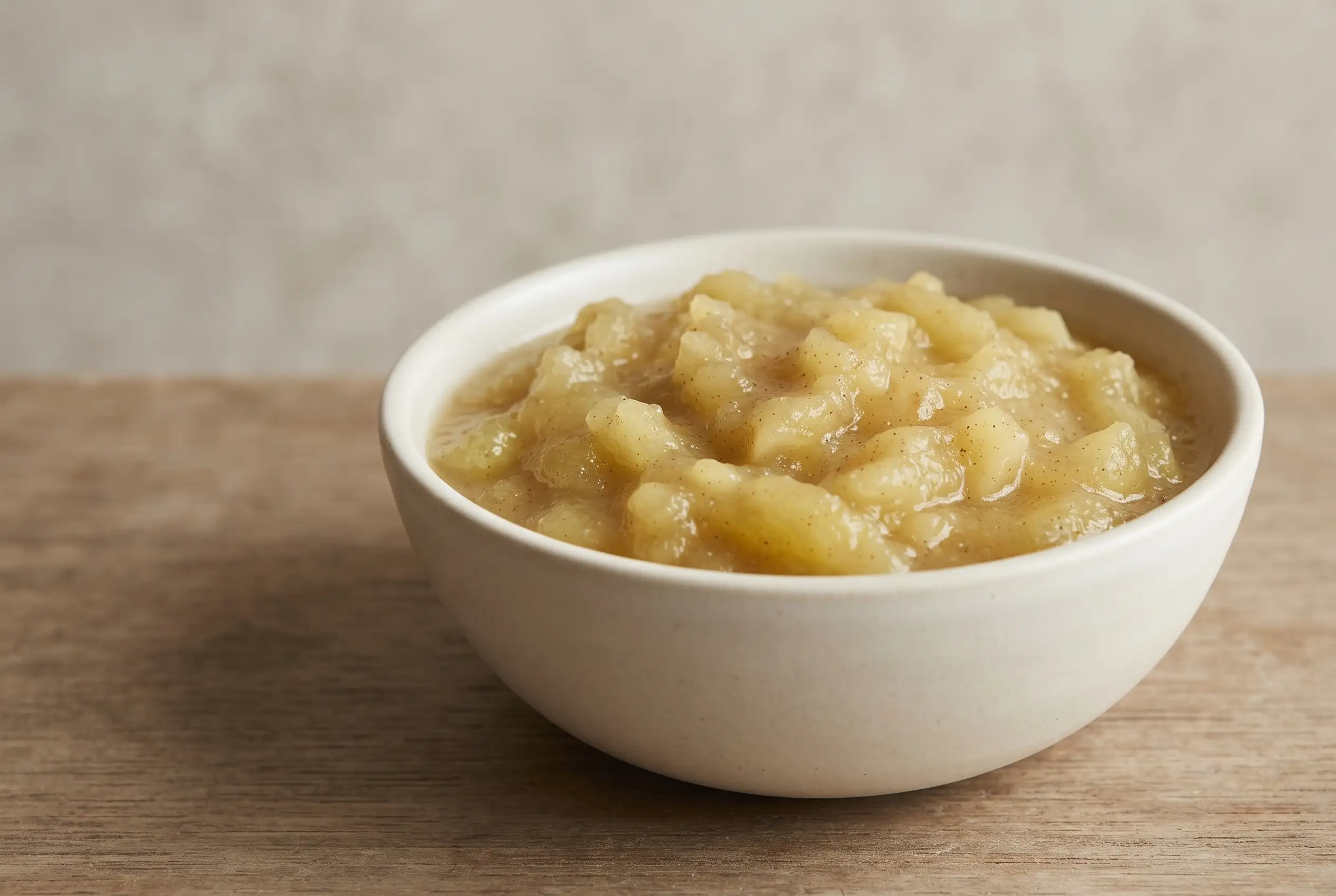
Homemade applesauce Starts With the Right Apple Choice
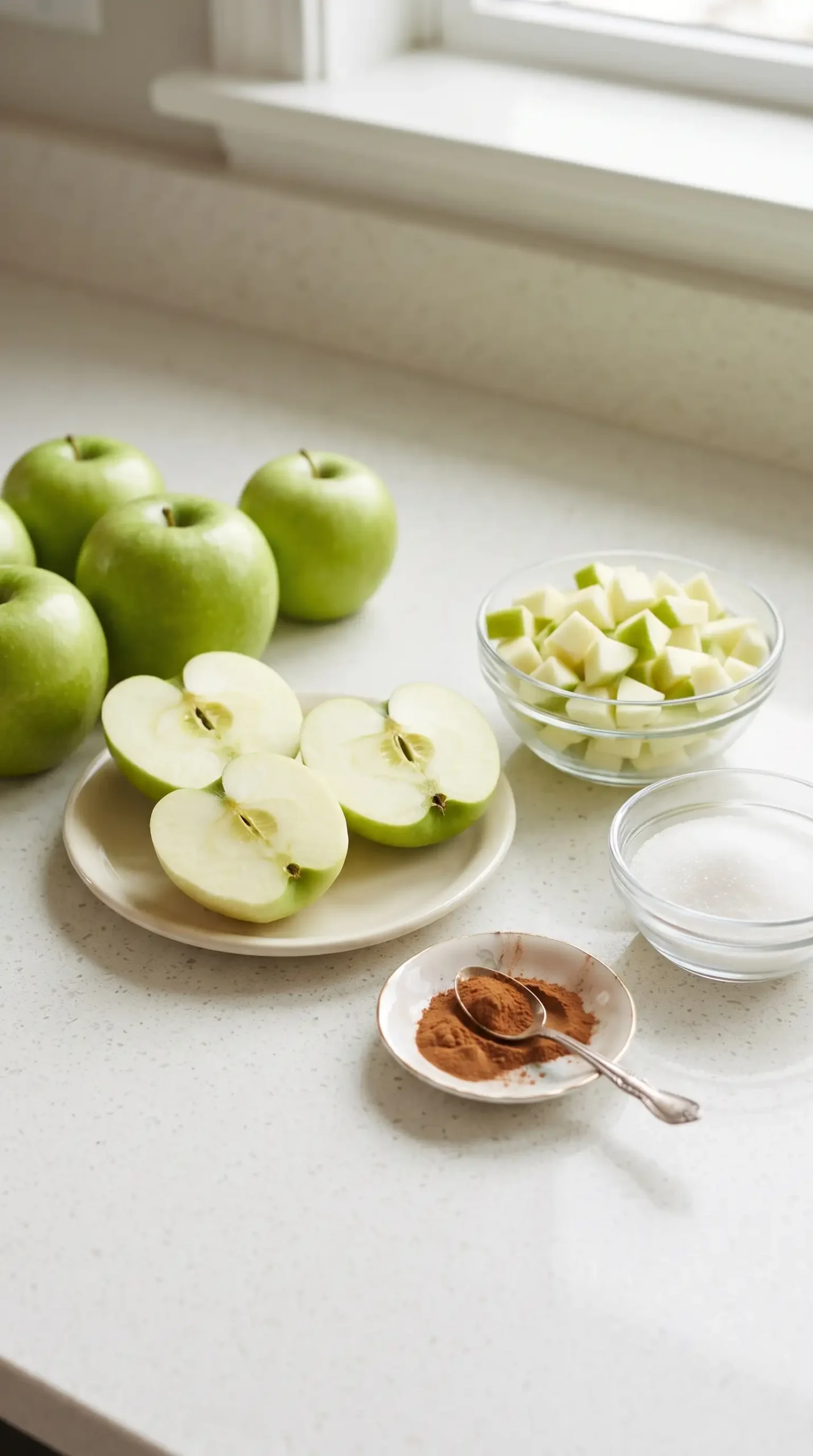
Homemade applesauce begins with a simple transformation: tart apples soften into a smooth, comforting dish with a balance of sweetness and gentle spice. A classic homemade applesauce recipe depends on understanding how the apples behave during cooking, because their texture and flavor determine how the finished bowl comes together.
Granny Smith apples are especially well suited for this preparation because their firm texture holds up while cooking and their naturally tart flavor creates contrast with added sugar. The result is a sauce that tastes bright instead of flat, even after the apples have broken down.
Granny Smith Apples Shape the Classic Flavor
The apple choice creates the foundation of homemade applesauce. Granny Smith apples are suitable for sauce because they bring a noticeable tartness that pairs well with cinnamon, sugar, and the natural sweetness released during cooking. Their firm flesh also allows the cook to control the final texture by deciding how much to mash as they soften.
Apple preparation affects the way the sauce cooks. Peeling and slicing the apples into small pieces helps them soften evenly, allowing the water, sugar, and spices to blend throughout the mixture. Smaller pieces also make it easier to reach a smooth consistency without leaving large firm sections behind.
Classic homemade applesauce recipe success comes from paying attention to the apple pieces before they enter the pot. Uniform slices encourage predictable cooking, while uneven pieces may create a mixture where some portions become soft before others are ready.
| Apple preparation choice | Effect on applesauce | Best use |
|---|---|---|
| Small slices | Softens evenly during cooking | Smooth or lightly mashed sauce |
| Larger pieces | Creates more noticeable texture | Chunkier applesauce |
| Peeled apples | Produces a more traditional smooth texture | Classic stovetop applesauce recipe results |
Water Control Keeps Stovetop Applesauce Recipe Balanced
The amount of water added to the pot influences how easily the apples cook down. A measured amount creates enough moisture for softening while allowing the apples’ own juices to become part of the sauce as they break apart.
Careful simmering helps prevent a thin finished texture. As the apples soften, the mixture naturally becomes thicker, and the cook can judge when the consistency matches the desired style.
Gentle heat is important because apples need time to collapse into a sauce. A low boil over medium heat gives the pieces a chance to soften while the covered pot helps maintain moisture throughout cooking.
Sweetness and Spice Define Cinnamon Applesauce Variations
Cinnamon applesauce can be adjusted according to personal preference because the base ingredients allow room for different flavor levels. Cinnamon adds warmth, while sugar enhances the apples’ natural sweetness and balances the tart character of Granny Smith apples.
- Cinnamon choice: Add enough spice to complement the apples without covering their fresh flavor.
- Sugar adjustment: Increase or decrease sweetness based on the natural tartness of the apples.
- Red hot candies: Use them when a sweeter, spiced variation is desired.
The seasoning stage is where homemade applesauce develops its recognizable character. Adding cinnamon or red hot candies after the apples have reached the desired consistency allows the flavors to blend into the warm sauce.
Covered Cooking Creates Smooth Applesauce Texture
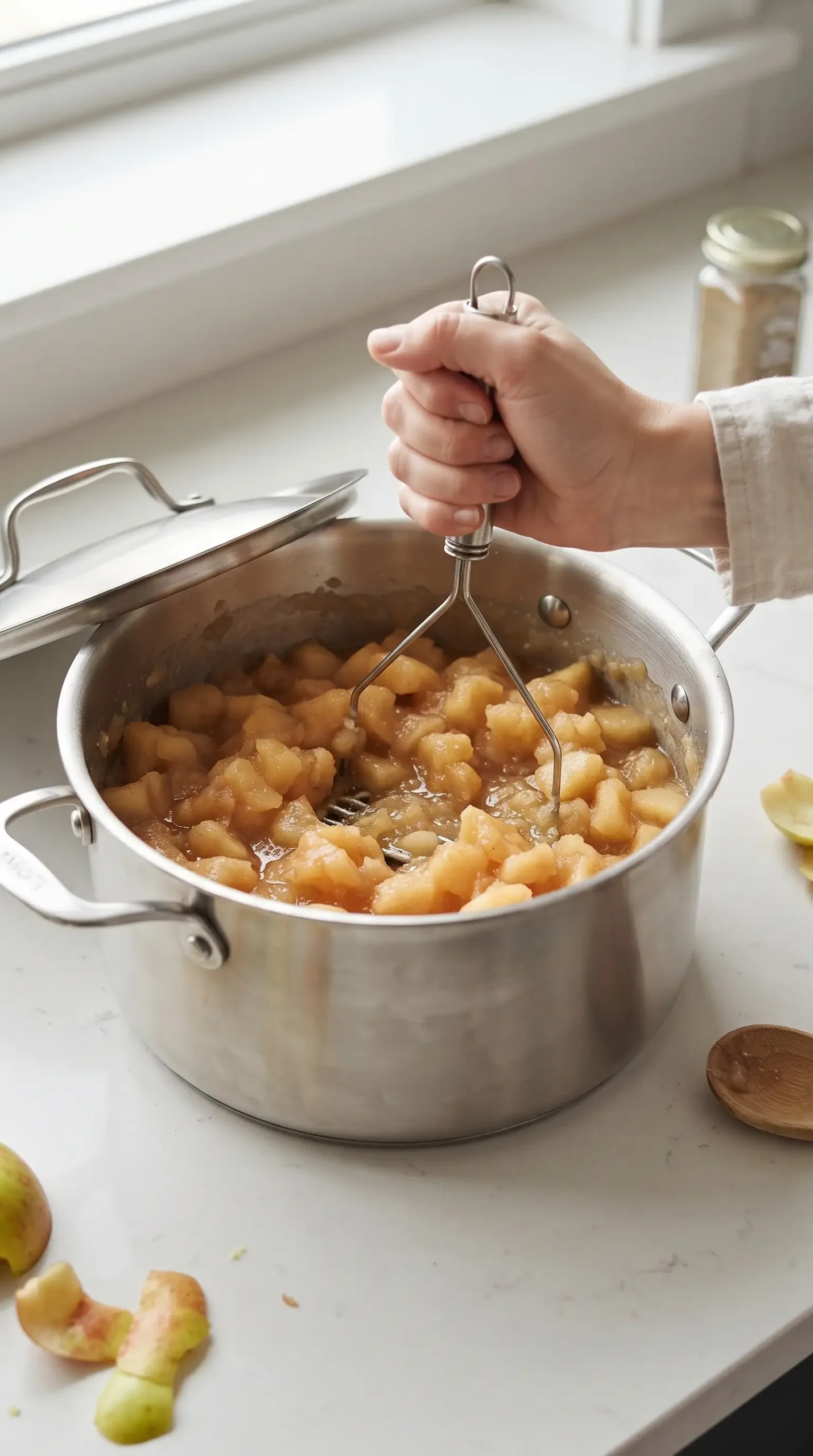
Keeping the pot covered during cooking supports a soft texture by holding moisture close to the apples. As heat breaks down the fruit, the covered environment helps create the tender consistency expected from applesauce.
Pressure cooking can shorten the softening stage while keeping apple pieces tender; an Instant Pot applesauce preparation uses a sealed cooking environment to build a soft texture with less active stovetop time.
Mashing during cooking gives the cook control over the finished texture. Some people prefer visible apple pieces, while others enjoy a smoother sauce that spreads easily.
The texture develops gradually as the apples soften, so frequent attention near the end of cooking helps prevent the mixture from becoming more broken down than intended.
Mistakes That Can Affect Homemade Applesauce Results
Homemade applesauce is simple, but a few choices can change the outcome. Understanding common problems helps preserve the balance between tart apples, sweetness, moisture, and texture.
- Uneven apple pieces: Large differences in size can cause inconsistent softening, leaving some pieces firmer than others.
- Too much liquid: Excess moisture can leave the sauce thinner and may require additional cooking to reach the preferred consistency.
- Over-mashing early: Crushing the apples before they have fully softened can make it harder to judge the final texture.
Small corrections can usually improve the batch. A thinner sauce can continue cooking until it thickens, while a sauce that feels too coarse can be mashed further after the apples soften.
Mashing Decisions Change the Finished Applesauce Style
Mashing is one of the most important choices because it determines how the applesauce feels when served. Soft apples can be pressed into a nearly smooth sauce or left with small pieces for a more rustic texture.
Texture preference often depends on how the applesauce will be enjoyed. A smoother version works well as a simple side dish, while a chunkier style highlights the fruit itself.
Cooling and Chilling Preserve the Applesauce Character
Allowing the cooked applesauce to cool in the pot helps the flavors settle after the heat is removed. The warm mixture continues to feel cohesive as the sweetness and spice distribute through the softened apples.
Refrigeration gives the sauce a cooler, firmer texture that many people associate with classic homemade applesauce. The chilled version can be served on its own or paired with other foods that benefit from a sweet, tart element.
Serving Ideas Highlight Classic Homemade Applesauce
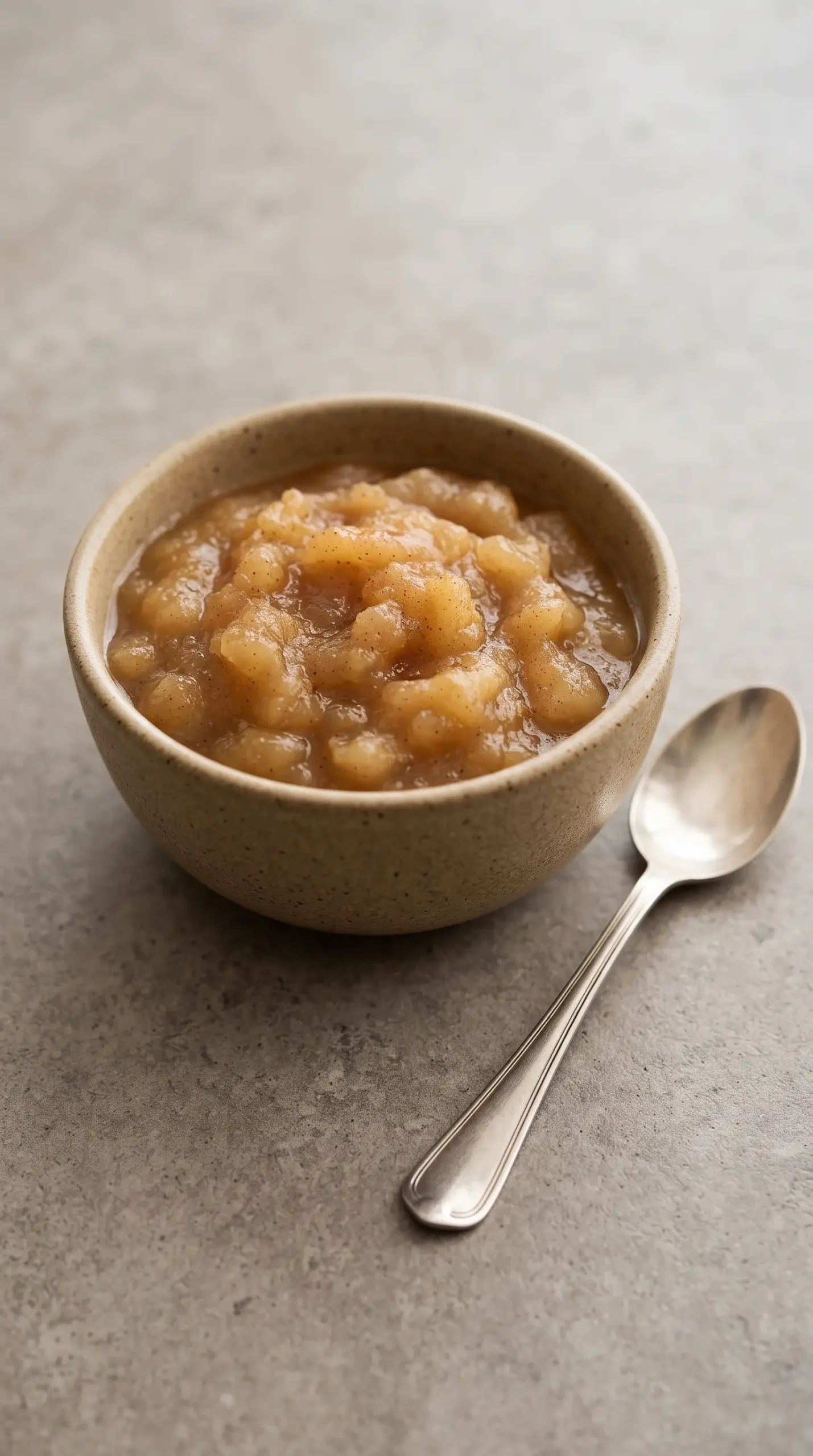
Classic homemade applesauce works as both a simple snack and a versatile accompaniment. Its sweet-tart flavor allows it to complement savory meals while remaining enjoyable as a standalone dish.
Many servings focus on the natural apple flavor, with cinnamon providing enough warmth to make the sauce feel familiar. The finished texture can be chosen to match the occasion, from smooth spoonable sauce to a thicker fruit-forward version.
Adjustments That Keep Homemade Applesauce Flexible
Homemade applesauce can be adapted while staying close to the original character of the dish. The recipe naturally allows changes in sweetness and spice because the apples provide the main structure.
For a stronger cinnamon applesauce profile, additional cinnamon can be used according to taste. A sweeter variation can include red hot candies, creating a different spice note while keeping the same apple base.
These adjustments work because the cooking process creates a flexible foundation. The apples soften into a sauce that can support small flavor changes without losing its identity.
Homemade Applesauce Fits Simple Kitchen Routines
The appeal of homemade applesauce comes from how a short ingredient list creates a complete dish. Apples, water, sugar, and spices combine through gentle cooking into something that feels much more developed than the individual parts.
A stovetop applesauce recipe also demonstrates how attention to texture matters. The cook can watch the apples soften, decide when to mash, and shape the result according to personal preference.
Storage Choices Protect Homemade Applesauce Quality
Proper storage keeps leftover applesauce ready for future servings. Once cooled, the sauce should be placed in a covered container and refrigerated to maintain its texture and flavor.
Cold storage also allows the cinnamon and apple flavors to remain balanced over time. When served later, the sauce may have a slightly thicker consistency than when it was warm.
Homemade Applesauce Reveals the Value of Simple Cooking
Homemade applesauce shows how careful choices with apple texture, moisture, and seasoning create a dependable result from basic ingredients. Granny Smith apples provide the tart foundation, while controlled cooking transforms firm slices into a sauce with a balanced finish.
The most important decision is recognizing when the apples have reached the desired softness and consistency. Once that point is reached, cinnamon, sweetness, and texture can come together naturally in a bowl of classic homemade applesauce.
Homemade Applesauce Questions About Storage, Texture, and Flavor
Can homemade applesauce be made less sweet?
Yes. The sugar amount can be adjusted to suit the natural tartness of the apples. Granny Smith apples already provide a bright flavor, so a lower-sugar version can still have a clear apple taste.
Why is my applesauce too thin?
A thin texture can happen when there is more moisture than needed after the apples soften. Continuing to cook the uncovered mixture allows some liquid to evaporate until the sauce reaches a thicker consistency.
How can I make homemade applesauce smoother?
Smoother applesauce comes from continuing to mash the softened apples until fewer pieces remain. The timing of the mashing step gives control over whether the finished sauce is rustic or silky.
Can I use spices besides cinnamon?
The recipe is centered on cinnamon or red hot candies, but the flavor can be adjusted by changing the amount of the chosen spice. Any adjustment should support the apple flavor instead of hiding it.
What makes Granny Smith apples useful for applesauce?
Granny Smith apples provide a firm texture before cooking and a tart flavor that balances added sweetness. Those qualities help create a sauce with noticeable apple character after the fruit softens.
Homemade Applesauce with Granny Smith Apples and Cinnamon
Ingredients
Method
- Peel the apples and cut them into small pieces, then place the prepared apples in a pot.
- Pour the water into the pot and bring the mixture to a low boil over medium heat while mashing the apples as they soften. Keep the pot covered during cooking.
- Once the apples reach the desired consistency, stir in the sugar, cinnamon and/or red hot candies. Bring the mixture back to a boil, cover the pot again, and remove it from the heat.
- Allow the applesauce to cool in the pot before refrigerating.