
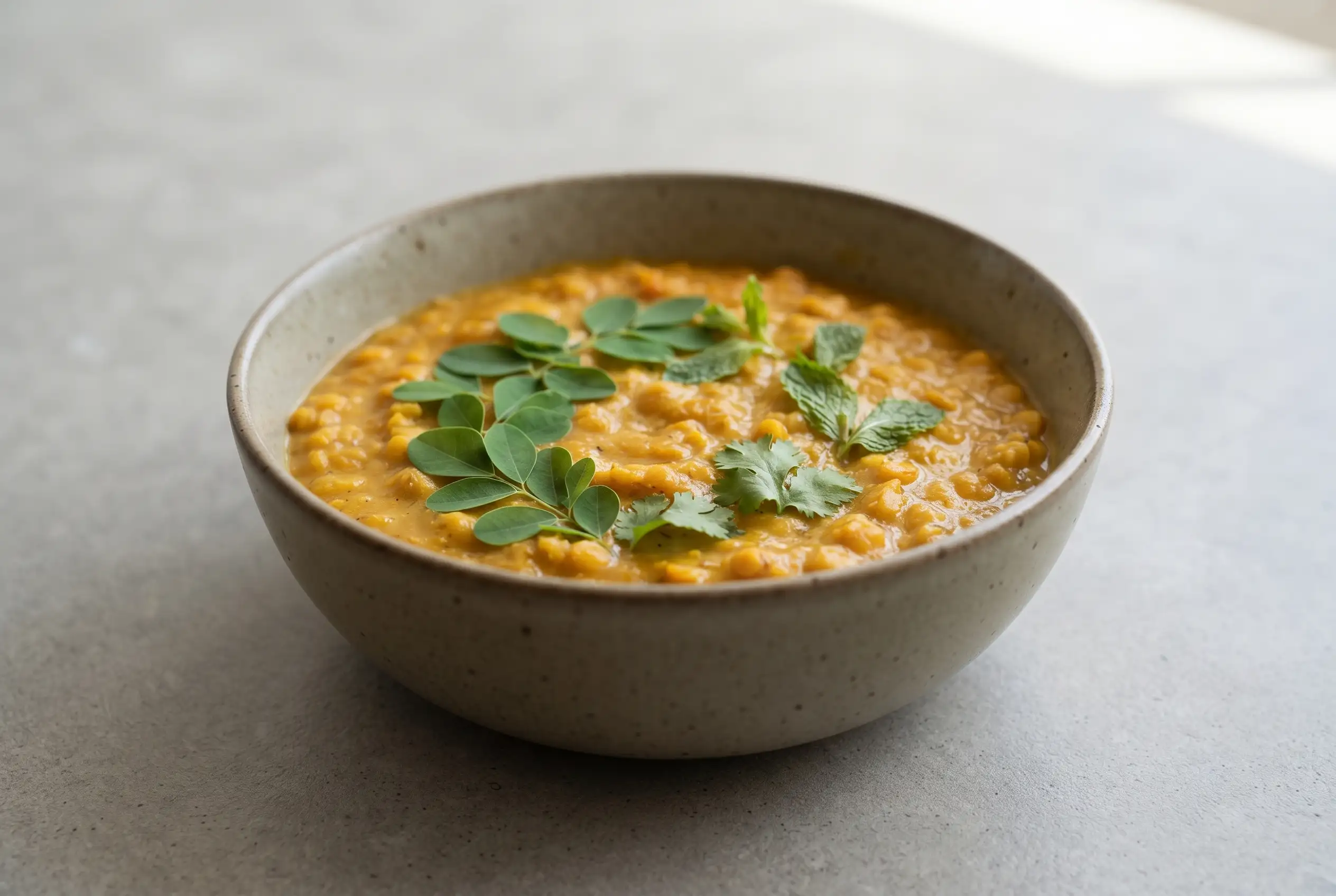
Red lentil dhal brings together tender lentils, curry flavors, coconut milk, and bright herbs in a comforting bowl built around simple pantry ingredients. The easy red lentil dhal recipe works because the lentils soften quickly while absorbing the layered seasoning added at the end of cooking.
Across kitchens where lentil dishes are enjoyed regularly, dhal is valued for its adaptable texture and ability to carry warming spices. The preparation here keeps the focus on a smooth, spoonable consistency with enough seasoning to make every serving feel complete.
Simple adjustments during cooking can shape the finished bowl. The amount of liquid, the timing of seasoning, and the way the lentils are stirred all influence whether the dhal feels thick, creamy, and balanced.
Red Lentils Create the Foundation for Smooth Dhal
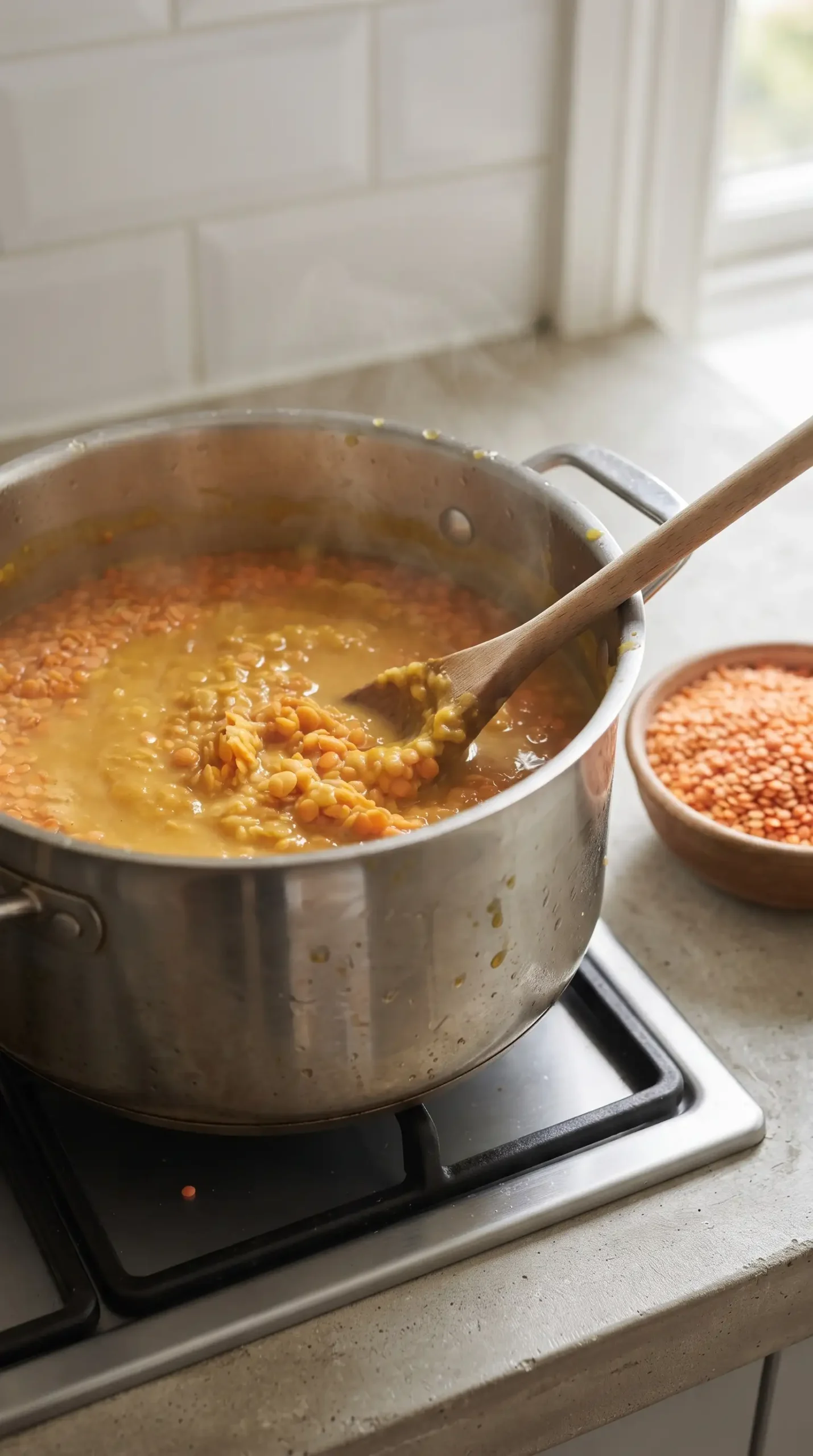
Red lentils are especially suited to dhal because red lentils are quick cooking and do not hold their shape as they soften, creating a naturally thick texture. As they cook, their structure breaks down into a creamy base that does not require additional blending equipment.
Choosing red lentils also changes the character of the dish compared with firmer lentil varieties. Green or brown lentils tend to hold their shape longer, while red lentils create the soft consistency expected from a classic dhal-style preparation.
Several texture decisions happen before serving. Stirring during cooking helps prevent the lentils from settling and catching on the bottom of the pot, while adjusting the liquid after seasoning can help reach the preferred thickness.
Curry Paste and Coconut Milk Shape the Dhal Flavor
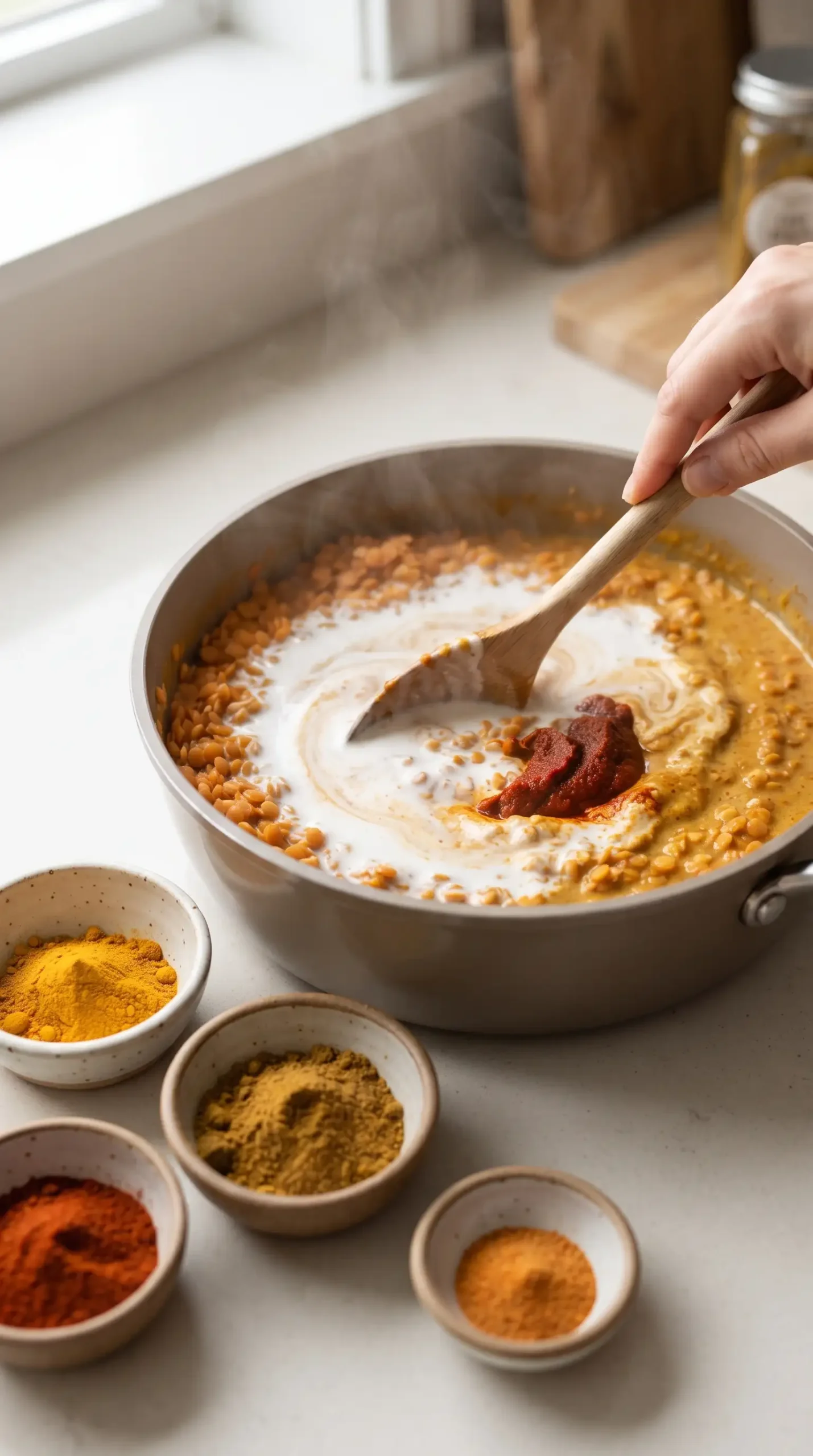
The curry paste and coconut milk combination gives red lentil dhal its recognizable richness by creating a bridge between warming spices and a creamy finish. Coconut milk pairs naturally with lentils in dishes like coconut green curry lentils, where creamy textures and layered seasonings create a hearty vegetarian meal.
Cooking Control Keeps Red Lentil Dhal Texture Balanced
Careful heat management matters because lentils move quickly from firm to soft once they begin simmering. Keeping attention on the pot allows the cook to notice when the lentils have absorbed enough water and when stirring is needed.
During the uncovered cooking stage, the texture changes visibly as the lentils release starch. That starch is what creates the thick body associated with dhal, so frequent checks help maintain a creamy result without allowing the bottom layer to stick.
Seasoning after the lentils have softened creates better control over the finished flavor. The curry paste, spices, coconut milk, and remaining ingredients can be fully incorporated into the cooked lentils, making it easier to adjust salt, heat, or acidity before serving.
| Cooking choice | What to watch | Helpful adjustment |
|---|---|---|
| Liquid amount | Thickness as lentils soften | Add small amounts of water if a looser texture is preferred |
| Stirring frequency | Lentils collecting on the bottom | Stir periodically to keep the pot evenly cooked |
| Seasoning timing | Flavor balance after cooking | Taste and refine salt, spice, or lime before serving |
Mistakes That Affect Red Lentil Dhal Texture
Overlooking a few small details can change the way red lentil dhal turns out. The most common issues come from texture control and seasoning balance, both of which can be corrected with simple observations.
- Skipping stirring: Lentils can settle during cooking, so occasional movement helps prevent sticking on the bottom.
- Adding flavors without tasting: Spices and curry paste vary in intensity, making a final seasoning check useful.
- Ignoring consistency: The dhal may continue thickening as it rests, so adjust with water if a lighter texture is needed.
Uneven seasoning is another possible problem when ingredients are not fully incorporated. Mixing the curry paste, coconut milk, spices, and seasonings thoroughly creates a more consistent flavor throughout the bowl.
Rushing the last adjustments can also affect the result. A small amount of lime juice, extra salt, or herbs can change the balance of a serving, but each addition works best when added gradually and tasted along the way.
Spice Balance Gives Red Lentil Dhal Its Character
Warm spices define the direction of this spicy red lentil dhal, with curry powder, turmeric, chili powder, cayenne, and curry paste working together. The combination creates depth while allowing the mild lentils to remain the central element.
Coconut Milk Red Lentil Dhal Builds Creamy Contrast
Coconut milk creates a softer flavor profile by adding richness after the lentils have cooked. Its creamy texture pairs naturally with the earthy qualities of the legumes and helps round out the stronger spice notes.
Different serving preferences can guide how the coconut element is used. Some cooks may prefer a more pronounced creamy finish, while others may enjoy a stronger focus on the curry flavors and lentil texture.
Fresh lime juice and green herbs provide a useful contrast at the table. The bright acidity from lime can lift the richness, while herbs such as cilantro, green onions, or malunggay leaves add freshness to the finished bowl.
Red Lentil Dhal Pairs Well With Simple Additions
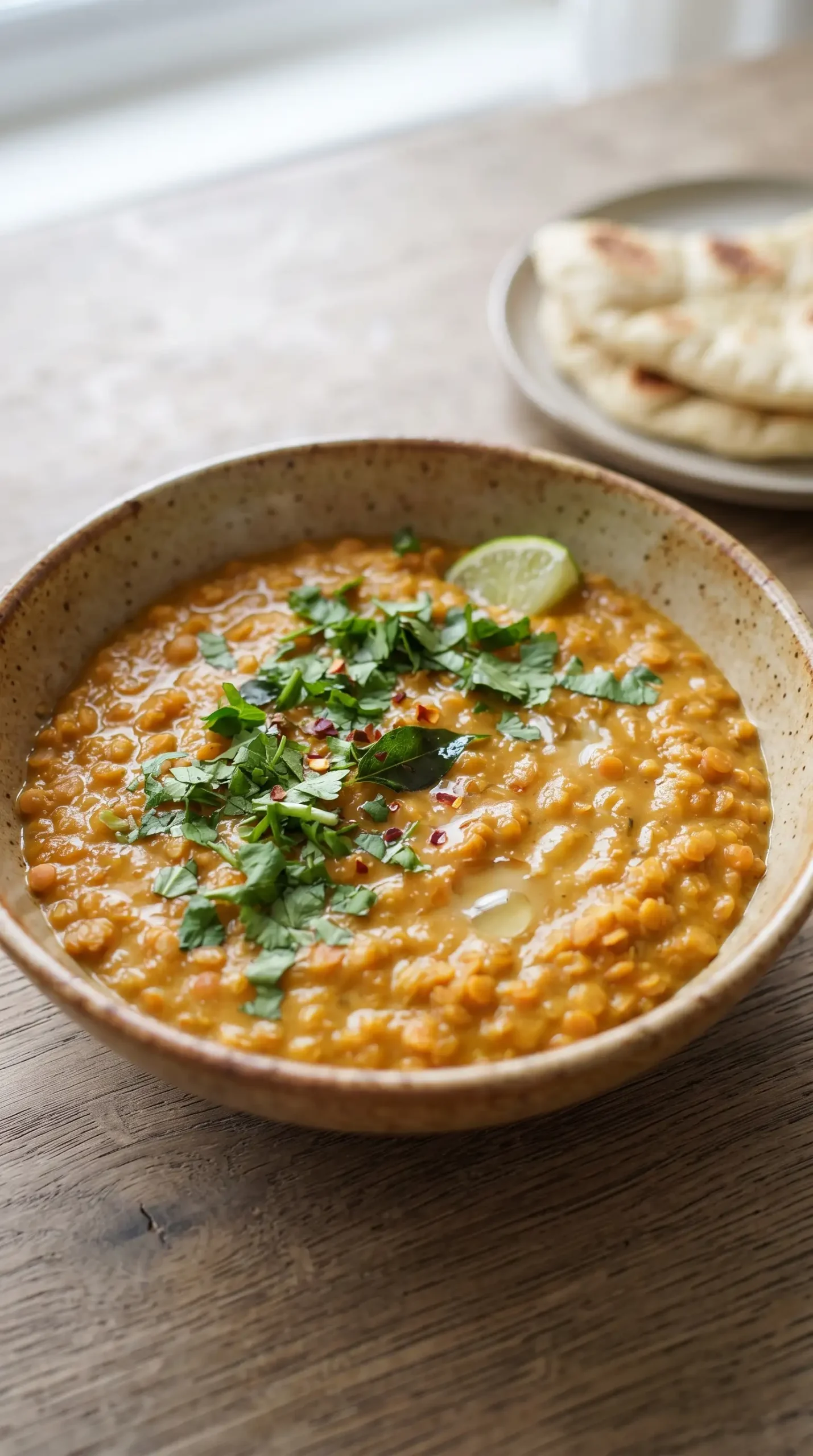
Serving choices can change the experience without altering the core preparation. Rice, flatbreads, or fresh toppings can provide different textures and make the dhal suitable for a variety of meals.
Storage Keeps Cooked Dhal Ready for Later Meals
Cooked red lentil dhal can develop an even deeper flavor as the spices settle together. When storing leftovers, keep the dhal in a covered container and check the texture before reheating.
Reheating may require a small amount of water because lentils continue absorbing moisture after cooking. Stirring while warming helps redistribute the thicker portions and restores a smoother consistency.
Portions can also be adjusted when serving later. A thicker batch can work well as a filling accompaniment, while a loosened texture may better suit a bowl served with rice or bread.
Flexible Red Lentil Dhal Adjustments Suit Different Tastes
Small variations can personalize the dish while keeping its main identity intact. Extra herbs, a change in spice intensity, or adjustments to thickness allow cooks to match the dhal to their preferred style.
Red Lentil Dhal Finds Balance Through Gentle Seasoning and Texture Control
Red lentils create the foundation that makes this dhal successful, but the finished bowl depends on how carefully texture and flavor are guided. A creamy consistency, fully mixed seasonings, and a final touch of lime or herbs bring the separate elements together.
Balanced cooking decisions keep the dish recognizable while leaving room for personal preference. The soft lentils, coconut milk, and warming spices work best when each element supports the others without overpowering the bowl.
Red Lentil Dhal Questions About Texture and Flavor
Can red lentil dhal be made less spicy?
Yes. Reduce the cayenne or chili powder while keeping the curry paste and other seasonings adjusted to taste. The coconut milk also helps create a milder flavor profile.
Why does my dhal become very thick after cooking?
Red lentils release starch as they soften, and the mixture can continue thickening after it leaves the heat. Stir in water gradually until the consistency matches your preference.
Can coconut milk red lentil dhal be made with different herbs?
Yes. Cilantro, green onions, or malunggay leaves can all provide a fresh finishing element. Choose herbs that complement the warm spices and add them close to serving.
How can I add more flavor to leftover dhal?
Leftover dhal can be refreshed with a small amount of lime juice, additional herbs, or adjusted seasoning. Taste after reheating because the flavors may have concentrated during storage.
Red Lentil Dhal with Coconut Milk and Curry Flavors
Ingredients
Method
- Bring the water to a boil in a large pot.
- Add the red lentils and cook uncovered for 10 minutes, stirring every few minutes to keep them from sticking to the bottom. Remove the pot from the heat.
- Mix in the remaining ingredients until evenly combined. Adjust seasoning with additional salt and finish with green herbs for garnish.