
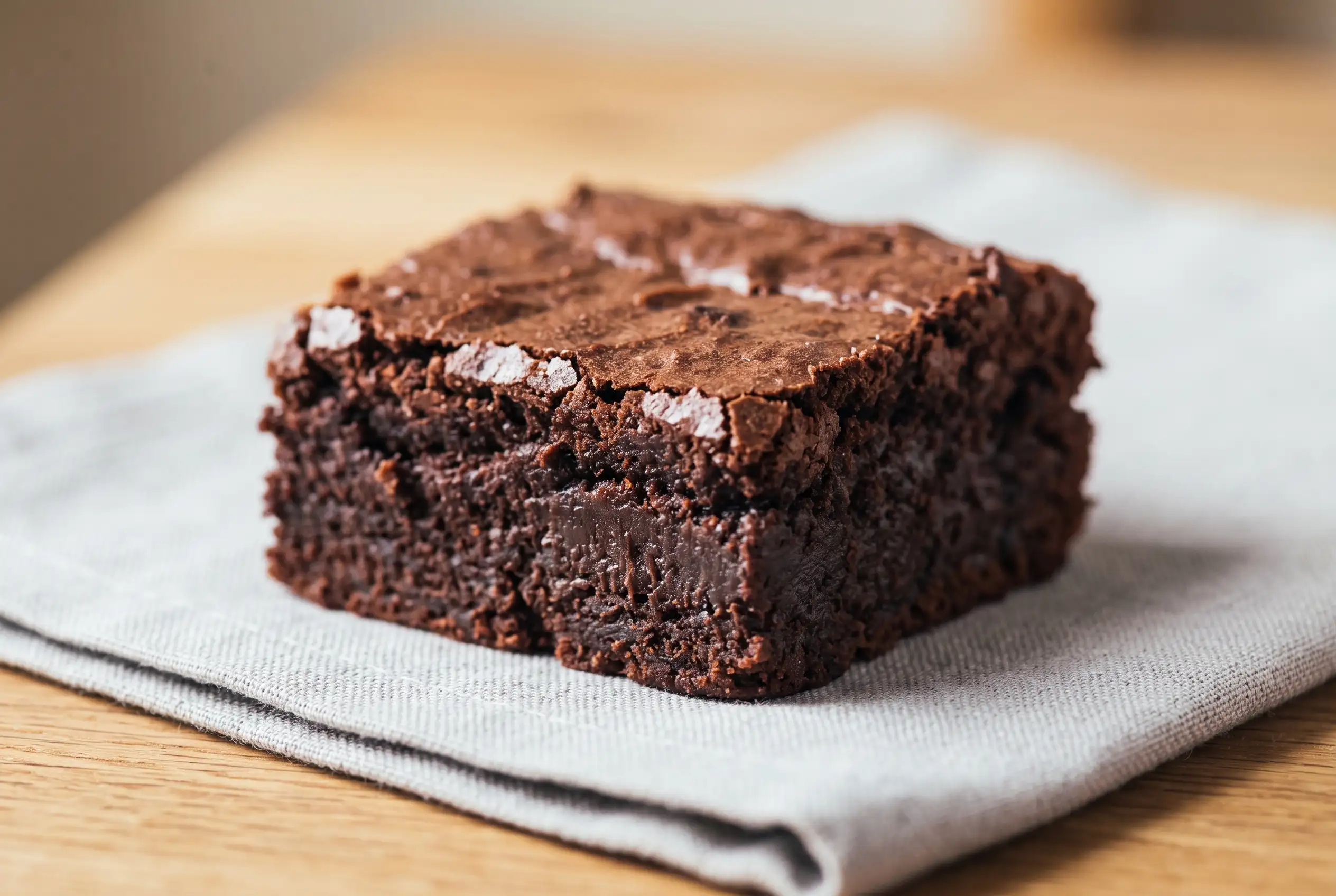
Coconut oil brownies deliver a deeply chocolatey, dense dessert with a texture that sits beautifully between classic brownies and soft fudge. The combination of coconut oil, unsweetened chocolate, brown sugar, eggs, and a small amount of flour creates a rich square that stays moist and intensely chocolate-forward. Careful handling matters because the appeal comes from the thick, fudgy center and smooth finish.
The appeal of these coconut oil brownies is not about adding extra ingredients or complicated techniques. The recipe depends on a few important decisions: choosing the right chocolate texture, mixing gently after the eggs go in, and judging doneness by the kind of brownie you want to serve.
Why Coconut Oil Brownies Stay Fudgy
Dense brownies begin with a formula that keeps structure limited. The smaller amount of flour allows the chocolate and fat to remain prominent, creating a heavier bite instead of a cake-like crumb. The melted coconut oil also helps create a smooth batter that bakes into a rich texture.
Fudgy coconut oil brownies benefit from restraint during mixing and baking. Once the flour is added, the batter only needs to come together. Extra stirring can change the texture by encouraging more gluten development, which may make the finished brownies less tender.
The cooling stage also plays a major role. Warm squares will feel softer and more delicate, while fully cooled brownies become easier to slice and develop the dense texture associated with extra fudgy brownies.
The Unsweetened Chocolate Choice Shapes the Texture
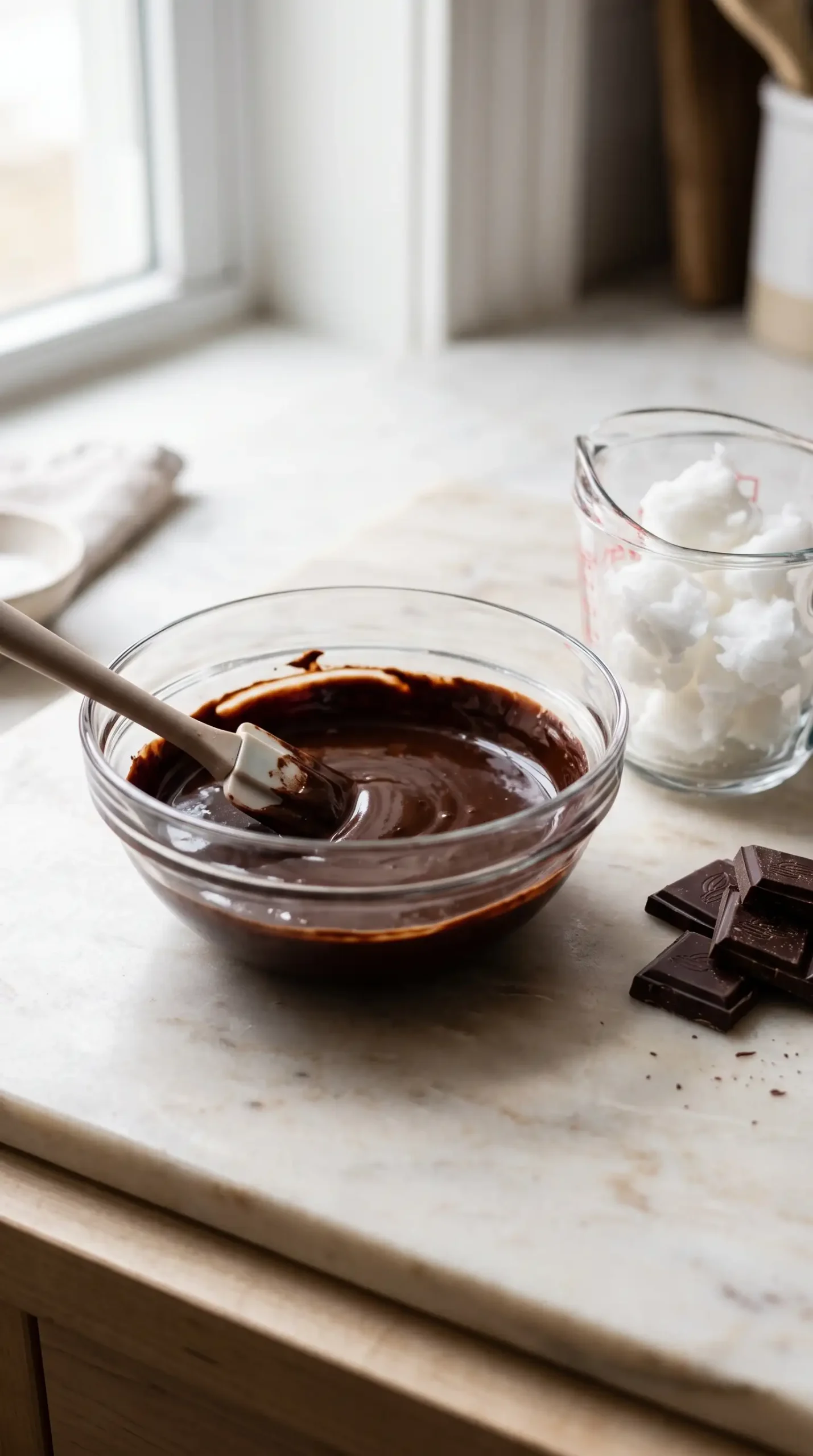
Unsweetened chocolate provides a concentrated cocoa foundation without adding extra sweetness. Since brown sugar supplies the sweetness in these coconut oil chocolate brownies, the chocolate keeps the flavor balanced and intense.
Melting the chocolate with coconut oil creates a unified base before the sugar and eggs are incorporated. gentle chocolate melting helps keep the mixture smooth without overheating. A calm melt helps maintain the silky texture that carries through the finished dessert.
The chocolate also influences how the brownies feel after cooling. A strong chocolate base pairs with the dense structure, giving each bite a deep flavor that does not rely on toppings or mix-ins.
Coconut Oil Brownies Need Careful Ingredient Balance
The ingredients in these brownies work together through proportion. Coconut oil provides richness, eggs add structure, brown sugar contributes moisture, and flour creates enough stability for clean slices. Each element has a specific role in keeping the center thick and satisfying.
- Chocolate choice: Unsweetened chocolate keeps the cocoa flavor bold while leaving sweetness controlled.
- Fat measurement: Solid coconut oil should be measured before melting so the amount remains consistent.
- Egg mixing: Whisking until the mixture thickens helps build the batter’s body.
- Flour handling: Stirring only until combined protects the dense texture.
Small changes can affect the result. Adding extra flour may create a firmer brownie, while changing the chocolate or sugar balance can shift the flavor and texture away from the intended fudgy style.
Cooling Time Changes the Slice and Bite
Freshly baked coconut oil brownies are tempting because the chocolate aroma is strongest while they are warm. At that stage, the center can be especially soft and may not cut neatly. Allowing the brownies to cool gives the structure time to settle.
A longer rest creates cleaner edges and a more compact texture. For occasions where appearance matters, patience after baking can make a noticeable difference.
The Best Pan Approach for Extra Fudgy Brownies
A square baking dish supports the thick brownie shape and helps create portions with a substantial center. The batter should spread evenly so the brownies bake at a similar rate throughout the pan.
| Pan consideration | Effect on brownies | Helpful approach |
|---|---|---|
| Square baking dish | Creates thick, compact pieces | Spread batter evenly before baking |
| Glass dish | Provides a sturdy baking surface | Watch texture as the center sets |
| Even batter depth | Supports consistent baking | Smooth the top before it goes into the oven |
Pan material and batter depth influence how quickly the center reaches the texture you prefer. Since the recipe aims for a fudgy finish, avoiding overbaking is the most important consideration.
Common Coconut Oil Brownies Mistakes to Avoid
Coconut oil brownies can lose their signature texture when a few simple details are overlooked. Most problems come from changes that affect moisture, structure, or the chocolate base.
- Overbaking the center: Longer baking can move the texture away from soft and fudgy. Remove the brownies when they have set but still maintain a rich interior.
- Overmixing the flour: Too much stirring after adding flour can create a firmer result instead of a tender brownie.
- Worrying about visible oil: A small amount of oil around the edges after baking can happen and may absorb as the brownies cool.
- Cutting too soon: Warm brownies are delicious but may not hold sharp slices.
Understanding these risks makes it easier to recognize what is normal. A heavy batter, a soft center, and a short cooling wait are all part of creating this style of brownie.
Reading the Batter Before It Goes Into the Oven
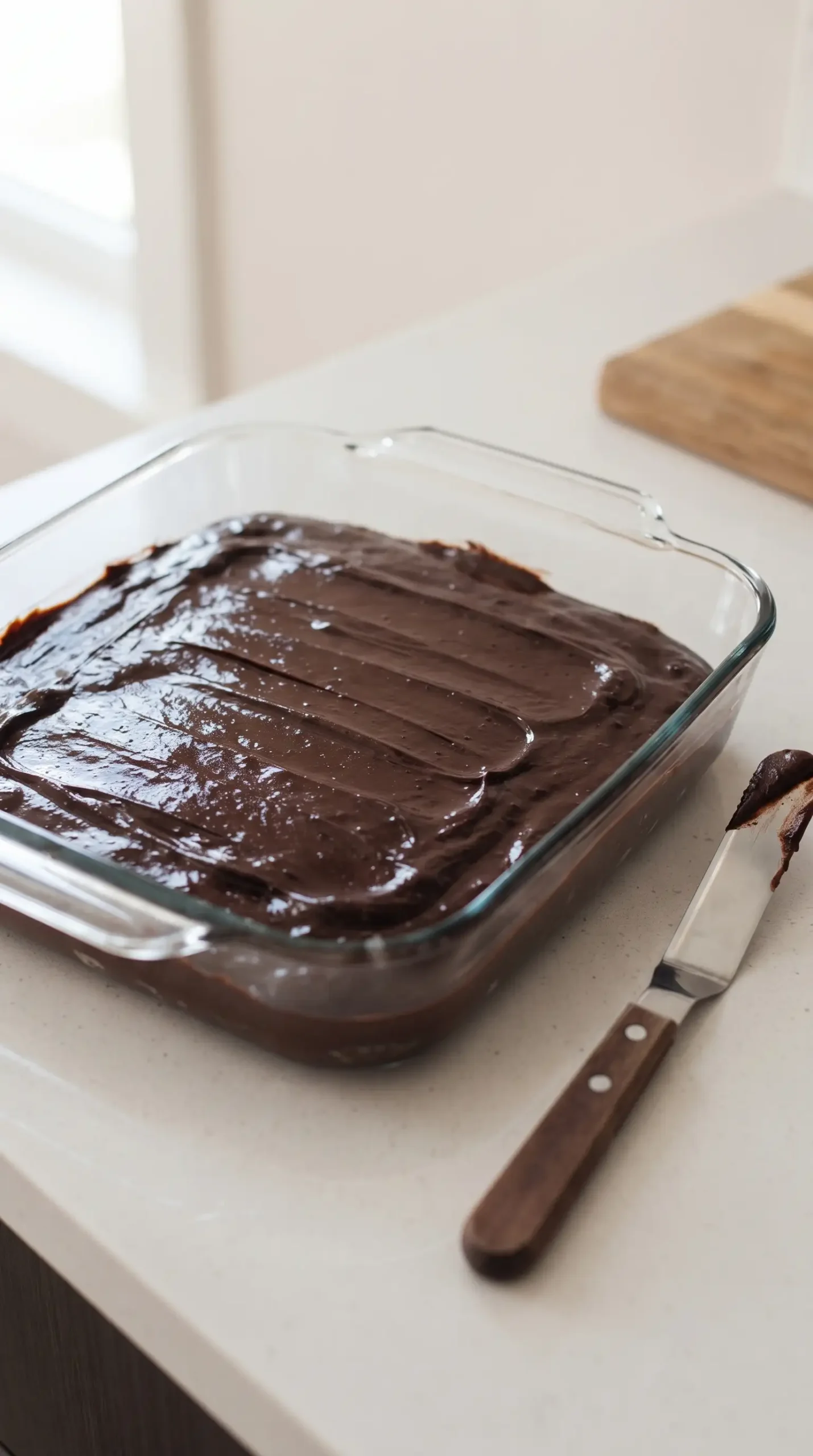
The batter for these brownies has a naturally rich appearance because of the melted chocolate and coconut oil. It may look heavier and more oily than a typical cake batter, but that quality contributes to the finished texture.
A smooth, thick mixture is the sign that the chocolate, sugar, eggs, and flour have combined properly. The batter does not need extra ingredients to become flavorful or impressive.
Serving Ideas for Coconut Oil Chocolate Brownies
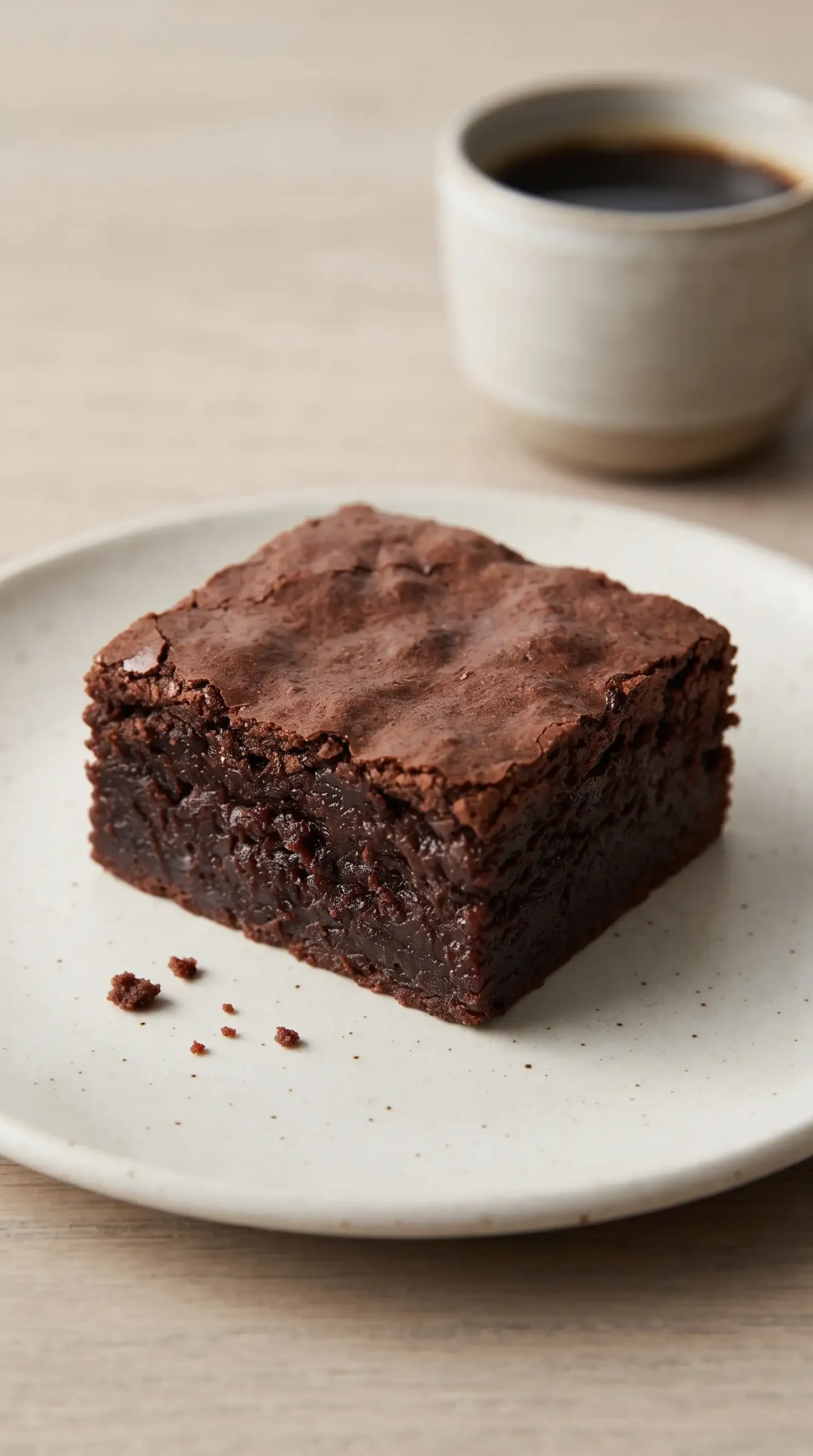
Simple presentation works especially well with coconut oil chocolate brownies because the texture is the main feature. Warm pieces can be enjoyed for a softer experience, while cooled squares highlight the dense center.
For a more polished dessert plate, cut the brownies into neat squares and serve them plain so the chocolate flavor remains the focus. They also pair naturally with coffee, tea, or a scoop of ice cream when a richer dessert is desired.
Storing Fudgy Coconut Oil Brownies Successfully
Fudgy coconut oil brownies keep their character best when protected from air. A covered container helps maintain the soft texture and prevents the edges from drying out.
Cooling completely before storing is useful because the structure continues to settle after baking. Neatly cut pieces are also easier to store once they have reached their finished texture.
Adjustments That Keep the Dense Chocolate Finish
Small personal changes can be made while preserving the main qualities of these brownies. The most successful adjustments keep the balance between chocolate richness, moisture, and structure.
- Choose the texture you want before baking: a shorter bake keeps the center softer, while additional time creates firmer slices.
- Keep the chocolate base consistent if the deep cocoa flavor is the priority.
- Add toppings after baking if you want variation without changing the batter structure.
The recipe is flexible enough for different serving styles, but major ingredient changes can move the result away from the signature dense brownie texture.
How Coconut Oil Brownies Compare to Other Brownies
Different brownie styles can create noticeably different experiences. Comparing the characteristics helps explain why this version feels closer to fudge than cake, while Chocolate Chip Cookie Brownies with Homemade Cookie Dough bring a cookie-inspired twist to the rich bar dessert category.
| Brownie style | Texture | Main characteristic |
|---|---|---|
| Fudgy coconut oil brownies | Dense and moist | Chocolate-forward center |
| Cakey brownies | Lighter and more airy | More flour-driven structure |
| Chewy brownies | Firm with a springy bite | Balanced moisture and structure |
The dense style comes from the relationship between fat, chocolate, sugar, eggs, and limited flour. The result is a brownie that feels rich without needing additional decorations.
Making Extra Fudgy Brownies for Different Occasions
Extra fudgy brownies work well when you want a dessert that feels substantial in a small portion. Their dense texture makes them suitable for sharing, gifting, or serving after a simple meal.
For gatherings, cooling fully before slicing can make presentation easier. For casual moments, serving a warm piece highlights the soft chocolate texture that makes these brownies memorable.
The same qualities that make these brownies special also make them easy to adapt to different moments. The focus remains on the chocolate flavor and the rich, almost fudge-like bite.
Coconut Oil Brownies Keep Their Fudgy Promise Through Gentle Baking
Coconut oil brownies achieve their best texture when the batter stays balanced and the baking process remains controlled. The chocolate base, limited flour, and careful cooling all contribute to the dense finish that defines the dessert.
The baked squares reveal the most important decision: knowing when to stop baking. A center that stays rich and soft creates the signature contrast between traditional brownies and small pieces of fudge.
Why Cooling Time Matters for Coconut Oil Brownies Questions and Answers
Can coconut oil brownies be sliced while warm?
Warm brownies can be served immediately, but the pieces will be softer and may not hold sharp edges. Waiting until they cool allows the texture to become denser and easier to portion.
Why do coconut oil brownies look oily after baking?
A small amount of oil around the edges or on the surface can occur after baking. As the brownies cool, that oil can absorb back into the dessert and contribute to the rich texture.
How can I make the brownies less soft in the center?
A slightly longer bake can create a firmer texture. The center should still be monitored carefully because the appeal of these brownies comes from keeping some fudginess.
Can I use another type of chocolate for this recipe?
The recipe is designed around unsweetened chocolate, which keeps the sweetness balanced with the brown sugar. Changing the chocolate may alter both the flavor intensity and the texture.
What makes these brownies different from cake-like brownies?
The combination of a concentrated chocolate base, limited flour, and careful baking creates a denser bite. Cake-like brownies usually rely on a lighter structure with more emphasis on a fluffy crumb.
Coconut Oil Brownies Extra Fudgy Chocolate Brownies
Ingredients
Method
- Preheat the oven to 350°F (177°C). Melt the coconut oil and unsweetened chocolate together over very low heat until smooth.
- Whisk the melted chocolate mixture with the brown sugar in a bowl. Add the eggs and whisk until the mixture thickens, about 30 seconds.
- Stir in the flour and salt just until combined. The batter will be thick, heavy, and slightly oily.
- Transfer the batter to a 9-inch square baking dish and spread evenly.
- Bake for 25-28 minutes. A small amount of oil on the surface or around the edges may remain after baking and will absorb as the brownies cool.
- Allow the brownies to cool for a few hours or overnight for cleaner slices and a denser fudgy texture.