
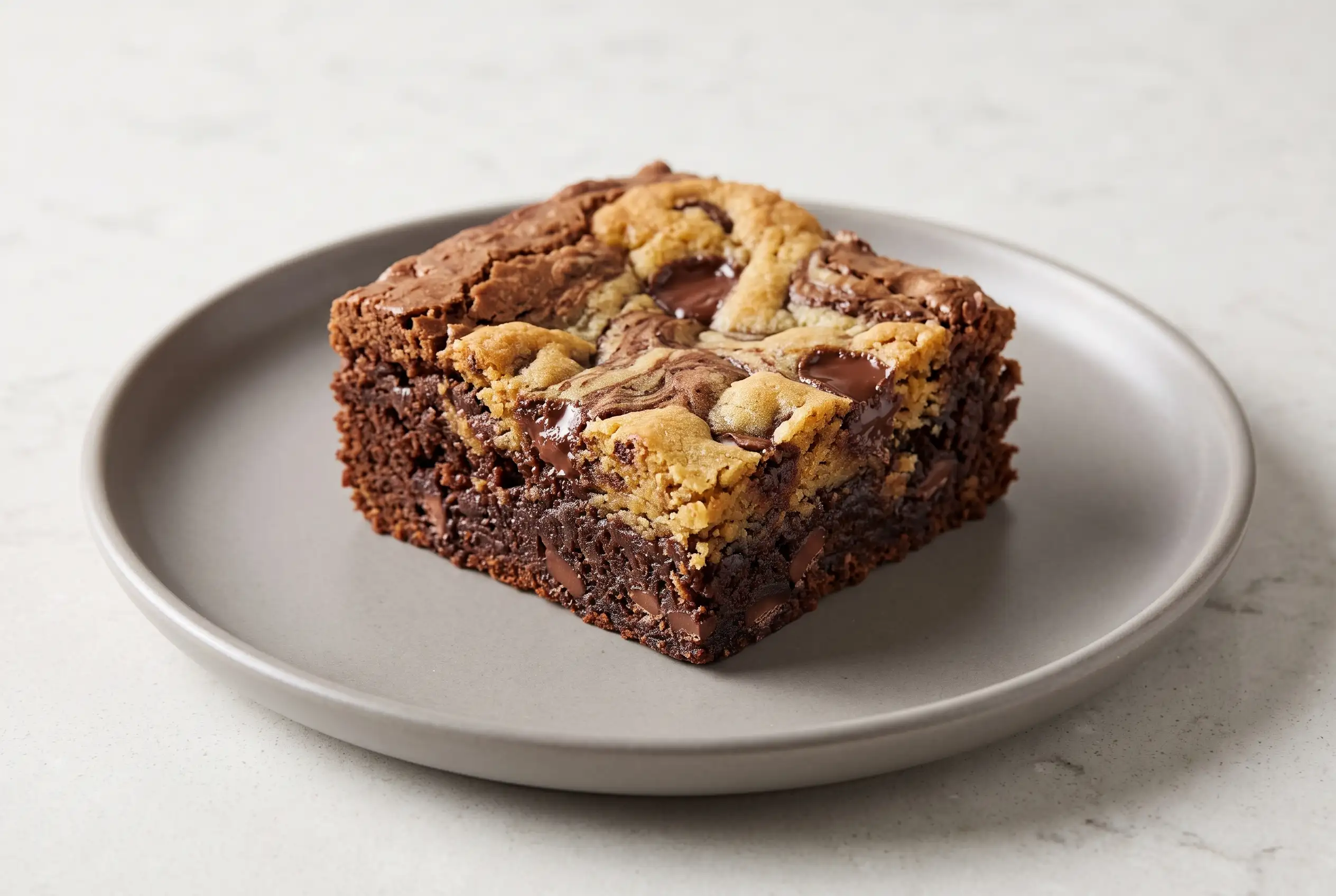
Chocolate chip cookie brownies bring together two familiar desserts in one pan, creating a layered treat with a rich brownie base and pieces of chocolate chip cookie dough baked throughout the top. The combination works because the fudgy chocolate portion and the buttery cookie layer offer different textures while sharing the same chocolate-forward flavor profile.
These chocolate chip cookie brownies rely on a simple approach: prepare a homemade cookie dough, pair it with a prepared brownie batter, and bake the two together until the edges are set and the center reaches the texture you prefer. Small choices during baking, especially around covering the pan and judging doneness, have a major effect on the finished bars.
Chocolate Chip Cookie Brownies Create Two Dessert Textures
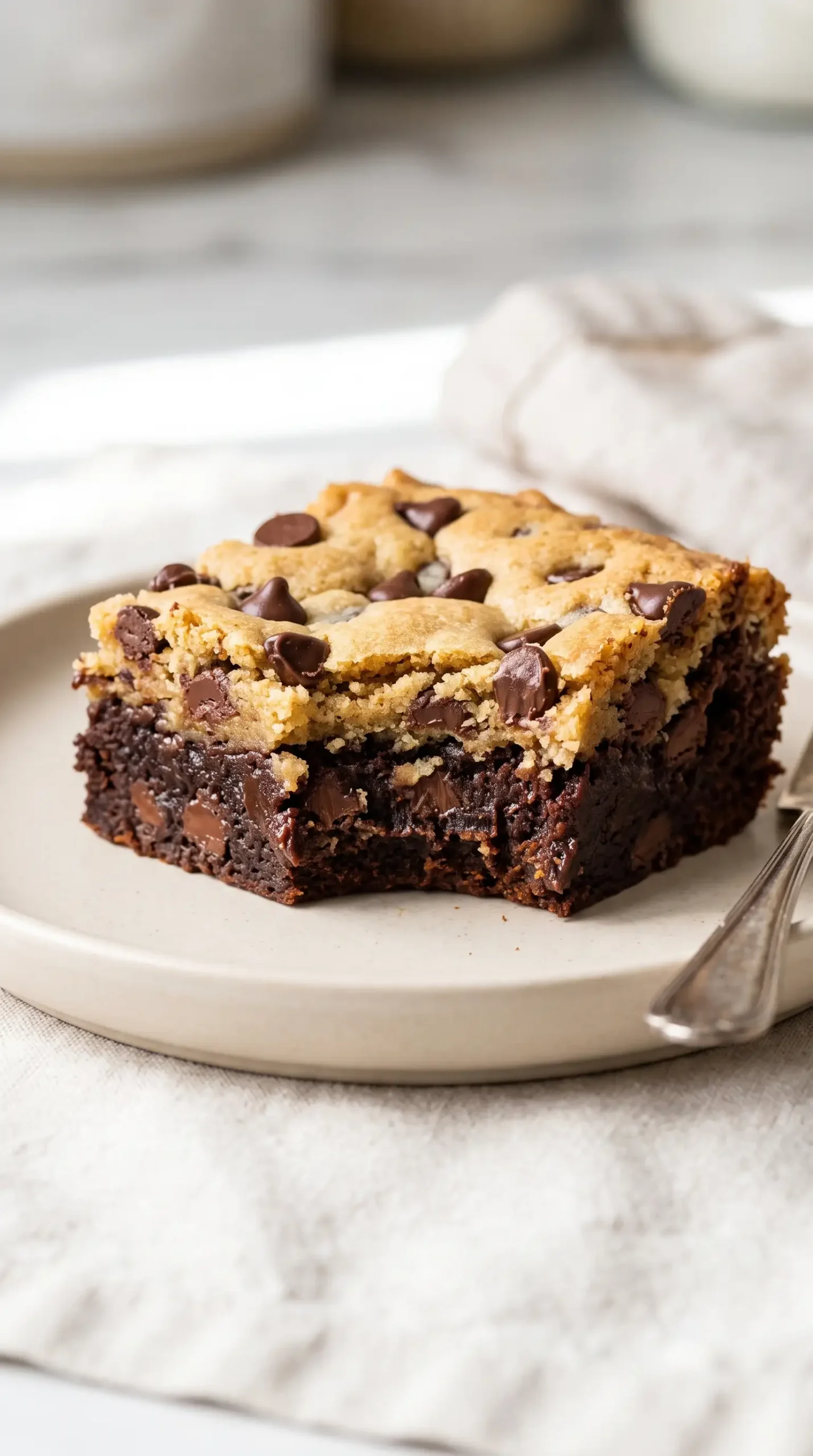
The appeal of cookie dough brownies comes from the contrast between soft brownie squares and pockets of chocolate chip cookie. Each portion combines the dense chocolate base with bits of golden cookie dough, giving the dessert a layered bite without requiring separate baking projects.
The cookie dough is placed directly over the brownie batter before baking, allowing the two parts to finish together. As the brownies bake, the cookie pieces settle slightly into the chocolate layer, creating the signature look of chocolate chip brownie bars with a marbled, bakery-style appearance.
Soft Butter Shapes the Cookie Layer’s Texture
The ingredient choices in the cookie portion influence how the top layer behaves in the oven. Very soft salted butter helps with creaming butter and sugar smoothly, which creates the starting texture needed for the cookie dough.
Brown sugar contributes moisture and a deeper sweetness, while white sugar supports the familiar cookie structure. The egg and vanilla help bind the dough before flour, baking soda, salt, and chocolate chips are added.
Using a prepared chocolate brownie mix keeps the chocolate layer consistent and allows the cookie topping to remain the feature that transforms a regular pan of brownies into baked chocolate chip cookie brownies. The chocolate chips in the dough reinforce the dessert’s chocolate character without adding extra preparation steps.
| Cookie dough choice | Effect in the baked bars | Best use |
|---|---|---|
| Chilled dough pieces | Hold their shape more before baking | Creating visible cookie portions |
| Freshly mixed dough | Spreads more easily over batter | Covering more surface area |
| Saved extra dough | Bakes separately as cookies | Using leftover prepared dough |
Brownie and Cookie Layers Need Careful Baking Balance
The most important cooking control for chocolate chip cookie brownies is managing how heat reaches both layers. The cookie topping can brown before the brownie underneath is fully baked, so visual color alone is not a reliable indicator of doneness.
Covering the pan with foil during part of baking protects the cookie pieces while allowing the brownie layer to continue setting. Alternating covered and uncovered baking helps maintain a balance between a properly cooked center and a cookie topping that does not become too dark.
Pressing the cookie dough gently into the brownie batter also affects the finished texture. The dough should sink slightly into the batter, creating contact between the layers without completely blending them together.
Choosing the Right Pan Helps Chocolate Chip Brownie Bars
A glass square baking dish provides the structure needed for these layered bars. The size of the pan influences how thick each layer becomes, which changes how the dessert bakes and slices.
- Smaller square pan: Creates thicker portions with more visible layers.
- Larger baking dish: Produces thinner bars that may bake differently.
- Glass pan: Matches the supplied preparation method for the layered dessert.
Keeping the cookie dough pieces distributed across the brownie batter helps each serving include both parts of the dessert. Uneven placement can leave some squares with mostly brownie and others with more cookie topping.
Chocolate Chip Cookie Brownies Avoid Common Layering Mistakes
Several problems with cookie dough brownies come from judging the pan by appearance instead of understanding how the two layers bake together.
- Removing them too soon: A browned cookie top can appear finished while the brownie layer underneath still needs more time.
- Skipping foil protection: The cookie pieces may become too dark before the center reaches the desired texture.
- Overmixing the cookie dough: Excessive stirring after adding flour can change the texture of the cookie layer.
Allowing the bars to stand after baking also matters because the warm brownie layer continues to settle. Cutting immediately can make portions harder to handle and may hide the structure created during baking.
Chocolate Chips Add Extra Richness Without Extra Layers
The chocolate chips folded into the cookie dough provide small pockets of chocolate throughout the cookie portion. They complement the chocolate brownie mix while keeping the dessert focused on the contrast between cookie and brownie.
Because the brownie layer already supplies intense chocolate flavor, the chips do not need additional toppings or complicated additions. Their placement inside the cookie dough keeps the texture varied from bite to bite.
Cookie Dough Preparation Determines the Finished Top
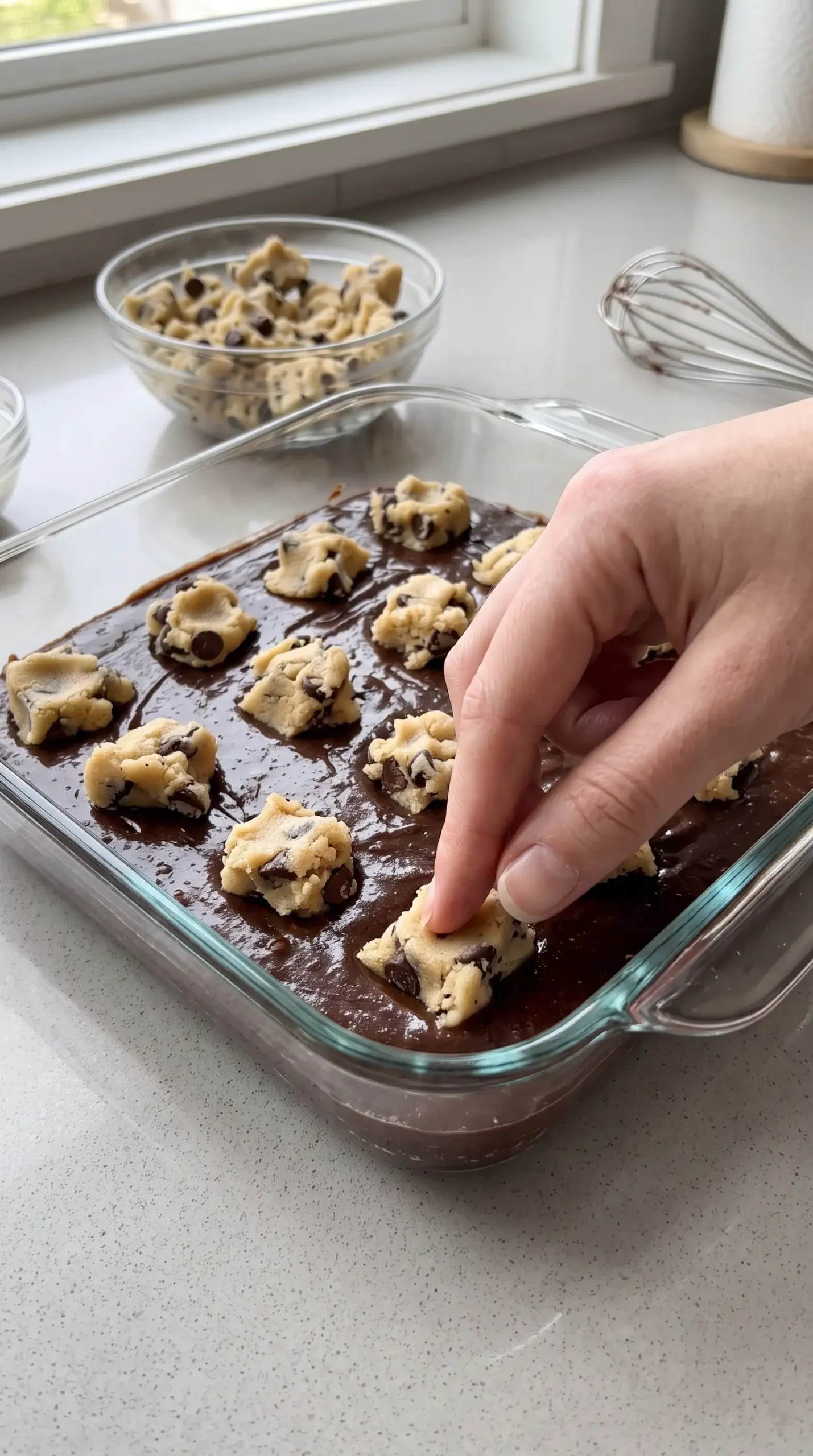
The cookie dough can be prepared ahead and stored in the refrigerator until it is ready to use. This makes it easier to divide the dough into pieces and place it over the brownie batter.
Chilling the dough before baking makes it easier to portion and place evenly across the brownie batter, especially when working with chocolate chip cookie dough that needs to hold its shape during assembly.
When arranging the dough, small pieces work well because they can spread naturally during baking. Pressing them lightly into the batter creates the connected cookie-and-brownie texture that defines the dessert.
Serving Chocolate Chip Cookie Brownies for Better Slices
Cooling time affects how cleanly chocolate chip cookie brownies can be cut. The layers become easier to distinguish once the dessert has rested after leaving the oven.
These bars can be served as individual squares, making them practical for sharing. Their combination of cookie dough and brownie textures also makes them suitable for occasions when choosing between two classic desserts feels difficult.
Simple Storage Keeps Cookie Dough Brownies Ready to Enjoy
Cookie dough brownies are best kept protected from air so the cookie layer and brownie layer maintain their texture. Store cut pieces in a covered container and serve when the chocolate flavors are still prominent.
For longer storage, individual portions can be separated so only the amount needed is handled at one time. Bringing a chilled portion closer to room temperature before serving can make the texture softer.
Adjusting Doneness Changes the Brownie Experience
The baking time decision changes the character of the dessert. A shorter bake keeps the center more gooey, while additional baking produces a firmer brownie layer with a more set structure.
| Baking preference | Texture result | Important observation |
|---|---|---|
| Less baked center | Softer, fudgier brownie texture | Requires careful timing |
| Fully baked center | More structured slices | Needs enough time for the middle |
| Protected cookie top | Balanced surface color | Uses foil during baking |
Chocolate Chip Cookie Brownies Fit Classic Dessert Occasions
The combination of two popular desserts makes these bars easy to serve when different preferences are expected. Brownie lovers get a deep chocolate base, while cookie fans find familiar chocolate chip cookie flavor in every piece.
The recipe also uses accessible ingredients and a straightforward assembly method, making it approachable for home bakers who want a layered dessert without complicated decorating.
Chocolate Chip Cookie Brownies Deliver a Balanced Two-Layer Finish
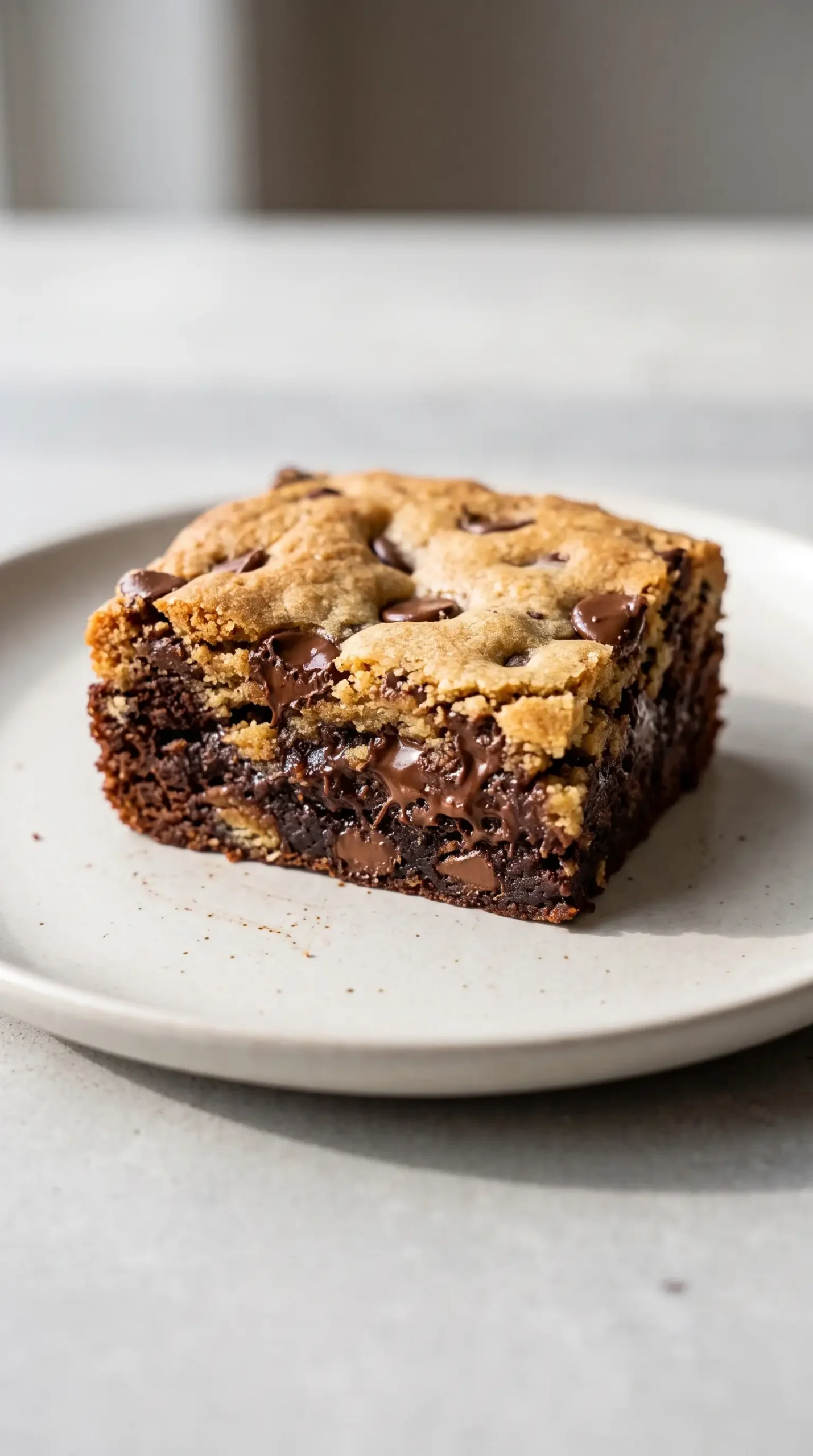
Chocolate chip cookie brownies succeed when the cookie topping and brownie base finish together. The most important judgment comes from protecting the cookie layer while allowing the chocolate center enough time to set.
The finished bars showcase why combining cookie dough with brownies works so well: each layer keeps its identity while creating a dessert that feels complete in a single square.
Chocolate Chip Cookie Brownies Baking Questions and Answers
Why are my chocolate chip cookie brownies sinking in the middle?
A sunken center usually happens when the brownies are removed before the middle has finished baking. The cookie topping can look ready before the brownie layer underneath is fully set, so allowing enough baking time is important.
Can I use all of the cookie dough on top of the brownies?
The amount of cookie dough that fits depends on the pan size and how thick you want the layers. Extra dough can be baked separately as regular cookies if there is not enough room on the brownie surface.
How do I stop the cookie topping from getting too brown?
Covering the pan with foil during part of baking protects the cookie pieces while the brownie layer continues cooking. Adjusting when the foil is added helps control the surface color.
What makes these different from regular brownies?
Regular brownies focus on one chocolate texture, while chocolate chip cookie brownies combine a brownie base with a separate cookie dough layer. The result includes both fudgy chocolate and buttery cookie characteristics.
Can I make the cookie dough ahead of time?
Yes, the prepared cookie dough can be stored in the refrigerator until needed. Chilled dough is easier to handle when placing pieces over the brownie batter before baking.
Chocolate Chip Cookie Brownies with Homemade Cookie Dough
Ingredients
Method
- Use an electric mixer to beat the very soft butter with both sugars in a small mixing bowl until combined.
- Mix in the vanilla and egg, then beat again until the mixture is smooth.
- Add the flour, baking soda, and salt, stirring gently until incorporated.
- Fold in the chocolate chips, then refrigerate the cookie dough until it is needed.
- Preheat the oven to 350°F (177°C). Prepare the brownie batter according to the package directions.
- Spread the brownie batter into a glass 8×8 or 9×9 baking dish.
- Place pieces of cookie dough over the brownie batter. Use the amount that fits the pan, saving any extra dough for regular cookies if needed.
- Press the dough pieces lightly so they sink slightly into the brownie batter.
- Bake for 35-40 minutes, using 35 minutes for a gooier center or 40 minutes or more for a more fully baked texture. Cover with foil during baking if needed to prevent the cookie pieces from becoming too dark on top.
- Allow the brownies to stand for 15-20 minutes before cutting into pieces.