
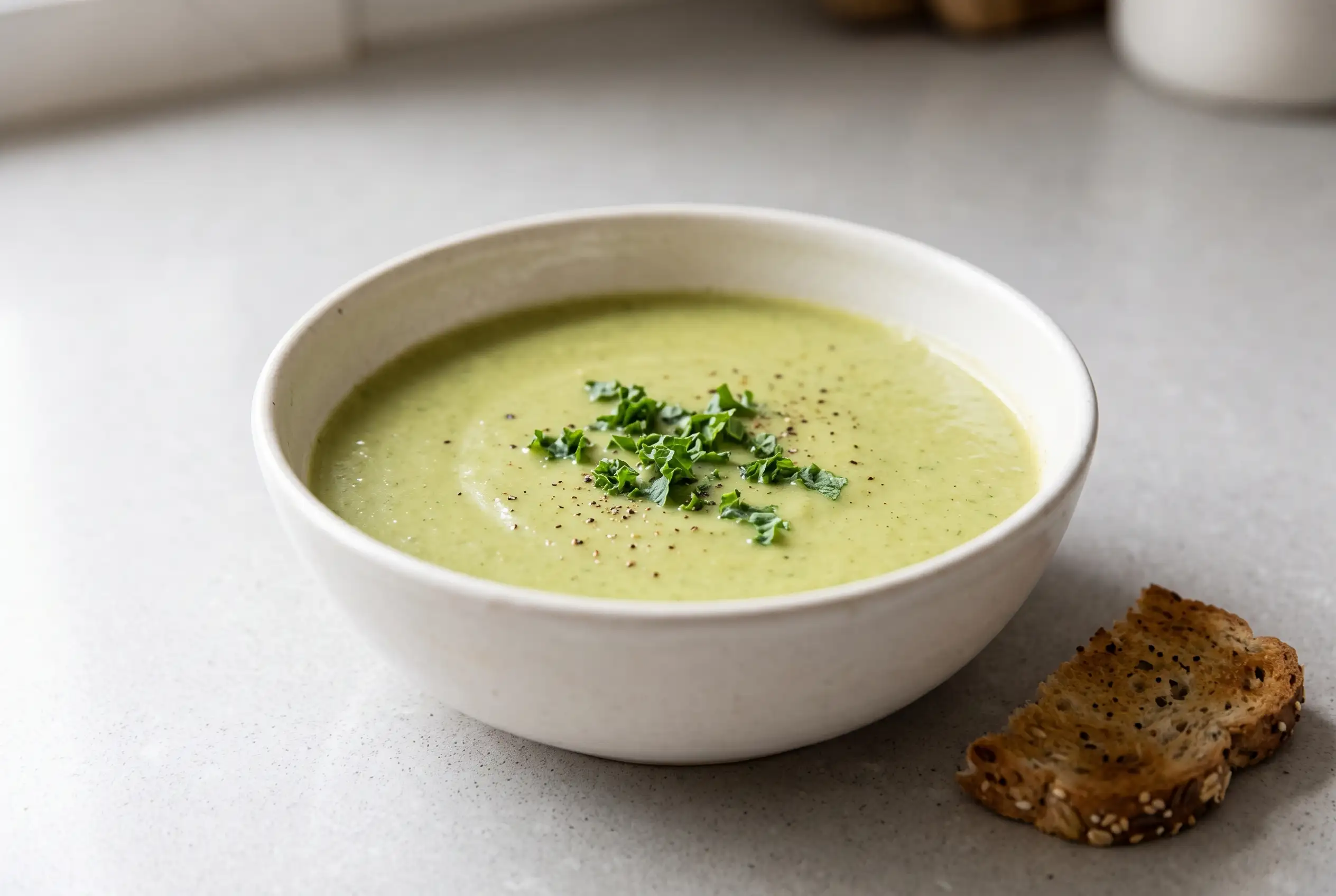
Potato kale soup creates a smooth vegetable base
Potato kale soup combines tender potatoes, leafy greens, broth, and milk into a blended bowl where texture depends on how the vegetables are handled before and after pureeing. The finished soup relies on a smooth base that still keeps the earthy character of kale present, making each choice during cooking important.
Simple preparation decisions shape the final consistency. Keeping some control over the sautéing stage, the amount of broth added, and the blending time helps create a soup that is creamy without becoming flat or watery.
Blending choices shape creamy potato kale soup texture
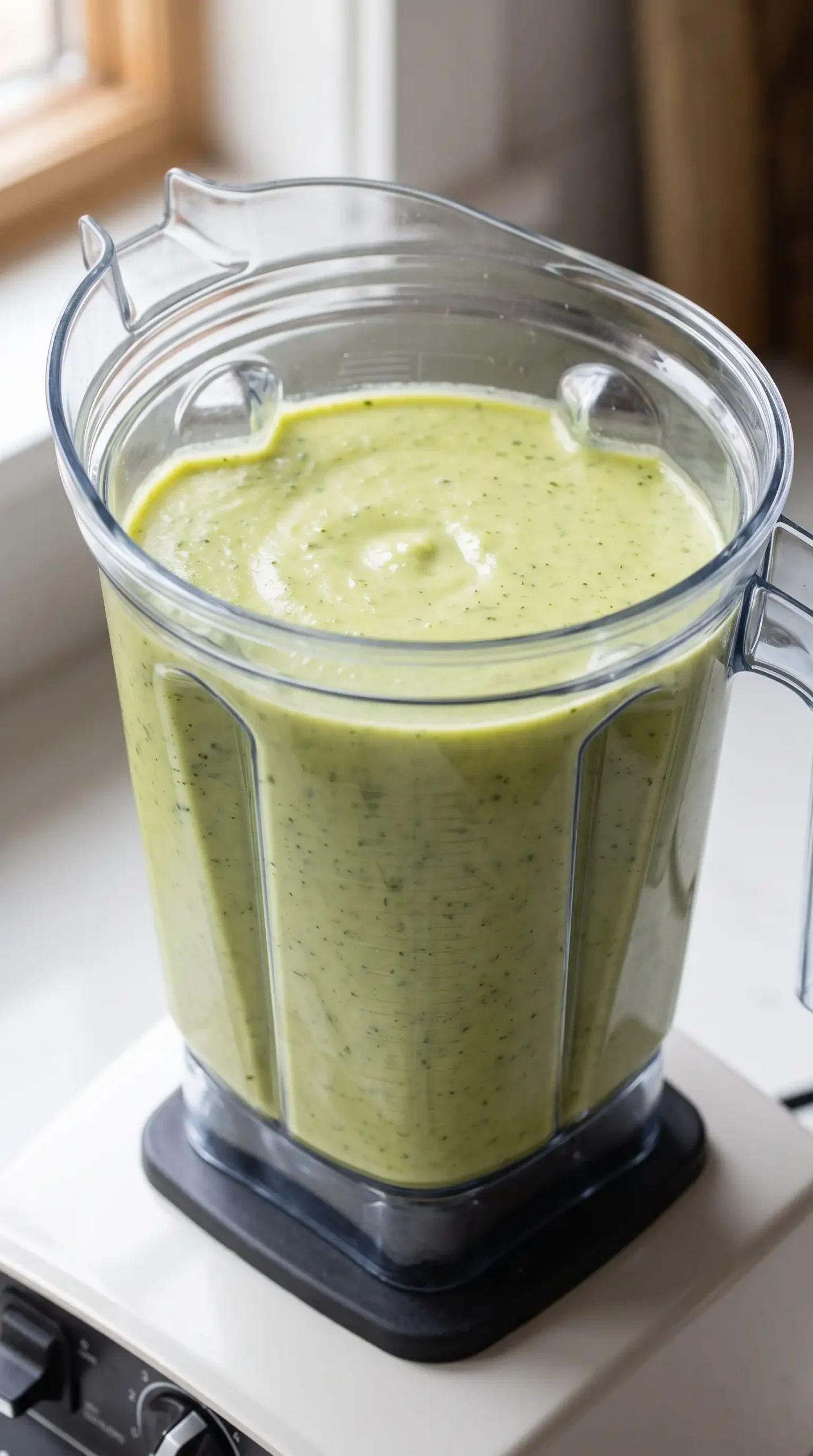
Smooth blending is the defining step behind creamy potato kale soup recipe results. Potatoes naturally release starch as they cook, which allows the soup to develop body when the vegetables are transformed into a uniform puree.
A high-powered blender can create a very fine texture, but the amount of liquid added before blending affects how easily the vegetables move through the blades. Starting with a thicker mixture allows the potatoes and kale to break down fully before adjusting the consistency later.
After blending, the milk and additional broth create the balance between richness and spoonable texture. A thicker version works well when served with bread, while a looser consistency makes the soup easier to pour into bowls or pair with other dishes.
Kale amount changes color and balance
Kale amounts influence both the appearance and flavor of potato kale soup. Adding more chopped kale creates a brighter green color and increases the leafy vegetable character, while a smaller amount keeps the potato flavor more prominent.
Potatoes determine the body of potato and kale soup
Potatoes provide the structure that turns potato and kale soup into a creamy bowl without relying on a separate thickener. Their starches help connect the broth, vegetables, and milk after blending. Choosing a balanced potato base is essential in blended soups, including creamy potato soup with vegetables and milk, where softened potatoes help create a smooth and satisfying texture.
Cooked potatoes need enough time to soften completely before they are pureed. Pieces that remain firm can prevent a smooth finish, while properly softened potatoes create a consistent texture throughout the soup.
Different amounts of potato can change the thickness of the finished dish. Adding more potatoes creates a denser puree, while additional broth can loosen the soup when a lighter texture is preferred.
Butter and aromatics build the soup foundation
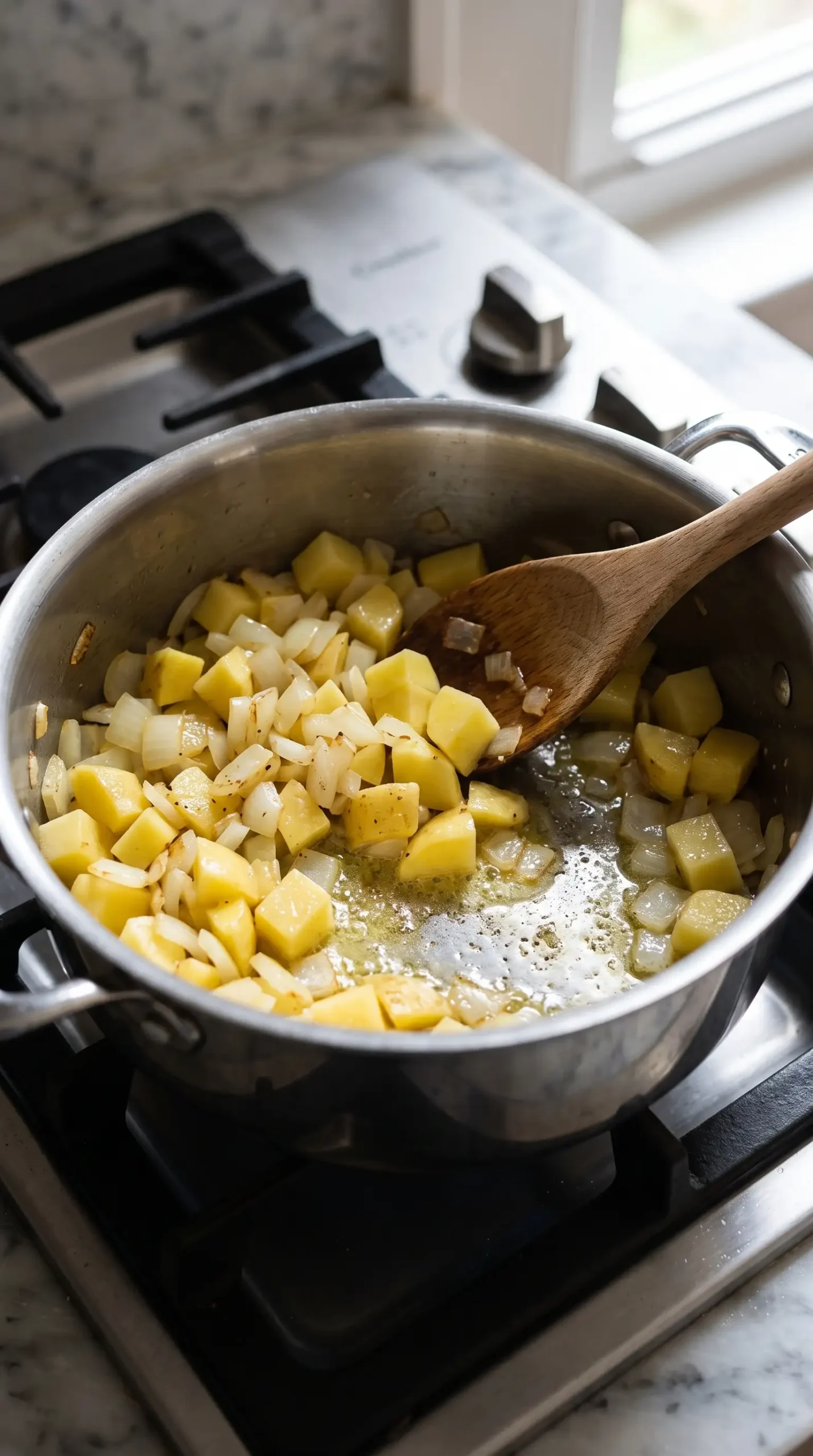
Butter creates the starting point for the soup by carrying the flavor of the sautéed onion and helping the vegetables develop a savory base. The onions should become golden and fragrant while keeping enough structure to support the later blending stage.
Cooking control keeps blended potato kale soup balanced
Controlled heat during the early cooking stage has a direct effect on the flavor of blended potato kale soup. The onions and potatoes benefit from becoming lightly golden, but extended cooking can soften their character too much.
Gentle simmering after the broth and kale are added allows the greens to soften and deepen in color. The kale should become tender enough to blend smoothly while still contributing its fresh vegetable quality.
Careful blending requires attention to safety and texture. Moving hot soup into a suitable blender and processing until smooth creates the creamy consistency associated with this style of soup, while later liquid adjustments allow precise control.
When blending hot soup, it is important to avoid overfilling the blender so steam can escape safely and the mixture can be processed without unnecessary splattering.
Mistakes that affect potato kale soup texture
Common mistakes with potato kale soup usually involve texture decisions that happen before serving. Avoiding a few specific issues helps preserve the smooth vegetable base and balanced flavor.
- Overcooking the vegetables: Letting onions and potatoes become overly soft during sautéing can reduce their depth of flavor before blending.
- Adding liquid too quickly: Pouring in all available broth before evaluating the puree can make it harder to reach the desired thickness.
- Ignoring seasoning after blending: A smooth soup can still need salt and pepper adjustments once the ingredients have combined.
Overworked texture can happen when blending decisions are rushed. If the soup becomes thicker than expected, additional broth can bring it back into balance without changing the overall character.
Uneven flavor may appear when the sautéing stage is skipped or shortened too much. Allowing the onions and potatoes to develop a light golden color gives the blended soup a stronger foundation.
Milk adjustments refine the finished soup
Milk adjustments allow potato kale soup to move between a rich creamy texture and a lighter consistency. Adding milk after blending helps maintain control because the thickness of the vegetable puree is already visible.
Serving pairings complete a bowl of potato kale soup
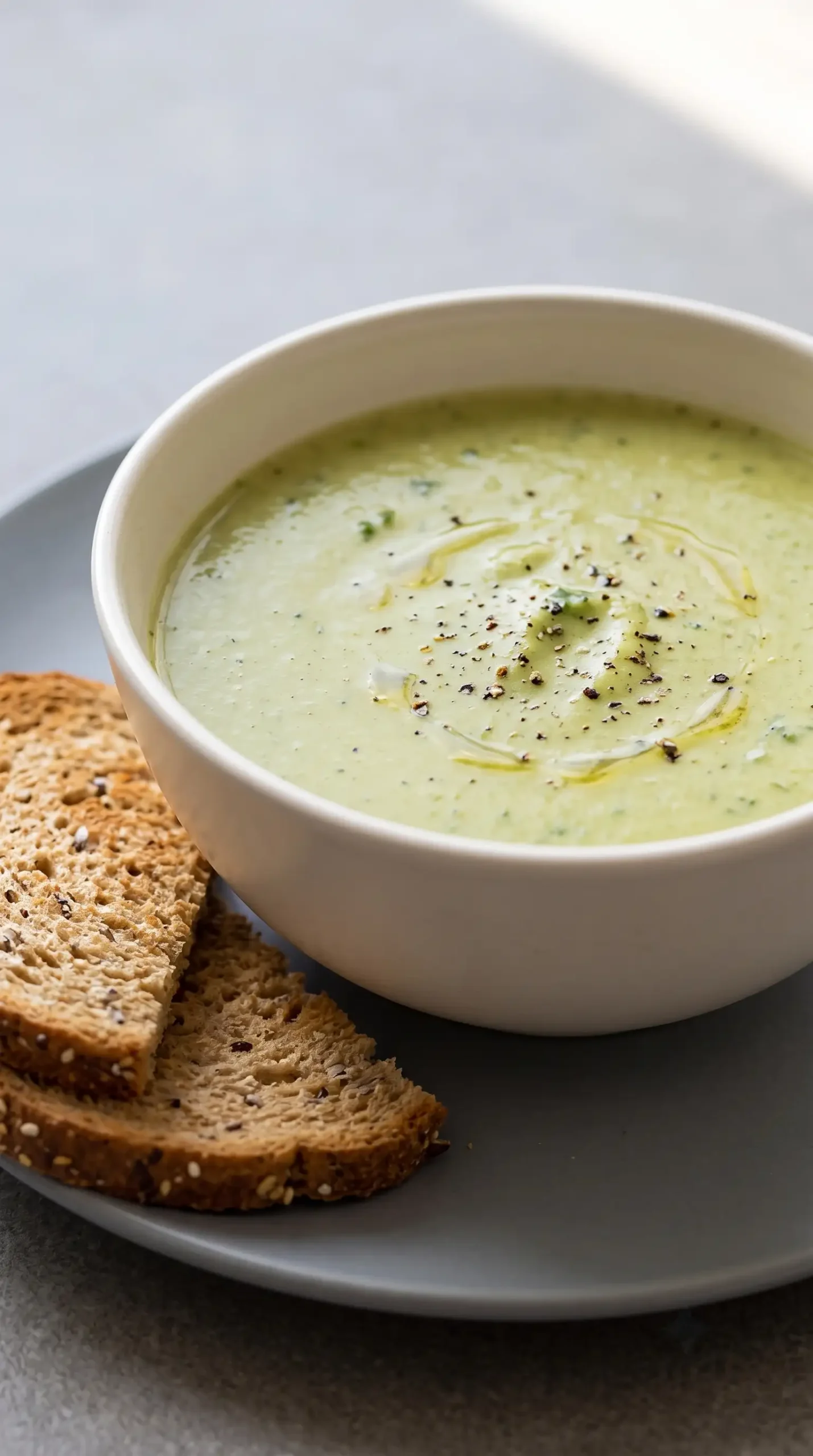
Serving choices can highlight different qualities in potato kale soup. Toasted bread, paninis, crackers, cheese, and hummus each provide a different contrast to the smooth texture of the soup.
| Serving option | Texture contrast | Best use |
|---|---|---|
| Toasted wheat bread | Crisp exterior with a soft center | Dipping alongside the soup |
| Crackers | Light crunch | Adding small bites between spoonfuls |
| Cheese | Creamy and firm elements together | Extra richness at serving time |
Warm accompaniments work especially well because the soup itself is built around a smooth blended texture. Adding a separate crisp or firm element keeps the meal from feeling one-dimensional.
Fresh additions can also change the experience without altering the base preparation. Extra herbs or additional greens can be used when a stronger vegetable profile is desired.
Storing and reheating keep the soup usable
Storage decisions affect how potato kale soup behaves after cooking. The blended texture may become thicker as it rests, so reheating with a small amount of broth can help restore the preferred consistency.
Customizing the vegetable balance without losing texture
Customizing potato kale soup works best when changes respect the relationship between potatoes, kale, and liquid. Adjusting one element at a time makes it easier to understand how the texture changes.
Additional herbs can bring a different flavor direction, while extra kale increases the green color and vegetable presence. Increasing potatoes creates more body, so broth adjustments may be useful afterward.
Vegetable balance remains flexible because the soup is designed around blended ingredients. Small changes can produce a thicker, greener, or lighter result while keeping the same core technique.
The ingredient decision that improves potato kale soup most
Ingredient selection matters most when choosing how much kale and potato should define the soup. The relationship between these two vegetables controls the color, thickness, and overall balance more than any single finishing adjustment.
Potato kale soup fits flexible meal planning
Potato kale soup adapts easily to different serving situations because the smooth base can be paired with simple sides or adjusted with extra vegetables. The same blended foundation can support a lighter bowl or a thicker, more substantial serving.
Herbs and seasonings guide future variations of potato kale soup
Herbs and seasonings provide room for variation without changing the basic structure of potato kale soup. Adding different herbs after the main texture is established lets cooks adjust flavor while keeping the creamy vegetable base intact.
Golden potatoes and kale create a balanced potato kale soup
Golden potatoes and softened kale create a balanced potato kale soup when their textures are managed before blending. The most important cooking judgment is protecting the vegetables’ flavor while creating the smooth consistency that defines the finished bowl.
Balanced sautéing, controlled liquid additions, and careful seasoning after blending allow the soup to remain adaptable. Those decisions determine whether the puree tastes concentrated and vegetable-forward instead of simply thick.
Blending questions about potato kale soup texture
Can potato kale soup be made thicker?
Additional potatoes can increase thickness because their starch contributes body after blending. Reducing the amount of added broth also creates a denser texture, while extra liquid can be stirred in later if needed.
Why is my blended potato kale soup too thin?
A thin result usually means the balance between pureed vegetables and liquid has shifted. Simmering gently after blending or adding more cooked potatoes can help increase body without changing the flavor direction.
How much kale should be used for a greener soup?
More chopped kale creates a brighter green color and a stronger leafy flavor. The amount can be adjusted based on whether the desired result is a potato-forward soup or one where the greens are more noticeable.
Can milk be replaced in potato kale soup?
Milk provides creaminess after blending, but the soup can also be adjusted with additional broth when a lighter finish is preferred. Keeping the vegetable puree smooth remains the main factor in maintaining texture.
What sides work with potato kale soup?
Toasted bread, paninis, crackers, cheese, and hummus all pair with the soup because they add textures that contrast with the blended base. The best pairing depends on whether a crisp, soft, or richer accompaniment is preferred.
Creamy Potato Kale Soup with Milk and Vegetable Broth
Ingredients
Method
- Melt the butter in a large pot over medium-high heat. Add the onion and potatoes, then sauté for 5-8 minutes until lightly golden, seasoning with salt and pepper.
- Pour in 6 cups of the broth and add the kale. Simmer for 5-10 minutes until the kale has softened and turned a deeper green.
- Carefully transfer the soup to a heavy-duty blender and blend for 2-3 minutes until completely smooth.
- Return the blended soup to the pan. Stir in the milk and add the remaining 2 cups broth as needed to reach the preferred thickness.
- Adjust the seasoning with salt and pepper before serving.
- Serve the soup with paninis, toasted wheat bread, or crackers, cheese, and hummus.