
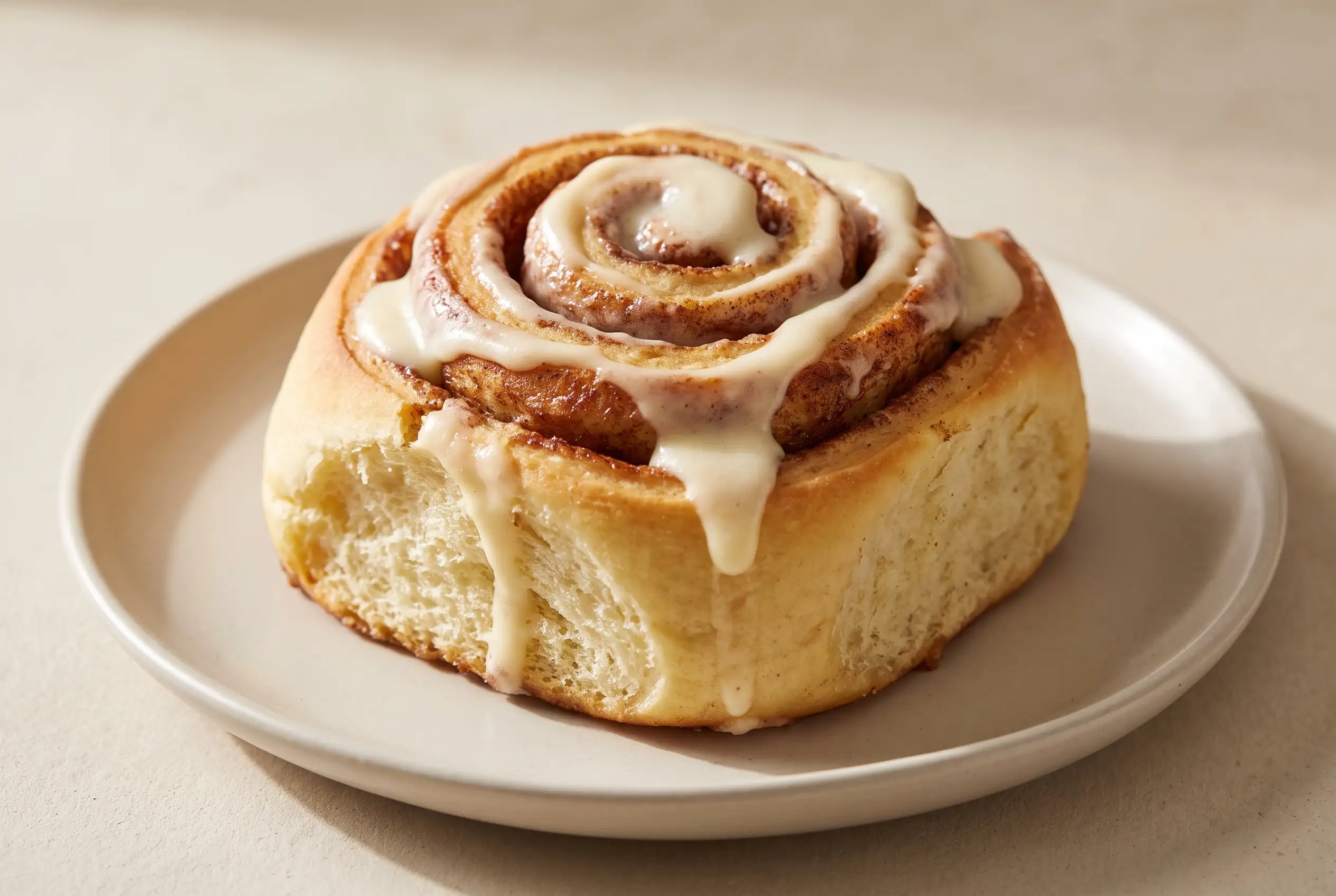
Cinnamon Rolls Begin With a Soft Yeasted Foundation
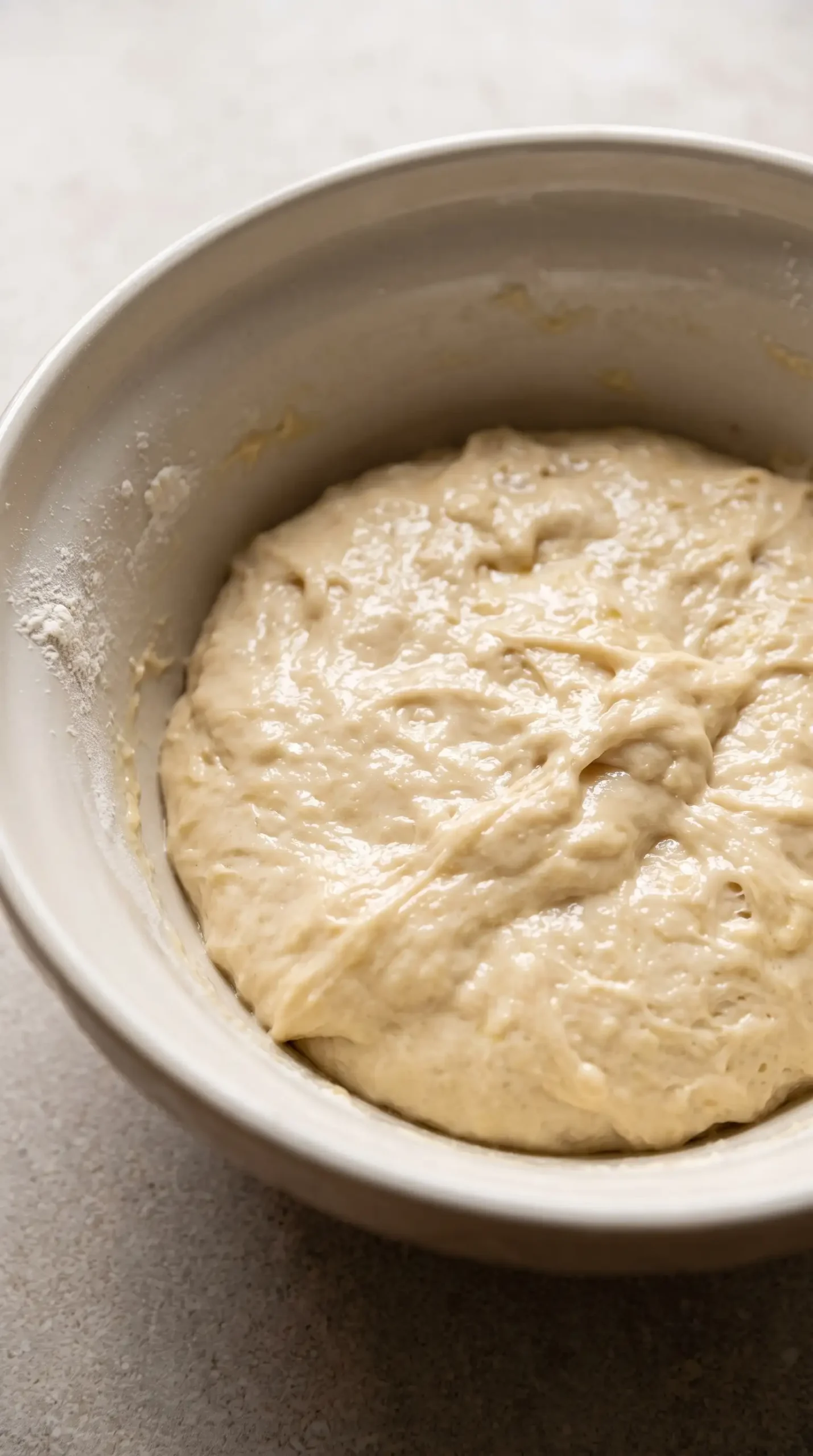
Cinnamon rolls are built around a rich, sticky dough that transforms into soft spirals with a sweet cinnamon center and a smooth cream cheese finish. The character of these homemade cinnamon rolls comes from careful handling, because the dough starts loose and develops structure through resting and chilling before it is shaped. Enriched sweet yeast pastries such as Christmas Tea Ring with Raspberry Cream Cheese Filling depend on careful dough preparation and shaping to maintain a tender baked texture.
The Dough Choices Shape Homemade Cinnamon Rolls Texture
The balance of flour, melted butter, eggs, honey, and yeast creates a dough that feels different from firmer bread doughs. The mixture is intentionally soft after combining, and that texture allows the baked rolls to stay tender once they leave the oven.
Using lukewarm water protects the yeast while giving it an environment where it can begin working. Water that is too hot can interfere with yeast activity, while cooler conditions may slow the rise and require more patience.
The dough also benefits from restraint during handling. Adding large amounts of extra flour can change the texture and make the finished rolls heavier. Light flouring and gentle movements help maintain the rich consistency created by the original mixture.
Chilled Dough Makes Cinnamon Rolls Easier to Shape
The long chill after the first rise is a key handling step because the cooled dough becomes less sticky and easier to roll into a rectangle. Working with chilled dough also helps preserve the layers that become the recognizable spiral shape.
Rolling Decisions Keep the Cinnamon Rolls Even and Tender
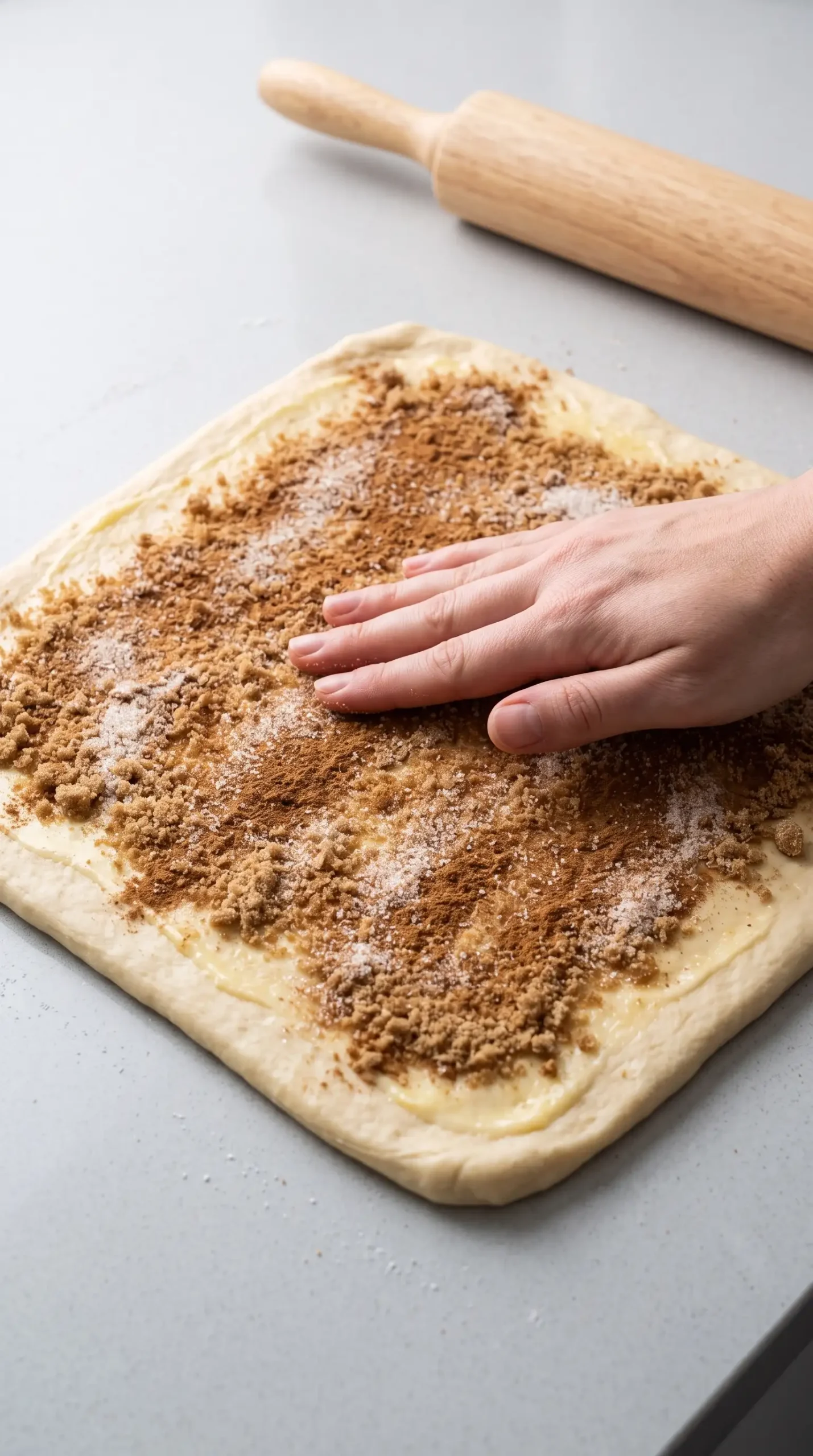
Shaping determines how the filling distributes throughout each piece. A rectangle with consistent thickness gives the butter, sugars, and cinnamon a balanced surface to cover, helping every roll develop a similar interior.
The short-side rolling direction creates a compact log that can be divided into individual portions. Gentle pressure is useful while forming the log, but excessive squeezing can push the filling outward and make shaping more difficult.
A sharp knife or unflavored floss helps create cleaner cuts through the soft dough. Smooth slices protect the layers, allowing the cinnamon rolls to expand with visible swirls instead of compressed edges.
Cream Cheese Frosting Defines the Signature Finish
The cream cheese topping gives these cream cheese cinnamon rolls their recognizable contrast between warm pastry and cool, creamy sweetness. Softened cream cheese and butter blend into a smooth base that can hold the powdered sugar, vanilla, and milk together.
Adding milk gradually keeps the frosting texture adjustable. A small amount creates a thicker coating, while additional milk produces a more fluid glaze that can move into the crevices of each roll.
Applying frosting while the rolls are still slightly warm allows the topping to soften across the surface. Adding another layer after they cool creates a thicker finish without losing the creamy texture.
The Cinnamon Filling Needs Balanced Coverage
The filling works because melted butter gives the sugar and cinnamon something to cling to across the dough surface. Pressing the mixture gently into place helps prevent bare spots and keeps the flavor consistent from the center to the outer layers.
Baking Control Prevents Dry Baked Cinnamon Rolls
Baked cinnamon rolls depend on careful oven timing because the dough needs enough heat to set while maintaining a soft interior. Checking the internal temperature of 190–200°F can help confirm the center is finished, since surface browning alone does not always show when enriched dough is fully baked. The rolls should expand in the pan before baking, creating a closer arrangement that supports their tender texture.
The covered rest before baking allows the shaped dough to relax after rolling and cutting. A gentle environment helps the rolls continue developing without exposing them to unnecessary heat before they enter the oven.
Watching the finished surface and texture matters more than chasing extra browning. A soft center pairs with the frosting best when the rolls are baked until set while still retaining their pillowy quality.
Common Cinnamon Rolls Mistakes That Make Dough Difficult
Several issues can change the way these cinnamon rolls handle, and most begin before baking. Understanding the signs of a problem makes it easier to correct the process while the dough is still workable.
- Warmth problems: Dough that rises slowly may need more time in a warmer area if the yeast is active.
- Excess flour: Adding too much flour during shaping can make the dough harder and less tender.
- Early shaping: Rolling immediately after the first rise makes the sticky dough harder to manage.
Another common mistake is rushing the chilled stage. The refrigerator time is not only about scheduling; it changes the dough consistency and makes the shaping process much more controlled.
Make-Ahead Timing Fits Busy Mornings
The dough offers flexibility because it can be prepared ahead and kept chilled until you are ready to continue. Planning the resting periods around your schedule makes it possible to prepare the rolls without handling every stage at once.
Storing the Dough Protects Its Quality
The unshaped dough keeps its usefulness when covered and refrigerated, giving you a practical window for finishing the rolls later. Keeping it protected prevents the surface from drying while it waits for shaping.
Warm Cinnamon Rolls Create the Best Frosted Serving
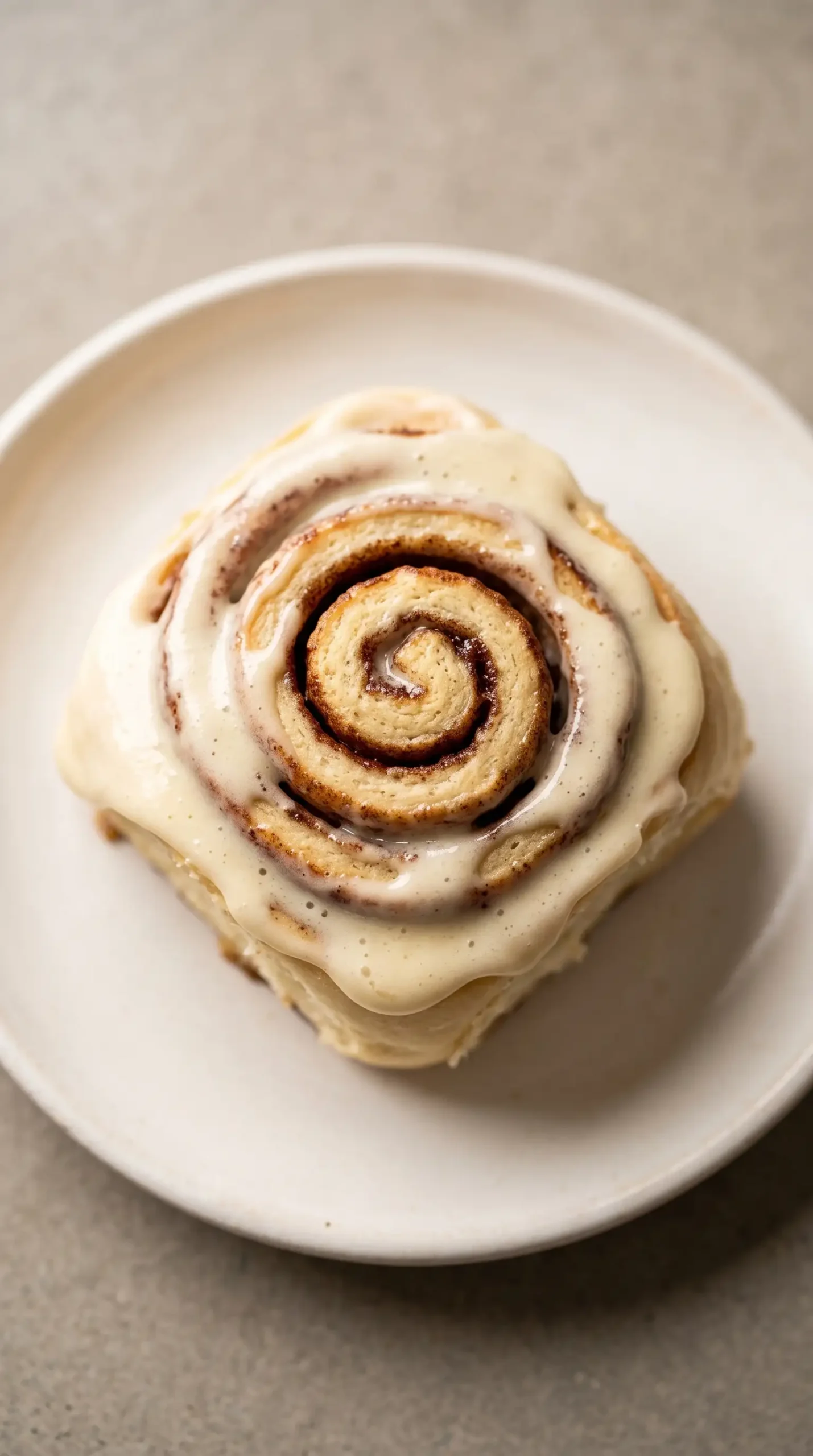
Freshly baked cinnamon rolls provide the ideal moment for the frosting to soften into the layers while the center remains warm and tender. Serving them after a short cooling period helps the topping settle while keeping the pastry inviting.
Resting Choices Change the Finished Cinnamon Rolls
Different preparation choices influence when the rolls are ready and how easily they can be handled. The table below highlights the purpose of each stage so cooks can plan their approach.
| Stage | Main Purpose | Handling Benefit |
|---|---|---|
| First rise | Allows yeast activity | Creates a lighter dough structure |
| Chilled rest | Cools and firms the dough | Makes rolling and cutting easier |
| Shaped rest | Lets formed rolls relax | Supports a softer baked texture |
Choosing when to shape and bake depends on the preparation window available. The dough responds best when each stage receives enough time to develop the texture expected from a rich breakfast pastry.
Cinnamon Rolls Reward Gentle Handling From Dough to Frosting
Cinnamon rolls reach their best texture when the sticky dough is treated with care, the filling stays evenly distributed, and the frosting is added at the right moment. Each decision affects how the finished spirals hold together.
The combination of chilled dough, a balanced cinnamon layer, and creamy frosting creates a pastry that depends on technique as much as ingredients. Small adjustments in handling can preserve the softness that makes these rolls memorable.
Cinnamon Rolls Questions About Rising and Sticky Dough
Why is the dough sticky before chilling?
The dough is designed to be loose and soft before refrigeration. Chilling changes its texture and makes it easier to roll, so adding large amounts of flour immediately can work against the intended result.
Can the dough rest in the refrigerator longer before shaping?
The dough can remain refrigerated for several days when covered properly. Keeping the dough chilled gives flexibility while preserving the ability to shape it later.
What should happen if the dough is not rising?
If the dough has a sweet yeasty aroma but seems slow, it may need more warmth and time. Moving it closer to a warm area and covering it to retain moisture can encourage further activity.
How should the frosting texture be adjusted?
Milk can be added gradually to change the consistency. Less milk creates a thicker frosting that sits on top, while more milk helps create a smoother coating that spreads easily.
Why are the rolls easier to cut when chilled?
Cold dough holds its shape better during slicing, which helps preserve the spiral layers and reduces sticking during the cutting process.
Cinnamon Rolls with Cream Cheese Frosting Homemade Recipe
Ingredients
Method
- Combine the water and yeast in a bowl. Melt the butter, then whisk in the honey, egg, and salt before adding this mixture to the bowl. Add the flour and stir with a wooden spoon until combined. The dough should remain loose, sticky, and soft.
- Cover the bowl loosely with plastic wrap or a damp towel and leave the dough at room temperature for 1-2 hours, until it has puffed and roughly doubled in size.
- Gently pull the dough away from the sides of the bowl to release some air. Cover the bowl and refrigerate the dough for at least 3 hours so it chills and becomes easier to handle. The dough can remain refrigerated for up to 5 days.
- Remove the chilled dough and lightly coat the outside with flour. Roll it into an approximately 9x13 rectangle, handling the dough gently and avoiding excess flour.
- Brush the dough rectangle with melted butter, then cover evenly with the sugars and cinnamon, pressing the filling lightly into the surface.
- Roll the dough from the short side into a log. Trim uneven ends with floss or a sharp knife, then cut the log into 8 equal rolls.
- Place the rolls in a 9-10 inch round baking dish or pie plate.
- Preheat the oven to 200°F (93°C), then turn it off. Cover the pan loosely with plastic wrap or a damp towel and place the rolls in the turned-off oven for 45 minutes, until they have expanded and fit more closely together.
- Remove the rolls and preheat the oven to 350°F (177°C). Bake the rolls for 20-22 minutes.
- Beat the cream cheese and butter with an electric mixer until smooth and creamy.
- Add the powdered sugar, vanilla, and milk gradually until a smooth glaze forms, then continue mixing until the frosting becomes light and fluffy.
- Allow the baked rolls to cool briefly, then brush or spoon the frosting over them so it covers the surface and fills the crevices. Add another layer of frosting after they cool slightly if desired.