
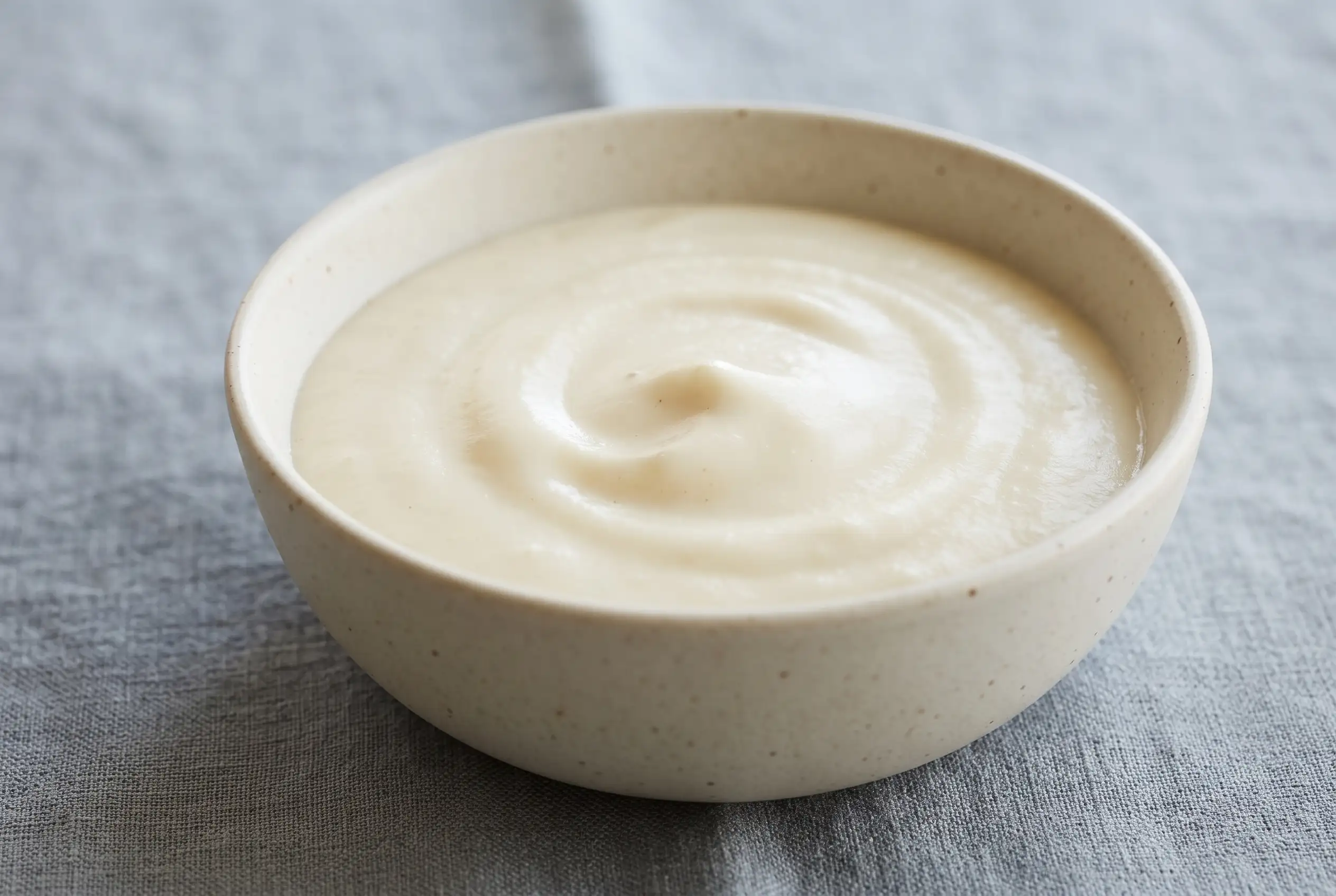
Creamy cauliflower sauce transforms humble cauliflower florets into a smooth, savory blend with garlic, butter, and milk. The creamy cauliflower sauce works as a versatile vegetable-based topping because careful cooking and blending create a texture that feels rich while keeping the flavor centered on simple ingredients. The technique depends on soft cauliflower, balanced liquid, and gentle garlic preparation.
Why creamy cauliflower sauce creates a silky vegetable finish
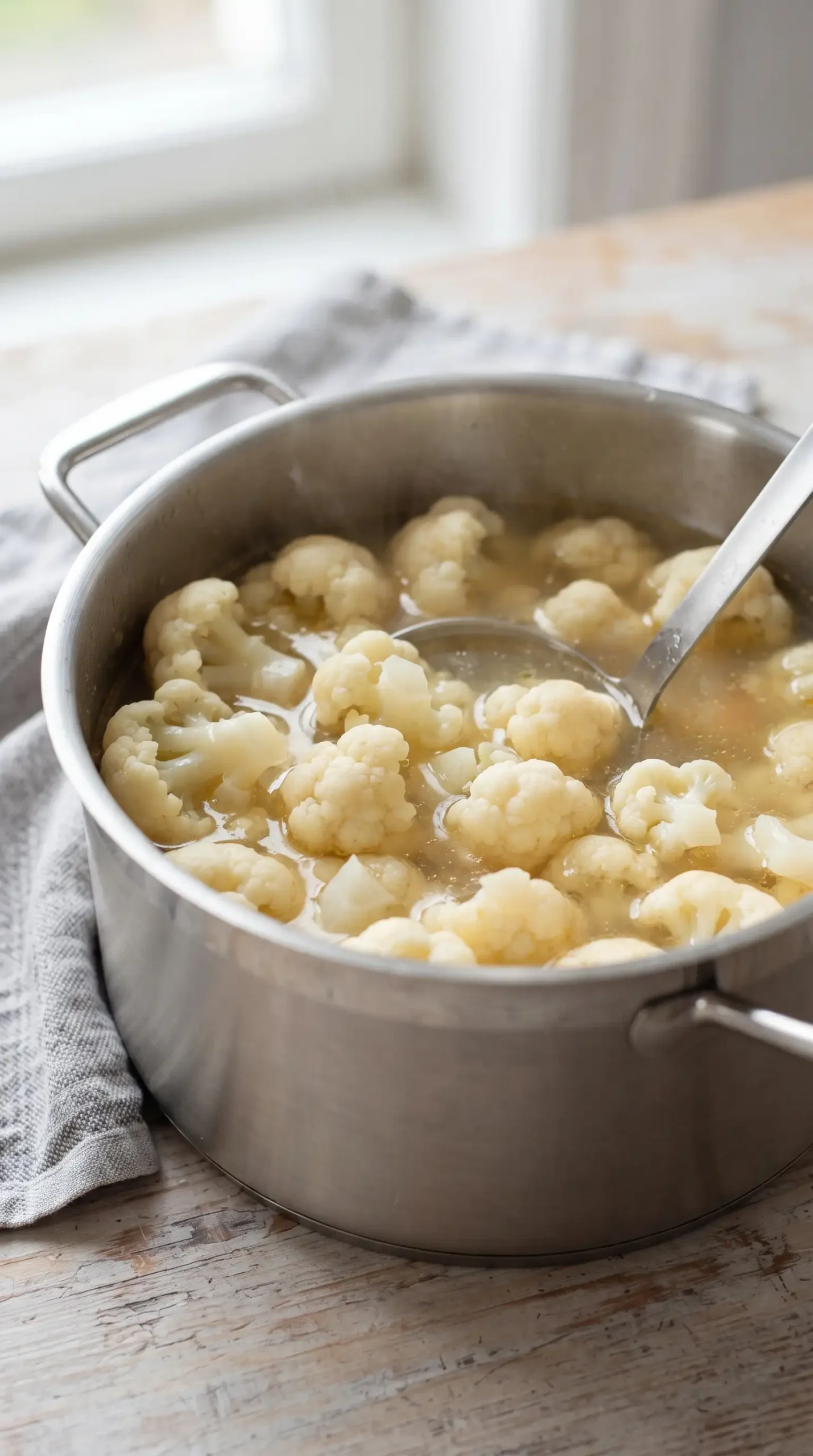
Silky texture begins with cauliflower that has been cooked until tender enough to blend completely. The softened florets absorb the surrounding cooking liquid, allowing the blender to create a cohesive sauce instead of a grainy puree. Keeping some cooking liquid available gives the sauce flexibility during blending.
Garlic and butter provide the savory foundation that makes a cauliflower sauce feel satisfying. Slow sautéing helps the minced garlic become fragrant without developing harsh flavors from browning. The finished garlic cauliflower sauce gains depth from this small but important flavor step.
Balanced seasoning also determines how the sauce performs alongside other foods. Salt and pepper highlight the natural character of cauliflower, while milk adds a smoother consistency. A small amount of olive oil can also help maintain a soft texture and bring an additional layer of flavor.
Garlic butter shapes the sauce flavor
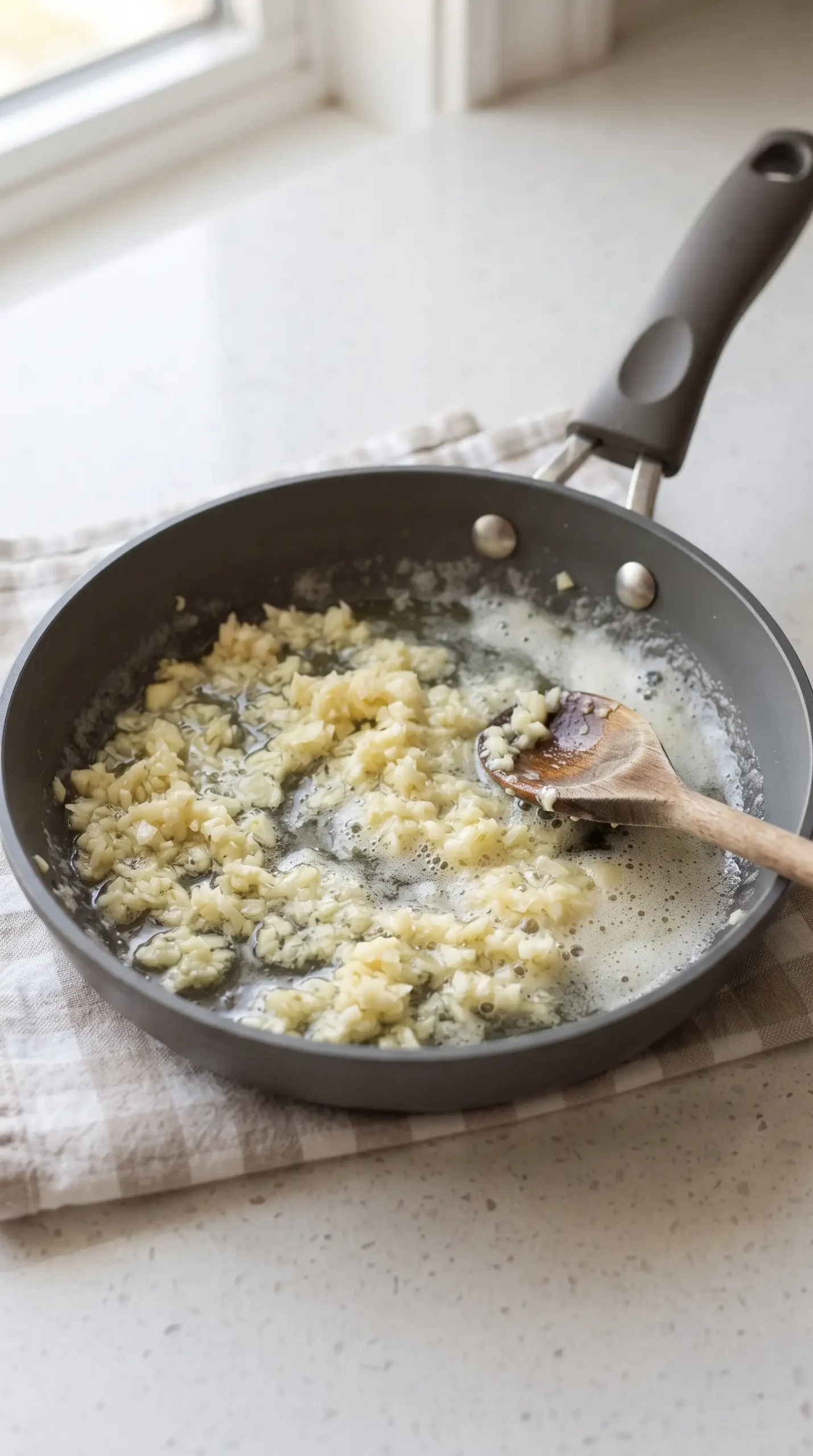
Gentle garlic preparation is the ingredient decision most likely to improve the finished sauce. Cooking minced garlic slowly in butter until soft and aromatic keeps the flavor mellow, while avoiding browned garlic prevents bitterness from becoming noticeable in the creamy cauliflower sauce.
Cauliflower texture determines the creamy vegetable sauce result
When cauliflower reaches a fork-tender stage, its structure changes enough for blending to create a smooth base. Undercooked pieces can leave small bits behind, while properly softened florets create the foundation needed for a creamy vegetable sauce.
Cooking liquid plays a practical role because the cauliflower is not drained before blending. A portion of the broth or water carries flavor and helps adjust thickness. Adding liquid gradually gives more control than adding too much at once.
Experienced cooks often look for a sauce that moves easily from a spoon but still clings to food. The right consistency depends on how the sauce will be served, so the amount of milk or reserved liquid can be adjusted during blending.
| Texture concern | Likely cause | Helpful adjustment |
|---|---|---|
| Thick and difficult to spread | Not enough added liquid | Blend in small amounts of broth, milk, or water |
| Thin sauce | Too much liquid added | Blend additional cooked cauliflower if available |
| Uneven texture | Cauliflower pieces need more blending | Continue pureeing until smooth |
Cooking control keeps cauliflower sauce smooth
Proper cooking control centers on temperature, timing, and observation. The garlic should become soft and fragrant over low heat, while the cauliflower should cook gently until it is easy to pierce. These details protect the flavor and texture of the sauce.
Blending technique matters because the cauliflower mixture needs enough time to become completely smooth. Working in batches may be necessary depending on blender size, and adding liquid slowly helps prevent an overly loose result.
Hot ingredients require attention during blending because steam can build inside a covered blender container. Following the appliance instructions and blending carefully allows the sauce to reach the desired consistency without unnecessary mess.
Choosing the right liquid balance for blending
Liquid choices shape whether creamy cauliflower sauce becomes a thick coating or a lighter pourable sauce. Vegetable broth adds extra savory character, while water provides a more neutral base that allows garlic and cauliflower flavors to stand out.
Mistakes that ruin creamy cauliflower sauce
Common mistakes with creamy cauliflower sauce usually involve flavor development or texture control. The biggest risks come from over-browning garlic, skipping enough cooking time for cauliflower, or adding too much liquid before the desired consistency is reached.
Burnt garlic creates an unpleasant sharp taste because the delicate flavor changes quickly when exposed to excessive heat. Keeping the skillet temperature low and removing the garlic once fragrant preserves the smooth flavor profile intended for the sauce.
Excessive thinning can also make the sauce lose its creamy character. Adding broth or milk in small amounts during blending gives better control, and a sauce that becomes too dry can be corrected with a few drops of liquid or olive oil.
- Garlic care: Keep the heat low so the garlic softens without browning.
- Cauliflower softness: Cook florets until they blend easily into a smooth mixture.
- Liquid additions: Add extra broth or milk gradually to protect texture.
Serving ideas for garlic cauliflower sauce
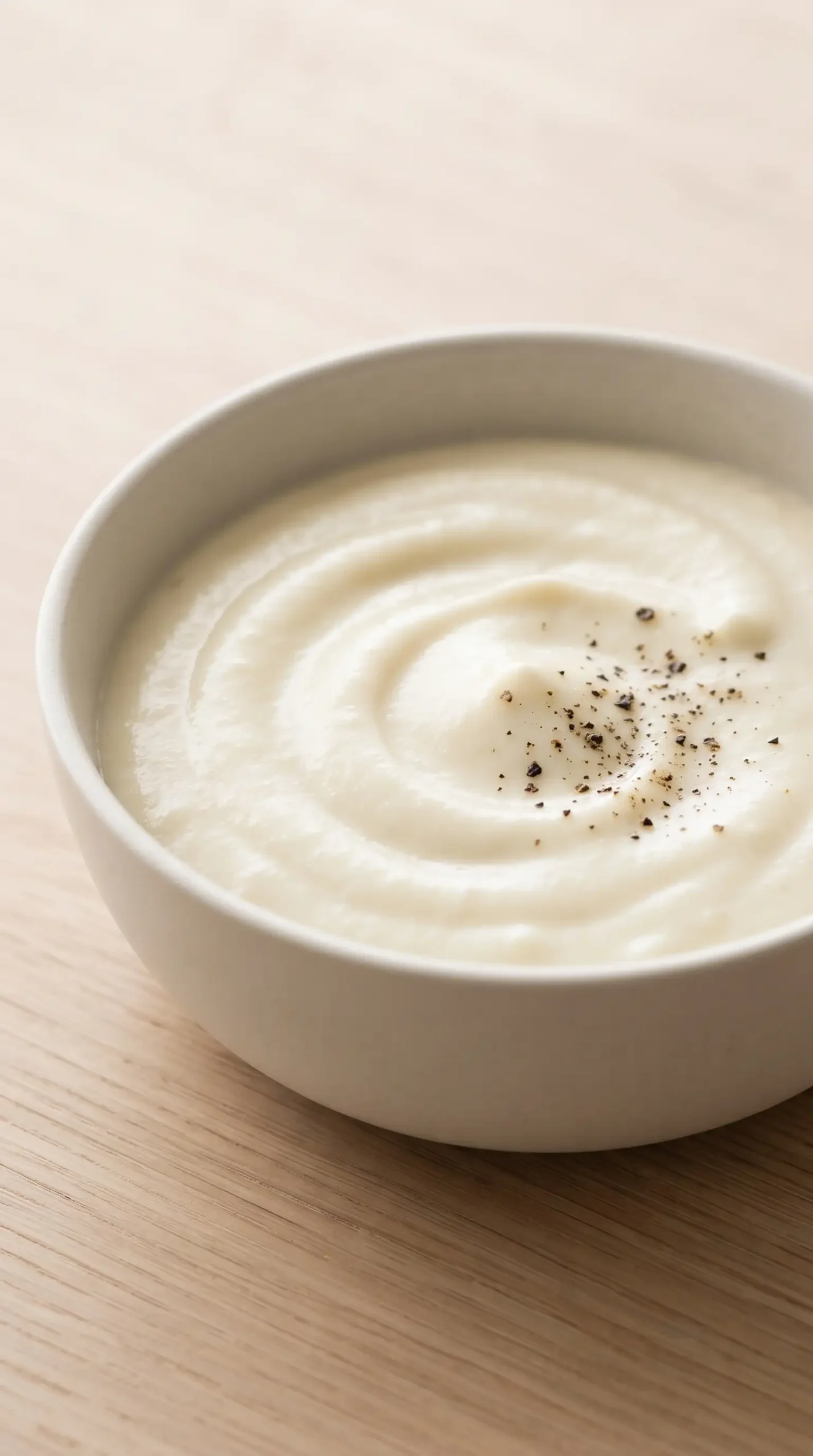
Serving bowls filled with creamy cauliflower sauce can pair with many meals where a smooth vegetable-based topping is useful. The sauce works especially well when a dish benefits from a gentle garlic flavor and a soft, spoonable finish.
Adjusting the sauce texture after blending
After blending, texture adjustments should focus on small changes instead of large additions. A few extra drops of water, milk, broth, or olive oil can bring back smoothness if the sauce begins to look dry.
Thicker versions of cauliflower sauce can create a hearty coating, while thinner versions work better when a drizzle is preferred. The best consistency depends on the food being paired with the sauce and personal preference.
Additional ingredients can be incorporated after the base reaches the right texture. Parmesan cheese is one optional addition mentioned by readers because it can contribute extra savory flavor and a richer finish.
Storage choices protect cauliflower sauce quality
Chilled storage helps preserve the prepared sauce for later use. Keeping it covered and gently warming it before serving can help maintain its smooth texture, while small amounts of liquid may be needed if it thickens during storage.
Simple additions that complement cauliflower sauce
Flavor additions should support the existing garlic and cauliflower combination instead of overwhelming it. A little olive oil can enhance the smooth feel, and Parmesan cheese can add a savory note for cooks who enjoy a cheesier finish.
Creative uses for a cauliflower sauce recipe come from treating the sauce as a flexible base. It can accompany vegetables, pasta-style dishes, or other meals that benefit from a creamy consistency, including creamy garlic pasta preparations where a smooth sauce texture is the focus.
Seasoning adjustments are easy because the base flavor remains mild. Extra salt, pepper, or a preferred finishing ingredient can be added after blending so the final balance matches the serving idea.
Blender decisions improve sauce consistency
Blender size affects the blending process because smaller containers may require multiple batches. Dividing the cauliflower mixture prevents overfilling and allows each portion to receive enough blending time for a smooth result.
Why creamy cauliflower sauce belongs in everyday meals
Modern kitchens often rely on adaptable sauces that can change the character of simple meals. Creamy cauliflower sauce offers that flexibility through a short ingredient list and a technique built around careful cooking and blending.
Beyond its smooth texture, the sauce demonstrates how vegetables can become a flavorful centerpiece. Cauliflower provides the structure, while garlic, butter, milk, and seasoning create a balanced finish that feels comforting.
Many cooks appreciate sauces that can be adjusted during preparation. The ability to control thickness with cooking liquid or milk makes this cauliflower-based option practical for different serving preferences.
| Adjustment choice | Texture effect | Flavor direction |
|---|---|---|
| Extra milk | Softer and lighter | Mild creamy finish |
| Extra broth | More pourable | More savory vegetable character |
| Olive oil addition | Smoother mouthfeel | Richer flavor |
Cauliflower sauce becomes silky through careful balance
Cauliflower softness, gentle garlic cooking, and thoughtful liquid adjustments determine the success of the finished sauce. When these choices work together, the creamy cauliflower sauce develops a smooth texture and a balanced flavor that comes from simple ingredients handled with care.
The most important judgment comes during blending: add enough liquid to create a smooth consistency while preserving the satisfying body of the sauce. That balance allows the garlic cauliflower sauce to remain versatile and dependable.
Creamy Cauliflower Sauce Texture Questions and Answers
Can creamy cauliflower sauce be made smoother?
Extra blending time can help create a smoother texture, especially when the cauliflower has been cooked until fully tender. Adding small amounts of milk, broth, or olive oil during blending can also refine the consistency.
Why does my cauliflower sauce taste bitter?
Bitter flavor can come from garlic that has browned or burned during cooking. Keeping the garlic over low heat until it is fragrant and soft helps maintain a mellow flavor.
How can I make the sauce thicker?
A thicker sauce can be achieved by using less additional liquid during blending or by blending in more cooked cauliflower if available. Gradual adjustments help maintain control over the finished texture.
Can Parmesan be added to cauliflower sauce?
Parmesan can be stirred into the blended sauce as an optional addition. It provides a more savory finish and is a suitable variation for cooks who prefer extra richness.
What liquid works best for cauliflower sauce?
Vegetable broth and water both work well as cooking liquids. Broth creates a deeper savory flavor, while water keeps the cauliflower and garlic flavors more prominent.
Creamy Cauliflower Sauce with Garlic Butter and Milk
Ingredients
Method
- Cook the minced garlic and butter together in a large nonstick skillet over low heat for several minutes, stirring until the garlic becomes soft and fragrant without browning. Remove from heat and set aside.
- Bring the vegetable broth or water to a boil in a large pot. Add the cauliflower florets, cover, and cook for 7-10 minutes until the cauliflower is fork tender. Keep the cooking liquid in the pot.
- Transfer the cooked cauliflower to a blender using a slotted spoon. Add 1 cup of the cooking liquid, the garlic butter mixture, salt, pepper, and milk. Blend until very smooth, working in batches if needed.
- Adjust the consistency by blending in additional broth or milk as needed. Serve hot, adding a few drops of water, milk, or olive oil if the sauce begins to look dry.