
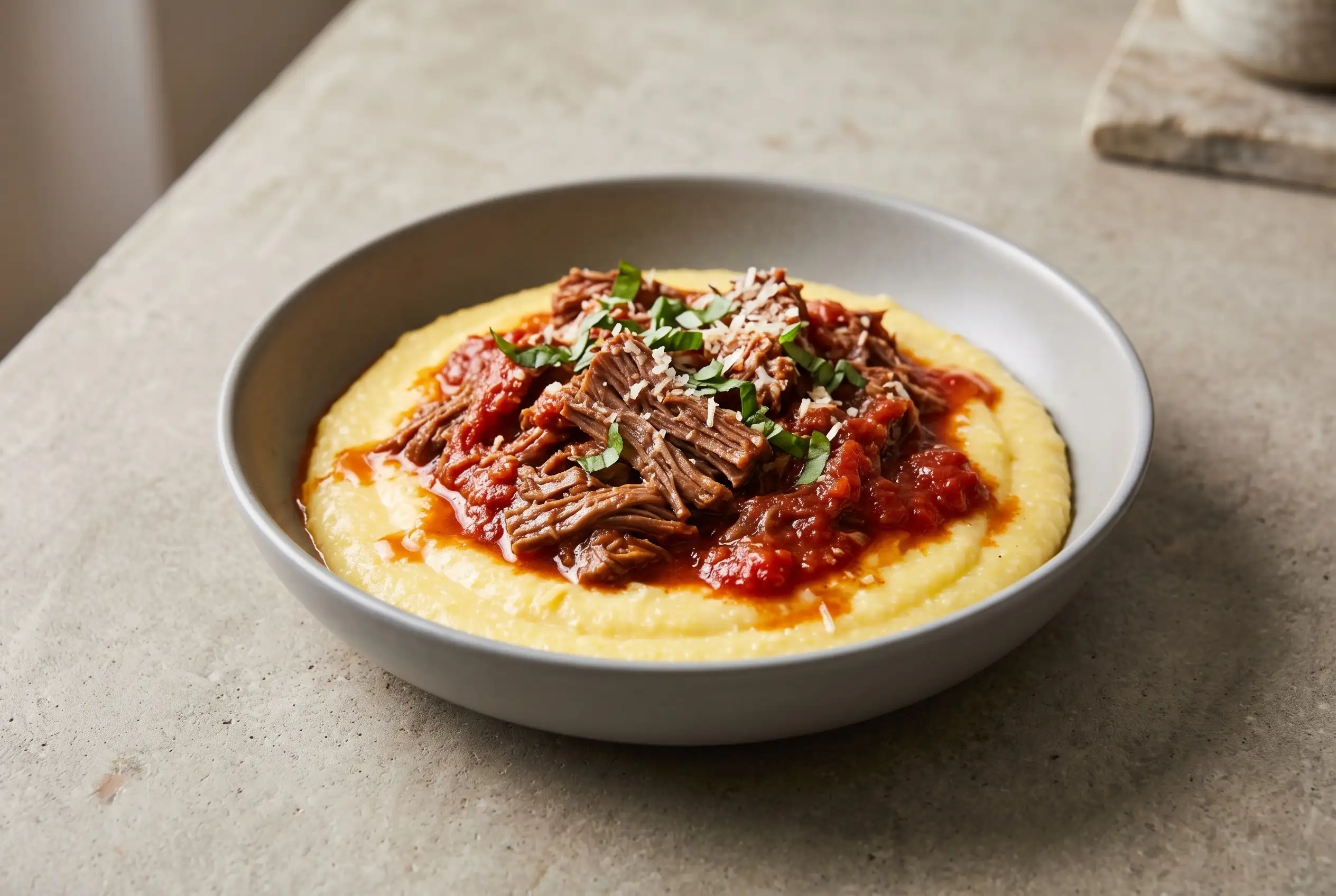
Beef ragu brings together tender shredded beef, rich tomato flavor, and creamy polenta in a slow-cooked meal built around patience and simple techniques. The long cooking process transforms a roast into a sauce with deep savory character, while the polenta creates a soft base that carries the hearty braised meat.
Crockpot beef ragu works because each part of the dish has a distinct role. The beef develops tenderness as it cooks with tomatoes, wine, herbs, and aromatics, while the finished sauce becomes a flexible topping for a scoop of buttery cornmeal polenta. The result is a comforting dinner that balances rustic flavors with careful preparation.
San Marzano Tomatoes Shape the Ragu Sauce
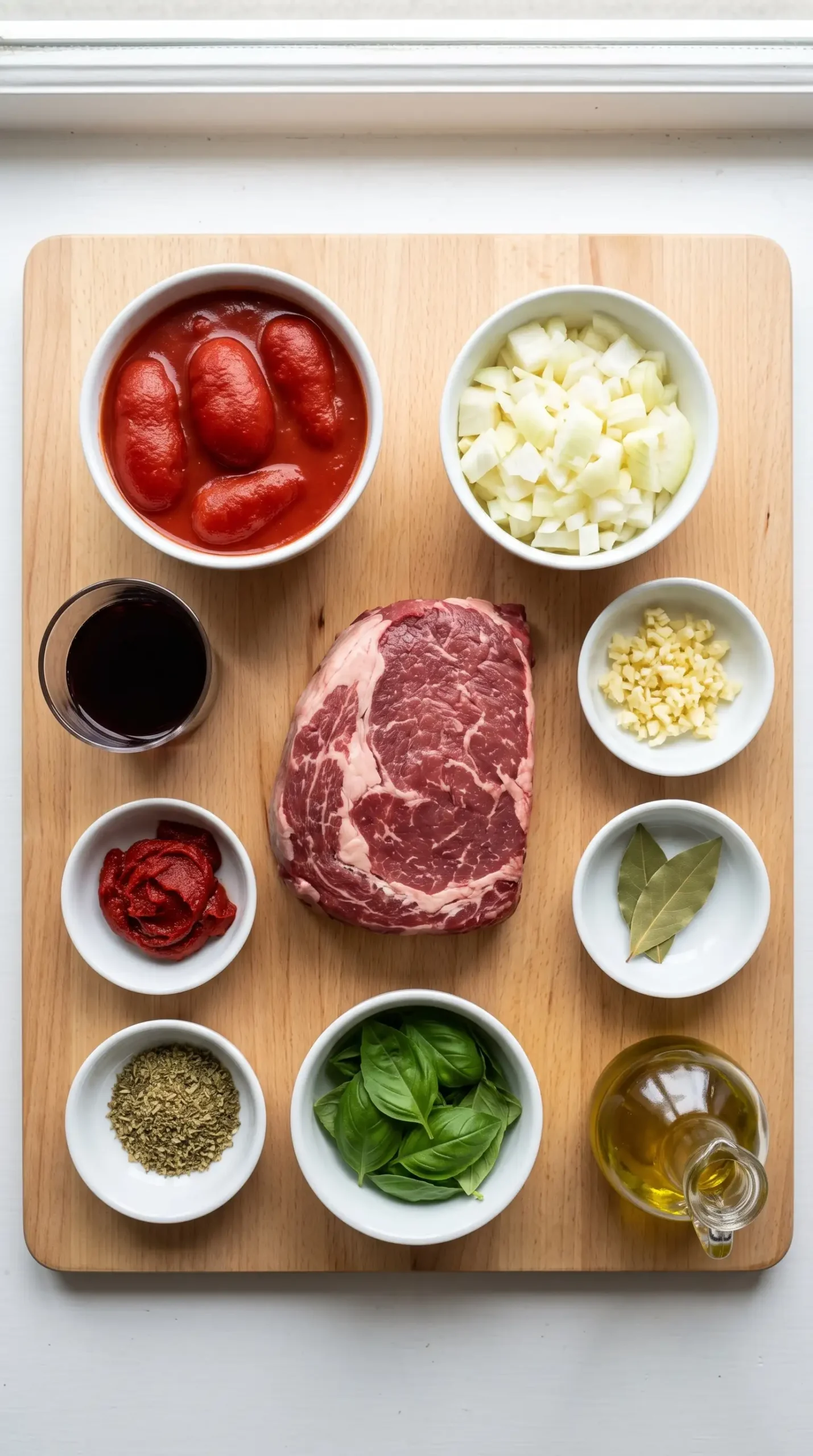
The tomatoes determine much of the personality of the sauce, especially because they provide the cooking liquid that surrounds the beef for hours. San Marzano whole tomatoes create a smooth, rich foundation that allows the shredded meat to remain the focus.
Tomato quantity can be adjusted depending on the texture you want from the finished braised beef ragu. A thicker, meat-forward sauce comes from using less tomato liquid, while a looser sauce creates more tomato coverage around each serving.
- Full tomato approach: Creates a more generous sauce that coats polenta thoroughly.
- Reduced tomato approach: Keeps the shredded beef more prominent with a concentrated texture.
- Mixed draining approach: Balances a thick sauce with enough liquid for slow cooking.
Browning Beef Sets Up Braised Ragu Flavor
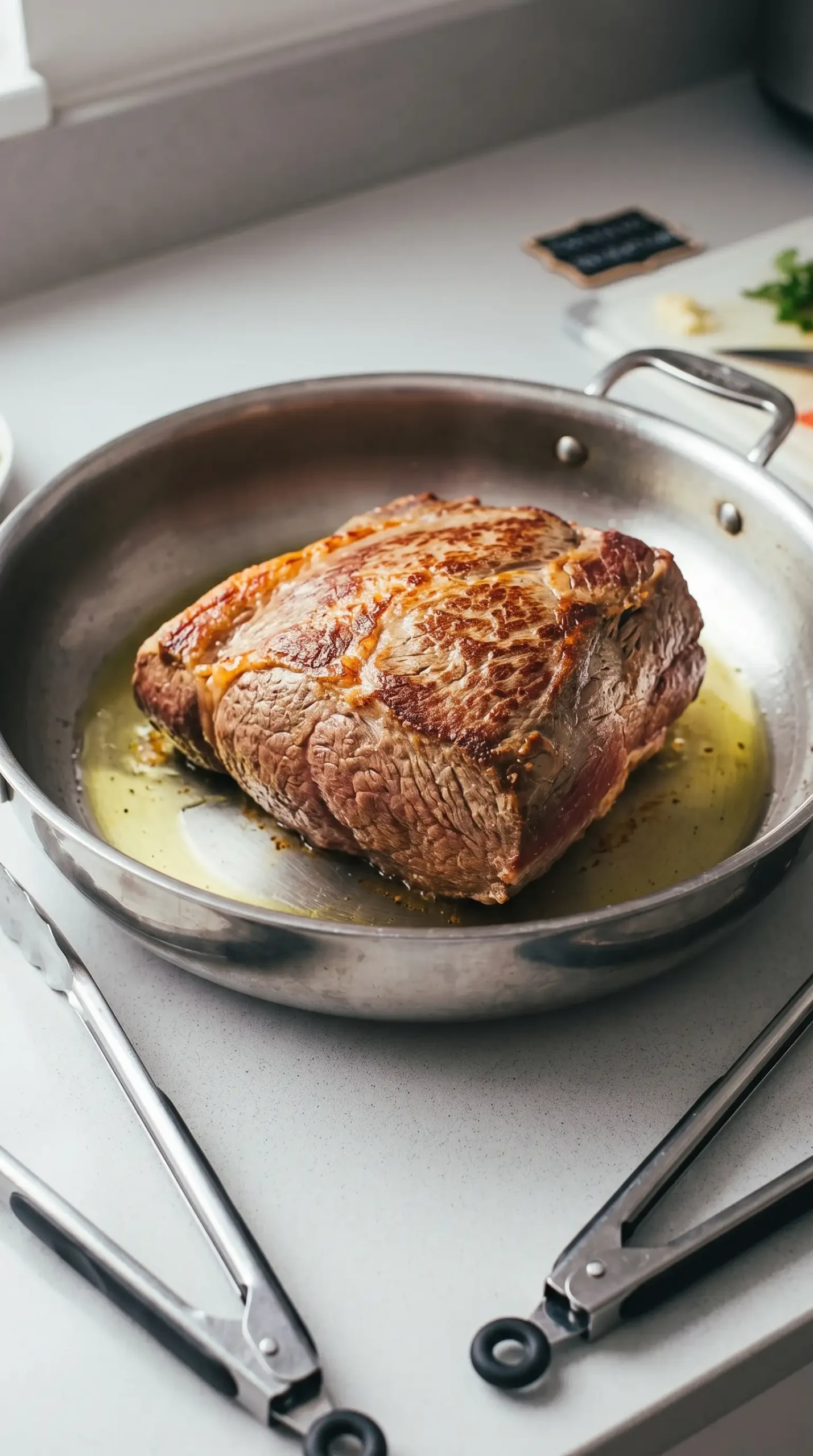
The optional browning step creates an important layer before the slow cooker does its work. Heating the roast in olive oil until the exterior develops color adds roasted notes that complement the long simmer with tomatoes and herbs.
Keeping the beef in one piece during browning helps create an even surface of flavor before the roast is surrounded by the sauce ingredients. A large pan with enough depth can make this step easier, especially when the meat releases moisture and oil during cooking.
After browning, the slow cooker becomes the environment where connective tissues soften and the roast becomes easy to pull apart. The change from firm roast to shreddable meat is the defining transformation that makes beef ragu different from a quick tomato sauce with ground meat.
Polenta Texture Depends on Serving Style
Polenta gives beef ragu with polenta its signature contrast. Serving it immediately creates a soft, creamy polenta base that lets the ragu settle into each portion, while cooling the cornmeal until firm produces slices with a more structured bite.
| Polenta style | Texture | Best pairing |
|---|---|---|
| Freshly served | Soft and creamy | Scoops of sauce-heavy ragu |
| Cooled and cut | Firm and chewy | Portionable plated servings |
| Butter-finished | Rich and smooth | Deep tomato and beef flavors |
Tomato Ratios Change the Crockpot Beef Ragu Balance
The relationship between beef and tomato sauce shapes every serving. Since the roast releases its own juices while cooking, the surrounding tomato mixture becomes more complex over time, absorbing flavors from garlic, onion, wine, and herbs.
A sauce with more tomato creates a dish that feels closer to a traditional pasta-style ragu consistency, even when served over polenta. A thicker version emphasizes the shredded beef and creates a more concentrated topping that sits on the cornmeal instead of spreading quickly.
Adjusting the tomato balance does not require changing the core cooking approach. The important decision is choosing whether you want the finished sauce to highlight the meat texture or provide a larger amount of tomato-rich coverage.
Slow Cooker Timing Protects Braised Beef Ragu Texture
Cooking control matters most after the ingredients enter the crockpot. The roast needs enough time in the tomato mixture for the meat fibers to relax and become tender enough to separate easily with forks.
Several signs help identify when the ragu has reached the right stage:
- Fork-tender meat: The beef should pull apart without resistance.
- Integrated sauce: The tomato mixture should cling to the shredded meat after stirring.
- Softened aromatics: Onion and garlic should blend into the surrounding sauce.
Once the beef is tender, shredding it and mixing it back into the sauce distributes the flavor throughout the dish. Leaving larger pieces can create uneven bites, while breaking the roast into smaller strands allows the tomato mixture to coat more surface area.
Common Crockpot Beef Ragu Mistakes to Avoid
Small choices can affect the texture and balance of slow-cooked ragu. These mistakes are easy to prevent when you know what changes the finished dish.
- Skipping the sear: The roast can still cook successfully, but browning adds a deeper roasted flavor before slow cooking begins.
- Opening the cooker often: Heat escapes and can interrupt the steady cooking environment needed for tender beef.
- Leaving the meat unshredded: Large chunks do not distribute the sauce as evenly as pulled beef.
- Rushing the polenta: Adding cornmeal too quickly can create lumps, while gradual whisking helps create a smoother texture.
Serving Choices Complete Beef Ragu with Polenta
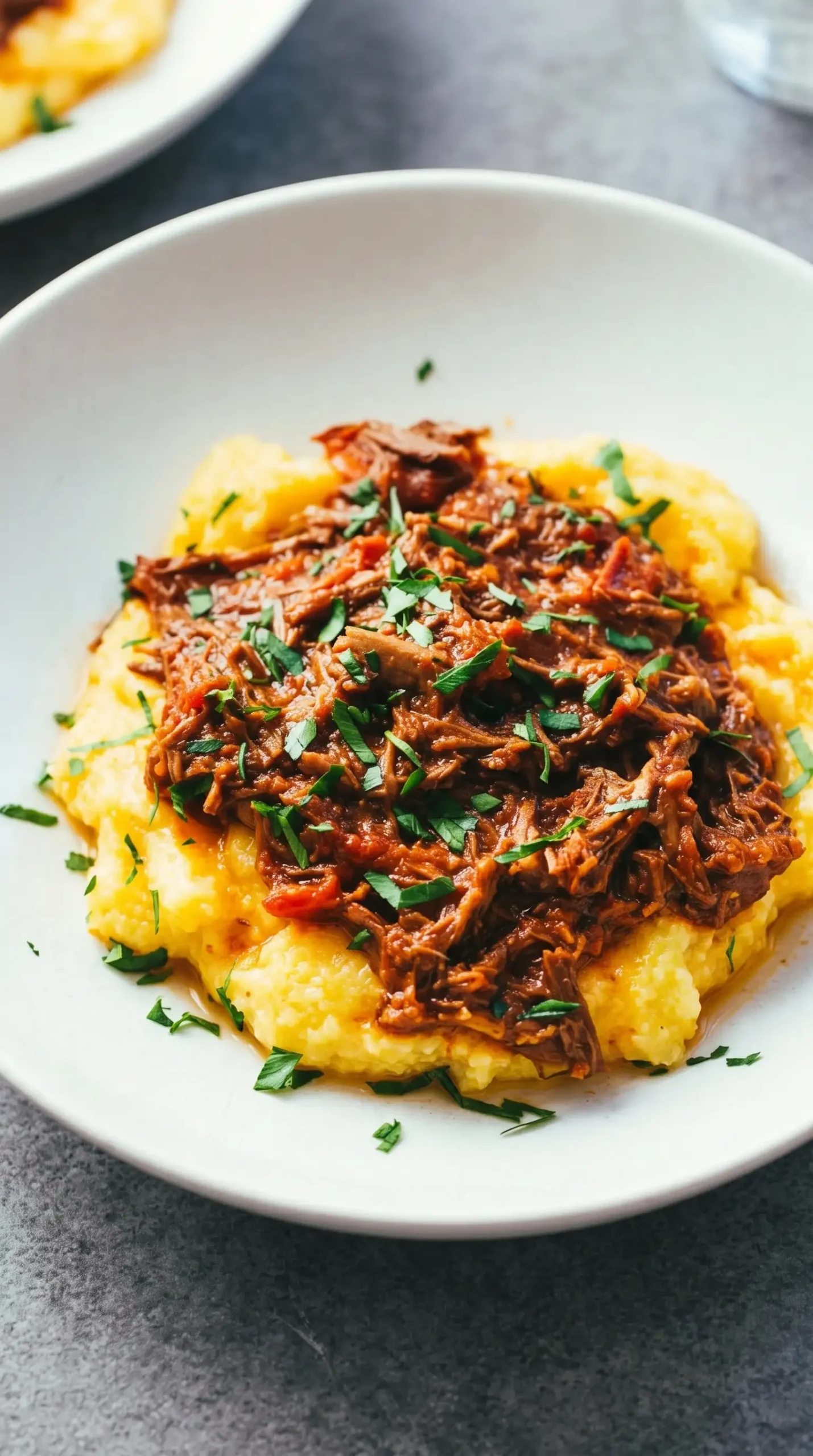
The mild flavor of polenta makes it a natural match for the bold tomato and beef sauce. Each serving can be shaped around how much sauce you want to highlight and whether you prefer a soft or firm cornmeal base.
Leftover Ragu Adapts to New Meals
Extra beef ragu can become the starting point for another meal because the shredded beef and tomato sauce are already fully combined. Reheating gently helps maintain the texture of the meat and keeps the sauce cohesive.
The polenta also offers flexibility after chilling. Firm pieces can be sliced and served with reheated ragu, creating a different texture from the original soft preparation.
Beef Cuts Influence the Finished Ragu
Rump roast and round roast both provide a substantial base for a long braise. These slow-cooking beef cuts work well because extended cooking helps break down connective tissue while developing tender, rich results. The most important characteristic is choosing a cut that can handle extended cooking while becoming tender enough to shred.
The roast size affects how the meat interacts with the sauce during cooking. A larger piece retains its structure while gradually releasing flavor, then becomes easier to separate once the slow cooking process has done its work.
Choosing the roast is also connected to the type of finished sauce you want. A shreddable beef texture creates the classic appearance of ragu, where the meat is part of the sauce instead of simply sitting beside it.
Beef Ragu With Polenta Finds Its Strength in Slow Transformation
The roast becomes the defining element of this beef ragu as long cooking changes its texture and allows the tomato sauce to absorb savory depth. The most important judgment is knowing when the beef has reached the point where it can be shredded and returned to the sauce.
Polenta completes the dish by providing a gentle foundation for the concentrated ragu. The contrast between tender beef, tomato-rich sauce, and buttery cornmeal comes from respecting the separate roles of each part while bringing them together at serving time.
Crockpot Beef Ragu Questions About Storage and Texture
Can beef ragu be made with a different roast cut?
Other roast cuts that are suitable for long cooking can work when they develop tenderness and shred easily. The key is selecting beef that changes texture during slow braising instead of remaining firm after cooking.
How can I make the polenta smoother?
Gradual addition of the cornmeal while whisking helps prevent lumps and creates a more even texture. Stirring in butter after the polenta thickens adds richness and a smoother finish.
Why did my ragu turn out too thin?
A thinner sauce can happen when there is more tomato liquid surrounding the beef. Adjusting the tomato balance in future batches or allowing the sauce to cook with the shredded meat longer can create a thicker consistency.
Can I freeze leftover beef ragu?
Beef ragu is well suited to freezing because the shredded meat and sauce are already combined. Cool the ragu completely before storing it in an airtight container, then reheat gently when ready to serve.
What makes braised beef ragu different from regular meat sauce?
Braised beef ragu centers on a larger cut of beef that slowly breaks down into strands, creating a texture and flavor profile that differs from sauces made with smaller pieces of meat.
Crockpot Beef Ragu with Creamy Polenta and Tomatoes
Ingredients
Method
- Heat the olive oil in a large, deep frying pan. Add the beef as one whole piece and brown each side for about 5 minutes, turning until the exterior is golden. Cover the pan with a lid if needed to reduce splattering.
- Transfer the beef and all remaining ingredients to a 5 quart crockpot or slow cooker. Cover and cook on low for 7-8 hours.
- Check that the beef separates easily when pulled with two forks. Shred the beef into pieces and stir it back into the sauce.
- Bring the water to a boil and add the salt. Gradually add the cornmeal while whisking continuously to prevent lumps.
- Continue whisking or stirring as the polenta thickens for 2-3 minutes, then remove from heat. Stir in the butter until melted.
- For firm polenta, transfer it to a rectangular dish, cool for 15-20 minutes, and cut into pieces. For softer polenta, serve scoops immediately before it sets.