
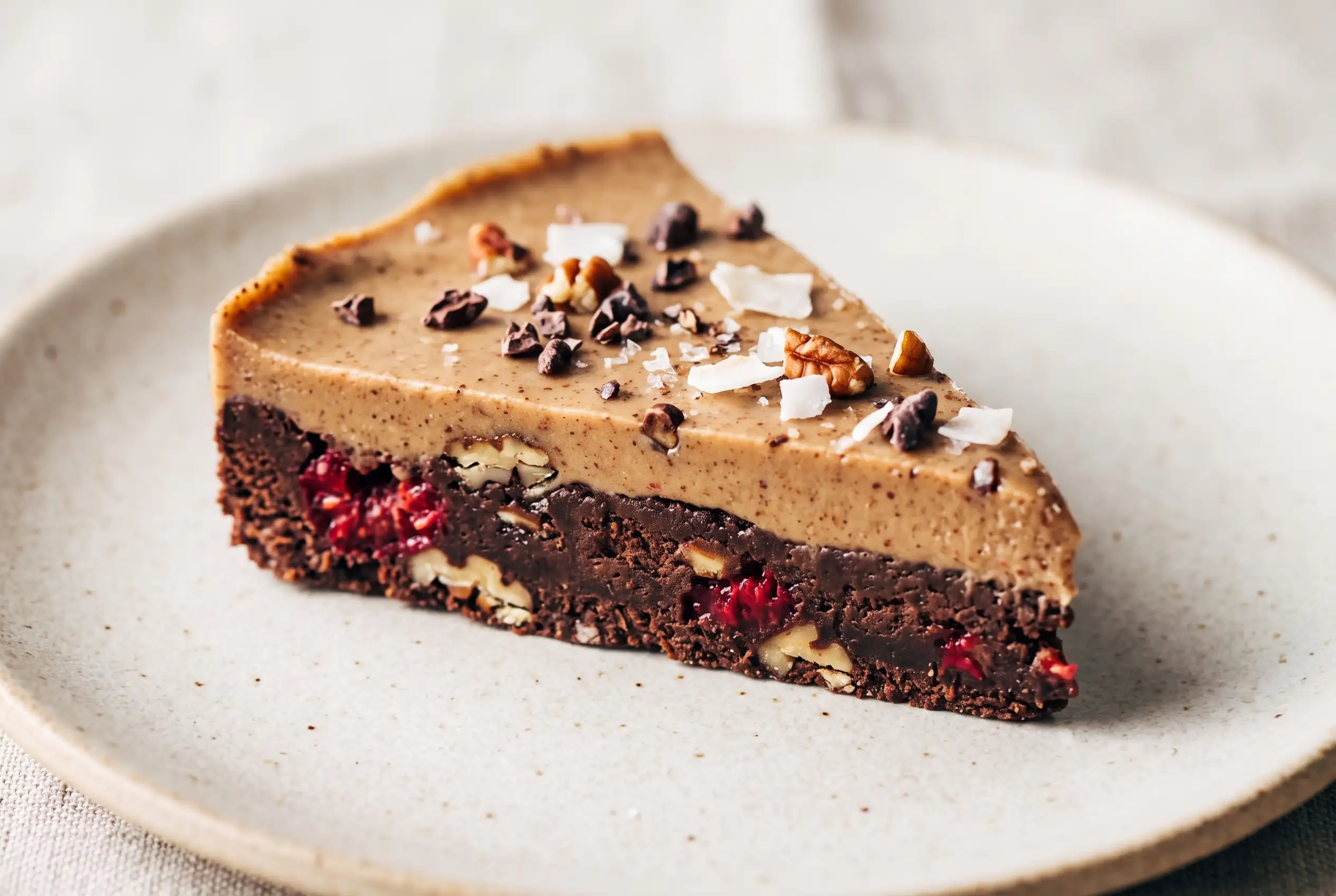
Chocolate raspberry bars bring together a chilled chocolate layer, a creamy almond butter layer, tart frozen raspberries, and crunchy pecans in a dessert that sits between fudgy freezer treats and crisp chocolate bark. The combination works because each layer keeps a clear role: cocoa creates depth, almond butter softens the finish, berries provide bright contrast, and pecans add texture. Chocolate raspberry almond butter bars offer a simple way to create a dessert with multiple sensations without relying on a baked crust or complicated preparation.
Chocolate Raspberry Almond Butter Bars Create a Layered Dessert Experience
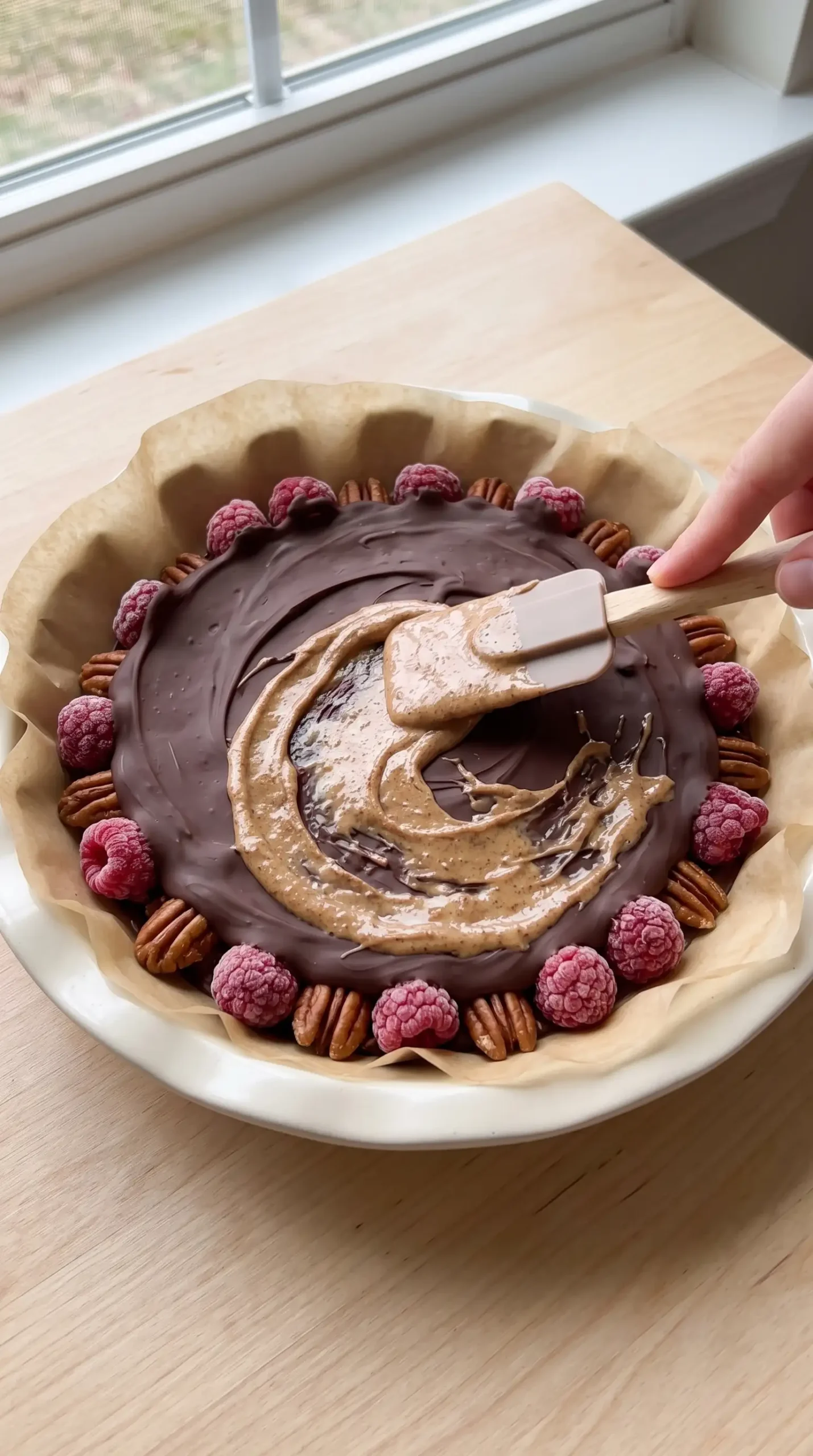
Built around two melted mixtures, these bars have a naturally distinct structure that makes every wedge feel balanced. The chocolate base surrounds the berries and pecans, while the almond butter layer creates a smoother top that changes the texture as the dessert softens. Keeping those mixtures separate gives the finished slices more character than a fully combined mixture.
Frozen raspberries create pockets of fruit throughout the chocolate layer, which helps prevent the dessert from feeling one-dimensional. Their sharp flavor cuts through the richness of butter, coconut oil, cocoa, and almond butter. Pecans bring a roasted crunch that contrasts with the softer frozen layers and gives each bite a different texture.
Layered desserts often depend on timing and temperature because the ingredients change as they chill. Chocolate raspberry almond butter bars are especially appealing when served slightly softened, allowing the layers to become more fudgy while still holding their shape. The texture can move from firm and sliceable to creamy and spoonable depending on how long the pieces sit before eating.
Frozen Raspberries Define the Dessert Balance
Raspberries are more than a colorful addition in these bars because the frozen fruit determines the dessert’s contrast. Their natural tartness keeps the chocolate and nutty flavors from becoming too heavy, while their frozen state helps create a structured center that works with the melted layers.
Cocoa and Almond Butter Build Distinct Layers
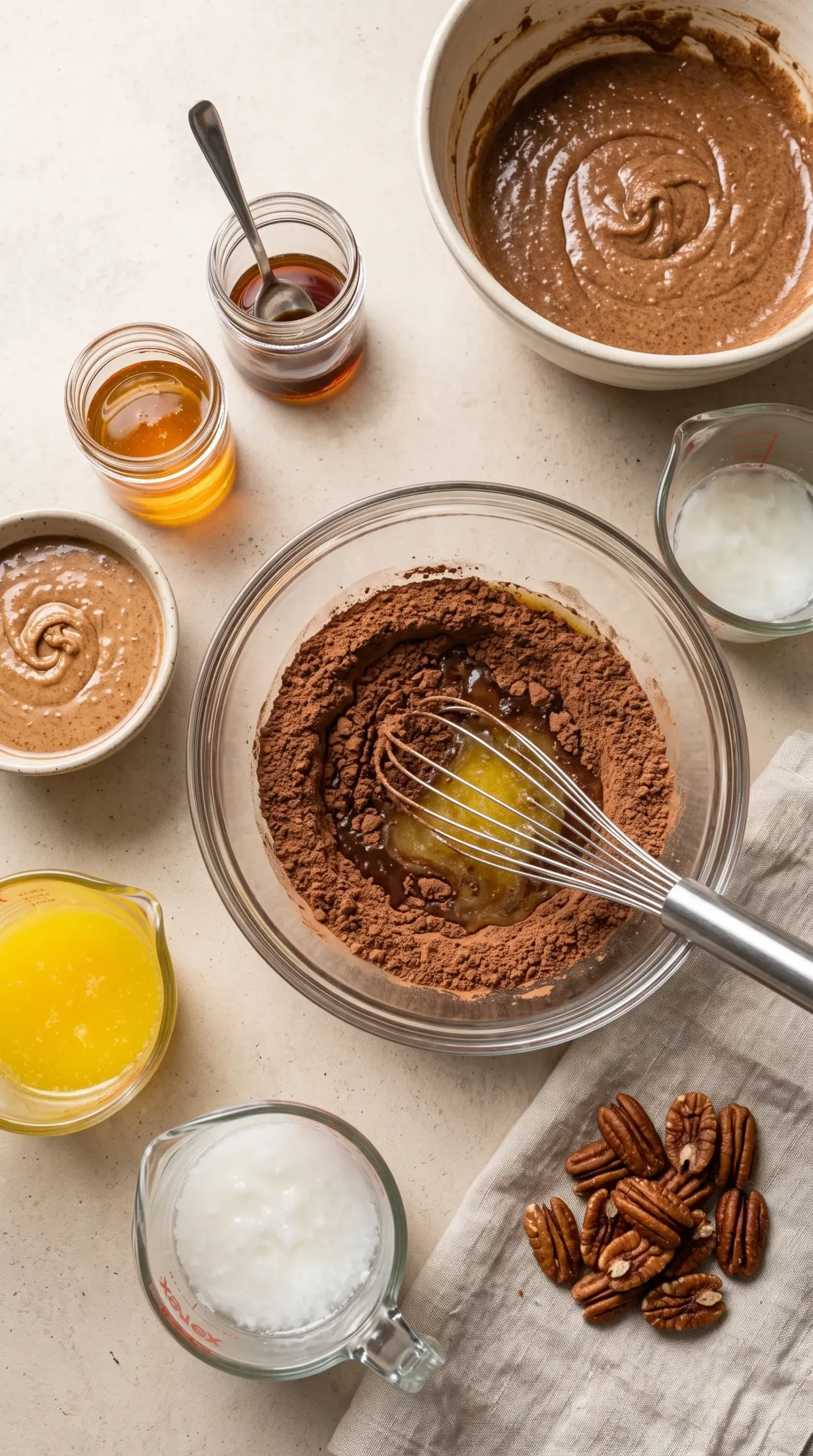
Cocoa powder gives the lower layer a concentrated chocolate flavor without adding extra liquid that could interfere with setting. Whisking it into the melted butter and coconut oil creates a smooth mixture that coats the fruit and nuts before chilling.
Almond butter changes the character of the upper layer by adding a creamy, nutty quality. The mixture becomes richer when combined with honey, vanilla, and the remaining melted fats. This balance allows the dessert to taste sweet and chocolate-focused while maintaining the toasted flavor of the almond butter.
Combining the two mixtures completely is possible, but keeping separate layers creates a more noticeable contrast. The distinction is subtle after freezing, yet the layered approach gives each section of the bar its own identity.
- Chocolate layer: Creates the deep cocoa base that surrounds the berries and pecans.
- Almond layer: Adds a creamy finish with a nut-forward flavor.
- Fruit layer: Brings brightness that offsets the richer ingredients.
Texture Choices Shape Every Slice
Texture depends on serving temperature, slice thickness, and the amount of time the bars rest after freezing. Chilled desserts such as chilled chocolate snack bars rely on controlled freezing and serving temperature to maintain a firm bite while preserving a pleasant texture.
Chocolate Raspberry Almond Butter Bars Need Careful Freezing Control
Freezing creates the structure that allows these bars to hold together without baking. The melted chocolate mixture and almond butter mixture need enough chilling time to become stable, but serving them immediately from the freezer can make the texture harder than intended.
Melting the fats gently helps maintain a smooth consistency before the layers are poured together. Butter and coconut oil both become part of the setting process, so uneven melting can affect how smoothly the mixtures combine with cocoa, honey, almond butter, and flavorings.
Keeping chocolate mixtures below excessive heat helps protect their texture, and you can melt chocolate at low temperatures to help avoid grainy or scorched results before combining it with the other ingredients.
Pouring the layers carefully helps preserve the separation between the chocolate and almond butter portions. A parchment-lined or foil-lined dish also makes it easier to lift and cut the chilled dessert without disturbing the shape.
| Handling choice | Effect on the bars | Useful approach |
|---|---|---|
| Fully frozen serving | Firm texture and clean slices | Cut and serve when a sharper shape is preferred |
| Slightly softened serving | More fudgy and creamy texture | Allow a short rest before eating |
| Layered chilling | Clearer separation between flavors | Keep the two mixtures distinct during preparation |
Common Mistakes with Chocolate Raspberry Almond Butter Bars to Avoid
Avoid rushing the melting stage because overheated fats can make the mixtures harder to combine smoothly. Gentle melting keeps the texture even and helps the cocoa blend properly into the chocolate portion.
Uneven distribution of raspberries and pecans can create slices that have inconsistent texture. Arranging the fruit and nuts in a single layer before adding the chocolate mixture helps each piece contain a balanced amount of both.
Overmixing the two layers can remove the visual and textural contrast that makes these bars special. The mixtures can be combined, but maintaining separate portions creates a more interesting finished dessert.
Storage Choices Keep Frozen Chocolate Raspberry Bars Enjoyable
Stored frozen, chocolate raspberry bars maintain their structure and can be softened briefly before serving. Keeping the pieces protected from excess air helps preserve their texture and prevents unwanted freezer flavors from affecting the dessert.
Topping Ideas Change Raspberry Pecan Chocolate Bars
Toppings can personalize the finished bars without changing the core structure. Cacao nibs add a more intense chocolate note, while flaked coconut creates another layer of texture. A small sprinkle of sea salt can emphasize the contrast between sweet, rich, and tart flavors.
Cacao nibs work especially well when a less sweet finish is desired because their bitterness complements the cocoa layer. Flaked coconut pairs naturally with the coconut oil already used in the mixture and gives the surface a delicate crunch.
Additional toppings should remain light because the frozen layers already contain several strong textures. A simple finish allows the raspberry pieces and pecans to remain noticeable instead of competing with too many additions.
Serving Moments Suit These Chilled Dessert Wedges
Guests can enjoy these wedges as a make-ahead dessert when a chilled, sliceable treat fits the occasion. The format works well for casual gatherings because individual pieces can be stored and served as needed.
Pecan Placement Improves Every Chocolate Raspberry Bite
Pecans contribute a roasted crunch that supports the softer layers, but their placement affects how each slice eats. Keeping whole or chopped pieces spread across the fruit before adding the chocolate mixture helps prevent some portions from becoming overly dense.
Small differences in pecan size also change the experience. Larger pieces provide distinct crunch, while chopped nuts distribute their flavor more evenly through each wedge. Either approach can work depending on whether a pronounced nut texture or a more blended bite is preferred.
Selecting toppings and nut pieces with the final serving texture in mind helps these bars feel intentional. The dessert already combines frozen fruit, chocolate, and creamy almond butter, so the pecans provide the important contrast that keeps the layers lively.
Chocolate Raspberry Layers Create a Fudgy Slice
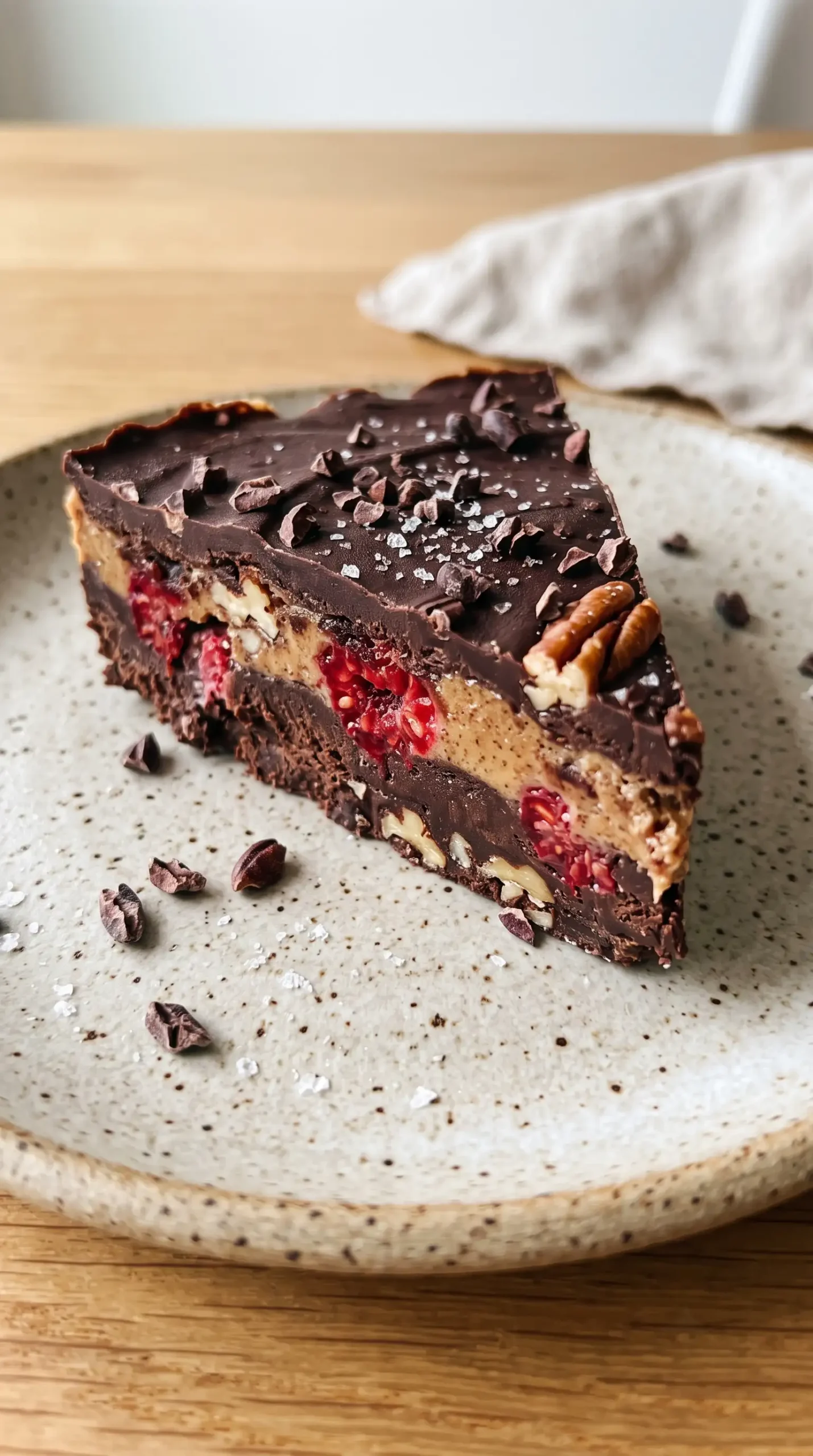
Chocolate raspberry almond butter bars succeed because the finished texture depends on the relationship between rich chocolate, creamy almond butter, bright raspberries, and crunchy pecans. The most important choice is preserving the contrast between those elements while allowing the frozen layers to soften into a fudgy dessert.
Balanced preparation creates a slice that changes as it rests. A colder piece highlights the firm chocolate bark quality, while a slightly softened piece reveals the smoother texture created by the layered mixtures.
Freezing Questions About Chocolate Raspberry Almond Butter Bars
Can these bars be served without thawing?
Yes, the bars can be eaten directly from the freezer, especially when a firmer texture is preferred. Allowing them to soften briefly changes the consistency and makes the layers feel more like a fudgy frozen dessert.
How should the slices be cut cleanly?
Clean slices are easier to achieve when the dessert is fully set and the cutting surface is stable. Using a sharp knife and allowing the blade to move through the layers steadily helps maintain the shape of each wedge.
Can the raspberry layer be changed?
Other fruit choices may alter the flavor balance because raspberries provide a specific tart contrast against the chocolate and almond butter. Any substitution should consider whether the replacement offers a similar brightness.
Why do the layers have different textures?
The chocolate portion and almond butter portion contain different flavor combinations and ingredient ratios, which creates their separate textures after chilling. The contrast is part of the dessert’s appeal and comes from keeping the mixtures distinct.
Chocolate Raspberry Almond Butter Bars with Pecans
Ingredients
Method
- Line a pie plate with parchment paper or foil. Spread the raspberries and pecans in a single layer across the bottom.
- Melt 4 tablespoons butter and 4 tablespoons coconut oil together until smooth. Whisk in the cocoa powder, 2 tablespoons honey, 1/2 teaspoon vanilla, and a pinch of salt. Taste and adjust if needed, then pour the chocolate mixture over the raspberries and pecans in the pie plate.
- Melt the remaining 4 tablespoons butter and 4 tablespoons coconut oil until smooth. Stir in the almond butter, remaining 2 tablespoons honey, 1/2 teaspoon vanilla, and a pinch of salt until the mixture is melted and combined. Taste and adjust if needed, then pour over the chocolate layer.
- Freeze for at least 30 minutes until the bars are firm. Cut into wedges to serve.