
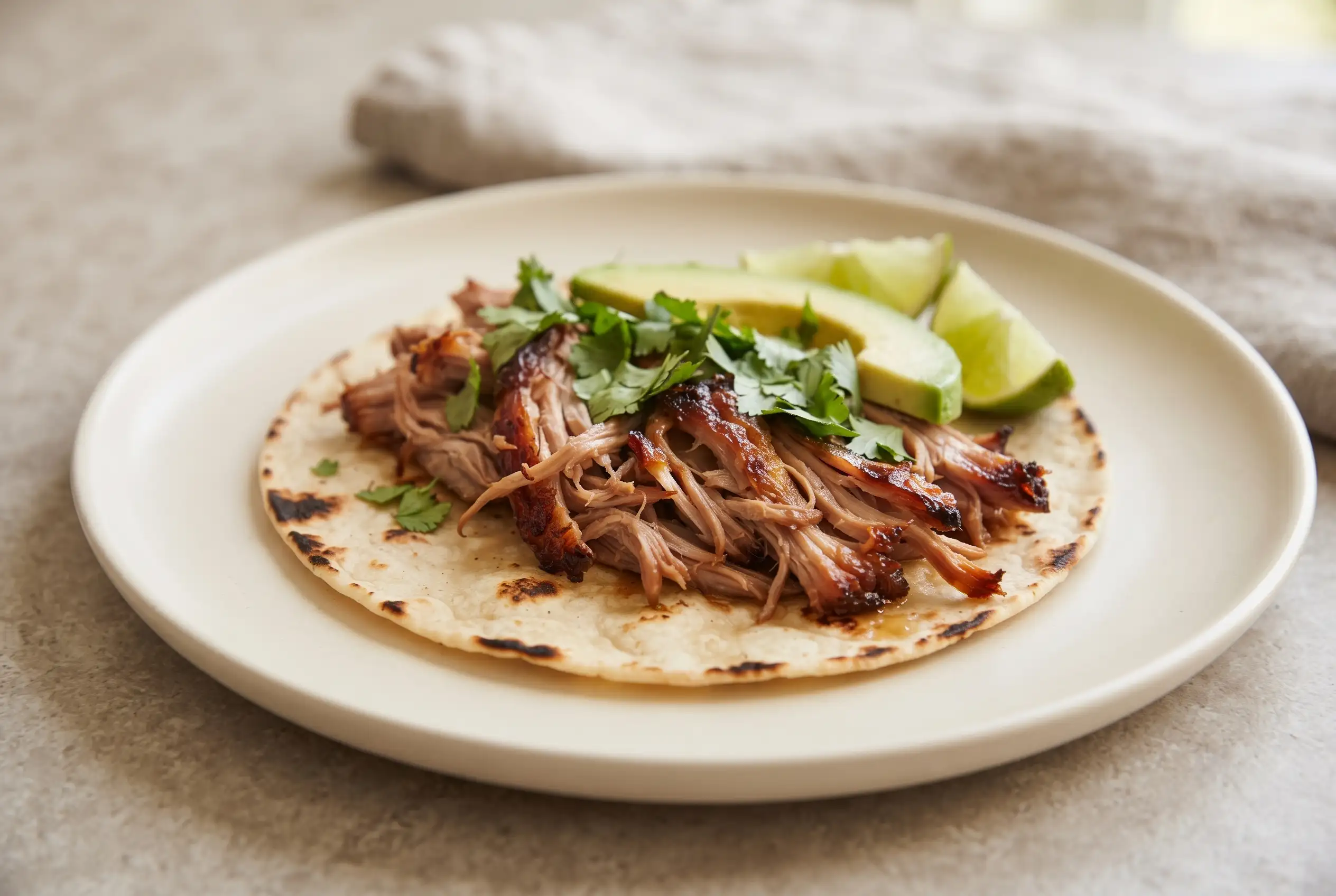
Crockpot carnitas turns a simple pork shoulder into a deeply flavored meal with tender strands of meat, bright citrus notes, and crisp edges created after slow cooking. The combination works because the pork develops richness over time while garlic, spices, salsa, beer, and fruit juices create a flavorful cooking environment that can be reused when serving.
Unlike quick pork preparations, easy crockpot carnitas depends on patience and texture control. The slow cooker allows the meat to soften until it separates easily, while a short broiling step adds the browned surface that makes each bite feel complete. Small choices with the pork cut, seasoning balance, and finishing technique have a noticeable effect on the finished dish.
Pork Shoulder Defines Carnitas Texture
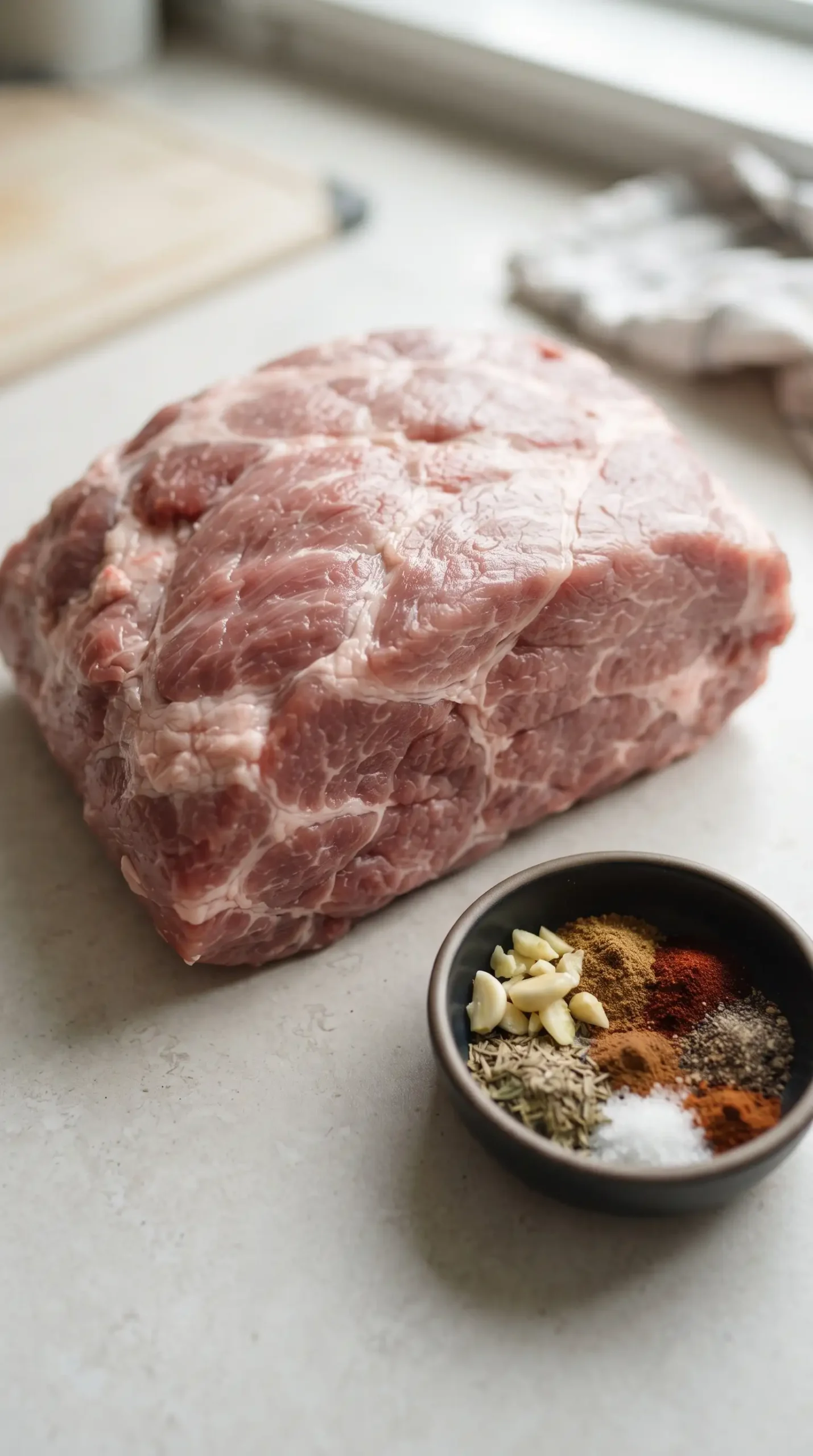
Pork shoulder is the foundation of successful pork shoulder carnitas because its natural structure changes during extended cooking. The cut contains enough richness to stay moist as it cooks, allowing the meat to become tender while still holding onto the savory flavors surrounding it. The same cut can be transformed into hearty meals like pork shoulder chalupas where slow cooking creates a satisfying filling texture.
Bone-in and boneless pork shoulder both work well for this style of preparation. A bone-in piece can bring additional depth to the cooking liquid, while a boneless cut can make shredding and portioning more convenient after the slow cooking process.
Seasoning reaches more of the surface when the garlic and spice mixture is rubbed directly onto the pork. That contact helps the salt, cumin, chili powder, oregano, cinnamon, black pepper, and cayenne create a balanced flavor throughout the finished meat.
| Pork choice | Handling approach | Result after cooking |
|---|---|---|
| Boneless shoulder | Easy to portion and shred | Convenient tender pieces |
| Bone-in shoulder | Cook with bone attached | Rich, hearty texture |
| Large shoulder pieces | Keep intact during slow cooking | Moist shredded meat |
Citrus Beer Sauce Shapes Slow Cooker Carnitas
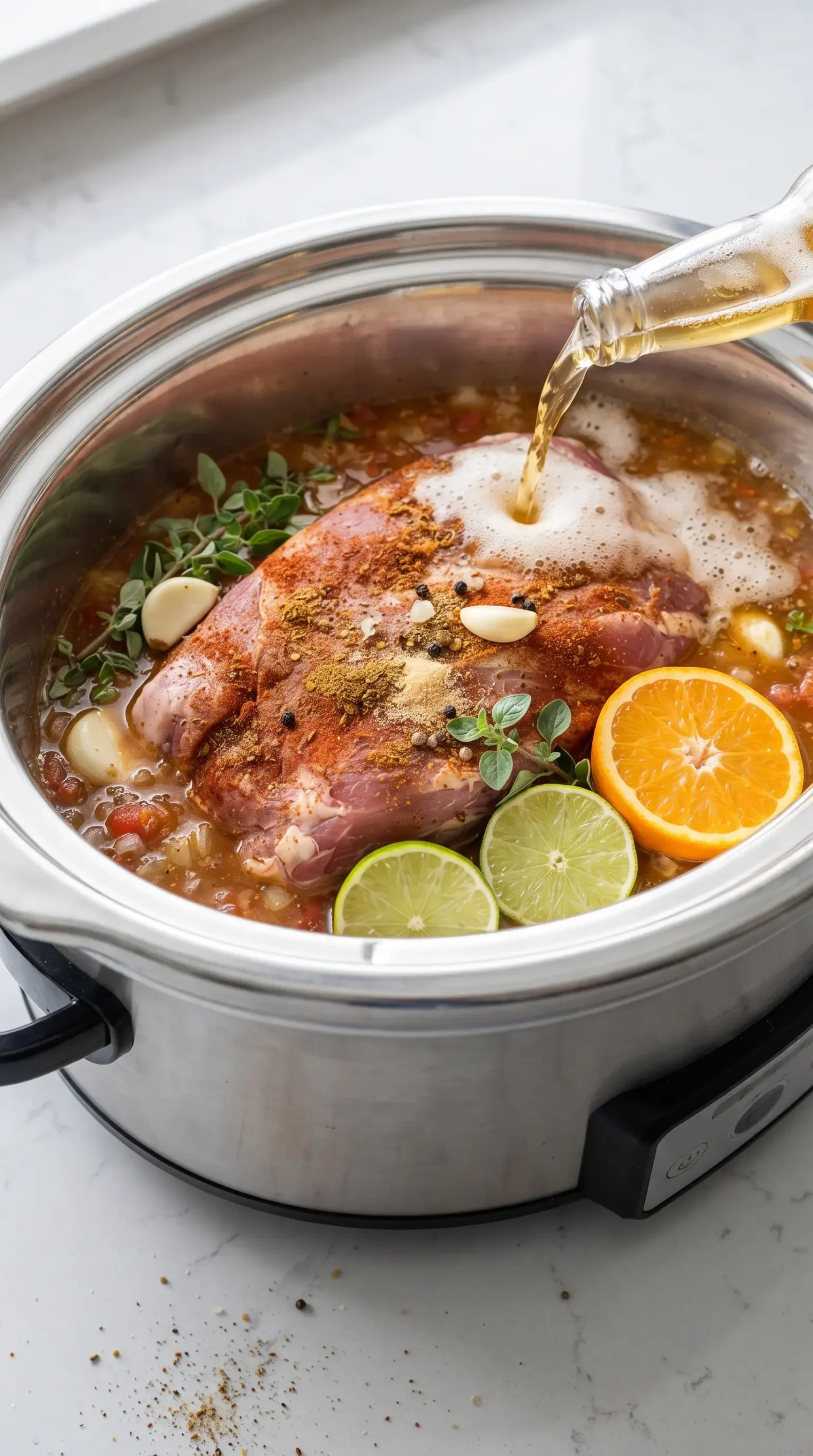
Flavorful liquid gives slow cooker carnitas its character by carrying seasoning into the pork as it cooks. Lime juice adds brightness, orange juice contributes sweetness, and beer creates a savory background that supports the spices without overwhelming them.
Salsa provides another layer because it combines tomato flavor and seasoning in a single addition. A smoother salsa works especially well here because it blends into the cooking juices and leaves a sauce that coats shredded meat evenly.
Balanced acidity matters when building a braising mixture. The citrus should lift the richness of the pork, while the other ingredients create enough depth for tacos, bowls, and other serving ideas.
Browning Creates the Carnitas Finish
Shredded pork becomes more distinctive when some of the surface is exposed to high heat after slow cooking. The broiler transforms soft strands into pieces with browned edges while keeping the interior connected to the flavorful cooking juices.
Cooking control comes from adding only enough sauce before broiling to prevent dryness without making the meat steam. The remaining liquid can continue to add moisture when the carnitas returns to the serving dish or when leftovers are reheated.
- Texture check: Shredded pork should separate easily before it moves to the broiler.
- Surface focus: A thin layer on the baking sheet encourages browned edges.
- Moisture balance: Extra cooking liquid helps keep servings juicy after crisping.
Carnitas Serving Choices Keep Texture Balanced
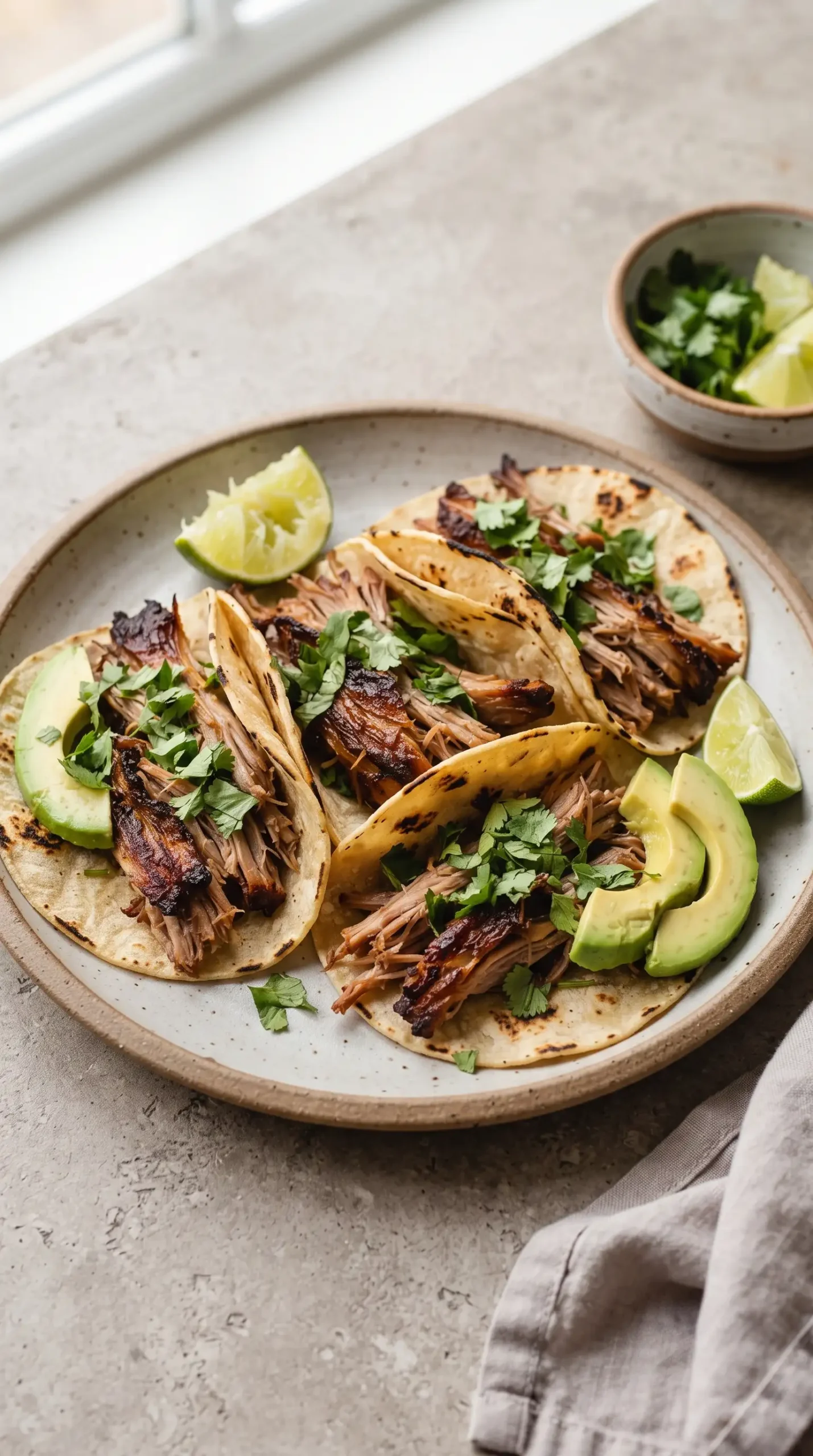
Warm tortillas are a natural pairing for carnitas because they allow the tender pork and crisp edges to remain the center of the meal. Fresh cilantro, avocado, and lime juice add contrast without hiding the slow-cooked flavor.
Different serving formats highlight different qualities of the meat. Tacos emphasize the browned pieces and fresh toppings, while bowls can showcase the flavorful pork alongside rice, vegetables, or additional salsa.
Crockpot Carnitas Mistakes That Ruin Tender Pork
Common mistakes with crockpot carnitas usually involve handling the meat after cooking instead of the slow cooking itself. Avoiding a few specific problems helps preserve the texture created during the long braising process.
- Skipping the seasoning rub: Placing spices only around the meat can leave the flavor less evenly distributed.
- Adding too much finishing sauce: Excess liquid during broiling can prevent the edges from becoming browned.
- Shredding too early: Pulling apart pork before it is fully tender can create tougher pieces that need more cooking time.
Overlooking the finishing step can also change the character of the dish. The slow cooker creates tenderness, but the brief high-heat finish creates the contrast associated with classic carnitas.
Leftover Carnitas Find New Uses
Stored shredded pork remains useful because the seasoning profile works across several meals. Leftover meat can become a filling for additional tacos, a topping for bowls, or a flavorful addition to other dishes that benefit from tender seasoned pork.
Reheating works best when some of the reserved cooking juices are available. Adding moisture before warming helps protect the texture and keeps the citrus-spice flavor present.
Dutch Oven and Instant Pot Carnitas Adjustments
Different cooking methods can produce a similar style of tender pork while changing the timing and attention required. A Dutch oven uses steady oven heat to soften the shoulder, while an Instant Pot uses pressure to shorten the cooking process.
Method changes require attention to the shape of the pork. Larger pieces work well in slow, covered cooking environments, while pressure cooking benefits from cutting the shoulder into manageable chunks so heat can move through the meat efficiently.
- Choose the cooking method based on available time and equipment.
- Keep the same flavor foundation of pork, spices, citrus, beer, and salsa.
- Finish shredded meat with browned edges to maintain the carnitas character.
Seasoning Balance Protects the Pork Flavor
Spices in carnitas should support the pork instead of covering it. Cumin and oregano create familiar savory notes, while cinnamon adds warmth and cayenne brings heat that can be adjusted according to preference.
Chipotle hot sauce is an optional addition that introduces smoky heat. When included, it works with the existing spices and citrus instead of replacing the deeper flavors developed during cooking.
Beer and Salsa Choices Change the Braising Base
Simple ingredient swaps can influence the personality of the cooking liquid. A standard lager fits naturally because it adds mild malt flavor, while the salsa choice determines how much tomato and seasoning appear in the finished sauce.
Less chunky salsa is useful because the liquid remains easy to mix with shredded pork. The smoother texture also helps the sauce cling to the meat when it is served.
Shredding Control Preserves Juicy Carnitas
Proper shredding is more than breaking the pork into small pieces. Keeping some larger strands allows the meat to retain its texture while still making it easy to place into tortillas or other serving formats.
Returning shredded pork to the flavorful liquid gives the meat a chance to absorb more seasoning. Removing only the amount needed for browning helps maintain moisture in the remaining portions.
Crockpot Carnitas Holds Its Best Cooking Judgment
Tender pork shoulder shows why slow cooking and careful finishing work together in carnitas. The long cooking stage creates meat that pulls apart easily, while the browned edges add the contrast that makes the dish recognizable.
Balanced seasoning, a flavorful cooking liquid, and controlled browning turn pork shoulder into a meal that stays versatile from the first serving through later uses. The most important decision is preserving the juicy texture while creating enough surface flavor to make each bite satisfying.
Crockpot Carnitas Questions About Tenderness and Storage
How do I know when carnitas is tender enough to shred?
Carnitas is ready for shredding when the pork separates easily with forks and no longer resists pulling apart. Meat that still feels firm usually needs additional cooking time in the flavorful liquid.
The reason this tenderness test works is that connective tissue breaks down into gelatin during extended cooking, creating the softer texture that allows properly cooked pork shoulder to separate easily.
Can I make crockpot carnitas with bone-in pork shoulder?
Yes, bone-in pork shoulder works well for carnitas. The bone can remain in place during cooking, and it can be removed once the meat has become tender enough to shred.
Why should carnitas be broiled after slow cooking?
Broiling adds browned edges that contrast with the soft shredded pork created in the slow cooker. This short finishing step changes the texture without requiring additional long cooking.
How can I keep leftover carnitas from drying out?
Keeping some of the cooking liquid with the leftovers helps maintain moisture during storage and reheating. Warm the pork gently and add a little of the flavorful sauce as needed.
Can I adjust the spice level in carnitas?
The heat can be changed by reducing or increasing cayenne pepper and optional chipotle hot sauce. Keeping the cumin, oregano, citrus, and other seasonings balanced preserves the overall flavor.
Crockpot Carnitas with Pork Shoulder and Citrus Juices
Ingredients
Method
- Place the pork shoulder in the slow cooker. Roughly chop the garlic and add it to the cooker, rubbing some of it onto the pork if desired.
- Coat the pork with salt, cumin, chili powder, black pepper, oregano, cinnamon, and cayenne, rubbing the seasonings over the meat.
- Pour the lime juice, orange juice, beer, and salsa into the slow cooker. Cover and cook on low for 8 hours.
- Shred the cooked pork with two forks in the slow cooker, or transfer it out, shred it, and return it to the sauce.
- Preheat the broiler and line a baking sheet with aluminum foil.
- Spread the shredded pork on the prepared baking sheet, add a few spoonfuls of sauce over the meat, and broil for 5-10 minutes until browned edges develop.
- Serve the carnitas on tortillas with fresh cilantro, avocado, and lime juice.