
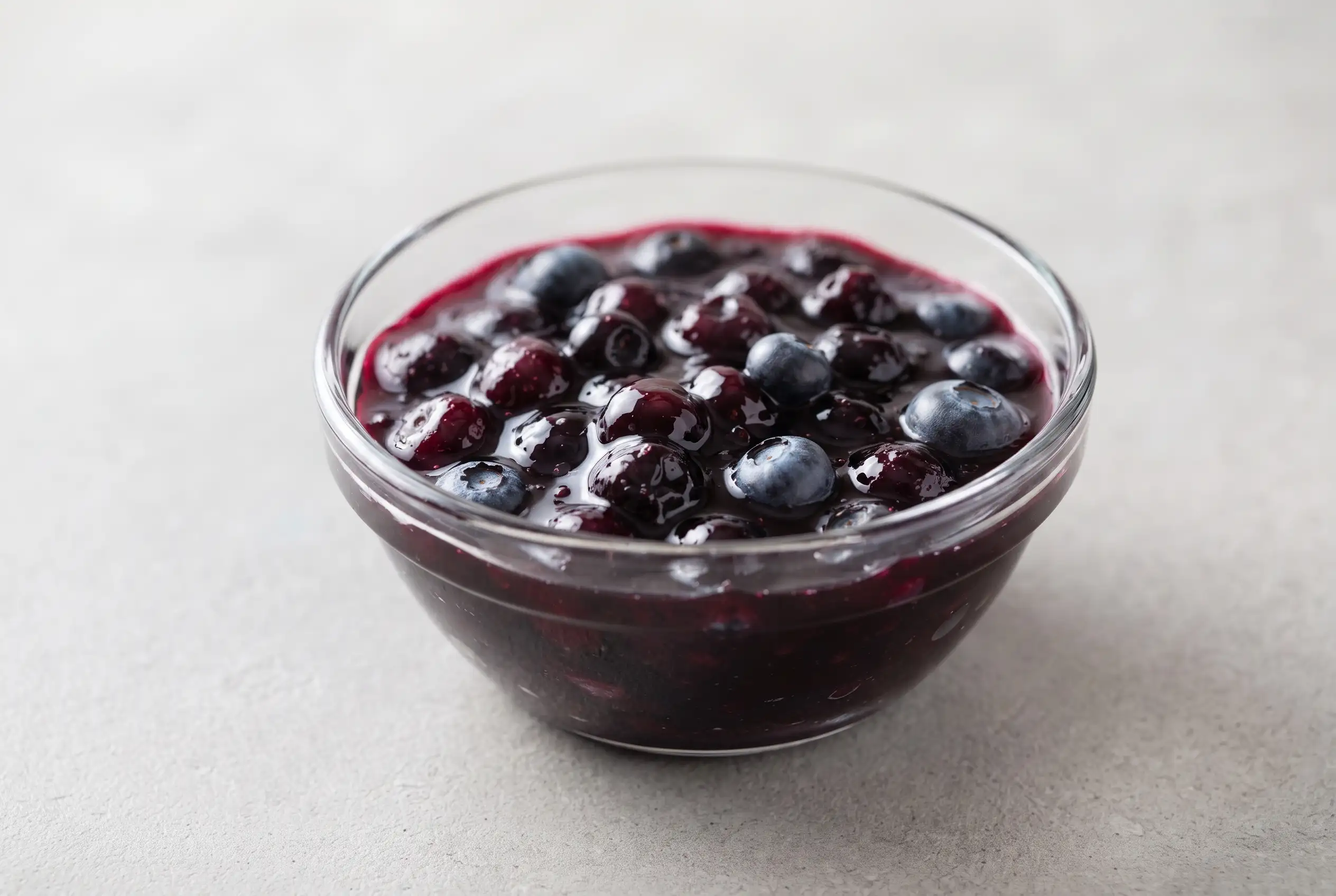
blueberry sauce transforms a simple collection of berries into a versatile topping with a balance of sweetness, fruit flavor, and smooth texture. The combination of softened blueberries, sugar, vanilla, and a light cornstarch thickening method creates a sauce that works across breakfast dishes, desserts, and everyday treats.
Fresh berries and frozen berries both fit this preparation, allowing cooks to make a flavorful topping whenever blueberries are available. The method focuses on controlling texture by separating some berries for a brighter finish while creating a naturally thick base from the first portion.
Blueberries Create the Foundation for Smooth Sauce
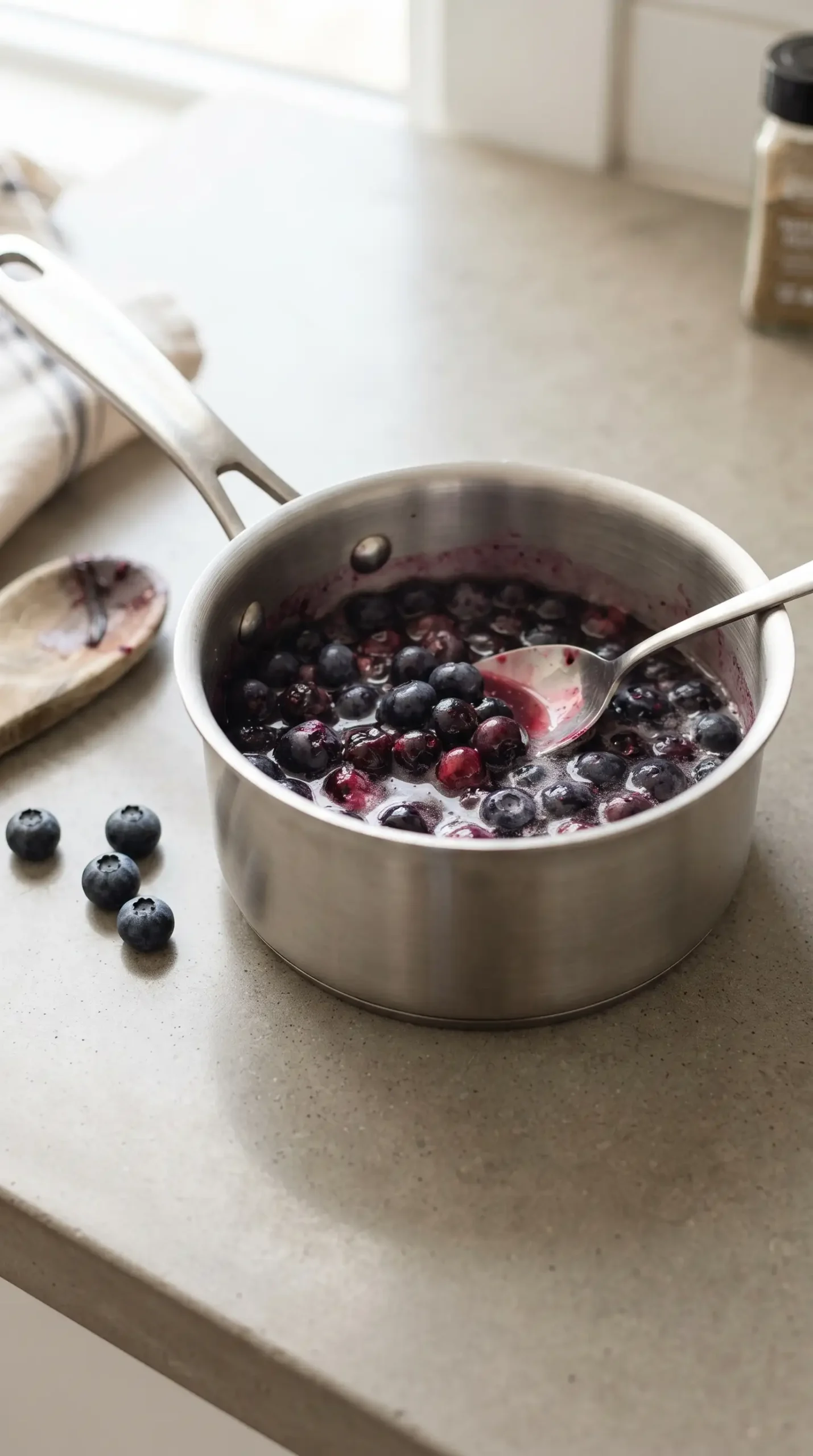
Blueberries determine the character of the sauce because they provide both the liquid released during cooking and the fruit pieces that remain after finishing. Heating part of the berries allows them to soften and blend with the sweetened liquid, creating the base that carries the rest of the flavors.
Blueberries also contribute some natural structure during cooking because fruits contain varying amounts of pectin, a plant substance involved in forming gels in concentrated fruit preparations. This natural pectin in fruit helps explain why cooked berries can develop body alongside the added cornstarch thickening method.
Using a mixture of cooked and added-later blueberries creates a useful contrast. The cooked berries contribute body and color, while the remaining fruit keeps small pieces that make the finished sauce feel fresh and recognizable.
Sweetness can vary naturally depending on the berries used. Fresh blueberry sauce made with ripe fruit may taste naturally mellow, while less sweet berries may benefit from the measured sugar included in the preparation.
| Blueberry choice | Texture result | Flavor character |
|---|---|---|
| Fresh blueberries | Defined fruit pieces after cooking | Bright berry flavor |
| Frozen blueberries | Softer berries with more released liquid | Deep cooked fruit notes |
| Mixed berry sizes | Combination of smooth base and pieces | Balanced texture variation |
Vanilla and Sweetness Shape Blueberry Sauce Balance
Vanilla plays a supporting role by rounding out the berry flavor without changing the identity of the sauce. A small amount blends into the sweetened blueberry mixture and helps create a finished topping that feels complete.
Simple Adjustments Keep the Sauce Texture Flexible
Texture decisions are easy to manage during cooking because the sauce responds quickly to small changes. A shorter simmer keeps a looser consistency, while additional cooking time allows the mixture to become thicker as moisture reduces.
Extra liquid can be added gradually if the sauce becomes thicker than desired. Small additions help preserve control because the texture can be corrected without changing the fruit balance.
Cooks can also choose how much fruit texture remains. Leaving the added blueberries mostly intact creates a chunkier topping, while longer stirring encourages a smoother consistency.
Cooking Control Protects the Blueberry Sauce Consistency
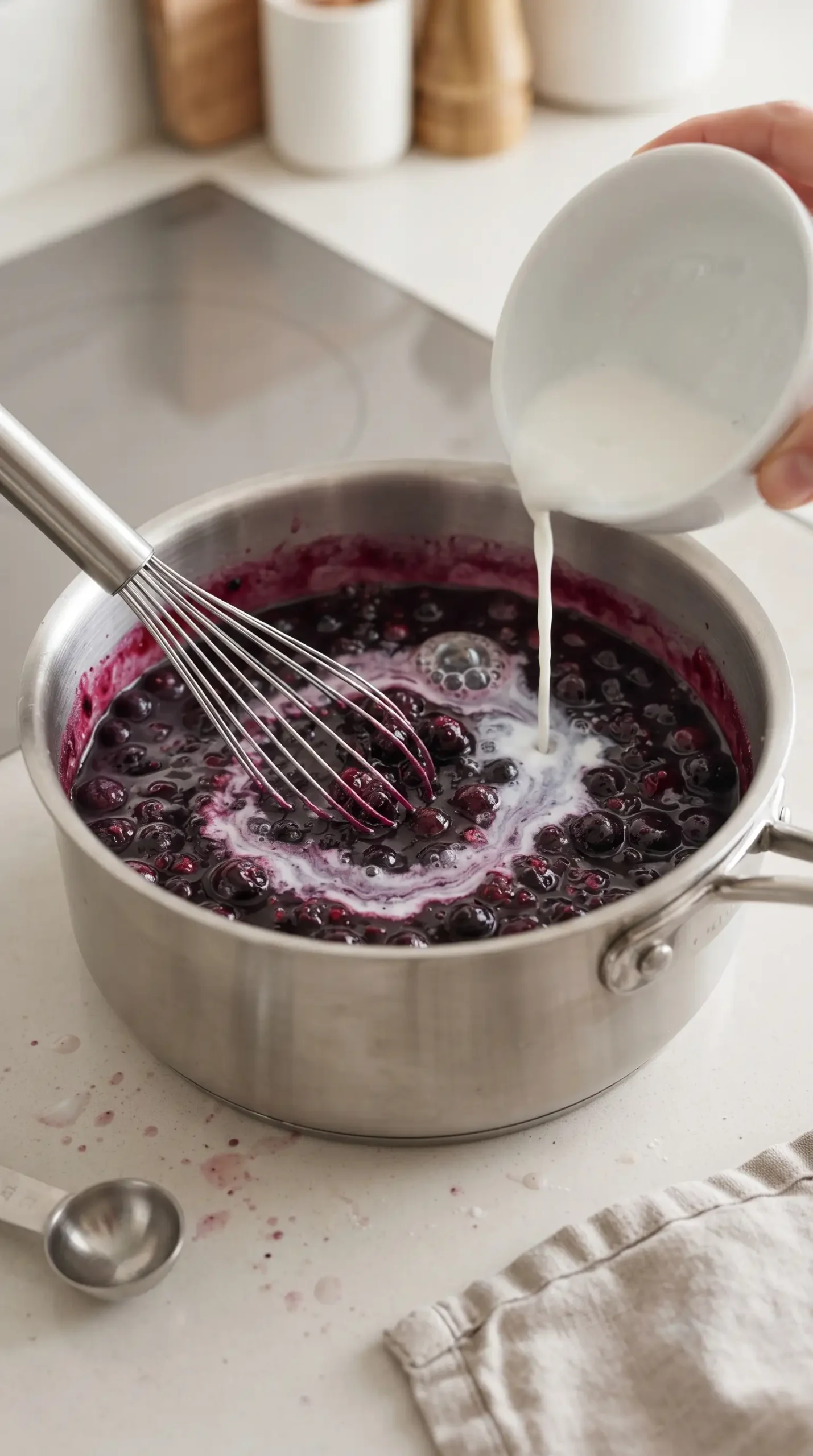
The cooking stage depends on observing the berries and the thickening process instead of relying only on time. The mixture should reach a gentle boil as the blueberries begin breaking apart, showing that the fruit has released enough moisture to form the sauce base.
Adding the dissolved cornstarch at the correct point allows the sauce to thicken evenly. Bringing the mixture back to a boil activates the thickener, after which a short simmer helps the texture settle.
Temperature changes also influence the finished result. A sauce that looks slightly loose while hot can become thicker as it cools, so cooks should consider serving temperature when deciding whether more liquid or more cooking is needed.
Homemade Blueberry Sauce Mistakes That Affect Texture
Several common problems can change the result of homemade blueberry sauce, but each has a clear cause and adjustment. Paying attention to thickness, berry handling, and the thickening step helps avoid an uneven topping.
- Too much thickness: Add small amounts of water gradually when the sauce becomes heavier than preferred.
- Missing fruit texture: Keep the reserved blueberries whole enough to provide visible berry pieces.
- Uneven thickening: Fully dissolve the cornstarch before adding it so the sauce develops a consistent texture.
Serving Ideas Highlight the Versatility of Blueberry Sauce
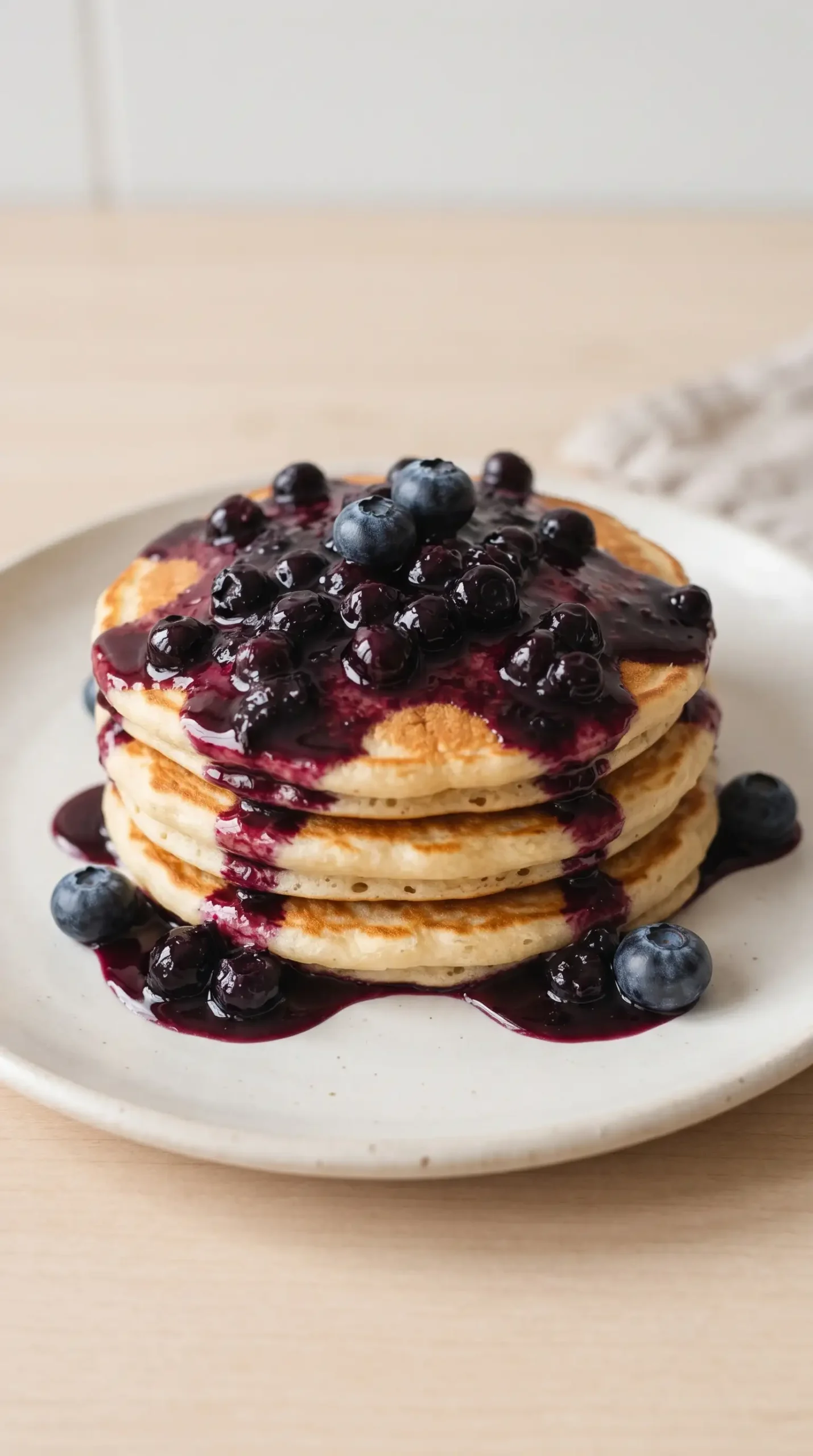
Breakfast plates become more flavorful when blueberry sauce is paired with foods that benefit from a fruity topping. It can bring color and sweetness to simple morning dishes while adding moisture to drier textures, including blueberry breakfast muffins.
Dessert uses also suit the sauce because its spoonable texture makes it easy to layer. The balance of fruit and sweetness allows it to complement creamy, baked, or chilled desserts without requiring complicated preparation.
- Breakfast pairings: Spoon over pancakes, waffles, oatmeal, or yogurt-based dishes.
- Dessert finishes: Add to cakes, ice cream, or other sweet treats.
- Texture contrast: Combine with creamy foods where the berry pieces remain noticeable.
Easy Blueberry Sauce Recipe Choices Start With Timing
The order of cooking choices influences how the finished topping feels. Cooking part of the blueberries first builds the sauce foundation, while adding the remaining berries later preserves a fresher fruit presence.
Small decisions during preparation can change the serving experience. A thicker sauce works well when a topping needs to stay in place, while a thinner consistency spreads more easily across a wider surface.
Warm and Chilled Blueberry Sauce Offer Different Uses
Serving temperature changes how the sauce behaves. Warm blueberry sauce flows easily over foods and spreads into surrounding layers, making it useful immediately after cooking.
Chilled sauce develops a firmer texture that works well when a topping needs to sit neatly on a dessert or breakfast dish. Cooling also allows the flavors to settle together.
| Serving temperature | Texture | Best use |
|---|---|---|
| Warm | Loose and pourable | Breakfast toppings and freshly served desserts |
| Room temperature | Soft and spreadable | Layered dishes and quick serving |
| Chilled | Thicker and more set | Prepared desserts and make-ahead portions |
Fresh Blueberry Sauce Adapts Across Seasons
Seasonal availability does not have to limit this topping because both fresh and frozen blueberries can produce a flavorful result. Fresh berries highlight brightness, while frozen fruit provides a convenient option when berries are not in peak condition.
Changing the berry source slightly changes the sauce experience, but the essential balance remains the same. The thickened fruit base continues to provide a reliable topping for many different serving occasions.
Easy Blueberry Sauce Storage Keeps Flavor Ready
Proper handling after cooking helps maintain the sauce quality for later use. Once cooled, the topping can be kept covered and used when a quick fruit addition is needed.
Blueberry Sauce Finishes With Controlled Fruit Texture
Blueberry sauce succeeds because the cooking process creates two textures at once: a thick fruit base and recognizable berries throughout. Careful attention to when berries soften, when thickening occurs, and when the remaining fruit is added creates a topping with balance.
The most useful cooking judgment comes from watching consistency as it develops. The sauce should feel thick enough to coat food while still keeping the fruit character that makes a berry topping appealing.
Blueberry Sauce Questions About Texture and Storage
Can blueberry sauce be made with frozen blueberries?
Frozen blueberries work well because they release moisture as they heat, creating the liquid needed for the sauce base. The berries may soften more quickly, so keeping some fruit aside for the end can help maintain texture.
How can blueberry sauce become less thick?
A sauce that becomes too thick can be adjusted by stirring in small amounts of water until the desired consistency returns. Adding liquid gradually helps avoid making the topping overly thin.
Why does cornstarch need to be dissolved before adding it?
Dissolving cornstarch in water helps it distribute throughout the blueberry mixture. This creates a smoother texture and reduces the chance of uneven thickening in the finished sauce.
How should leftover blueberry sauce be used?
Leftover sauce can add fruit flavor to breakfast foods, desserts, and snacks that benefit from a sweet berry topping. Its flexible texture makes it useful in both simple and layered servings.
Can the amount of fruit pieces in blueberry sauce be changed?
The amount of visible fruit can be adjusted by changing how gently the berries are stirred after the thickened base is prepared. Less stirring keeps larger pieces, while more stirring creates a smoother result.
Blueberry Sauce with Fresh Blueberries and Vanilla
Ingredients
Method
- Place 1 1/2 cups blueberries in a small saucepan. Add water, sugar, and vanilla, then heat over medium-high until the mixture reaches a low boil and the berries begin to break down.
- Stir in the dissolved cornstarch and bring the sauce to a rolling boil. Reduce the heat and simmer on low for 2-3 minutes, until the sauce reaches the desired consistency. Add water one tablespoon at a time if the sauce becomes too thick.
- Remove the saucepan from the heat. Gently mix in the remaining blueberries and serve warm or cold.