
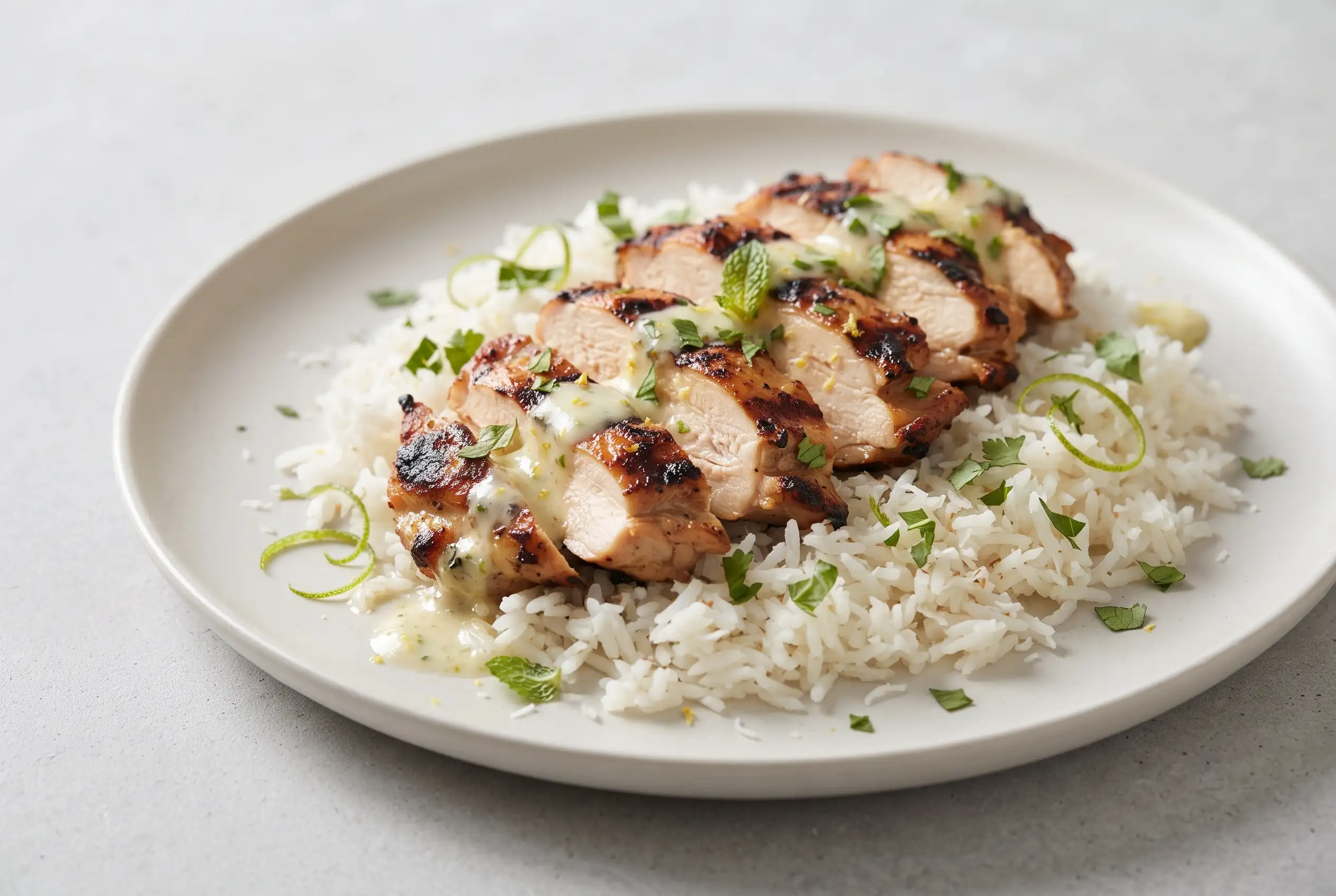
Coconut lime chicken brings together a creamy citrus marinade, grilled boneless chicken thighs, and a simple rice base for a meal built around bright tropical flavors and balanced textures. The combination of coconut milk, fresh lime, herbs, and savory seasoning creates a marinade that works beyond surface flavor by helping the chicken develop a layered finish during grilling.
Unlike heavily seasoned grilled dishes that rely on many spices, coconut lime grilled chicken uses a small group of ingredients that each influence the final plate. Lime adds freshness, coconut milk softens the sharp edges of the marinade, and herbs create a clean finish that pairs naturally with rice and vegetables.
Coconut Lime Chicken Builds a Bright Tropical Marinade
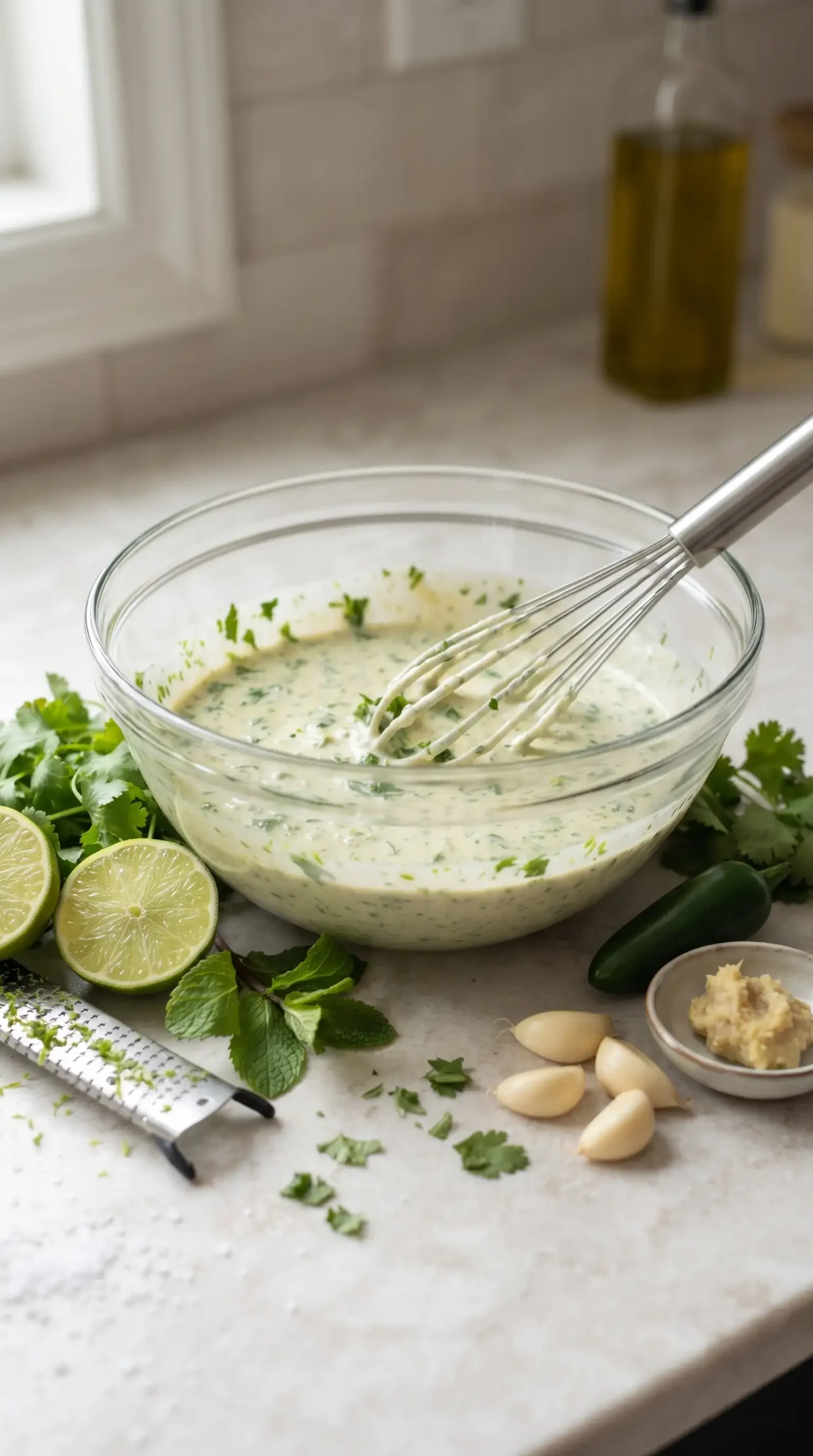
The character of coconut lime chicken begins with the relationship between acidity, richness, and savory depth. Lime juice provides the sharp element that keeps the coconut flavor from feeling heavy, while fish sauce adds a salty, fermented note that gives the marinade more complexity.
Blending the sauce ingredients creates a smooth mixture that coats the chicken evenly. The creamy coconut component helps carry the flavors of lime, garlic, jalapeño, lemongrass, cilantro, and mint across the surface of the meat.
Boneless chicken thighs are especially suited to this style of grilling because they remain flavorful and tender while developing browned edges over heat. The marinade supports the natural richness of the chicken without hiding its texture.
Coconut Milk and Lime Shape the Chicken’s Flavor Balance
Full-fat coconut milk is the ingredient choice that most affects the sauce’s body. The thicker portion from the can creates a creamier coating, while the lime keeps that richness lively and suitable for a grilled dish.
Rice Creates the Base for Grilled Chicken with Rice
Grilled chicken with rice depends on contrast. The rice provides a neutral, comforting foundation that allows the bold marinade and finishing sauce to stand out without competing flavors.
| Serving Element | Role on the Plate | Best Handling Choice |
|---|---|---|
| Grilled chicken | Main source of savory flavor | Rest briefly before slicing |
| Rice | Balances the bright sauce | Keep grains separate and tender |
| Vegetables | Add freshness and texture | Choose crisp or lightly cooked options |
Simple rice works well because it absorbs extra sauce while maintaining the focus on the grilled chicken. Lightly seasoned vegetables or beans can add substance without competing with the marinade, especially when building a chicken-and-rice plate with cilantro and citrus.
Fresh Herbs Guide the Sauce Texture and Finish
Cilantro and mint give the coconut lime chicken marinade a fresh quality that changes the way the richer ingredients are perceived. Their herbal notes connect the creamy coconut base with the citrus brightness of the lime.
Fresh jalapeño contributes a gentle pepper flavor when the ribs and seeds are removed. It adds personality without overpowering the herbs or the natural sweetness from the coconut milk.
A smooth blended sauce should still taste balanced after all ingredients combine. Adjusting the amount of coconut milk’s thicker portion can influence the texture, while keeping the lime and herbs noticeable preserves the intended flavor direction.
Marinade Timing Controls the Grilled Chicken Texture
The most important cooking decision for coconut lime grilled chicken is managing how the marinade meets the meat before grilling. Allowing the chicken to sit with the blended sauce gives the flavors time to settle into the surface.
Using only part of the sauce for marinating also keeps a fresh portion available for serving. The reserved sauce provides a brighter finish because it has not been exposed to the raw chicken.
During preparation, the rice can be cooked while the chicken rests in the marinade. This creates a smoother cooking process because the components are ready close together without rushing the grilling stage.
- Marinade separation: Keep sauce reserved for finishing separate from the portion used on the chicken.
- Heat preparation: Preheat the grill or grill pan before the chicken reaches the cooking surface.
- Resting period: Let cooked chicken settle briefly so slices remain juicy.
Grill Heat Determines the Chicken’s Surface
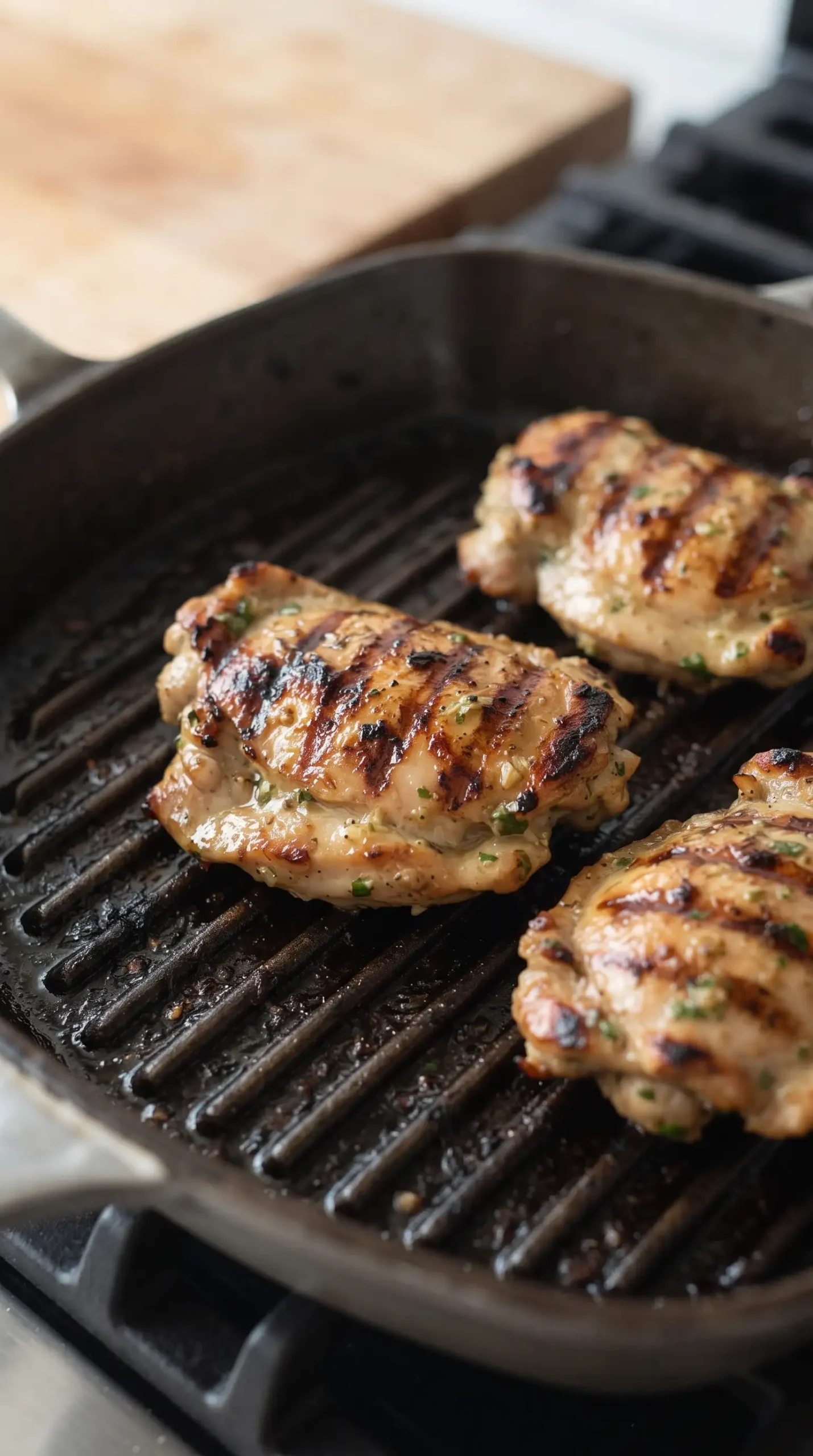
Medium-high heat helps the chicken develop browned areas while allowing the interior to cook through. A properly heated grill surface supports the contrast between caramelized edges and tender meat because high heat creates grill marks on the surface.
Coconut Lime Chicken Mistakes That Flatten the Flavor
Coconut lime chicken can lose its appeal when small preparation choices change the balance of the dish. Avoiding these issues helps preserve the fresh, creamy, and savory qualities of the marinade.
- Thin sauce texture: A watery coconut mixture may coat the chicken less effectively. Using more of the thicker coconut portion creates a richer consistency.
- Muted citrus flavor: Too little attention to lime balance can make the marinade taste heavy. Keeping the citrus element noticeable maintains freshness.
- Uneven grilling: Placing chicken on an underheated surface can reduce browning. Starting with proper grill heat improves the exterior.
Another common mistake is using every drop of marinade on the chicken before serving. Keeping some sauce untouched creates a cleaner finishing element that brings the flavors back into focus at the table.
Vegetable Pairings Complete the Plate
Fresh vegetables add contrast to the creamy coconut sauce and tender grilled chicken. Crisp greens, lightly cooked vegetables, or colorful raw additions can complement the rice without competing with the marinade.
Leftover Handling Keeps the Meal Ready
Cooked chicken and rice should be stored separately when possible so the textures remain easier to manage when reheated. Keeping the sauce separate also allows the flavors to stay brighter when served again.
Adaptations Keep Coconut Lime Chicken Flexible
Coconut lime chicken can be adjusted for different dietary preferences while keeping its central flavor profile intact. A plant-based version can replace fish sauce with soy sauce and pair the same style of sauce with pan-fried tofu.
The marinade also works as inspiration for different serving styles. The same combination of coconut, lime, herbs, and savory seasoning can support bowls, wraps, or vegetable-focused plates.
Small changes should preserve the balance that defines the dish. Keeping the lime, creamy coconut element, and fresh herbs working together is more important than adding many extra flavors.
Serving Choices Highlight the Sauce
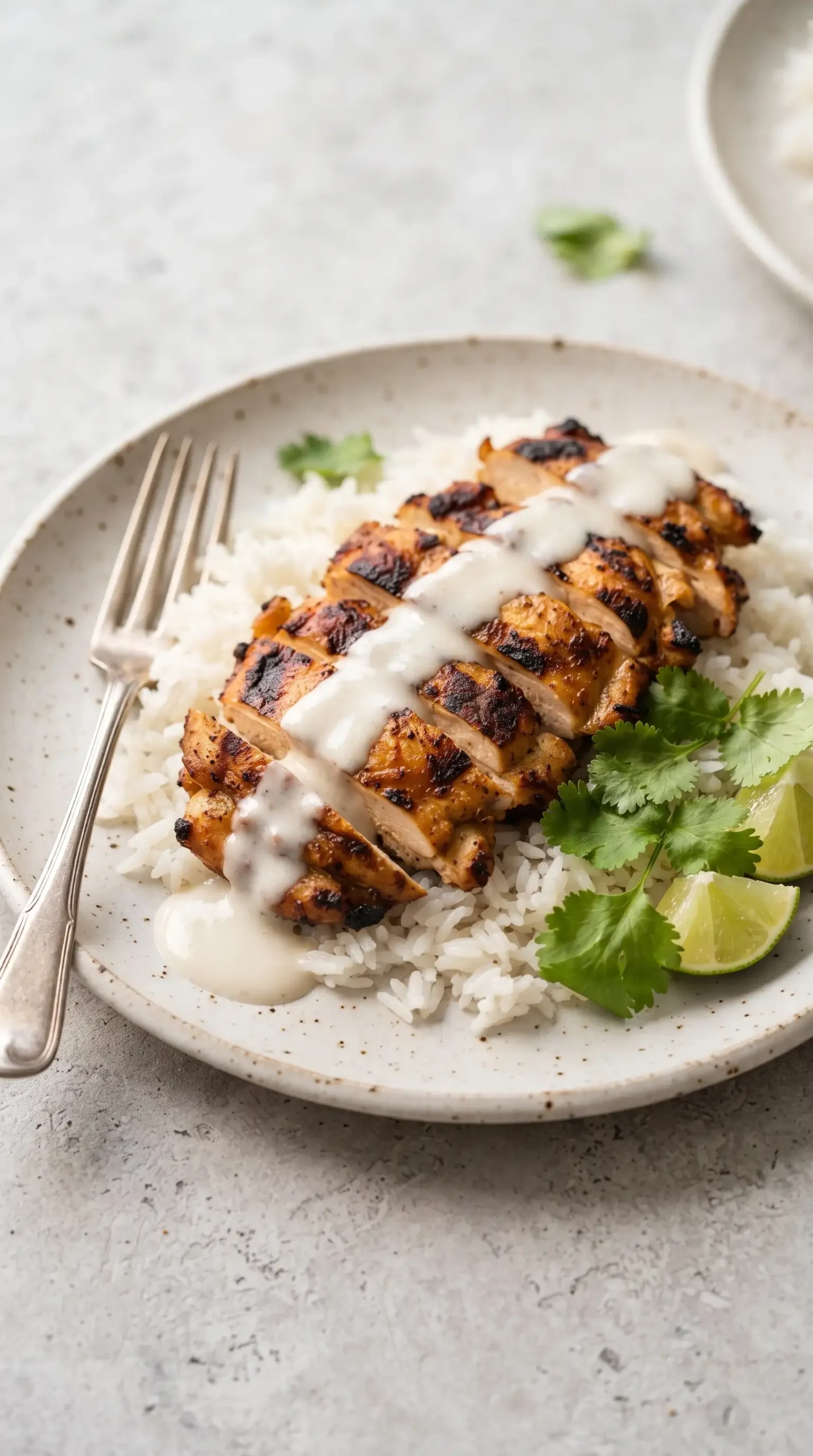
Serving coconut lime grilled chicken with a drizzle of the remaining sauce allows each person to adjust the intensity of the flavors. The rice catches the extra creaminess, while vegetables bring a fresh contrast.
Coconut Lime Chicken Works Across Weeknight Settings
The simple structure of coconut lime chicken makes it suitable for casual meals where a flavorful centerpiece is needed without complicated preparation. The marinade creates enough character for the chicken to stand alongside basic sides.
Sauce Consistency Changes the Finished Experience
The texture of the coconut sauce influences how it sits on the chicken and rice. A thicker sauce clings more closely, while a thinner blend creates more of a drizzle that spreads across the plate.
Coconut Lime Chicken Finishes Best When Balance Guides Every Step
Coconut lime chicken succeeds because the marinade, grilling process, and serving choices work toward the same result: tender chicken with a bright, creamy, and savory finish. The most important judgment comes from maintaining balance between the rich coconut base and the fresh lime and herbs that keep the dish lively.
Grilled chicken with rice becomes especially satisfying when the sauce is treated as both a marinade and a finishing element. Reserving that fresh flavor for the plate creates a meal where every component supports the next.
Coconut Lime Chicken Questions About Marinade and Storage
Can coconut lime chicken be made without fish sauce?
Yes, the marinade can be adapted by replacing fish sauce with soy sauce. The substitute keeps the savory quality while making the dish suitable for vegetarian or vegan variations when paired with tofu.
How does coconut milk affect the marinade texture?
Coconut milk determines how creamy and thick the sauce feels. Using more of the dense portion from the can creates a richer coating, while a thinner mixture will spread more easily over the chicken and rice.
Can the coconut lime chicken marinade be used for other proteins?
The flavor combination can work well with tofu and other suitable proteins because the lime, herbs, and coconut elements create a versatile seasoning base. Cooking adjustments should match the chosen protein’s texture and needs.
What vegetables pair well with coconut lime grilled chicken?
Vegetables with crisp or fresh qualities pair especially well because they contrast with the creamy sauce. Lightly cooked vegetables or fresh salad-style additions can help create a balanced plate.
Why should some sauce be saved for serving?
Keeping sauce aside creates a fresher finishing layer that has not been used as a marinade. It adds extra flavor directly to the cooked chicken and rice while maintaining the bright qualities of the blended ingredients.
Coconut Lime Grilled Chicken and Rice with Coconut Marinade
Ingredients
Method
- Add all sauce ingredients to a food processor and blend until the mixture is smooth.
- Coat the chicken with about half of the prepared sauce and let it marinate for 30 minutes.
- Prepare a grill or grill pan over medium-high heat. Cook the chicken on both sides until browned and fully cooked, about 4 minutes per side.
- Remove the chicken from the heat and allow it to rest for a few minutes.
- Serve the grilled chicken with rice and vegetables, then drizzle with the reserved sauce.